When a home needs more than a basic roof
Most residential calls start with a practical problem. A roof edge is letting water creep behind the fascia, gutters are pulling loose in a gale, or a side room needs a canopy so the washing line and back door stay drier through the winter rains. In Mossel Bay, Hartenbos and Great Brak River, coastal humidity can rust weak fixings faster than people expect, so a small repair often turns into a proper upgrade once we inspect the whole line.
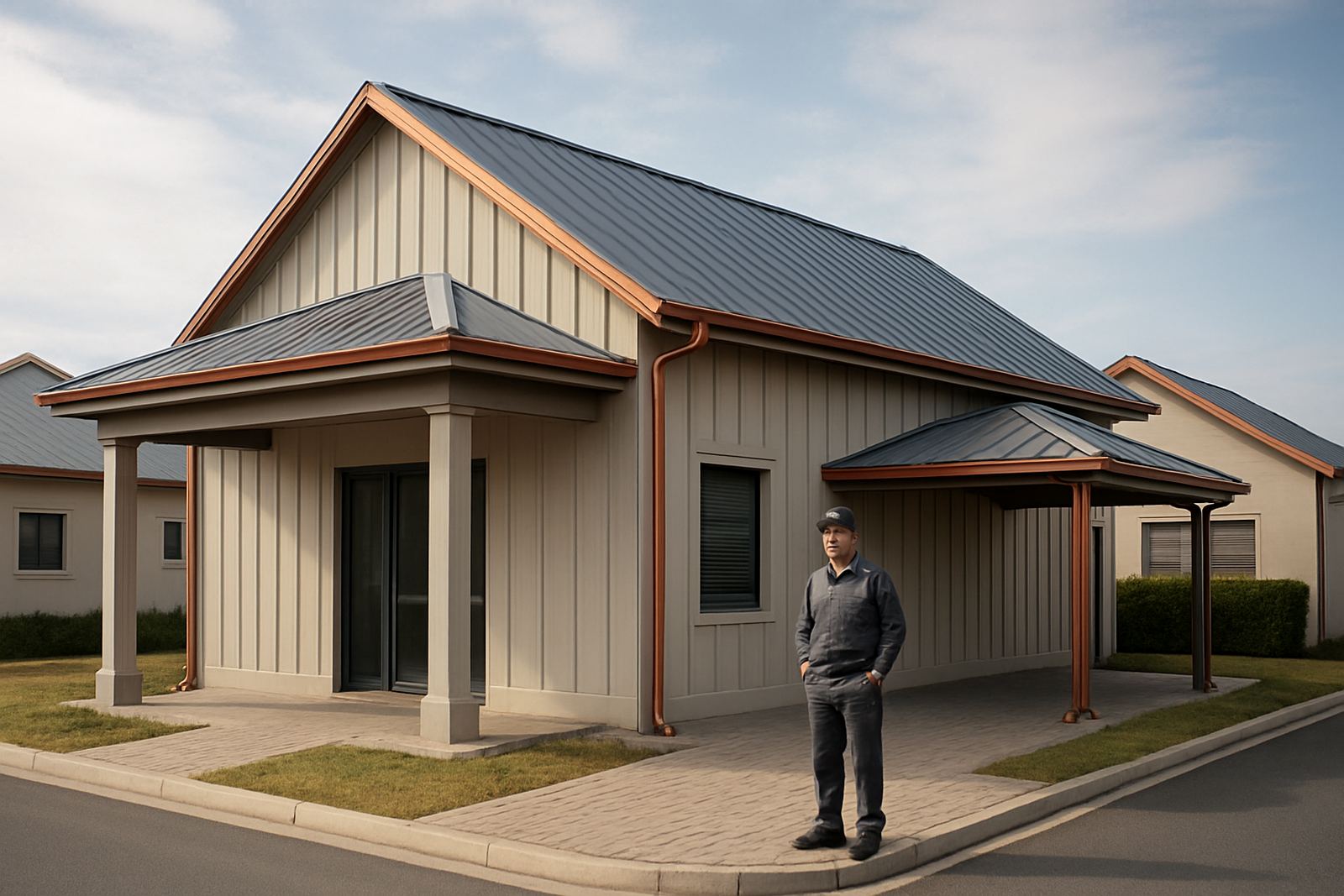
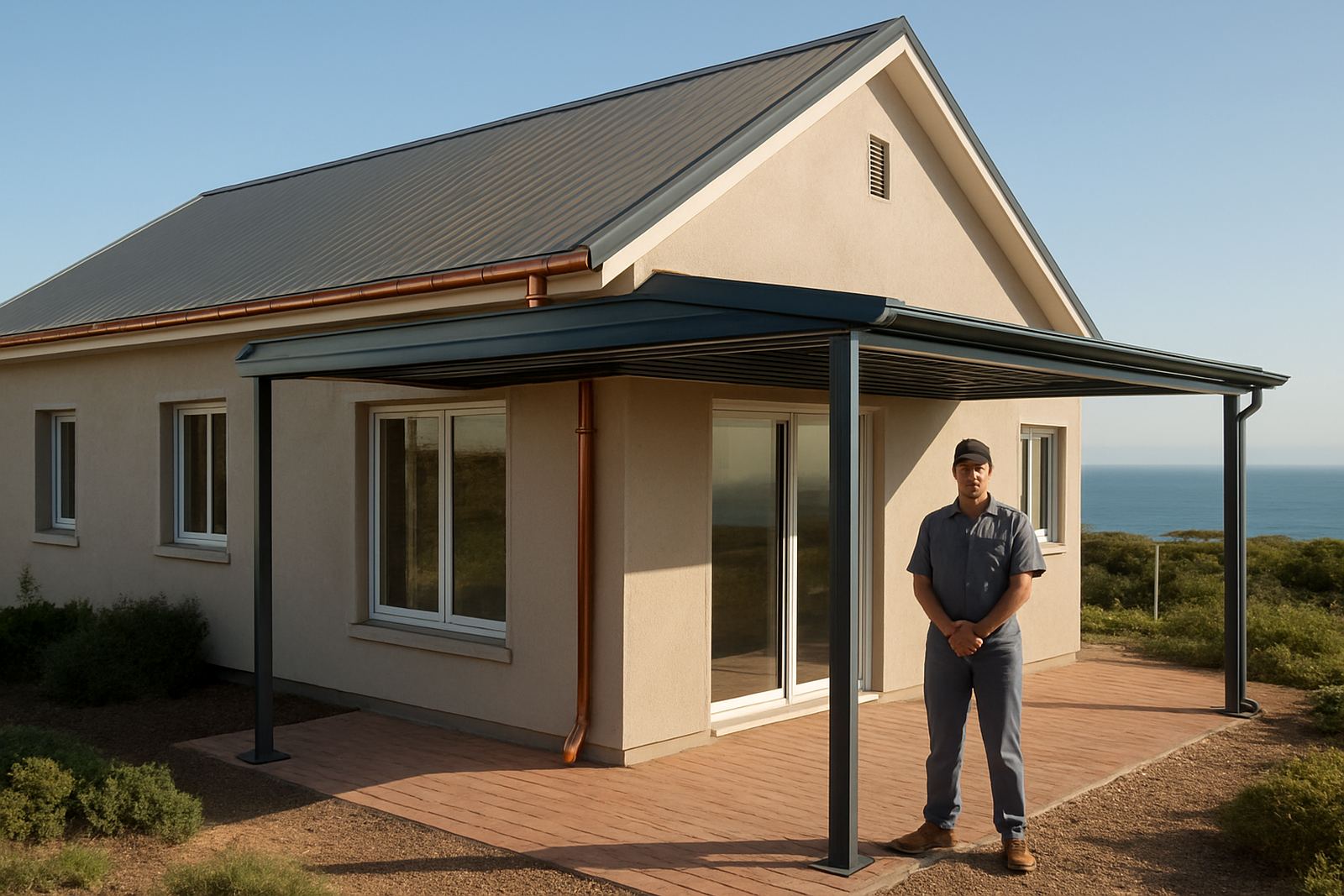
We work on new homes, older houses, holiday homes and rental properties. The work is usually neat and specific, not a full rebuild. That means custom flashings, replacement gutters, roof sheet installation on smaller additions, wall cladding for weather protection, and light steel structures for carports, shade covers and covered stoops. If the home is on a slope or close to the sea, we allow for extra drainage and better fastening from the start.
Typical call-outs include leak repairs around chimneys, parapets and valleys, or replacing thin gutters that overflow into the garden. A lot of damage starts with one loose bracket or one badly cut corner, so we check the full run and not just the obvious wet patch.
What we usually measure and install
Every residential job starts with site measuring and a look at how water moves across the roof. On many homes the best fix is not the biggest one, it is the one that suits the pitch, the overhang and the existing walls. We also look at access, because a narrow side passage, a high boundary wall or a steep driveway changes how materials are brought in and lifted.
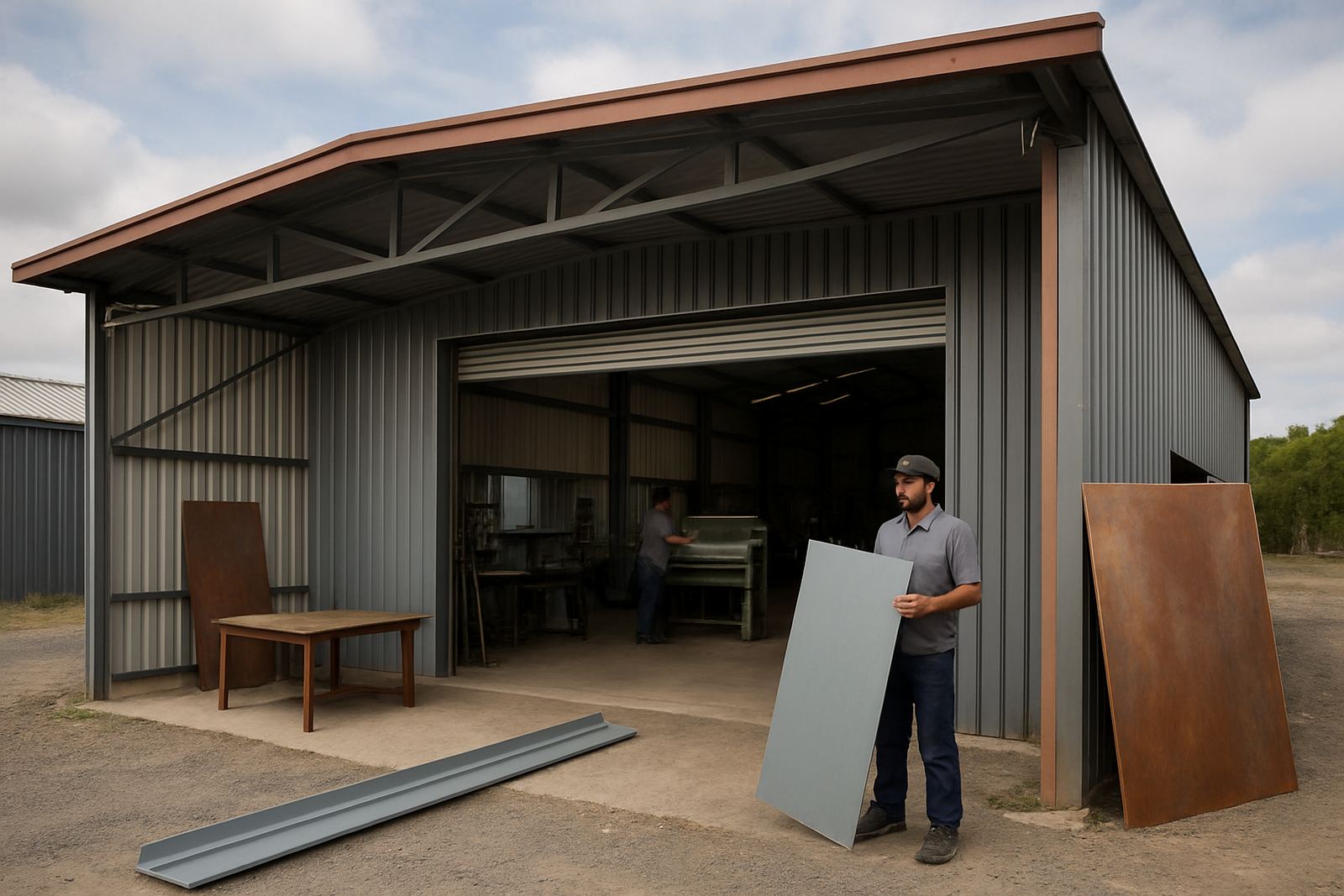
The typical equipment set for this kind of work includes sheet metal for flashings, gutter sections, downpipes, brackets, sealants, fixings, trim pieces, roof sheets and light steel members where a canopy or frame is needed. For homes near the coast we usually allow for better corrosion resistance on fasteners and brackets, because cheap fittings dont last long when the salt air gets in.
- Custom flashings for roof edges, chimneys and wall junctions
- Gutter fabrication and gutter replacement for homes with overflow or sagging runs
- Roof sheet installation for small extensions, patio covers and outbuildings
- Wall cladding for side walls that need weather protection or a cleaner finish
- Steel frame erection for carports, shade covers and simple home additions
Planning advice for new builds and renovations
For a new home, the best time to plan sheet metal work is before walls are closed and before final roof lines are fixed. That gives room for proper flashing details, clean gutter falls and tidy downpipe positions. On renovation work, we take what is already there and build around it, but it helps if the owner can point out problem areas in wet weather, because leaks often show up away from the real source.
In places like Wilderness and Sedgefield, where homes often have exposed roofs and strong wind, we pay attention to overhangs and tie-down points. In built-up areas of George or Mossel Bay town, drainage into municipal stormwater lines can also affect the layout, especially where a driveway or boundary wall is close to the gutter discharge. A simple plan on paper can avoid later arguments with paving, paintwork or neighbours.
We also advise owners to think about maintenance access. A gutter tucked behind a deep decorative roof edge may look tidy but it is hard to clear. If a tree sheds leaves or coastal wind blows in sand, easy cleaning matters. It saves money later and helps during load-shedding too, because a repair team needs clear access and safe working time when power tools and lighting are limited.
Common mistakes that cost more later
A lot of residential repairs happen because the original work was done too quickly. The most common problem is poor fall on gutters, which leaves standing water and causes rust, leaks and staining on walls. Another one is using light fixings where stronger support is needed, especially on carports and canopies that catch wind off the bay.
Other mistakes we see include flashings cut too short, sealant used as the main solution instead of proper fitting, and roof sheets laid without enough thought to overlap direction. On older homes, people sometimes paint over a leak and hope it goes away. It doesnt. Water finds the joint again, often after one hard rain or a proper south-easter.
- Do not ignore small drips at wall junctions, they usually spread
- Do not mix old rusted brackets with new gutter runs and expect long life
- Do not fit a canopy without checking the ground level, runoff and door swing
- Do not block downpipes with paving, planters or stored items
Budget ranges for residential work in Rand
Every home is different, but most owners want a straight answer on cost before work starts. For simple repairs, a homeowner in the southern Cape may spend a few thousand Rand on a small flashing repair or gutter section, while a more involved leak investigation and replacement can move into the mid-thousands. New gutters for an average house, depending on length and access, often sit from around R8 000 to R25 000.
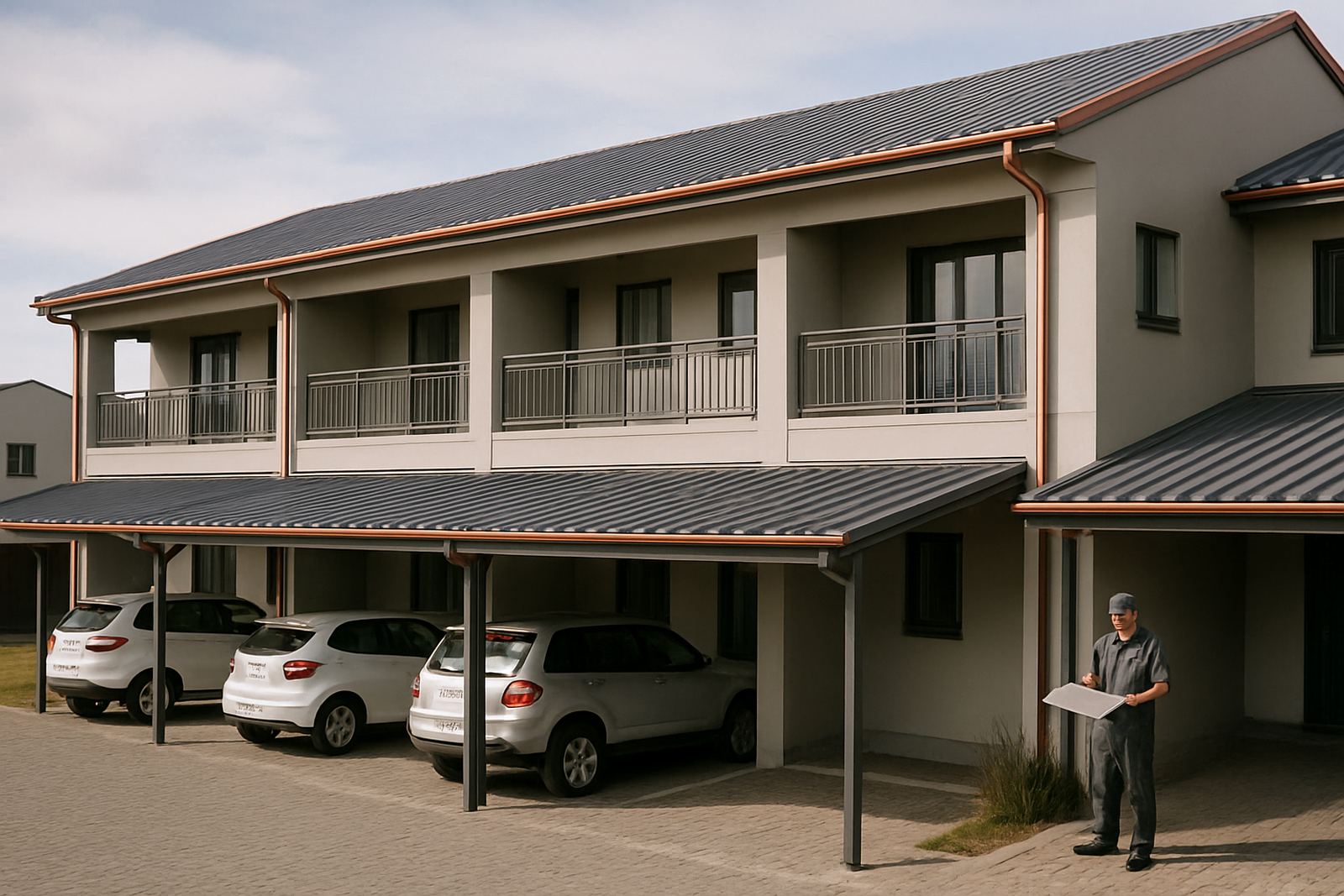
Small canopies, patio covers and carports vary much more because span, roof cover and footing work change the price. A basic light steel carport may start near R18 000 and rise from there, while a larger custom frame with cladding or longer spans can move well beyond that. Roof sheet installation for a home addition is usually priced by area and detail, so a 20 square metre cover will not cost the same as a 60 square metre one.
Good planning usually saves money. If we can do the measuring once, fabricate to size and install without rework, the final bill is cleaner. If a home needs structural changes, extra drainage or access equipment, we say so upfront. That is better than surprise charges after the job is underway.
How J&E handles homes in the southern Cape
J&E Sheet Metal is based in Gouriqua Park, Mossel Bay, and we work across Mossel Bay, Hartenbos, Great Brak River, George, Wilderness and Sedgefield. The team is led by Johan Petrus Botha, with support from Leandri van Wyk on operations, Carla April on estimating, Ruan Goliath in the workshop, Mziwoxolo Ndamase on site supervision and Siphesihle Mbatha on roofing and cladding installation. That matters because residential work needs both accurate workshop work and careful site fitting.
For homeowners, the process is usually simple. We inspect the area, measure the runs, discuss the use of the space and then quote the work in practical terms. If the job is a leak repair, we explain whether it is a flashing issue, a gutter issue or a roof sheet detail. If it is a canopy or carport, we look at how the structure will shed water, stand up to wind and fit the house lines without making the frontage look awkward.
We also keep an eye on aftercare. A new gutter or canopy should not become a yearly headache. With the right materials, careful fixing and a proper slope, a homeowner can expect fewer problems and less maintenance, even in salty air and rainy months.