


What We Notice On Real Southern Cape Jobs
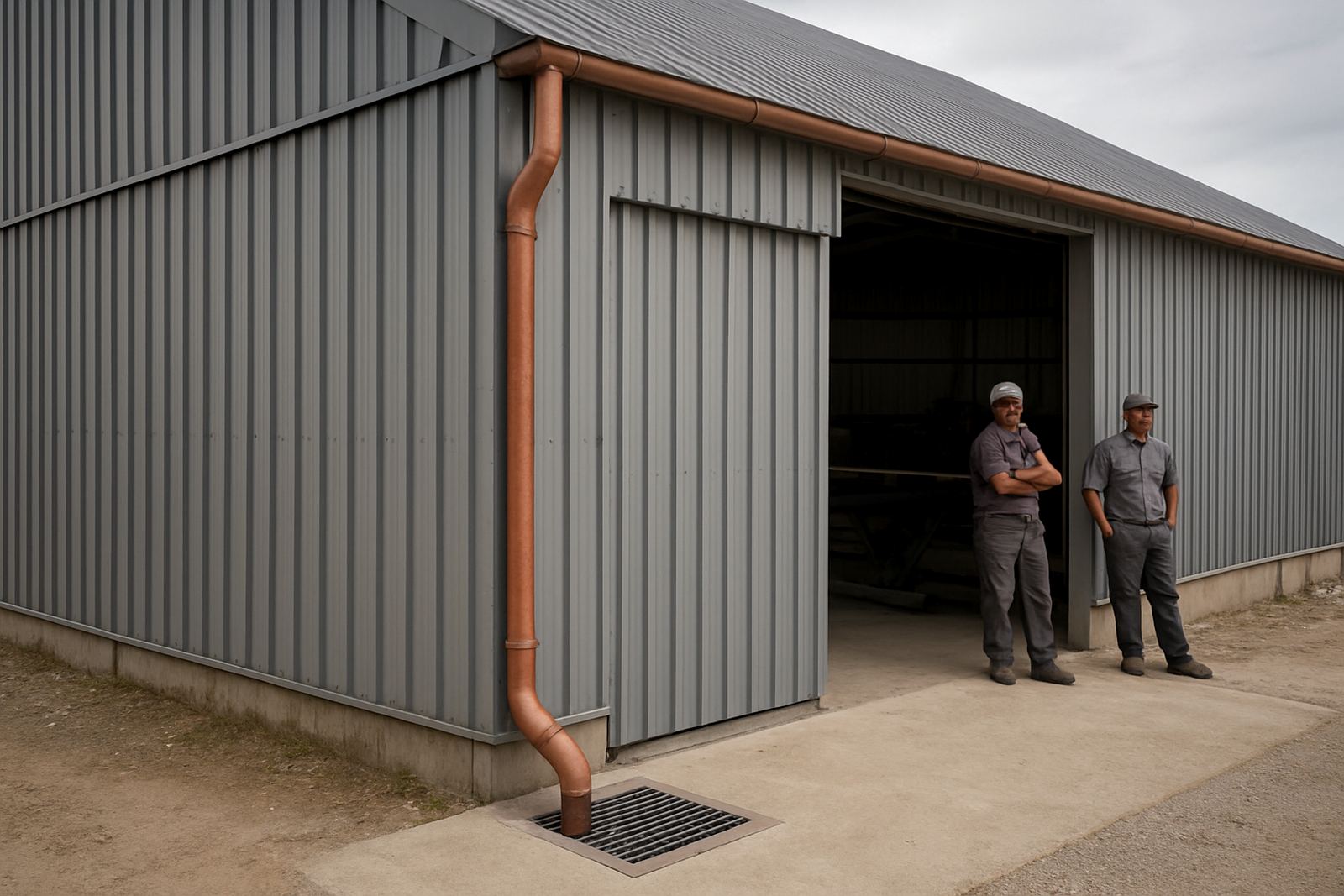
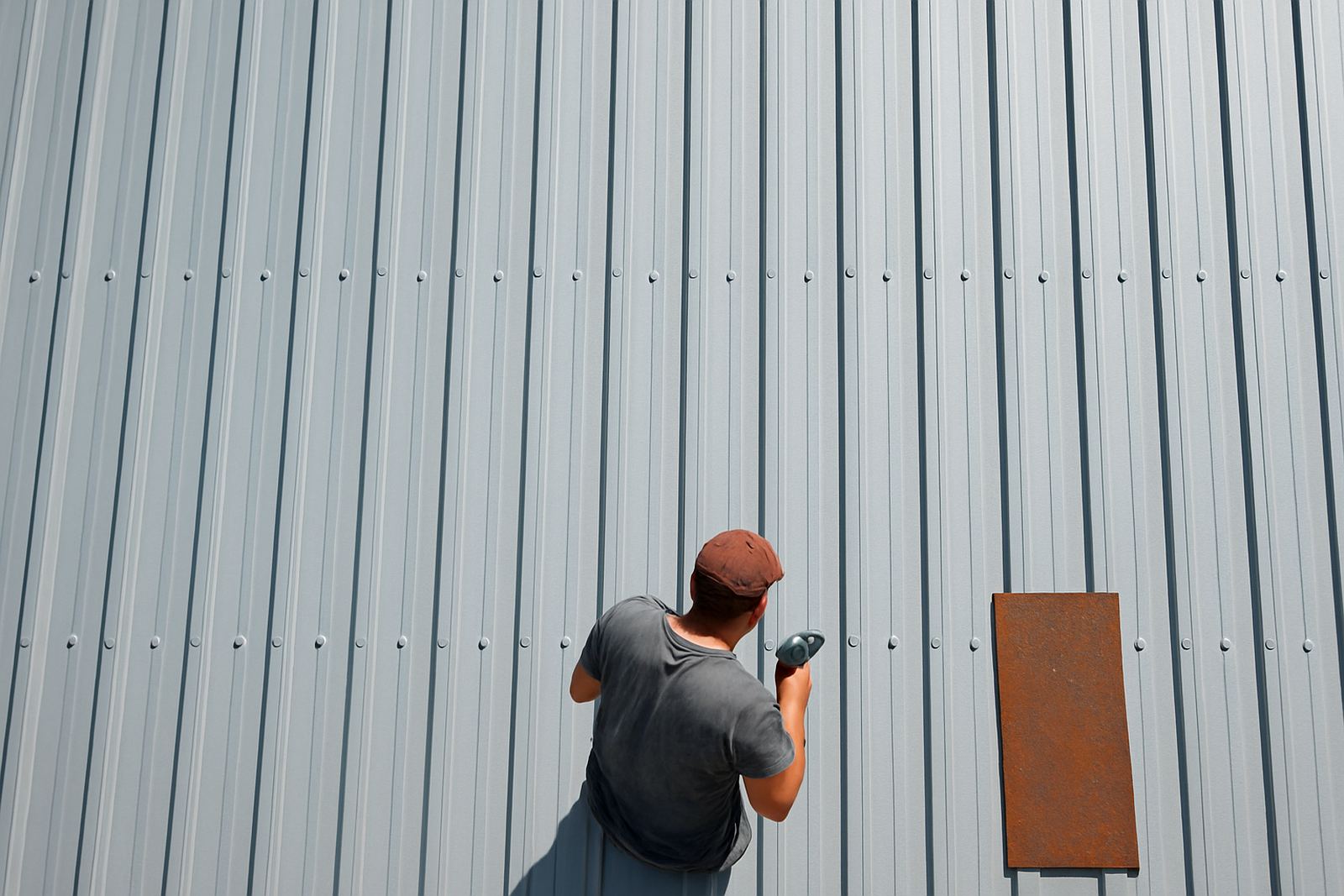
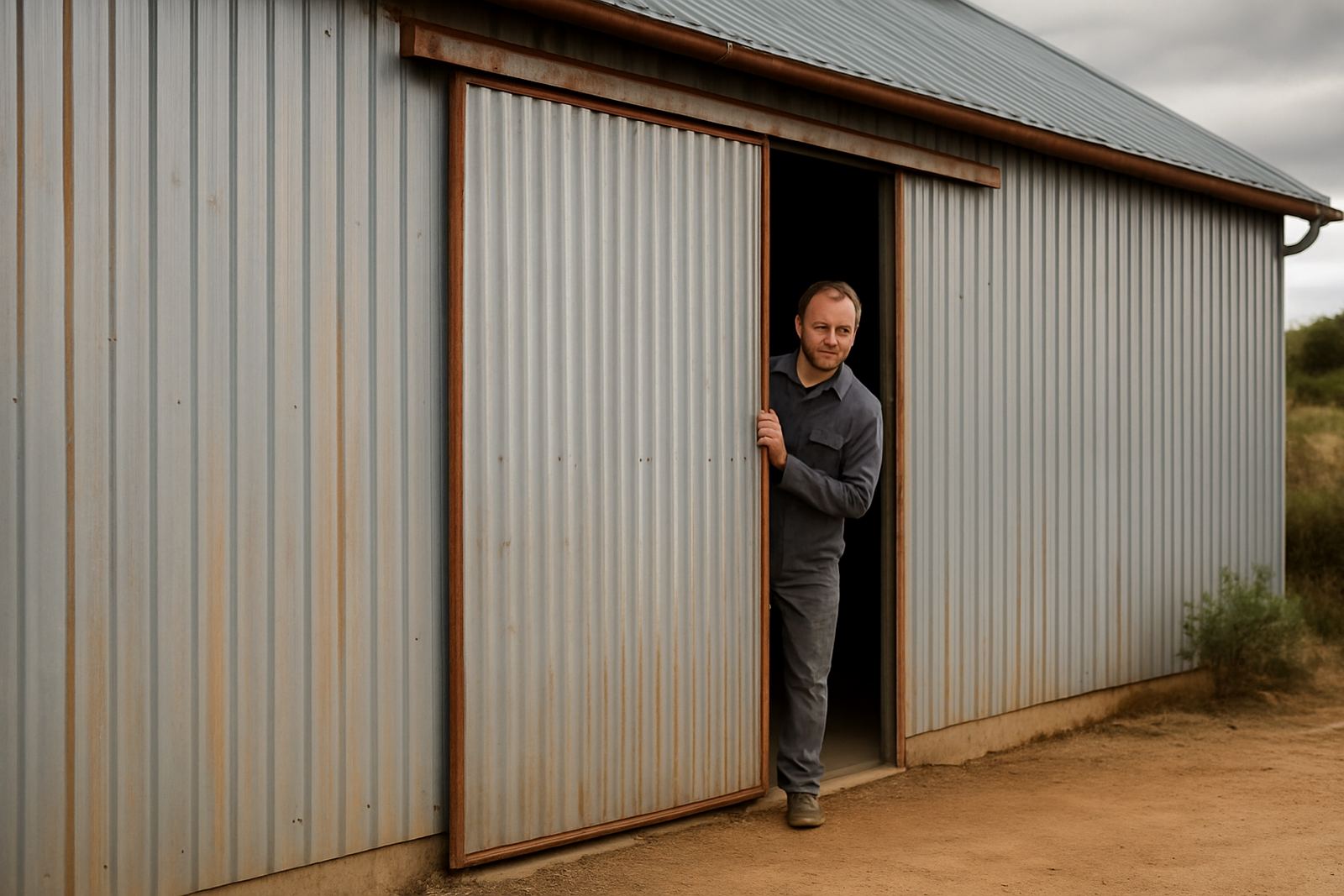
Every site tells a different story. In Mossel Bay, Hartenbos, Great Brak River and George, we see how wind, salt air, uneven walls and old roof lines affect the way sheet metal and steel work should be done. A neat-looking roof can still leak at a valley, a gutter can overflow because the fall is wrong, and a carport can move in hard wind if the fixings are not set out properly.
These diary notes are based on measuring, fabricating and installing work on site, not on theory. We use them to show what matters before a project starts, what gets checked during installation, and what often comes up later during maintenance inspections.
How To Use The Diary Before You Start A Project
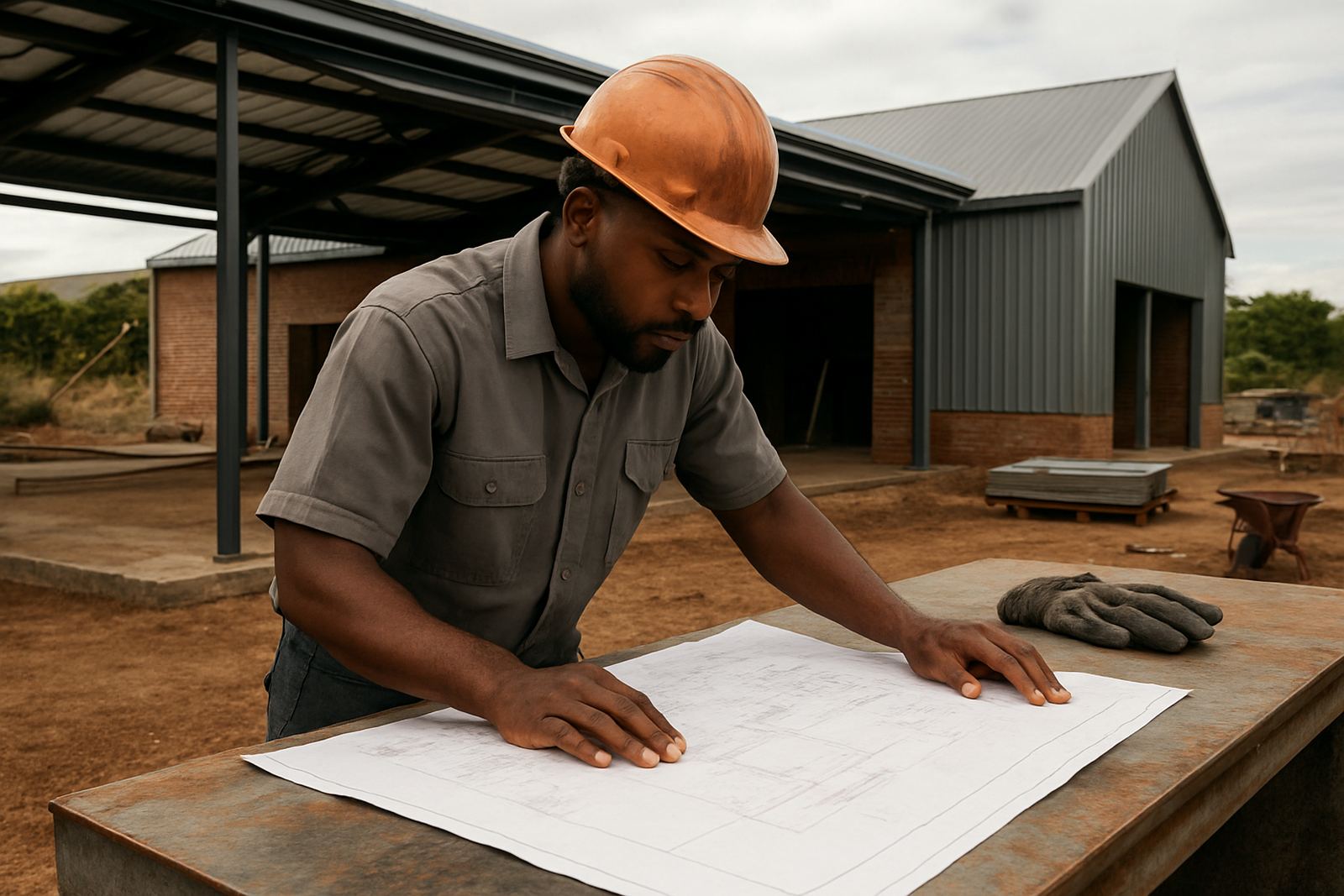
If you are planning roof sheet installation, wall cladding, custom flashings or gutter replacement, use the diary to compare your job with real conditions we see on site. A small industrial unit in Gouriqua Park needs different planning to a coastal home in Wilderness, even if both need the same type of metal work.
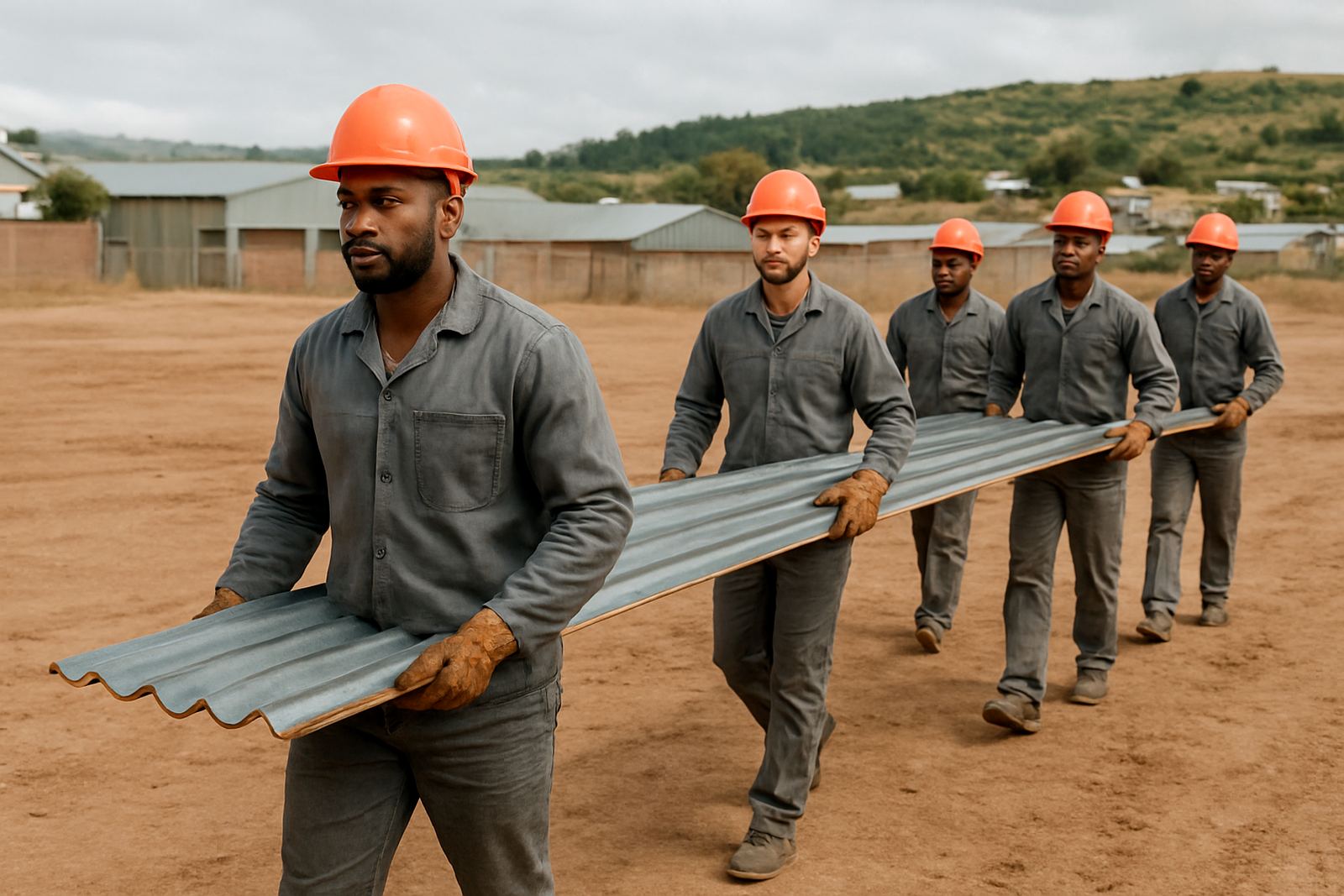
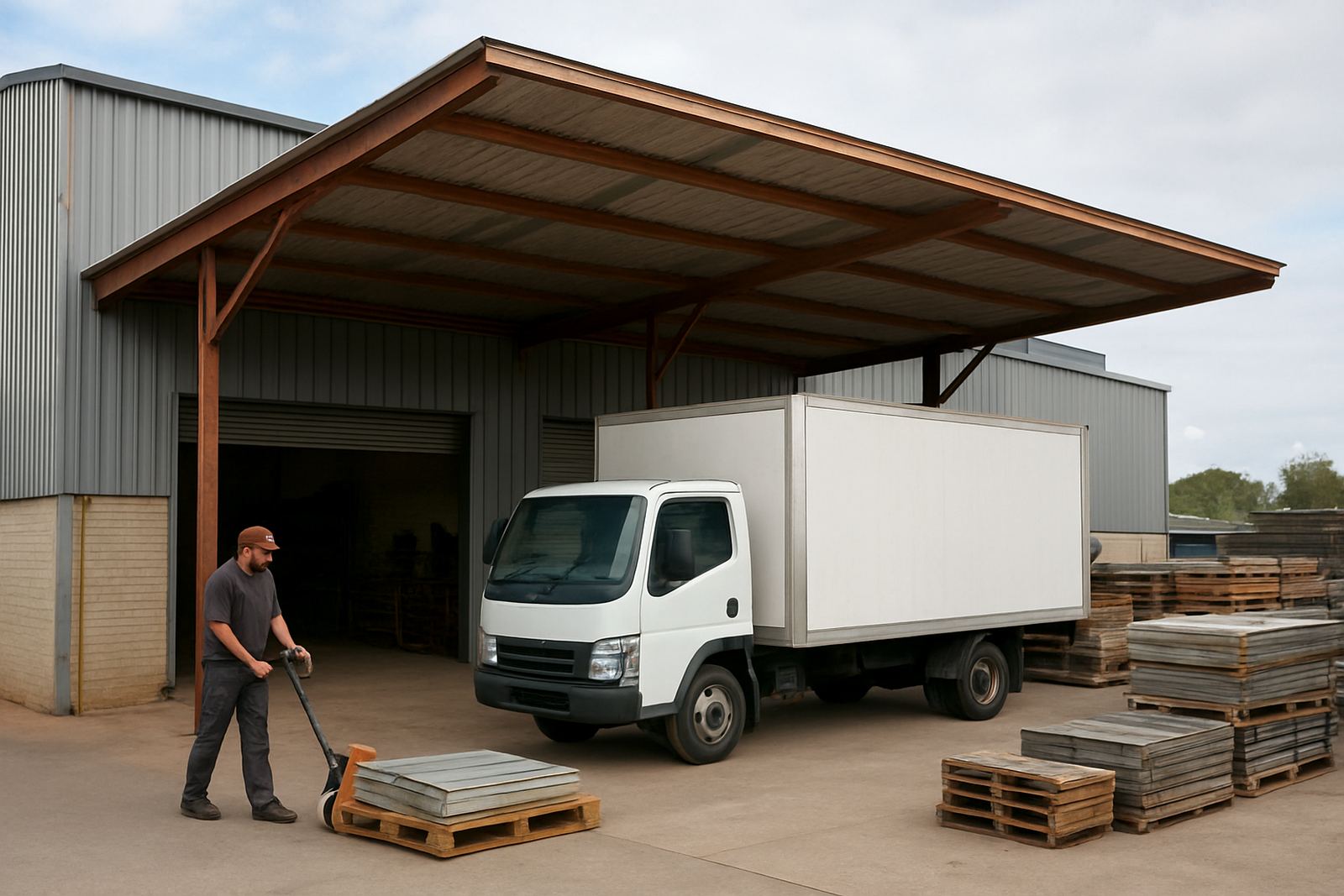
- Check the site access for ladders, lifts and material off-loading.
- Confirm whether the structure is new, altered, or an older building with movement.
- Look at wind exposure, salt air, and nearby trees that can block gutters.
- Ask what sealing, overlaps and fixing spacing are suitable for the area.
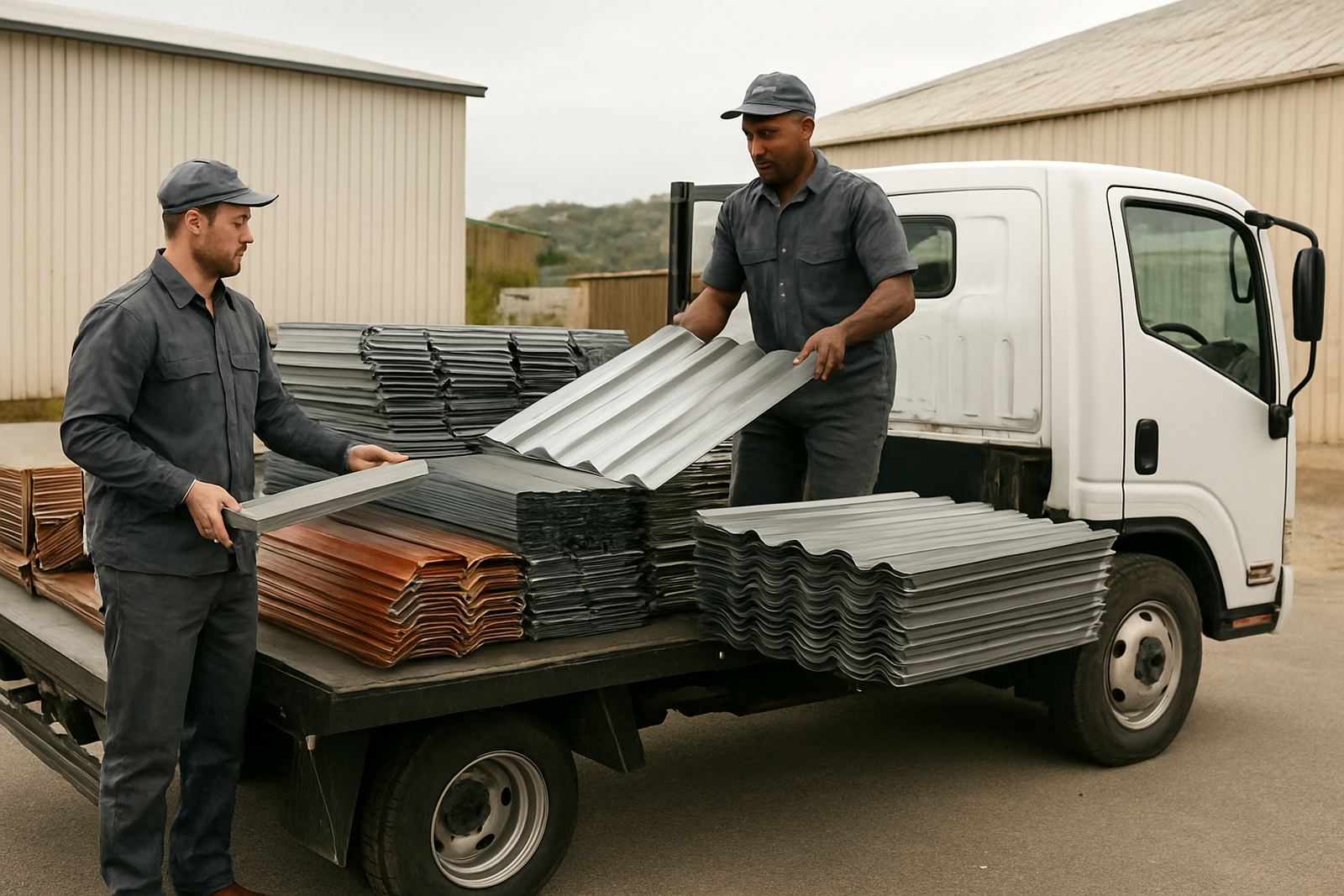
- Budget for measuring, fabrication and installation as separate steps if needed.
That approach helps owners and managers make better decisions early and avoid repeat call-backs later on.
Roof Leaks, Flashings And The Small Gaps That Cause Trouble
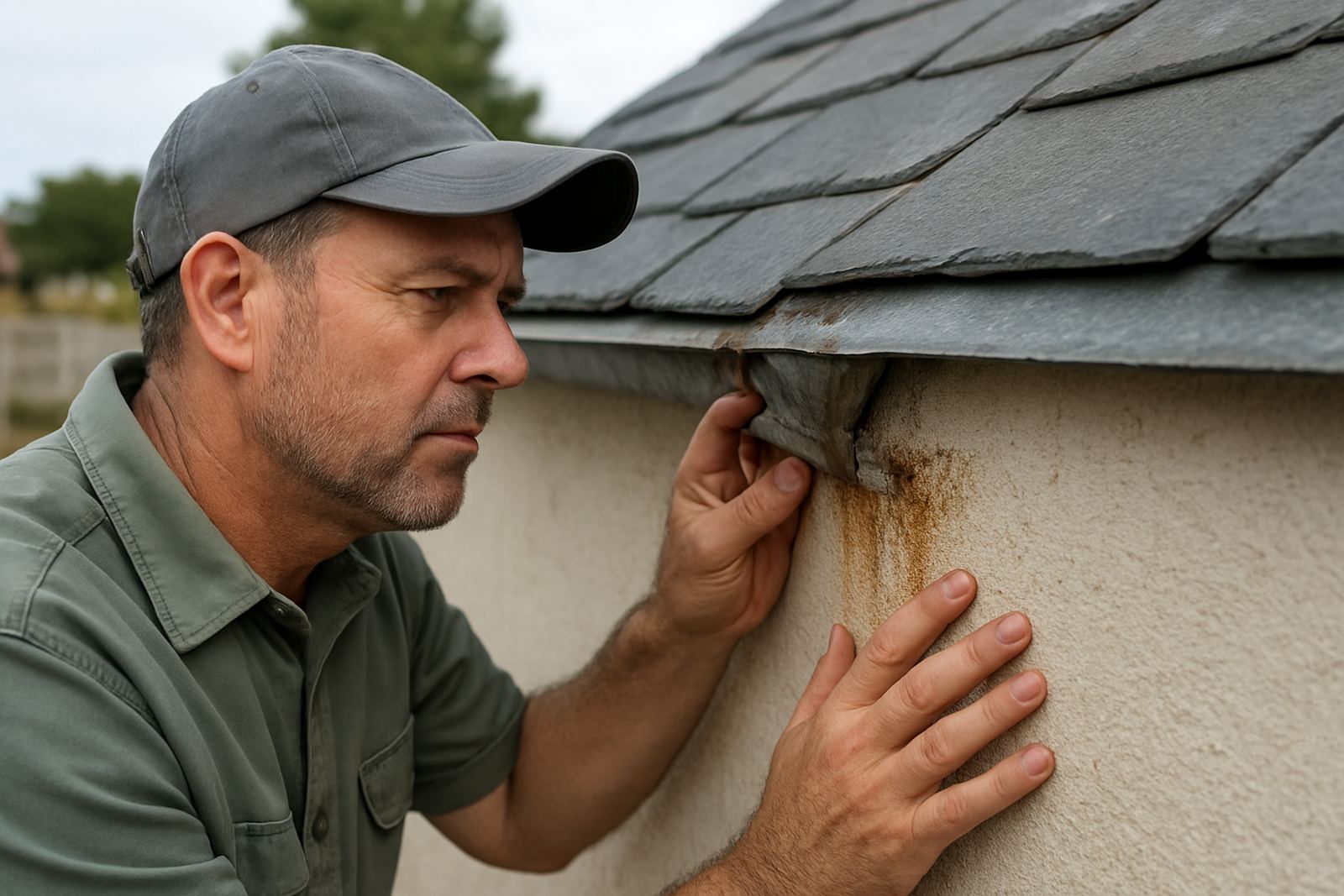
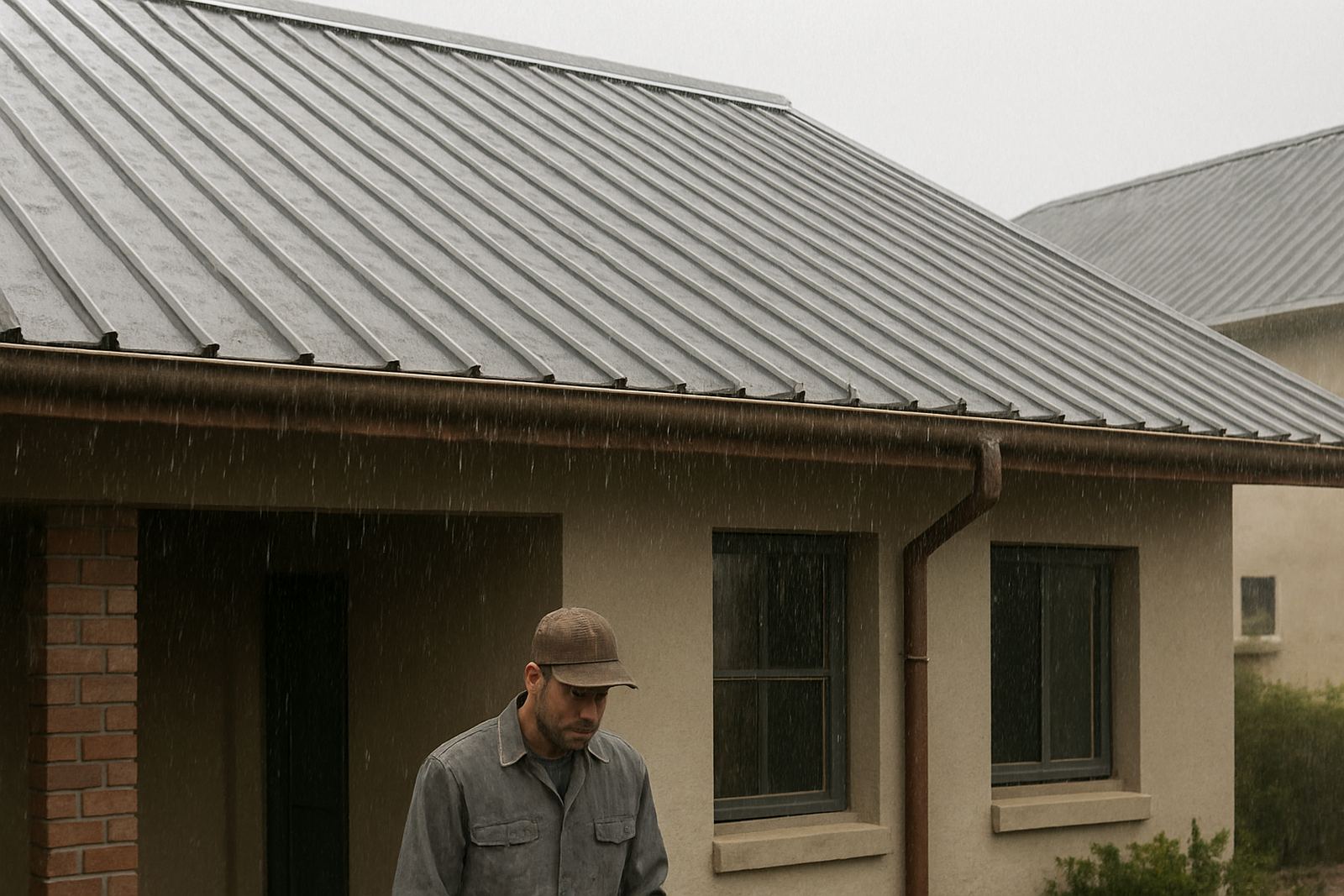
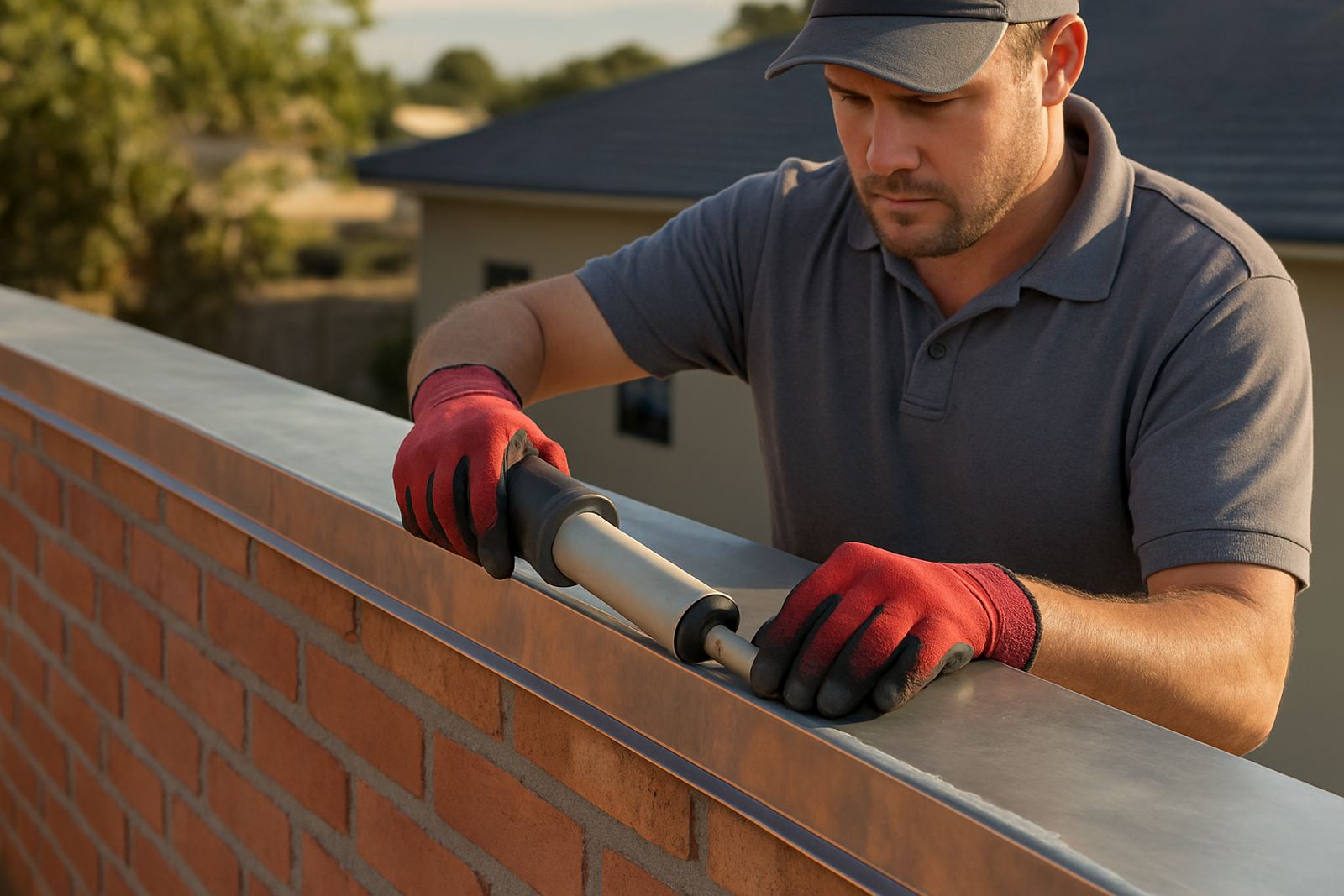
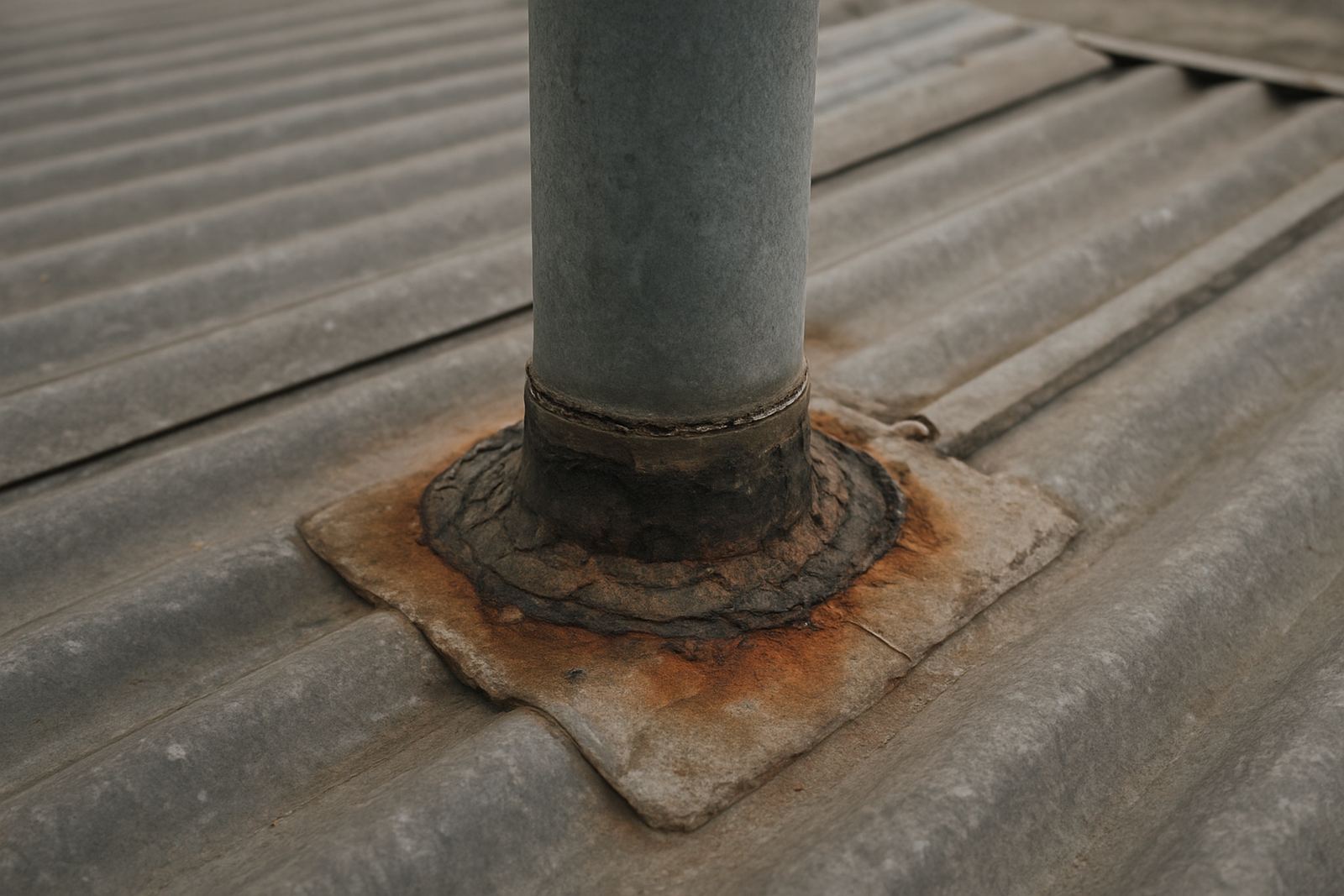
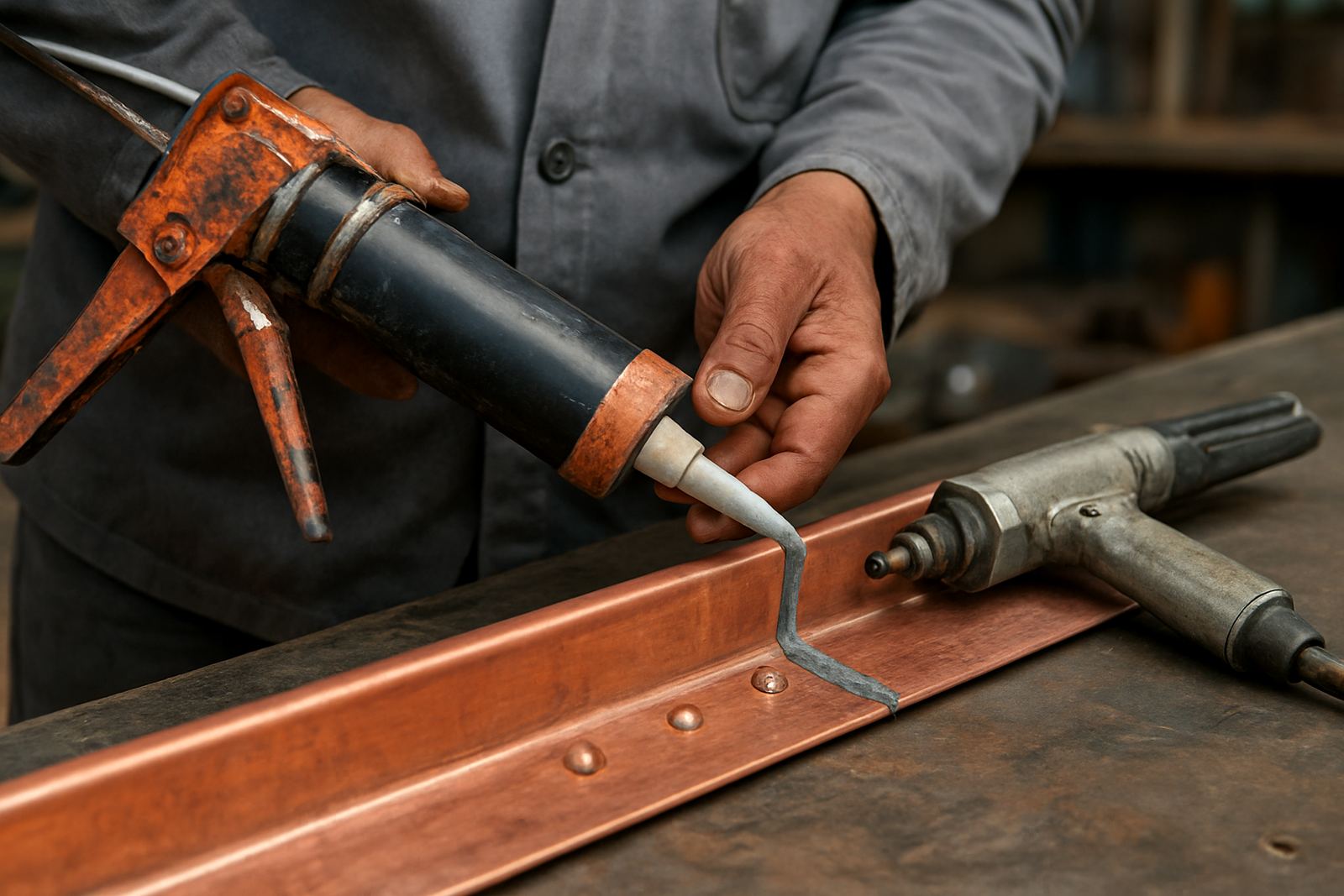
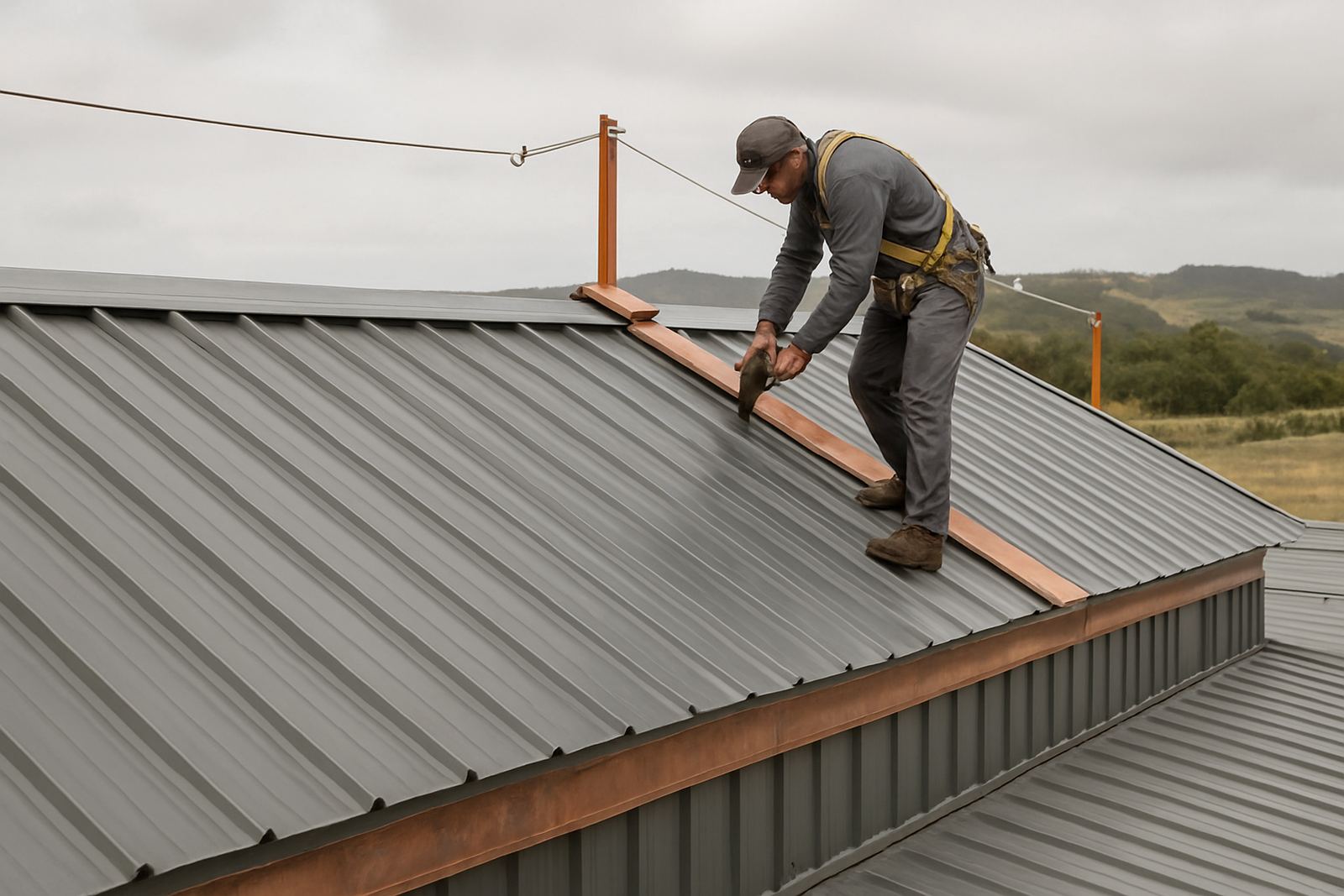
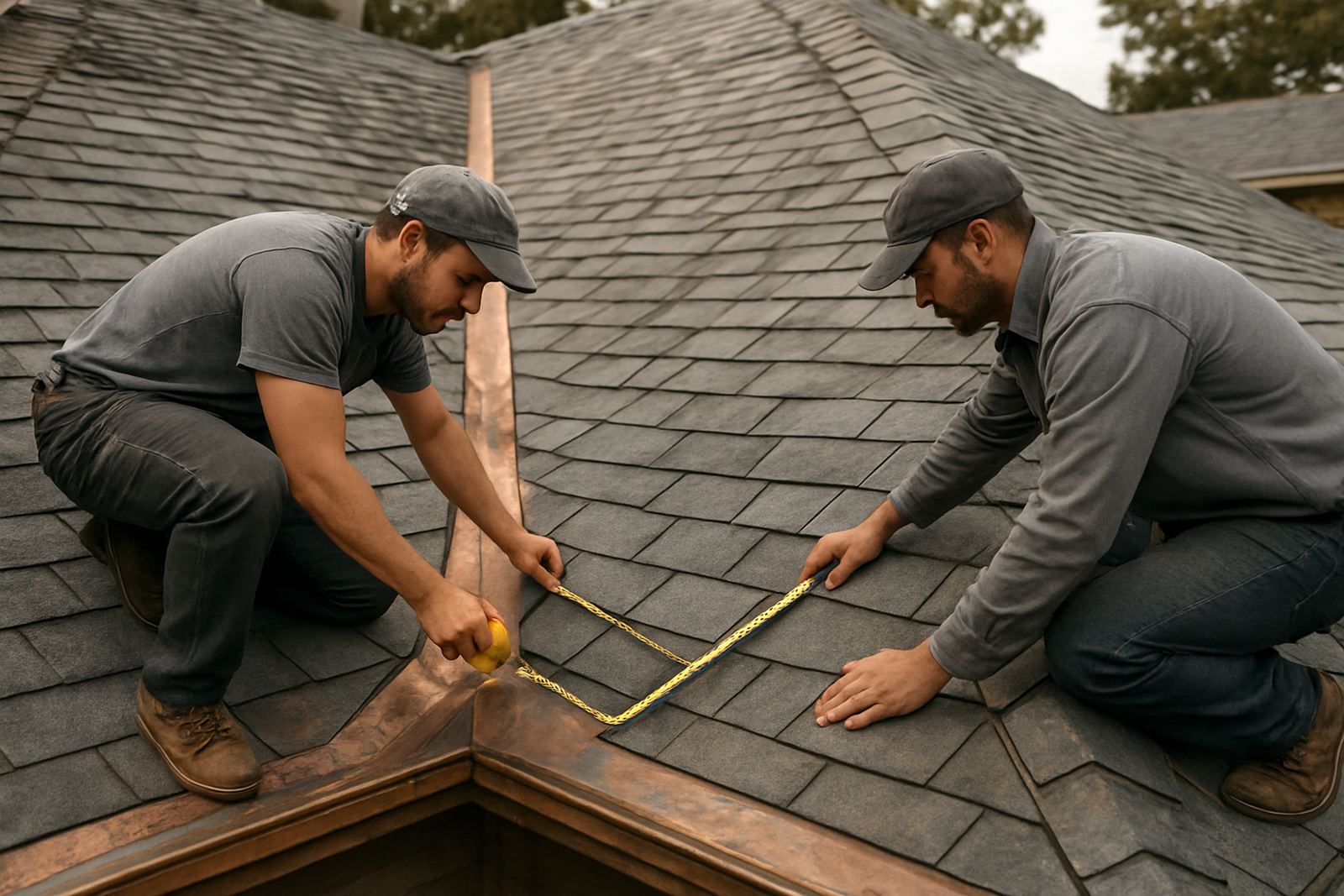
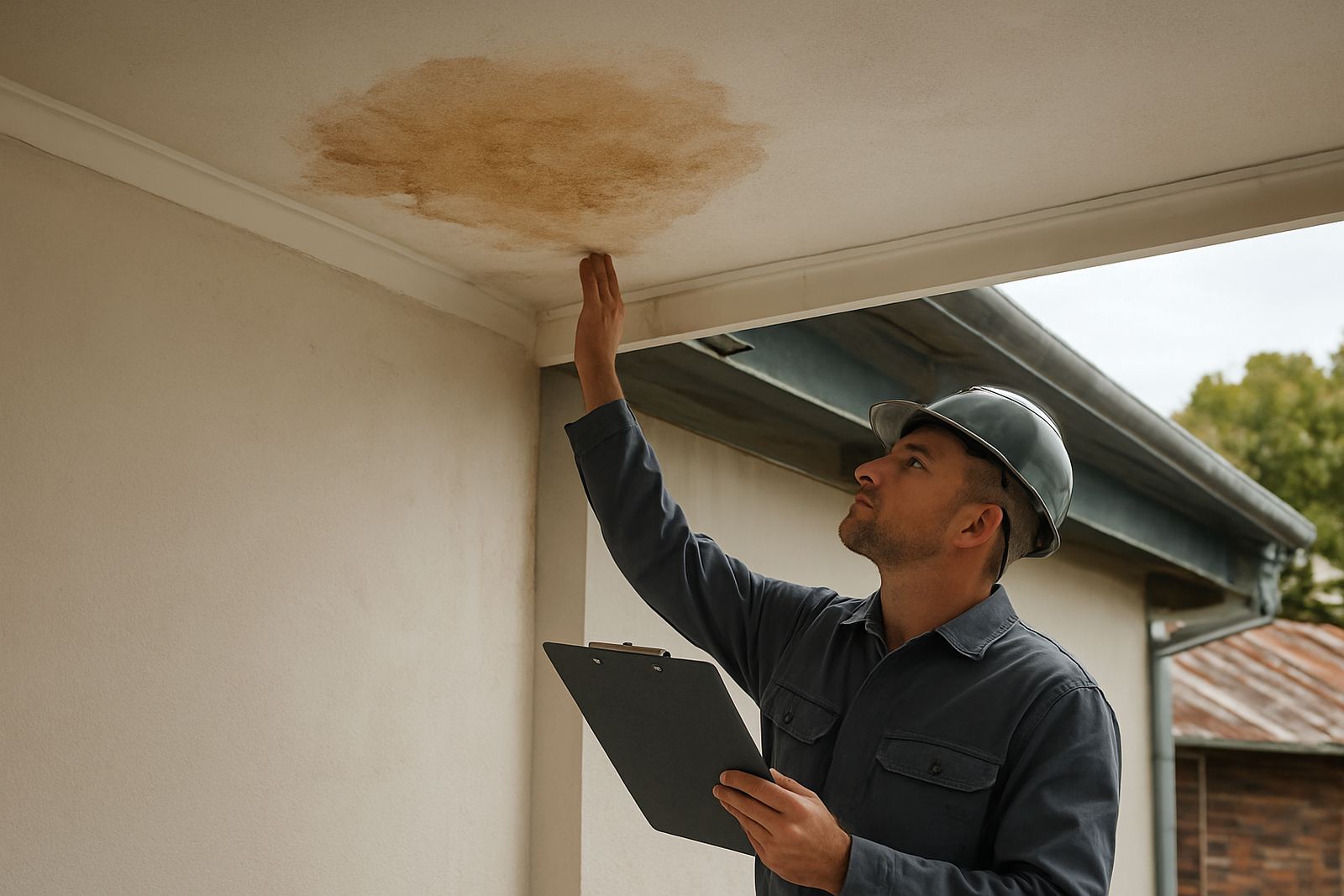
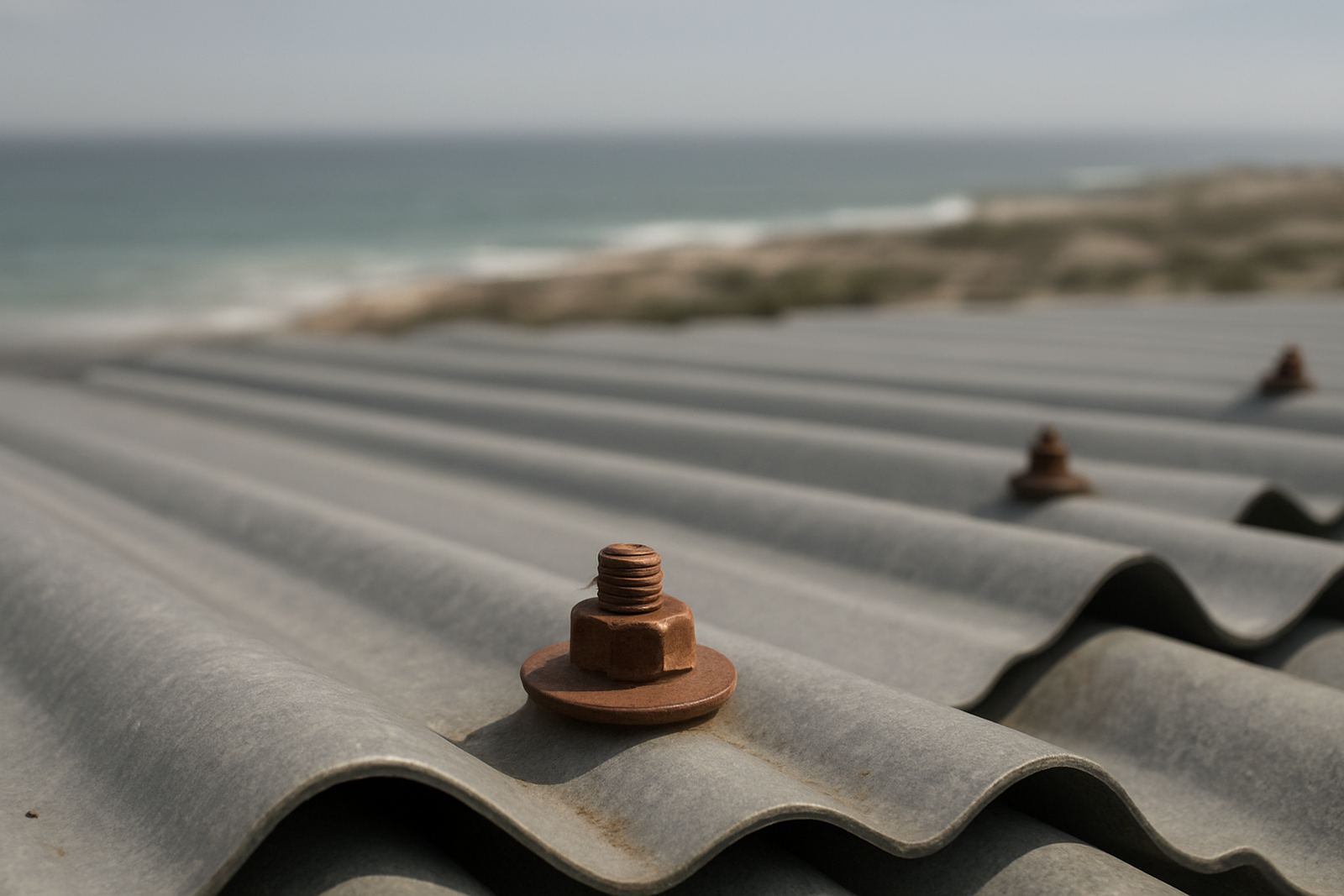
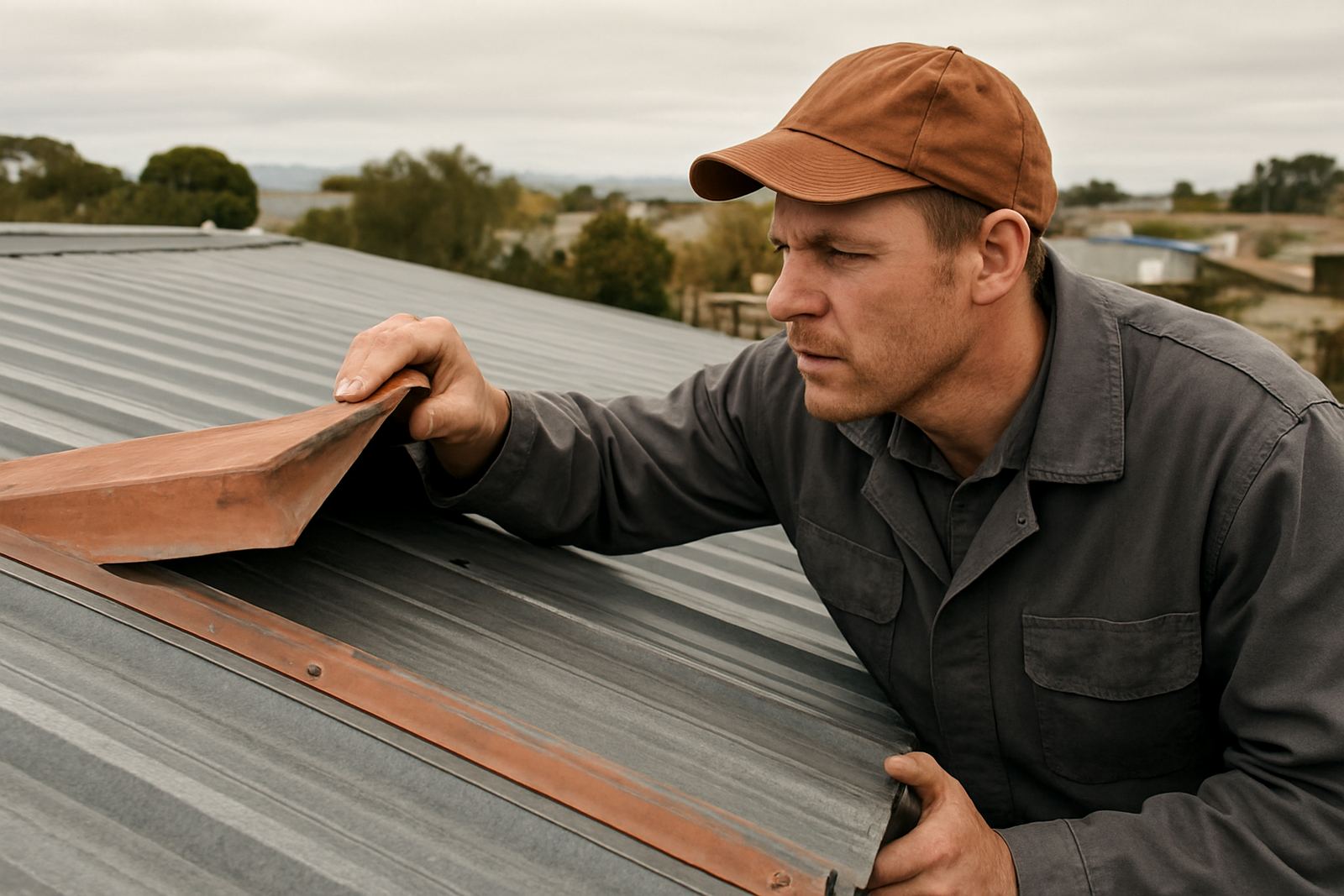
Many leak repairs start with a flashing that was shortened, bent wrong, or fitted without enough cover. We often find leaks around chimneys, parapets, skylights and roof-to-wall junctions where water tracks further than expected. In coastal conditions, even a small opening can cause staining, rust and damp ceiling boards after one wet week.
When we inspect a roof, we look at the fall, the fixings, the sheet laps and the points where water changes direction. That includes checking whether old sealant has cracked, whether a valley is blocked, and whether one side of the roof has more lift from wind than the other. It sounds simple, but it saves a lot of trouble.
Gutters, Downpipes And Rain Water Control
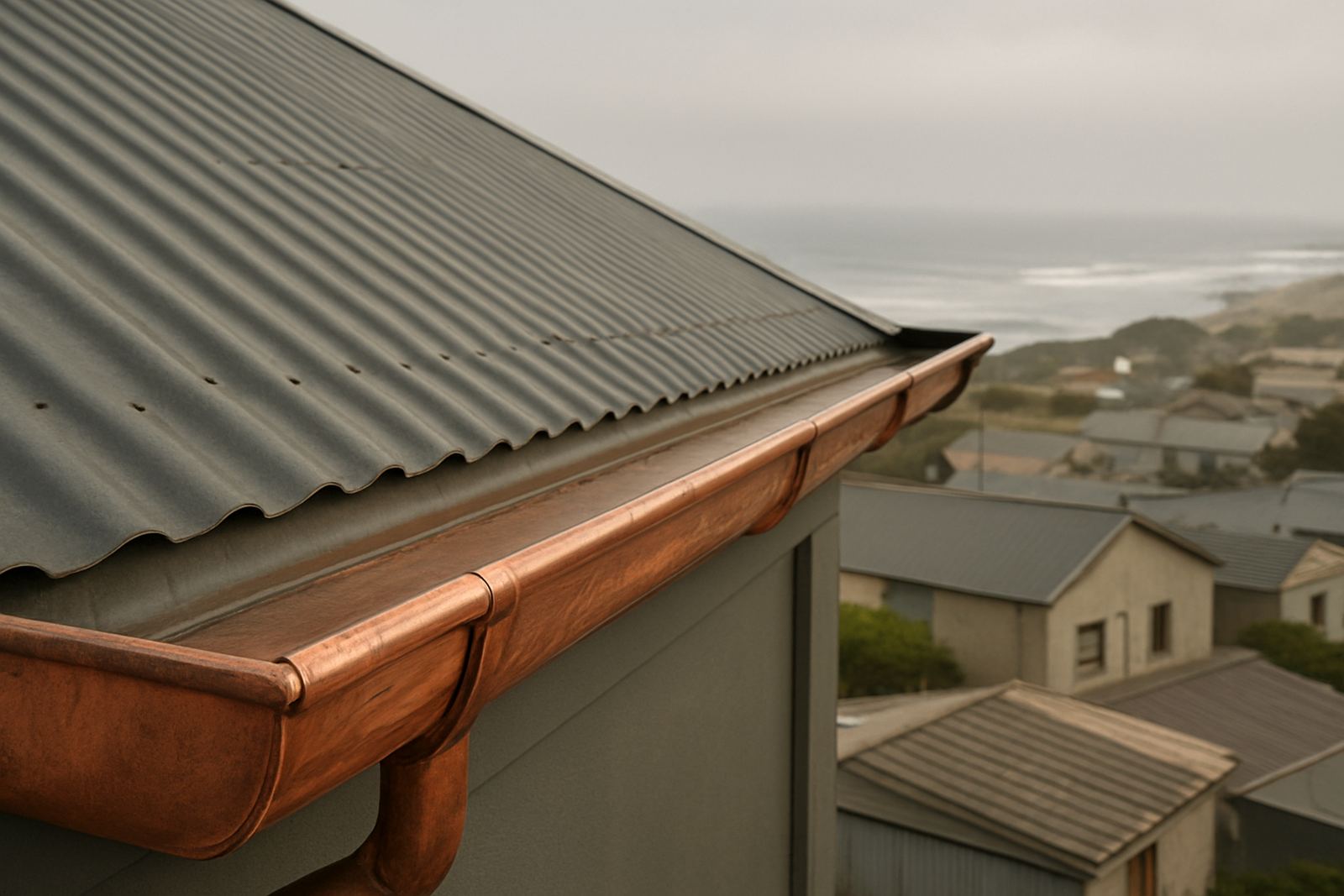
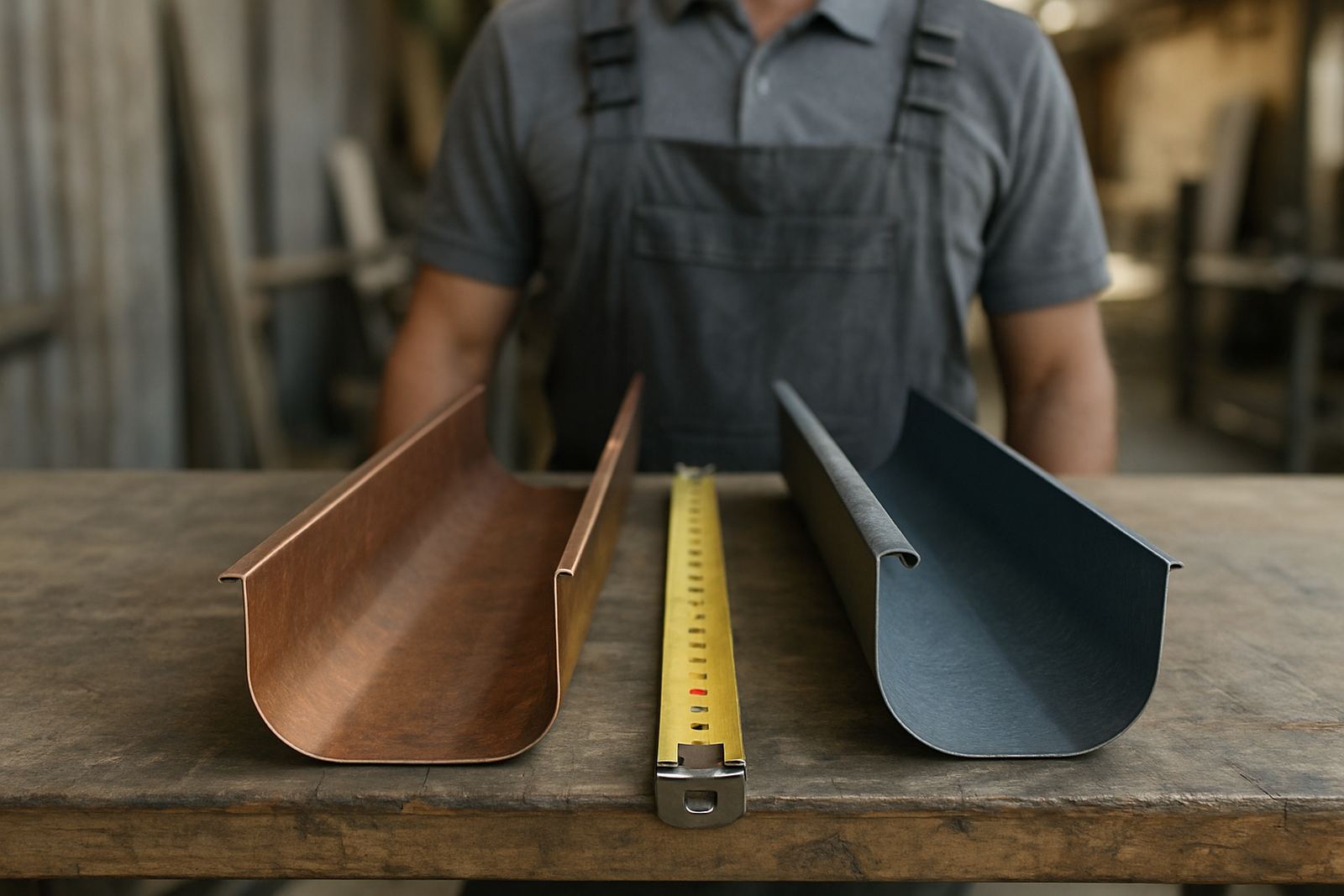
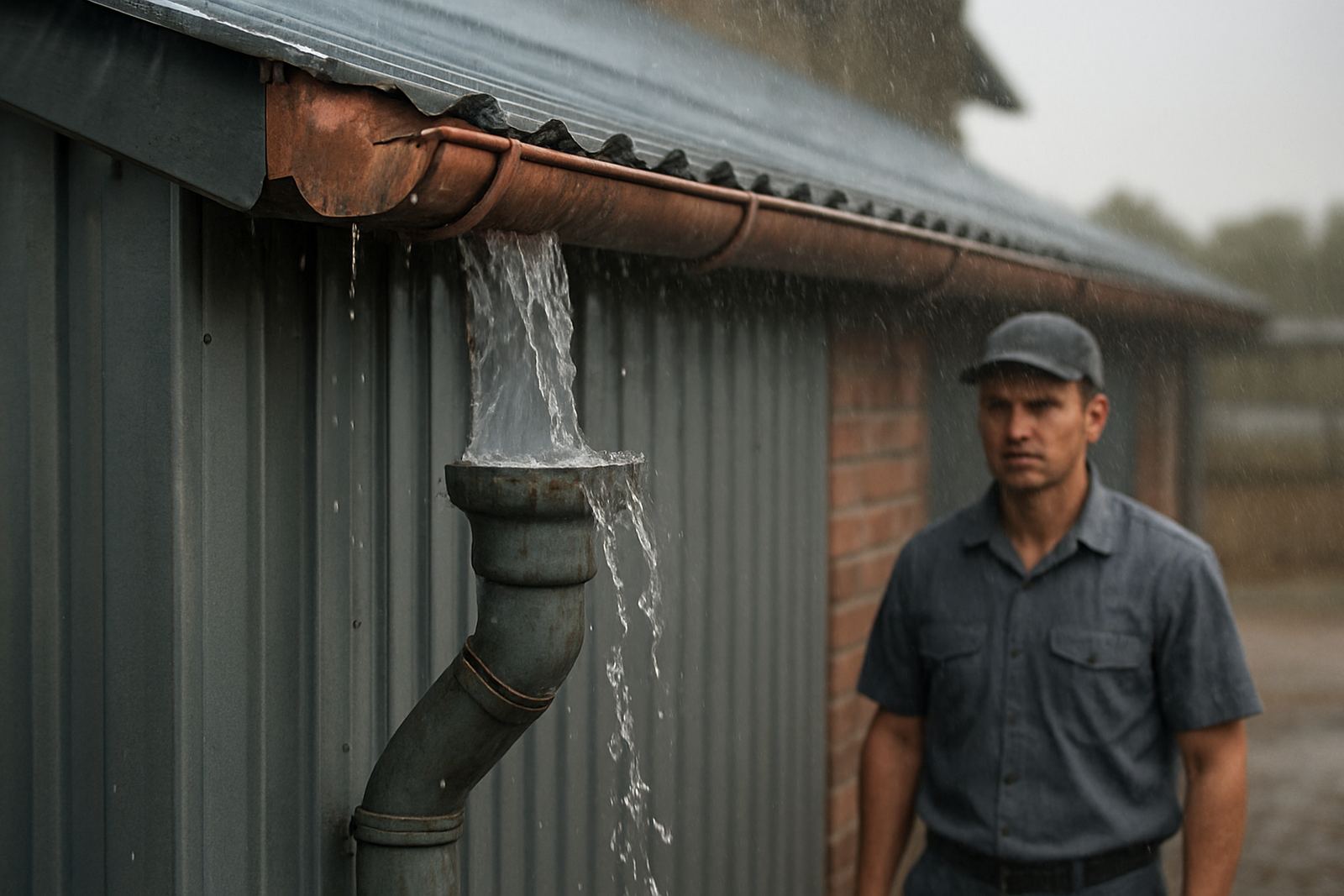
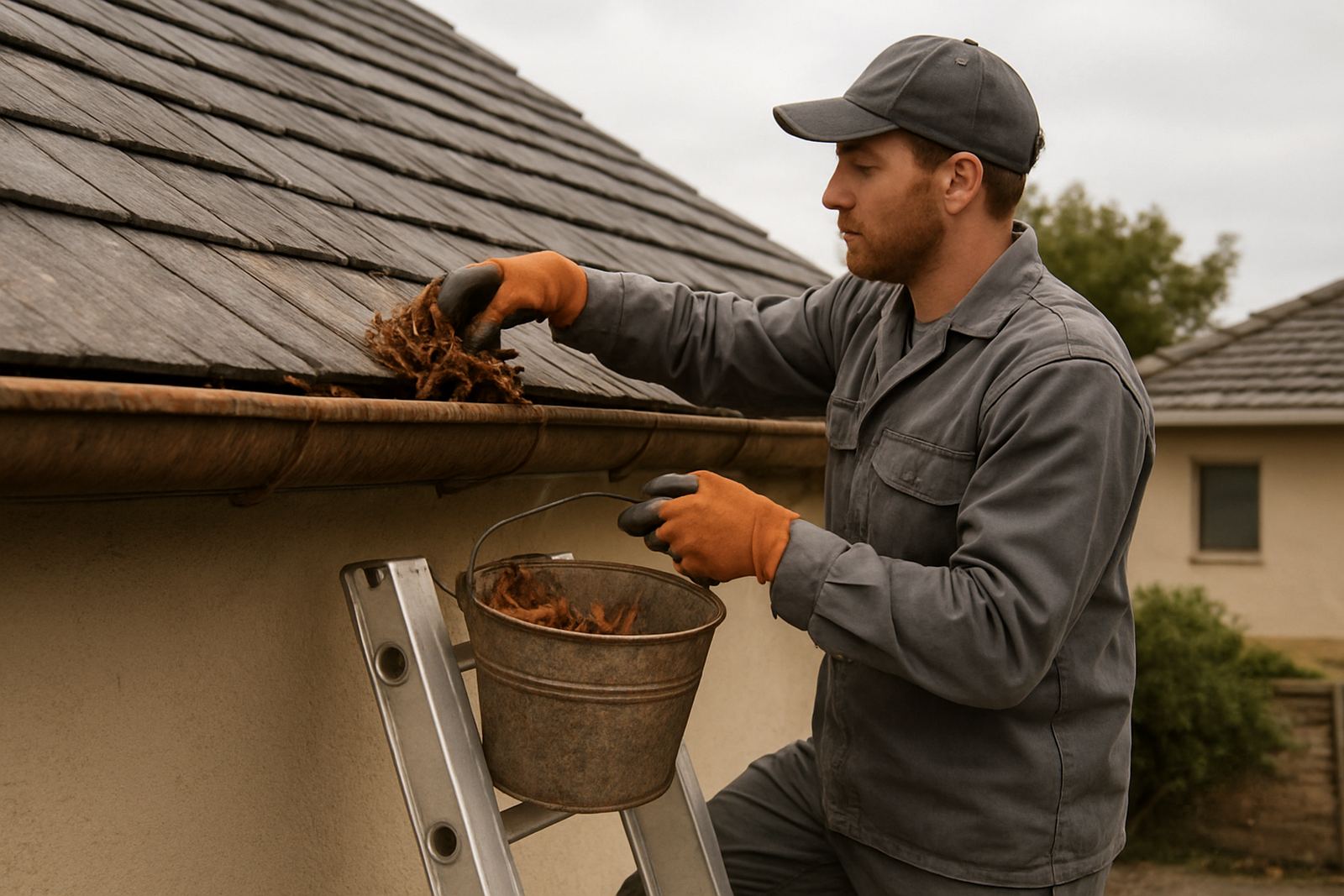
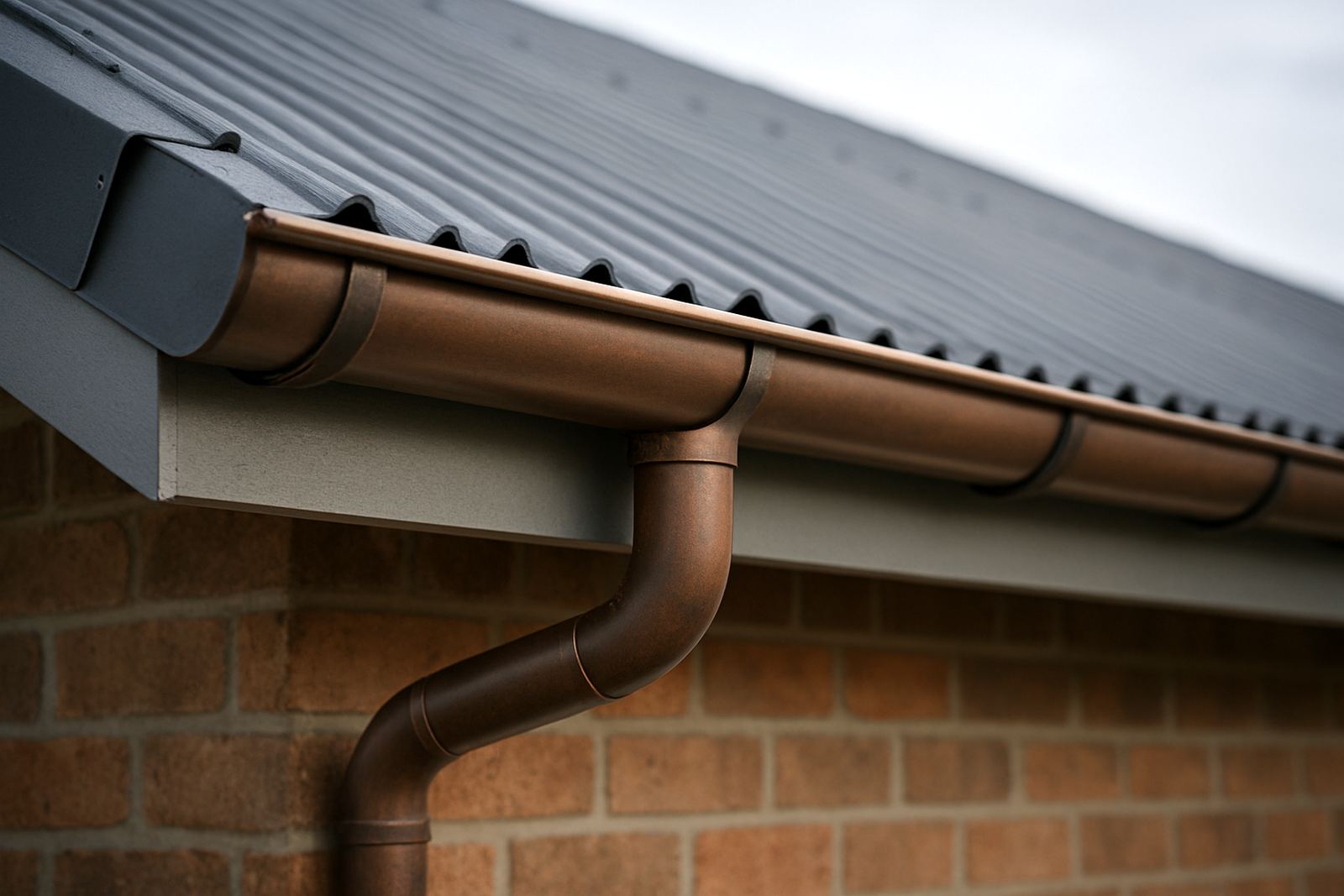
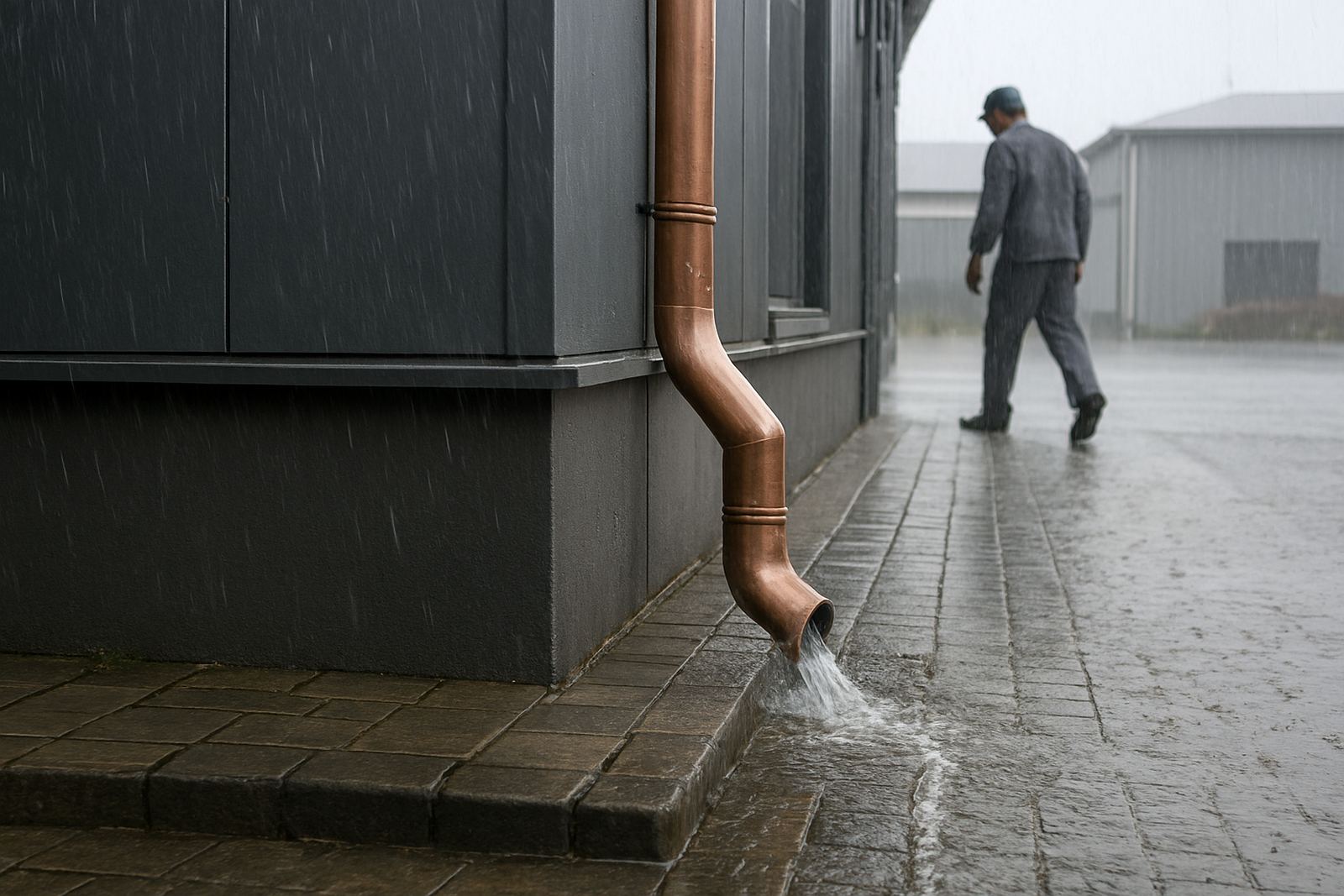
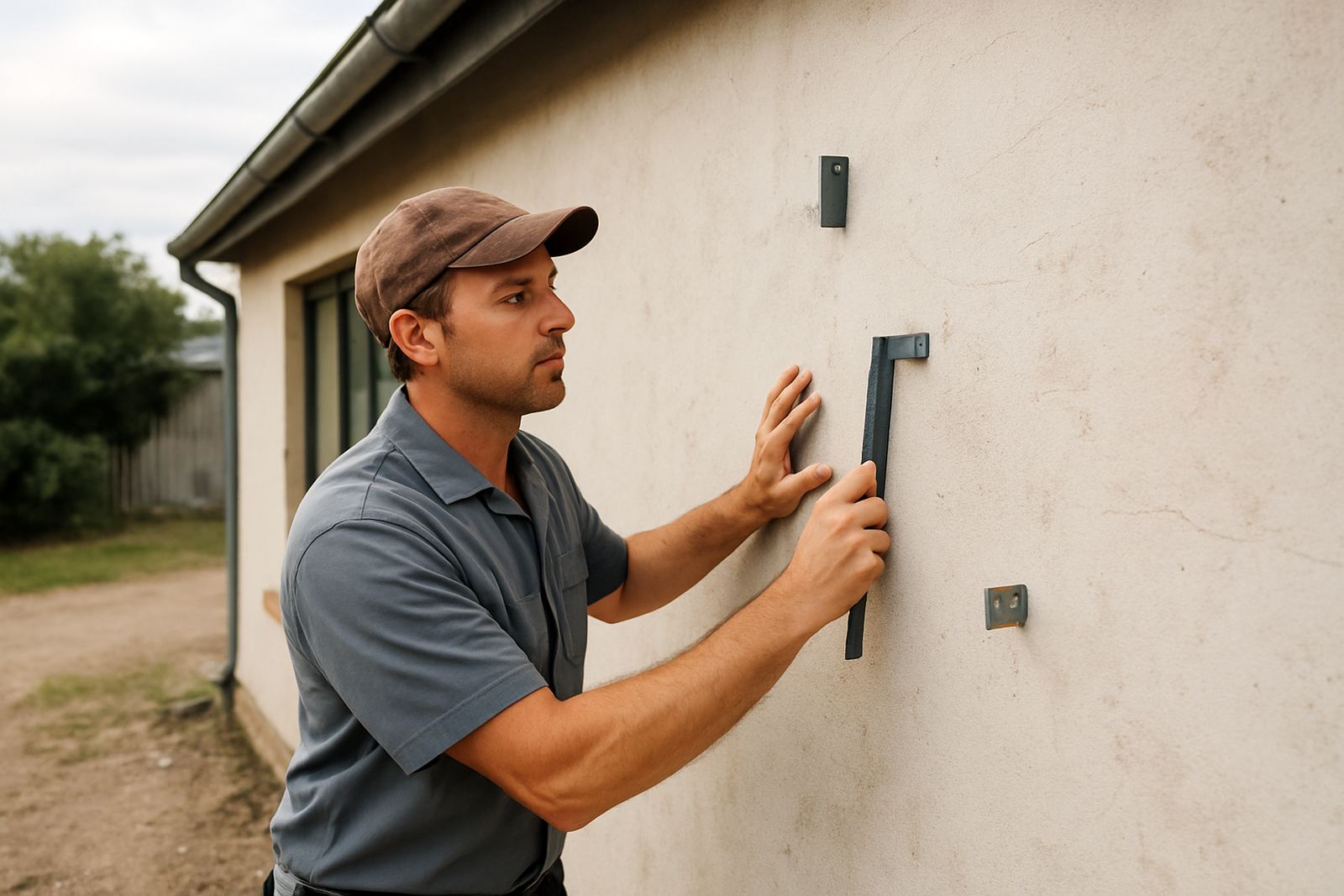
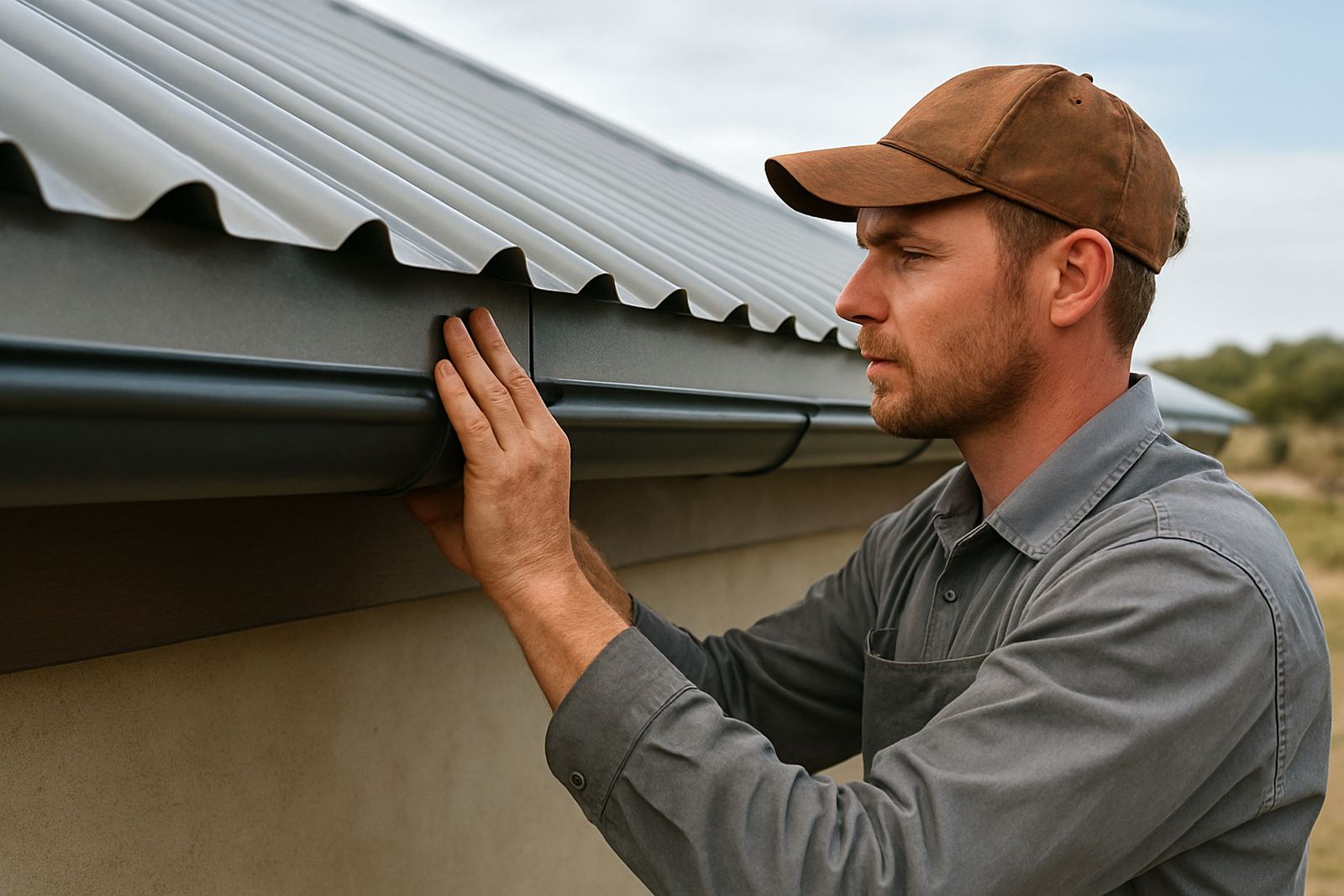
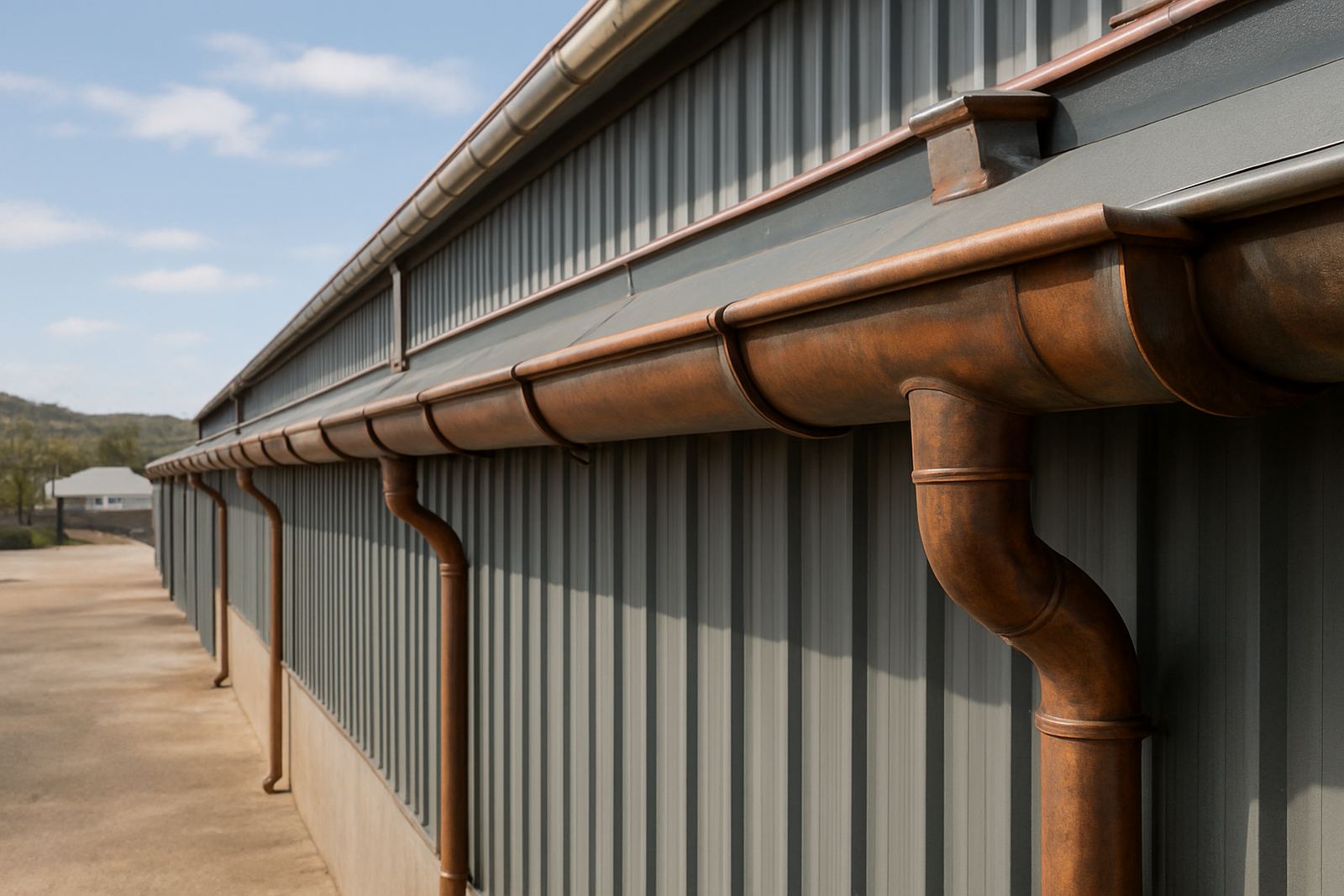
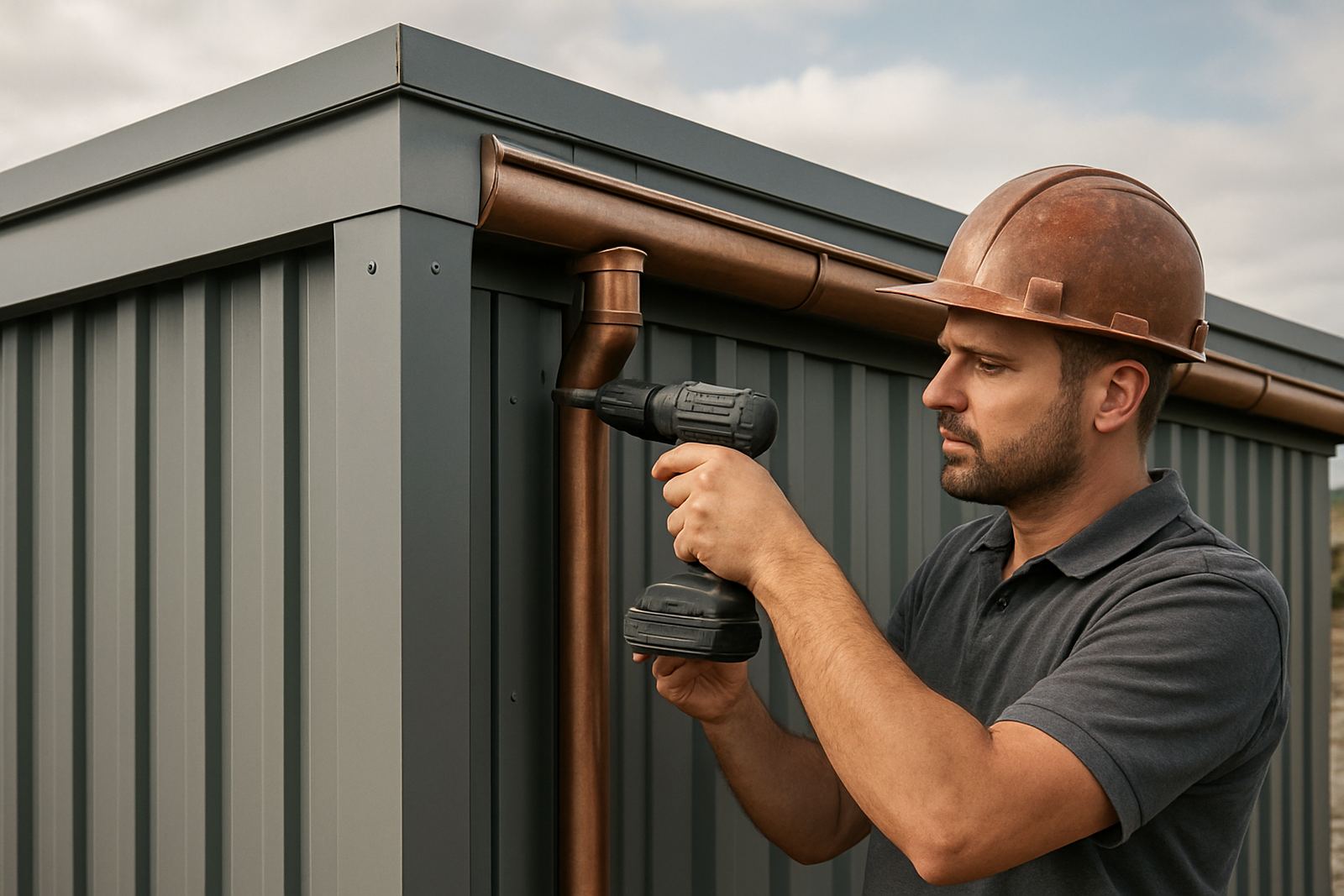
Gutters are often treated as a small part of the job, yet they have a direct effect on walls, paving and foundations. In Mossel Bay and the surrounding towns, we see gutters fill with sand, leaves and roofing debris after wind. If the brackets are spaced too far apart or the fall is poor, water sits in the line and starts to overflow at the joins.
- Match gutter size to the roof area and rainfall pattern.
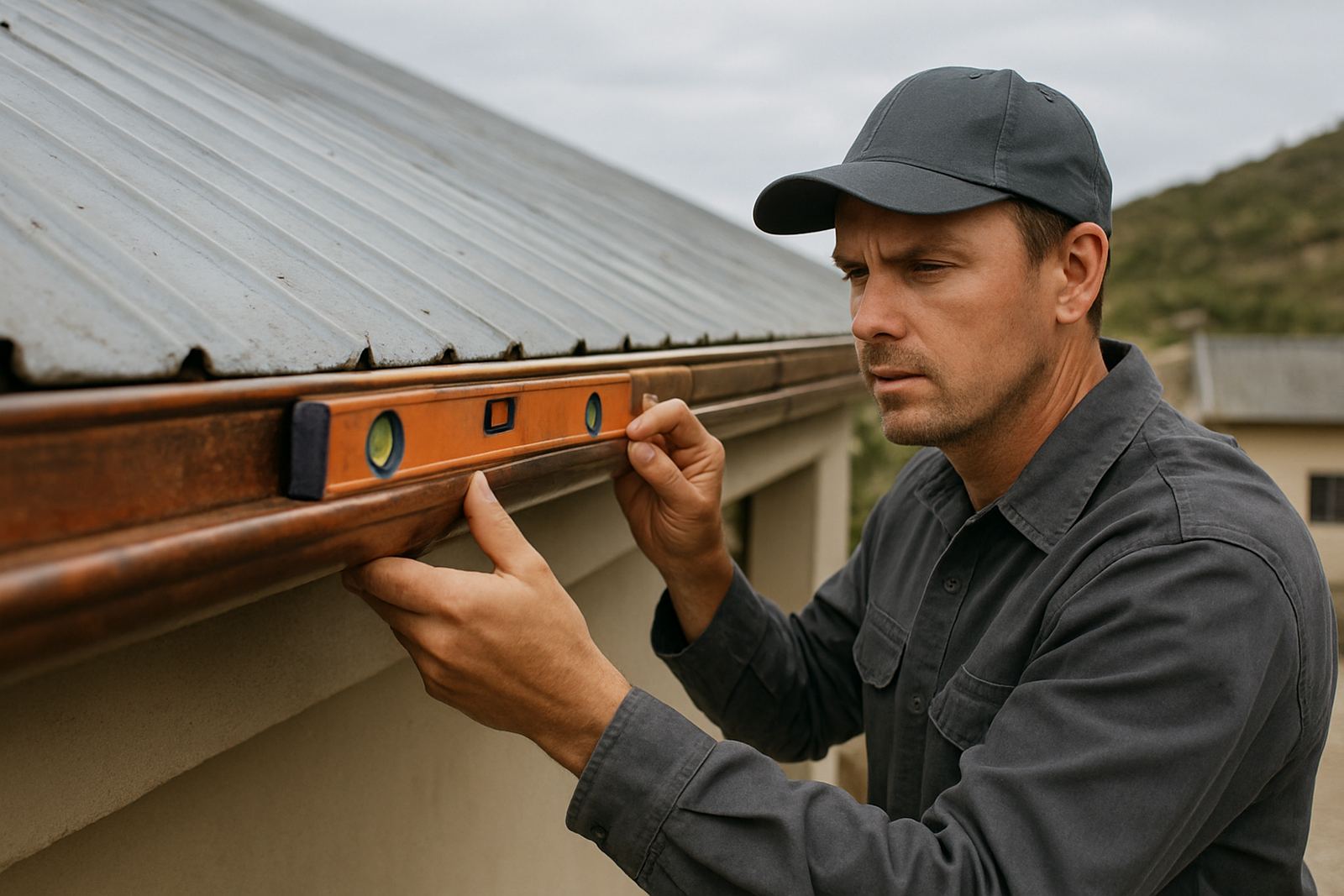
- Set the fall so water moves cleanly to the downpipe.
- Use proper outlets and end stops, not quick fixes that trap dirt.
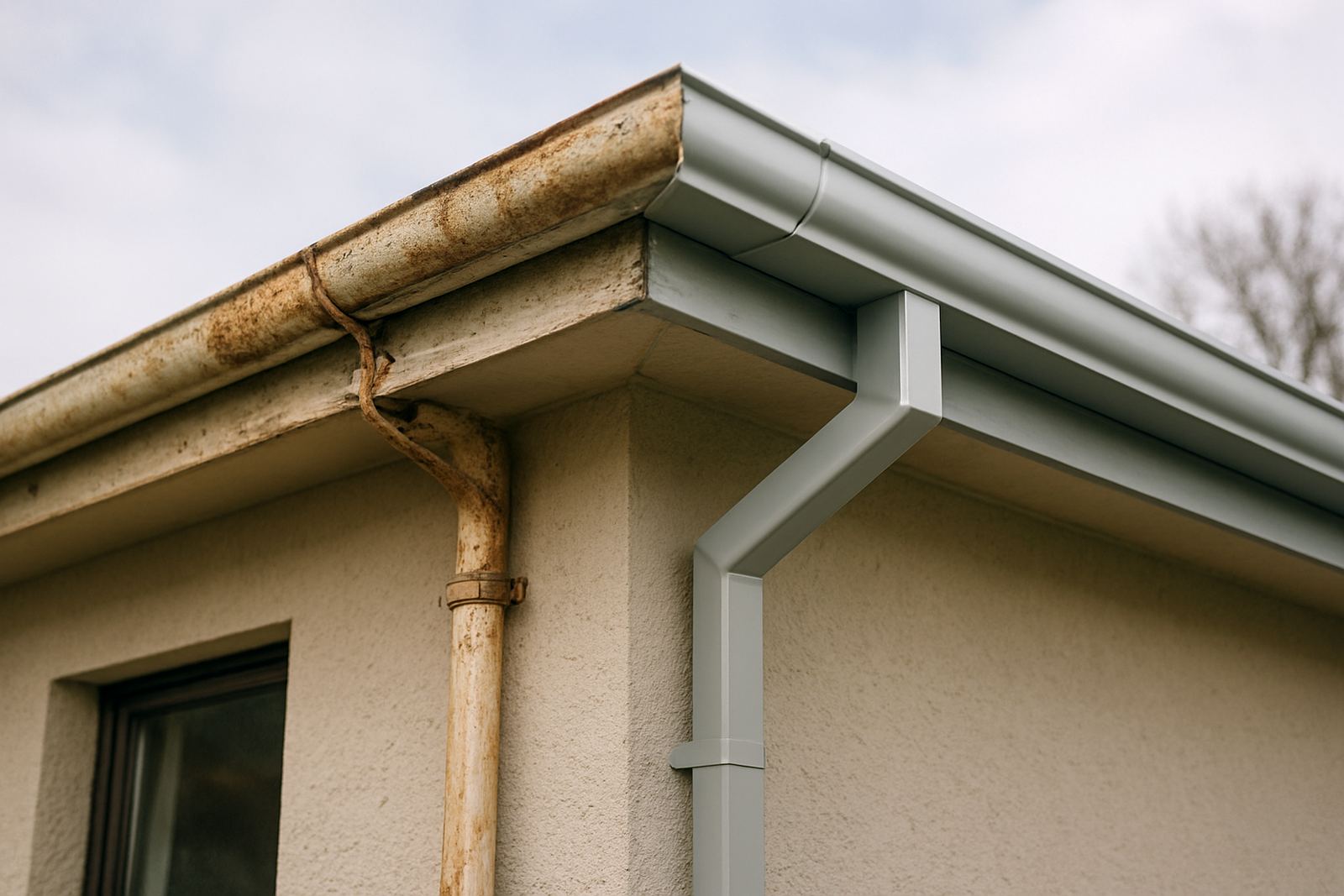
- Check for rust at old joints, especially where salt air is stronger.
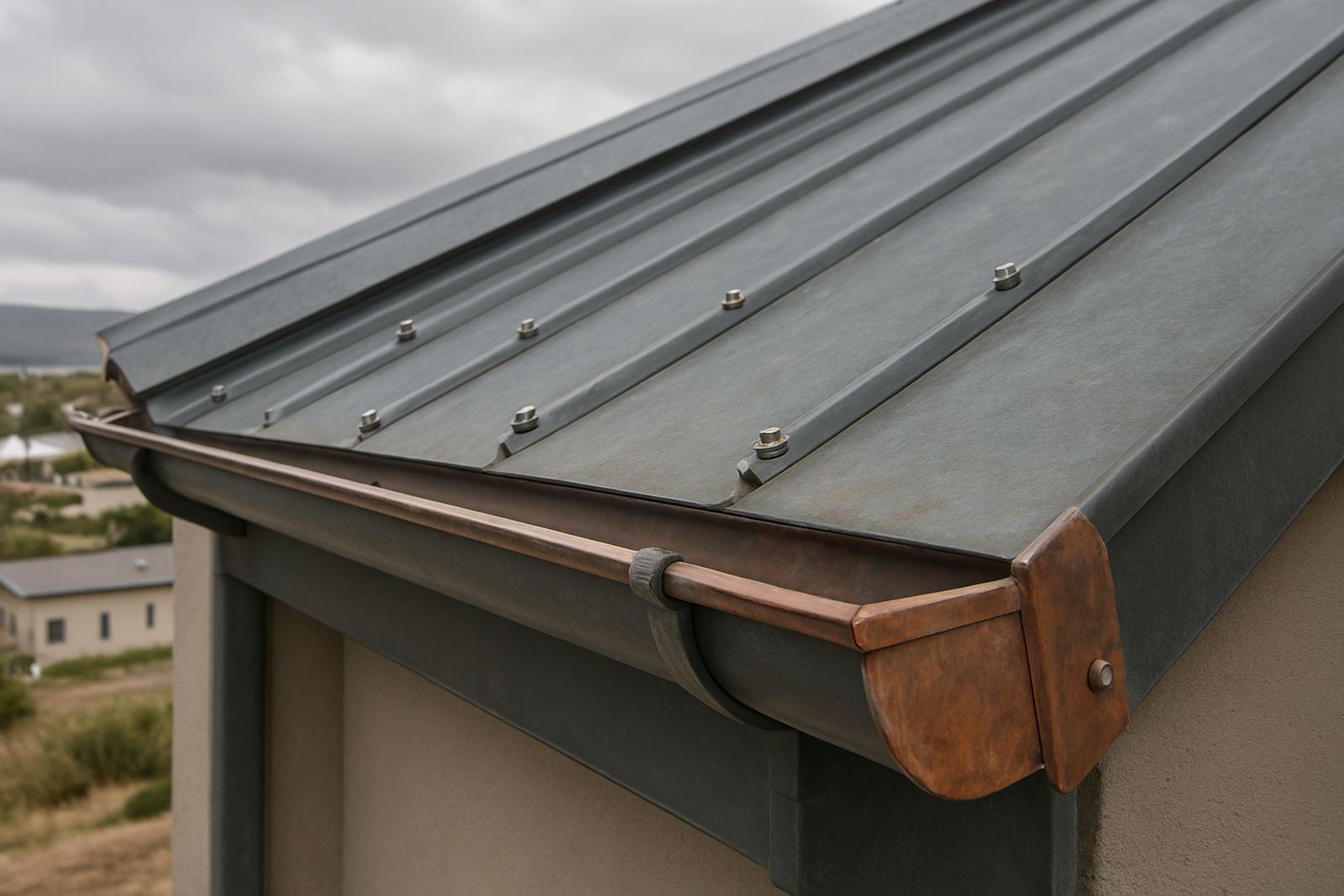
For gutter fabrication and replacement, the site diary helps explain why one property needs a standard repair and another needs a full rerun of the line.
Steel Frames, Carports And What We Check On Site
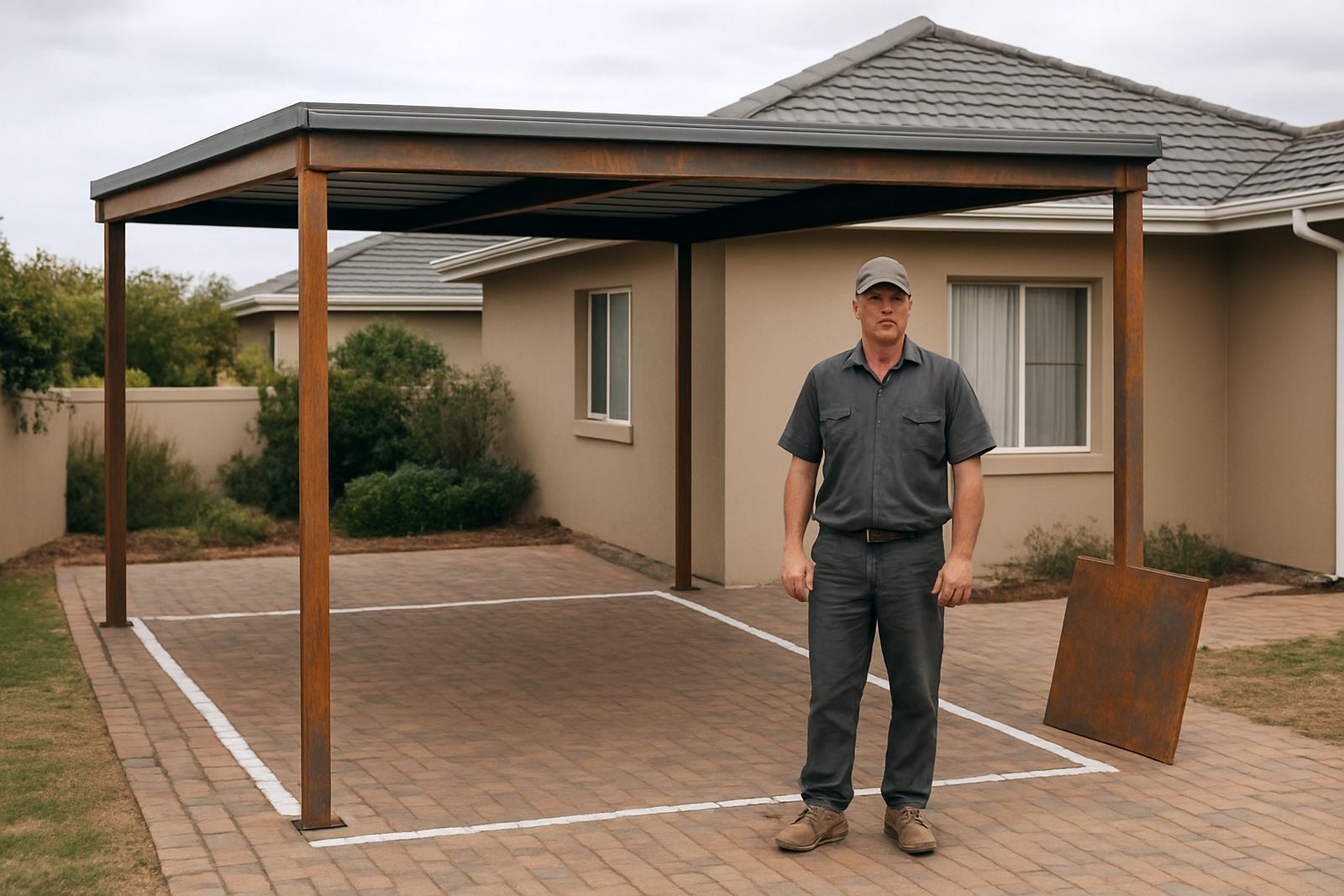
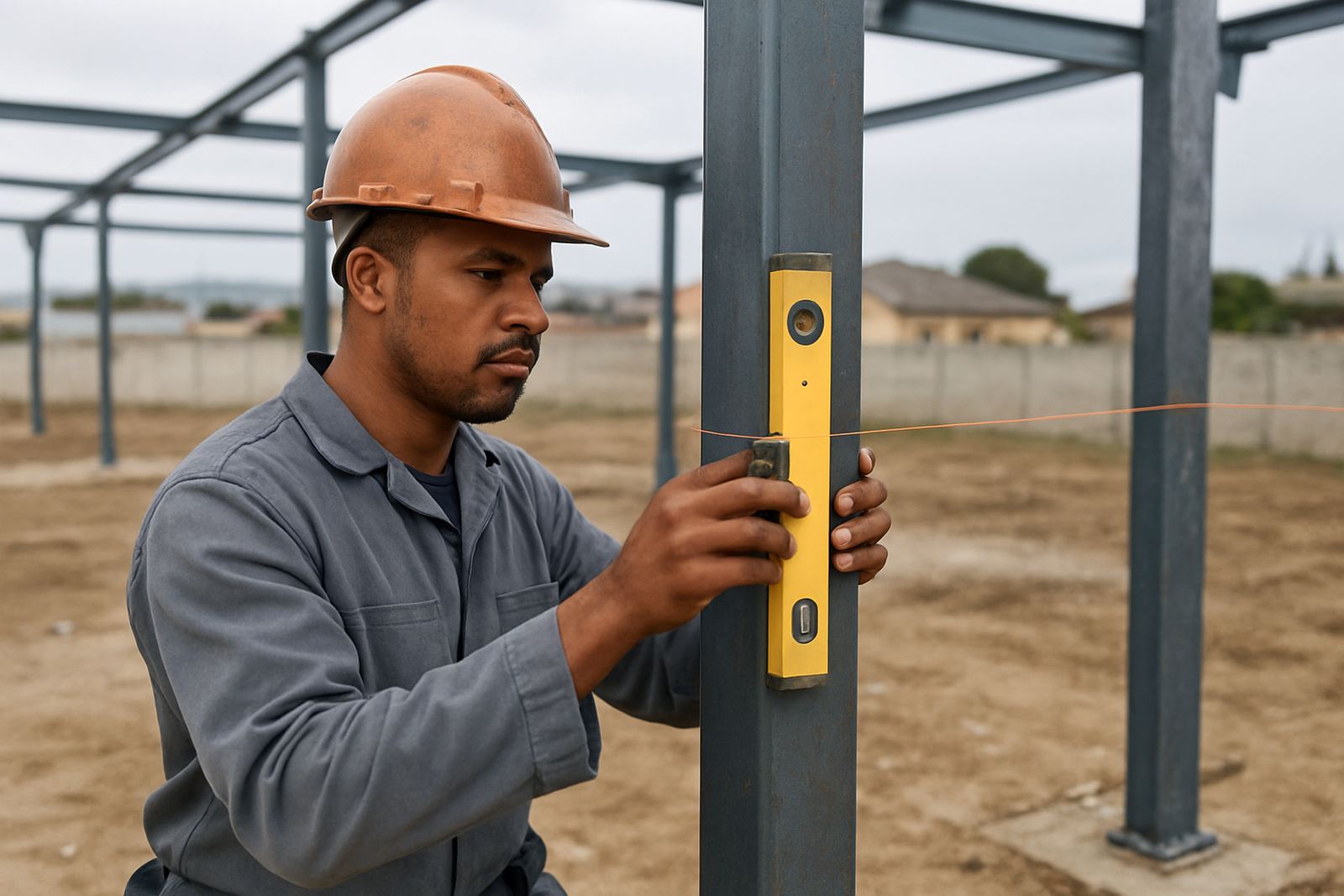
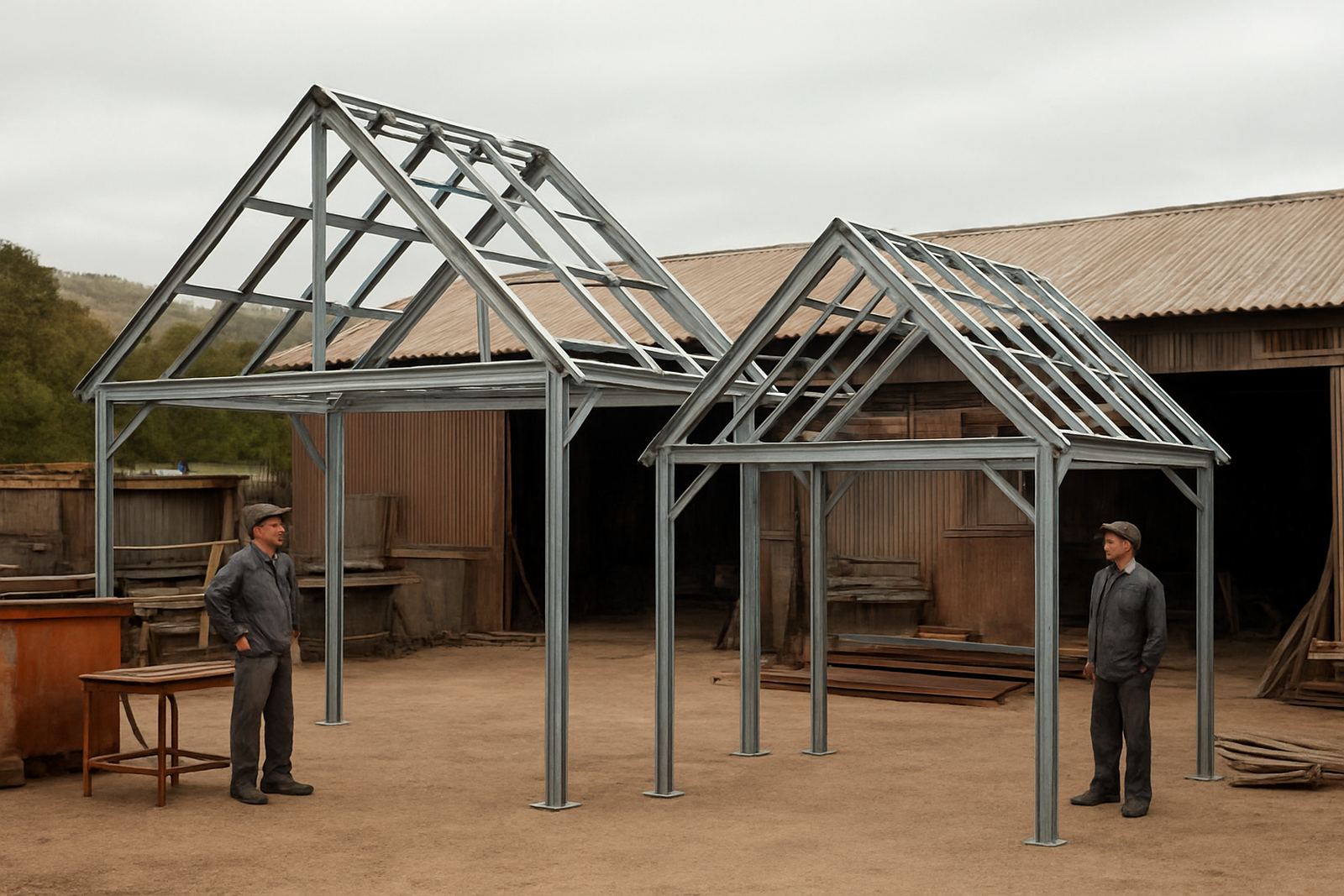
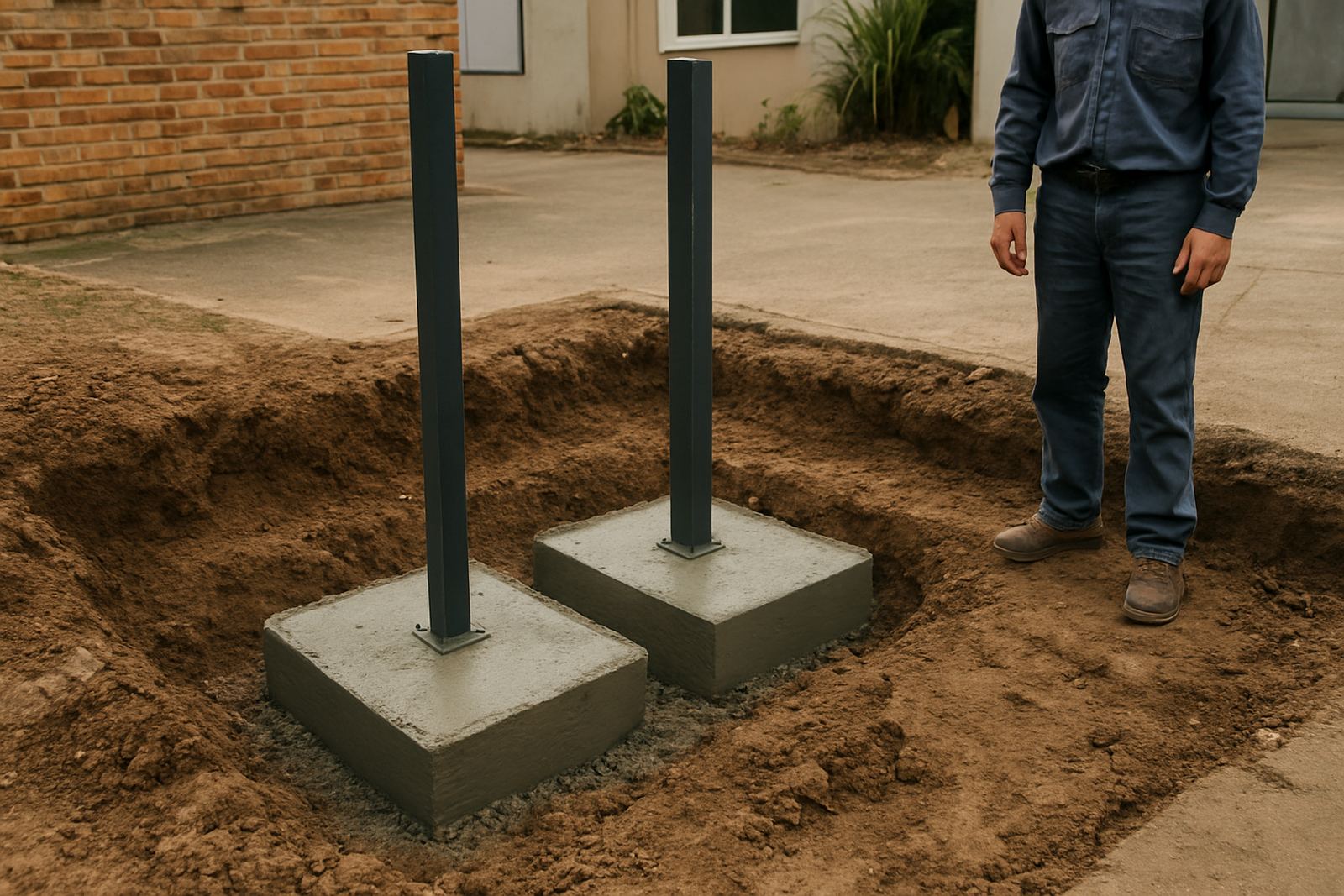
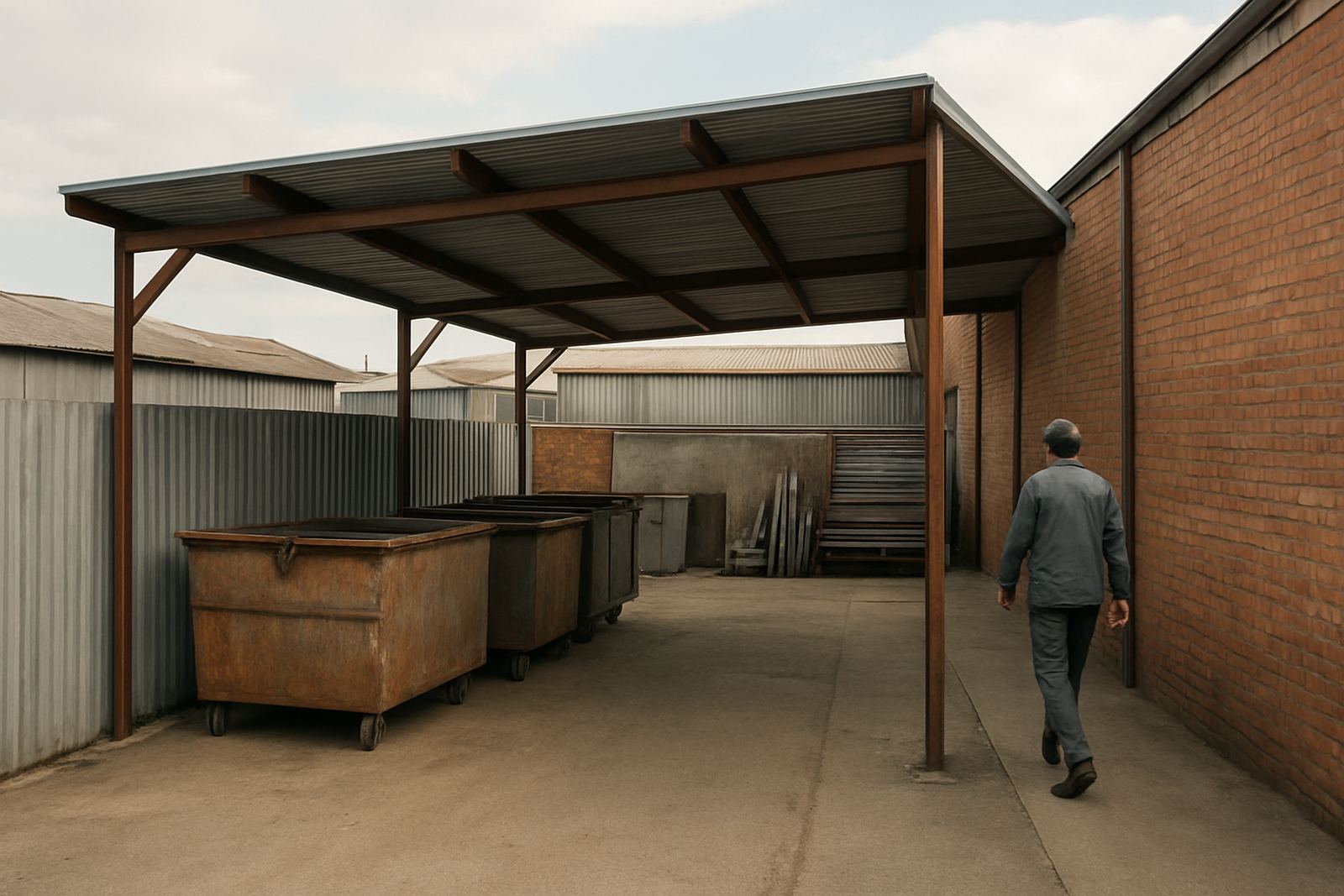
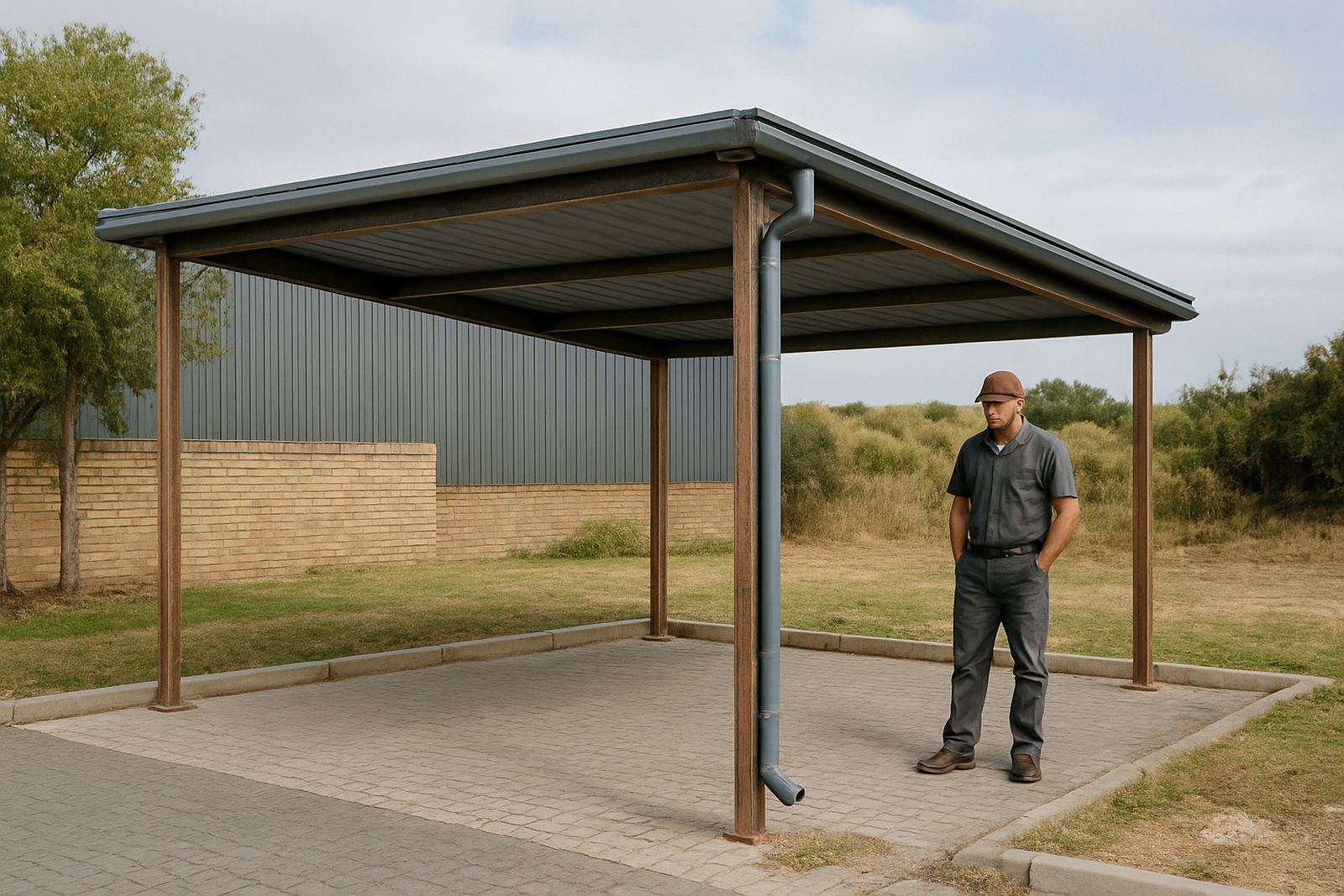
Steel frame erection and carport installation both need careful setting out before any final fixing is done. We measure the base lines, check levels and make sure the structure sits where it should, especially on sloped ground or where paving has already been laid. A frame that is only a few millimetres out can make cladding hard to finish neatly later on.
On local sites, we also keep an eye on municipal expectations, access routes and the way storm water moves around the structure. If a carport drains onto a neighbour’s side or blocks a service hatch, it creates problems that could have been avoided with better planning from the start.
Why Maintenance Inspections Save Time And Money
Maintenance inspections are useful for landlords, body corporates, factories and homeowners who want to avoid surprise repairs. We look for loose sheets, lifted flashings, broken fasteners, rust at cut edges and signs of movement at steel joints. Catching these things early means less damage during heavy rain and less disruption when a site is busy.
In our diary entries we also note what was repaired, what should be watched, and whether a follow-up visit makes sense. That is especially helpful for managers with more than one property, because it gives a record of what has changed and what still needs attention.
Local Work In Gouriqua Park And Across The Southern Cape
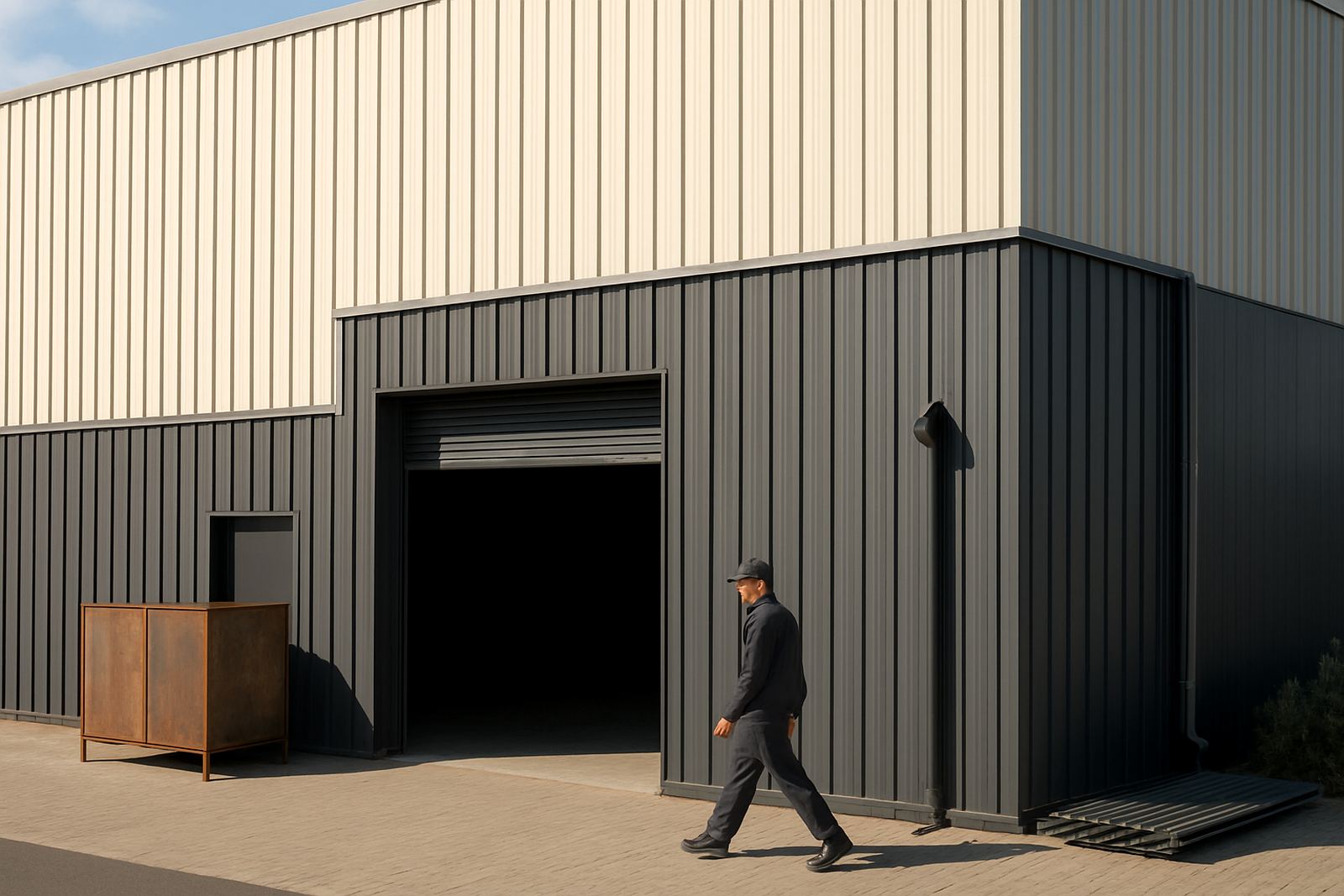
Our base in Gouriqua Park, Mossel Bay keeps us close to residential, commercial and light industrial work across the southern Cape. We regularly move between Mossel Bay, Hartenbos, Great Brak River, George, Wilderness and Sedgefield, so the diary reflects real local conditions rather than general advice.
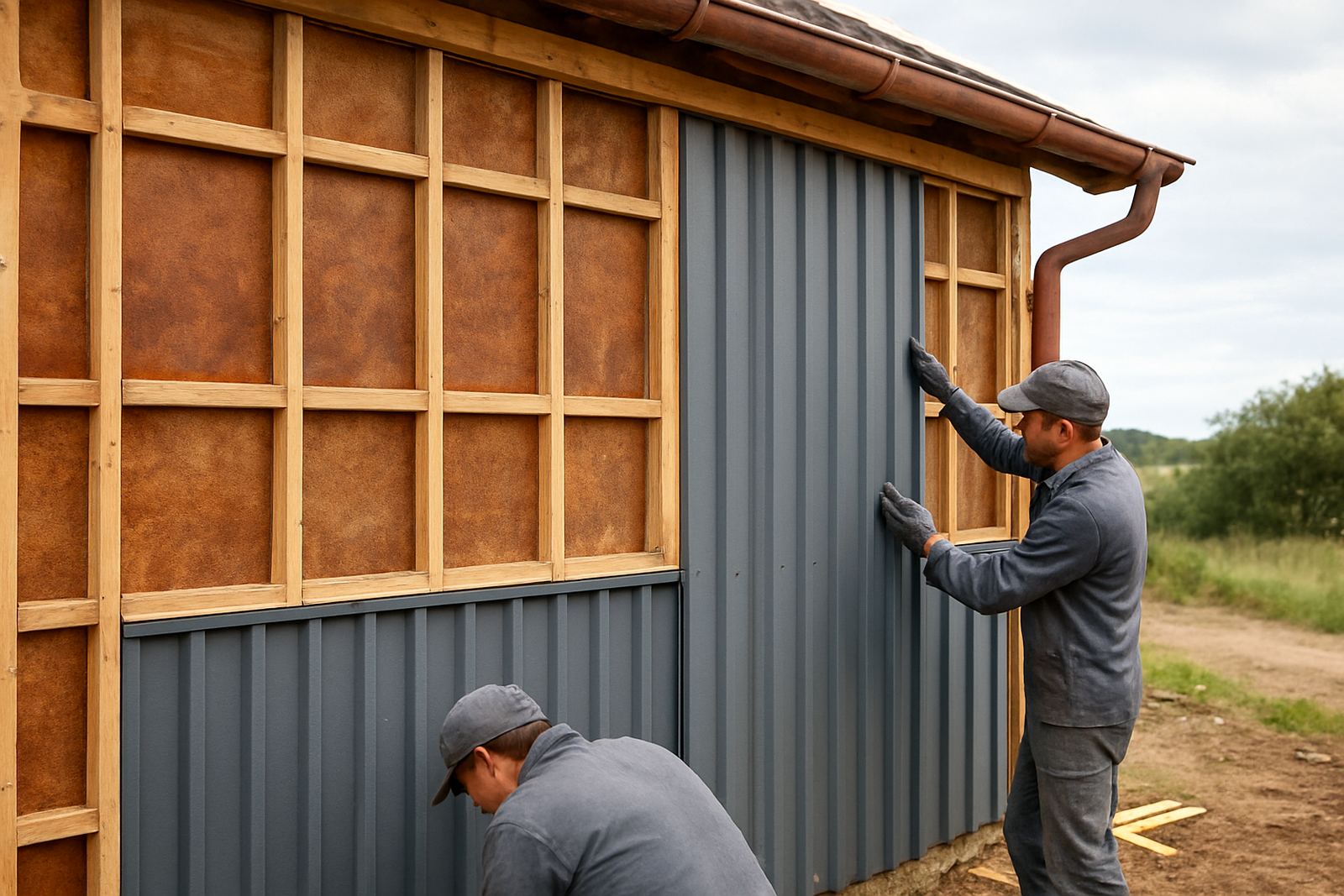
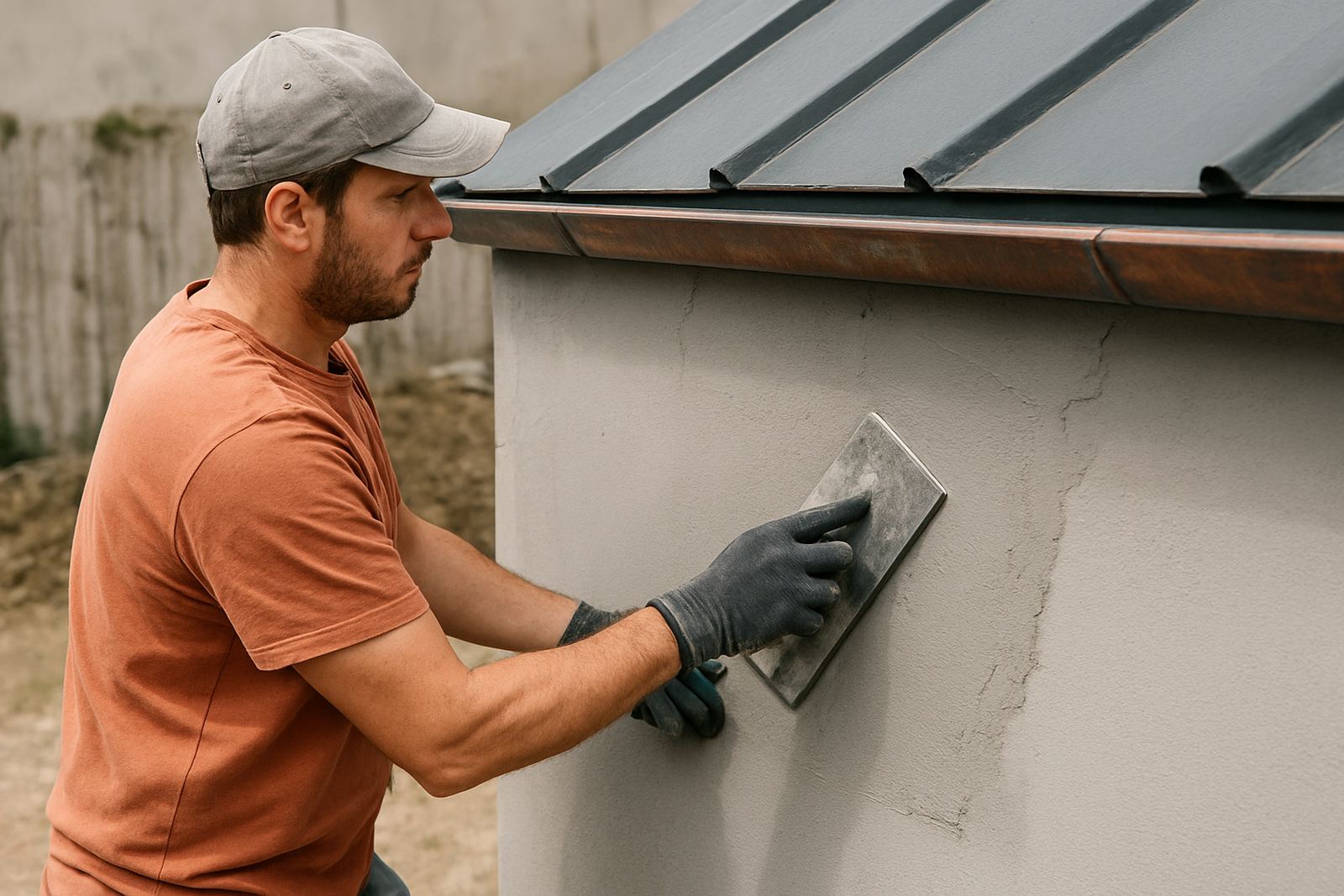
If you are comparing options for cladding, gutters, flashings, roof repairs or steel structures, the entries here will give you a fair idea of what the job involves and where the detail matters. It is a practical place to start before asking for site measuring or a quote from our team.
- Planning a new build or add-on structure.
- Repairing leaks, rust or storm damage.
- Replacing gutters or upgrading roof drainage.
- Choosing cladding and flashings for a coastal site.