

How to choose the right roofing guide for your job
Start with the problem you are trying to solve. A new carport needs different advice to a leaking factory roof, and a coastal home in Gouriqua Park will need more attention to corrosion, fixing detail and water run-off than an inland store room. Our guides group the main decisions so you can work out what suits the building before you ask for a quote.
As you read, look at span, slope, wind exposure and the condition of the existing structure. In the southern Cape we also deal with heavy rain, salt air and strong gusts, so a good roofing choice is not only about price. It is about how the roof will hold up through winter, how it will be maintained and whether it meets local expectations for drainage and safe fixing.
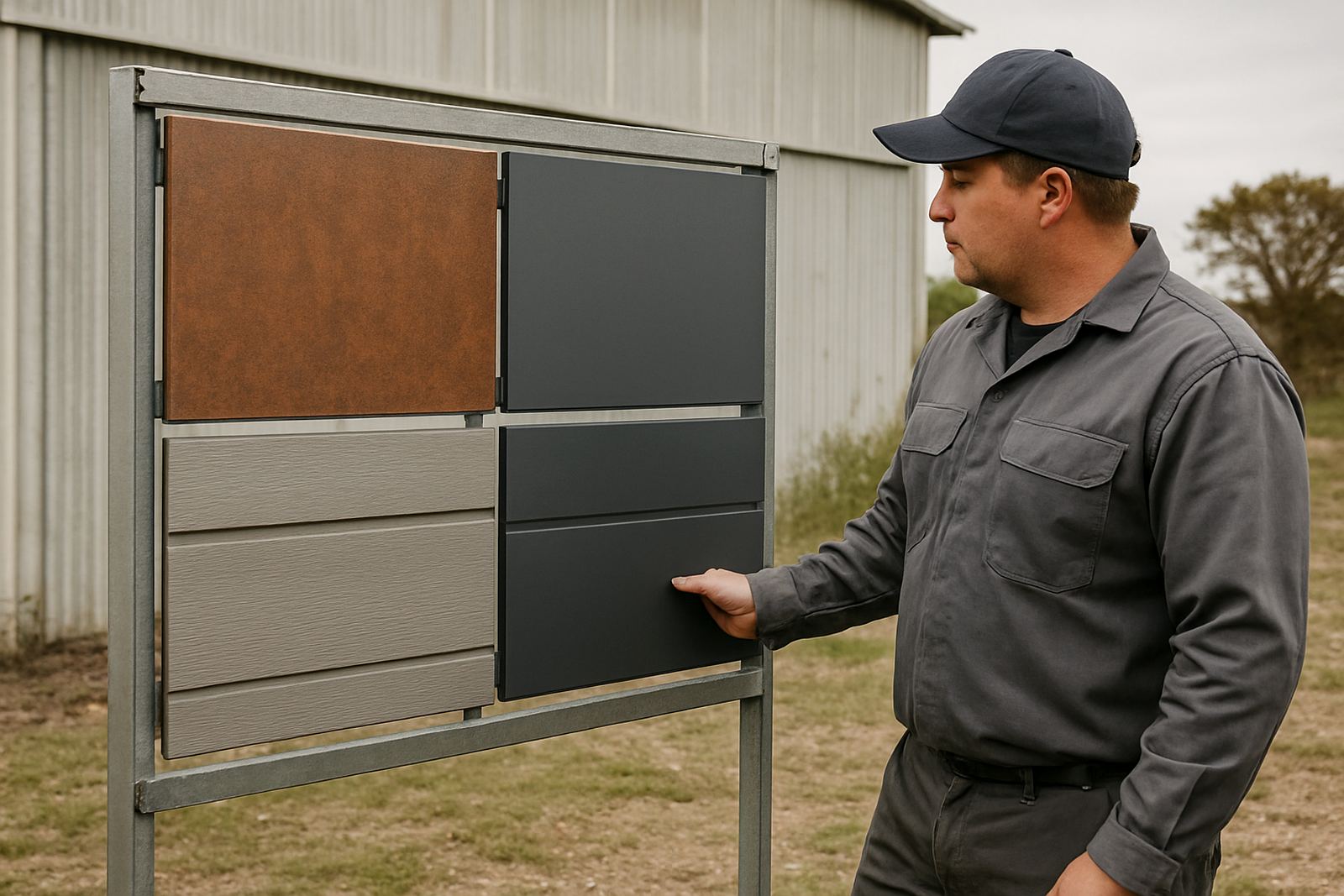
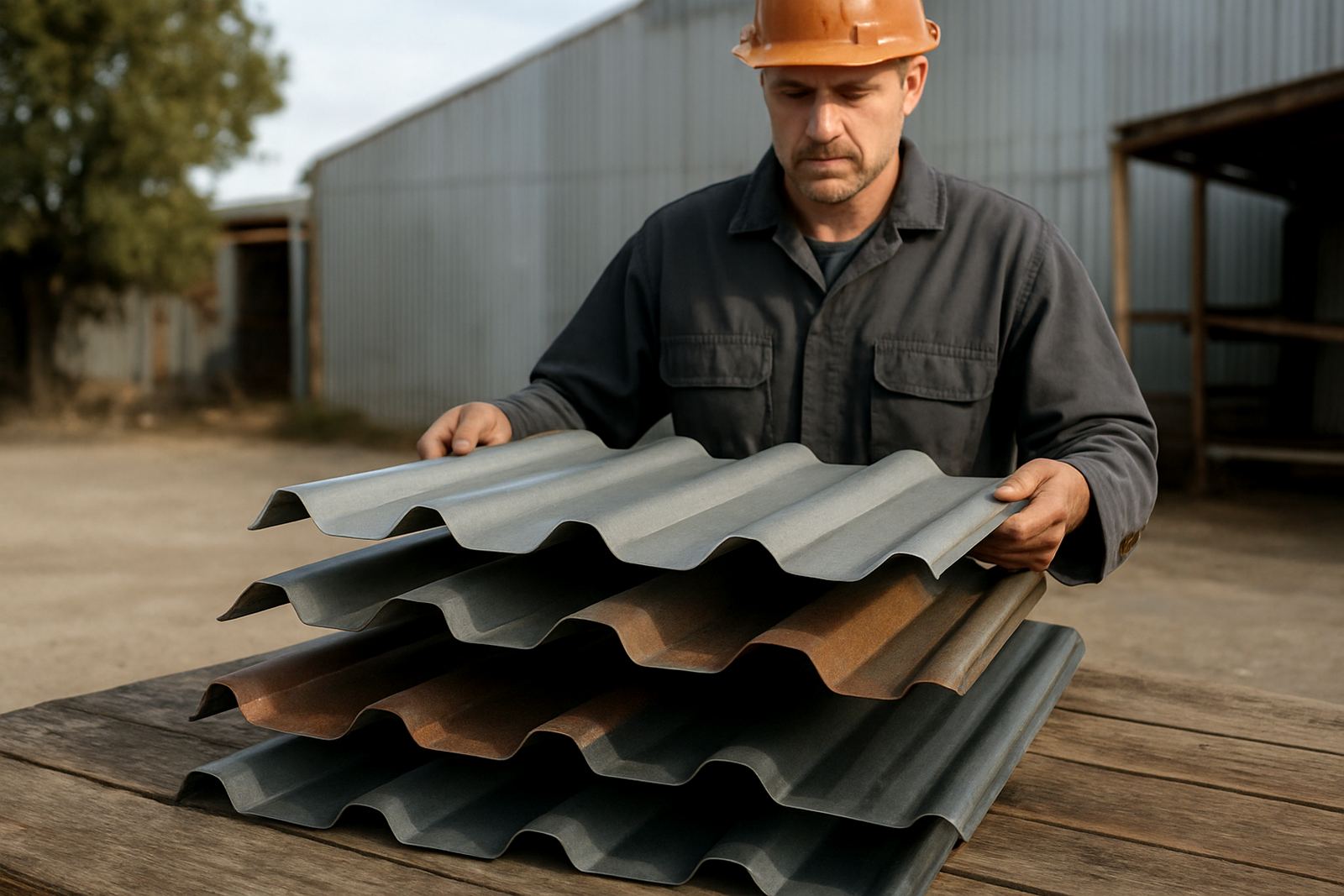
Steel roof sheets, wall cladding and where each one fits
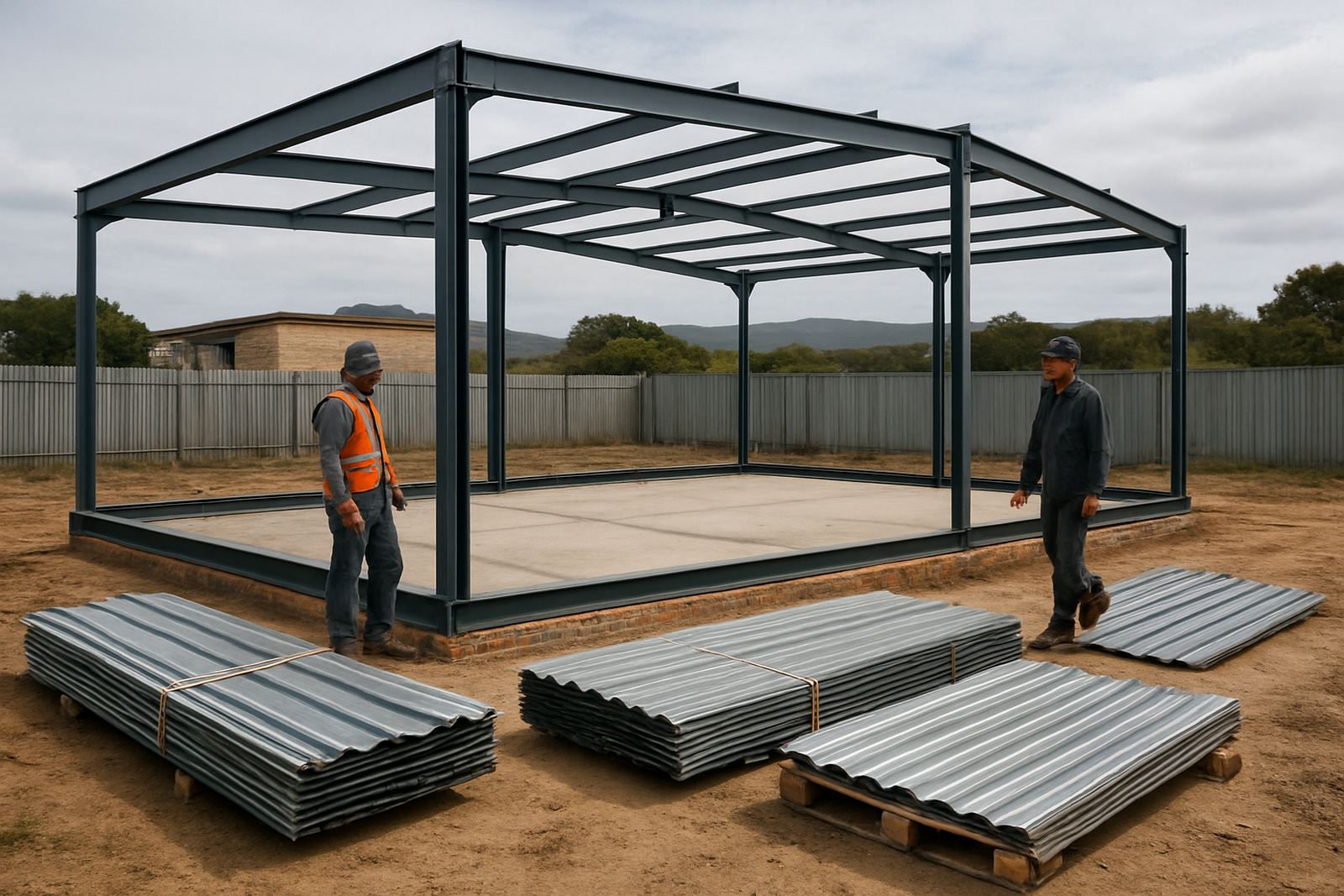
Roof sheets and wall cladding are often discussed together because the same job can need both. Roof sheeting is chosen for water shedding, fixing pattern and the span it must carry. Wall cladding is about weather protection, neat closure around corners and how the finish works with the rest of the building. On light industrial buildings and workshops, the right combination can reduce maintenance and keep the inside drier during coastal rain.
- Choose roofing guidance when the roof shape, pitch or leak problem is the main concern.
- Choose cladding guidance when the walls need weather cover, side protection or a cleaner finish.
- Choose both when you are planning a new steel building or upgrading an older structure.
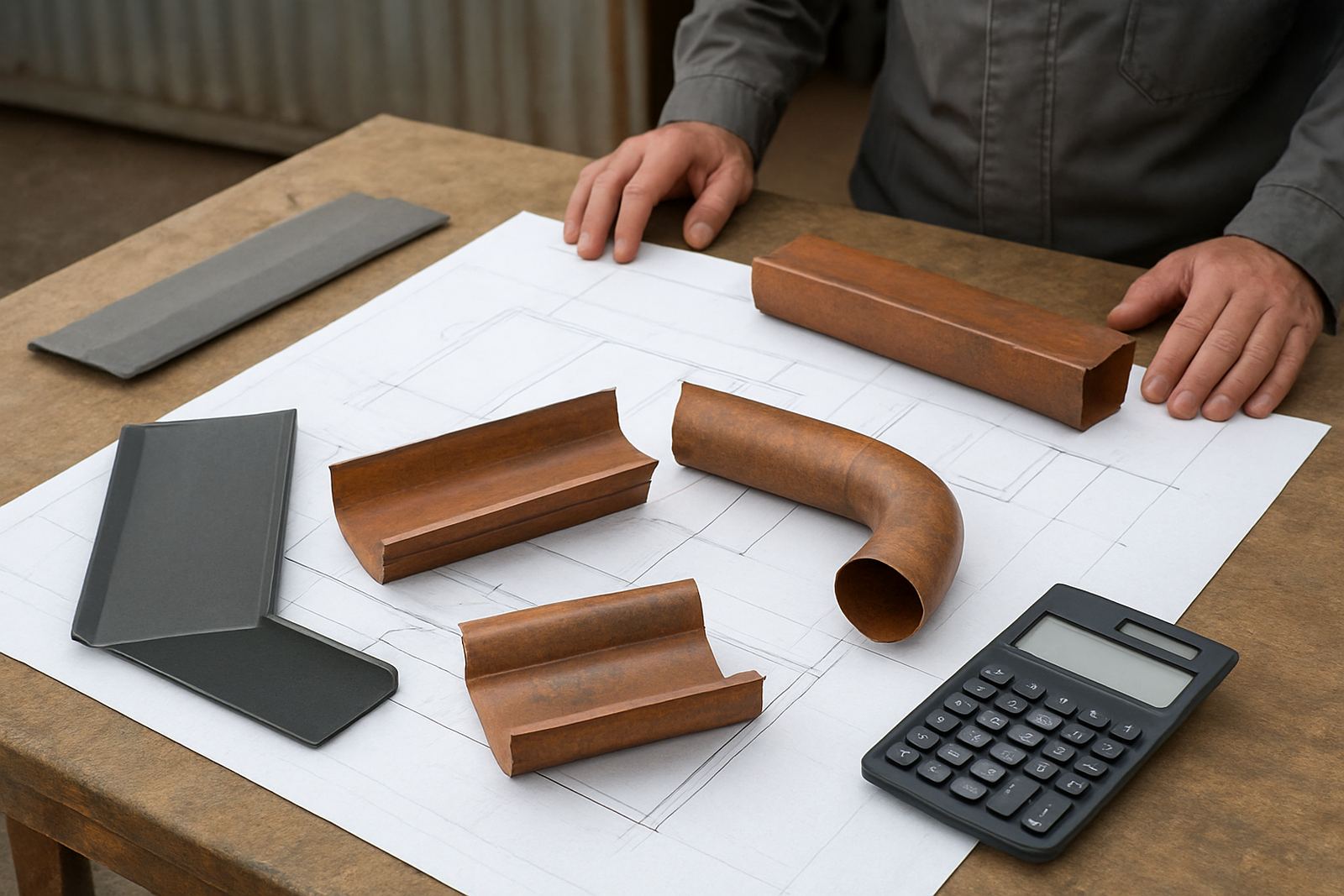
Gutters, flashings and the parts that stop leaks
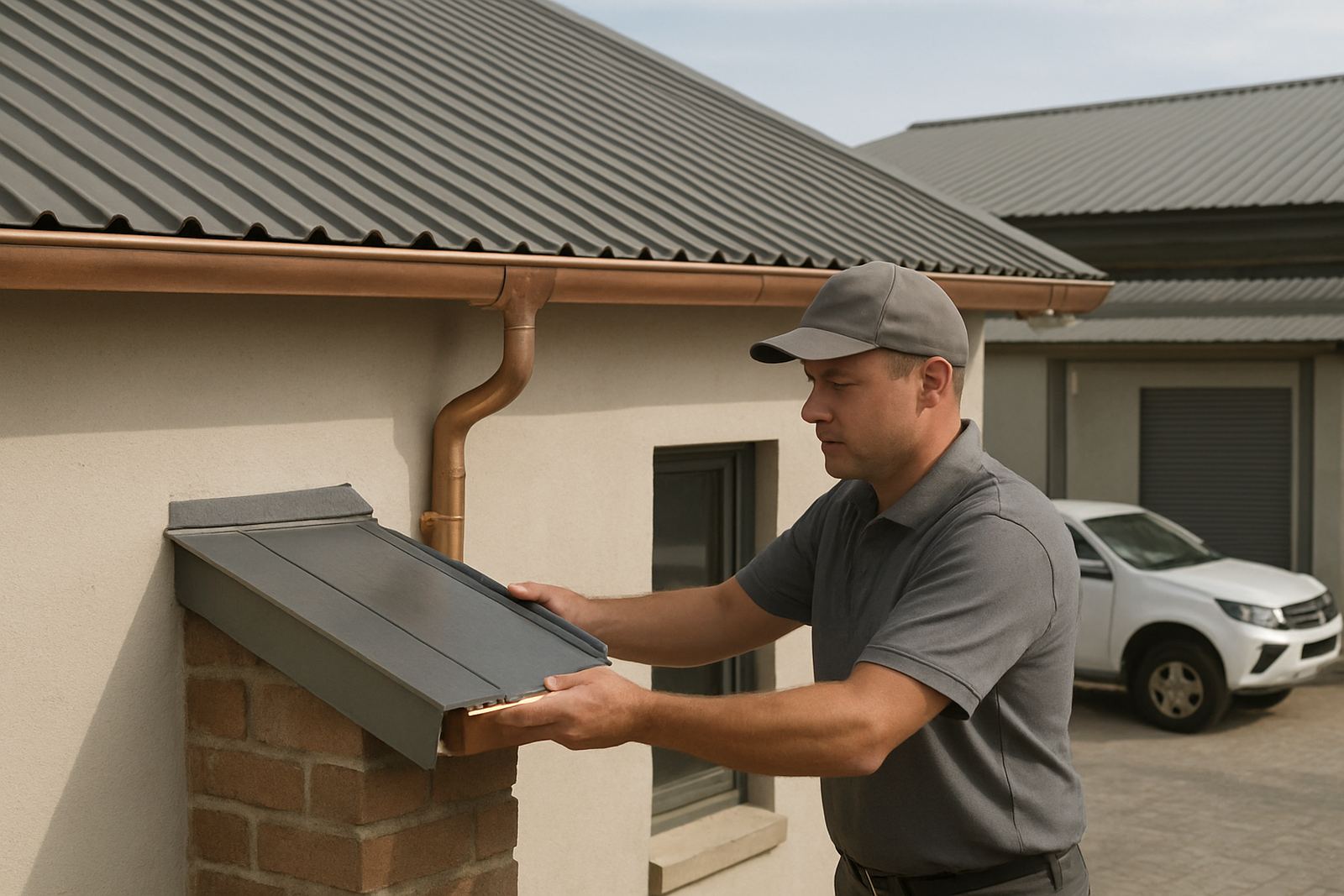
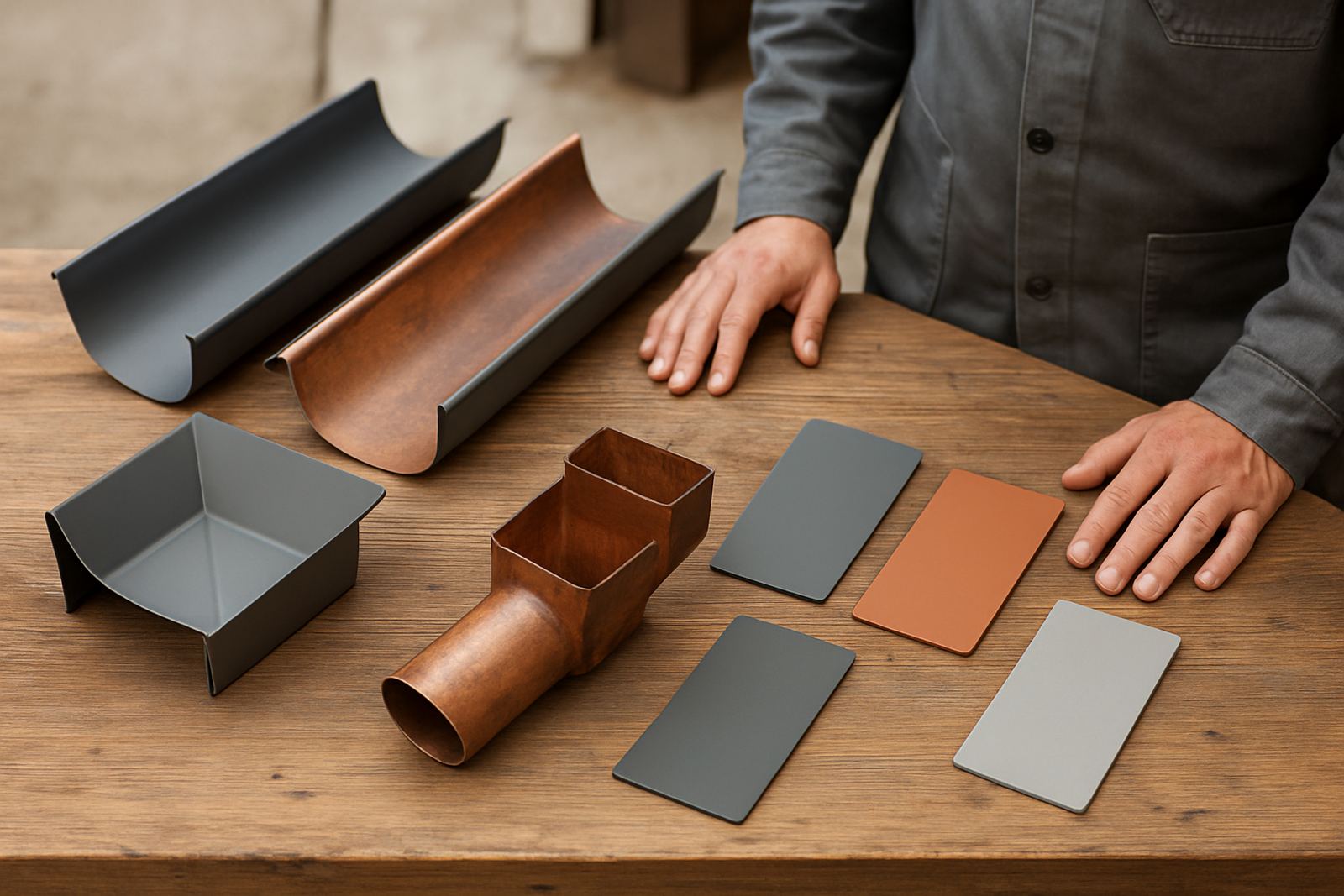
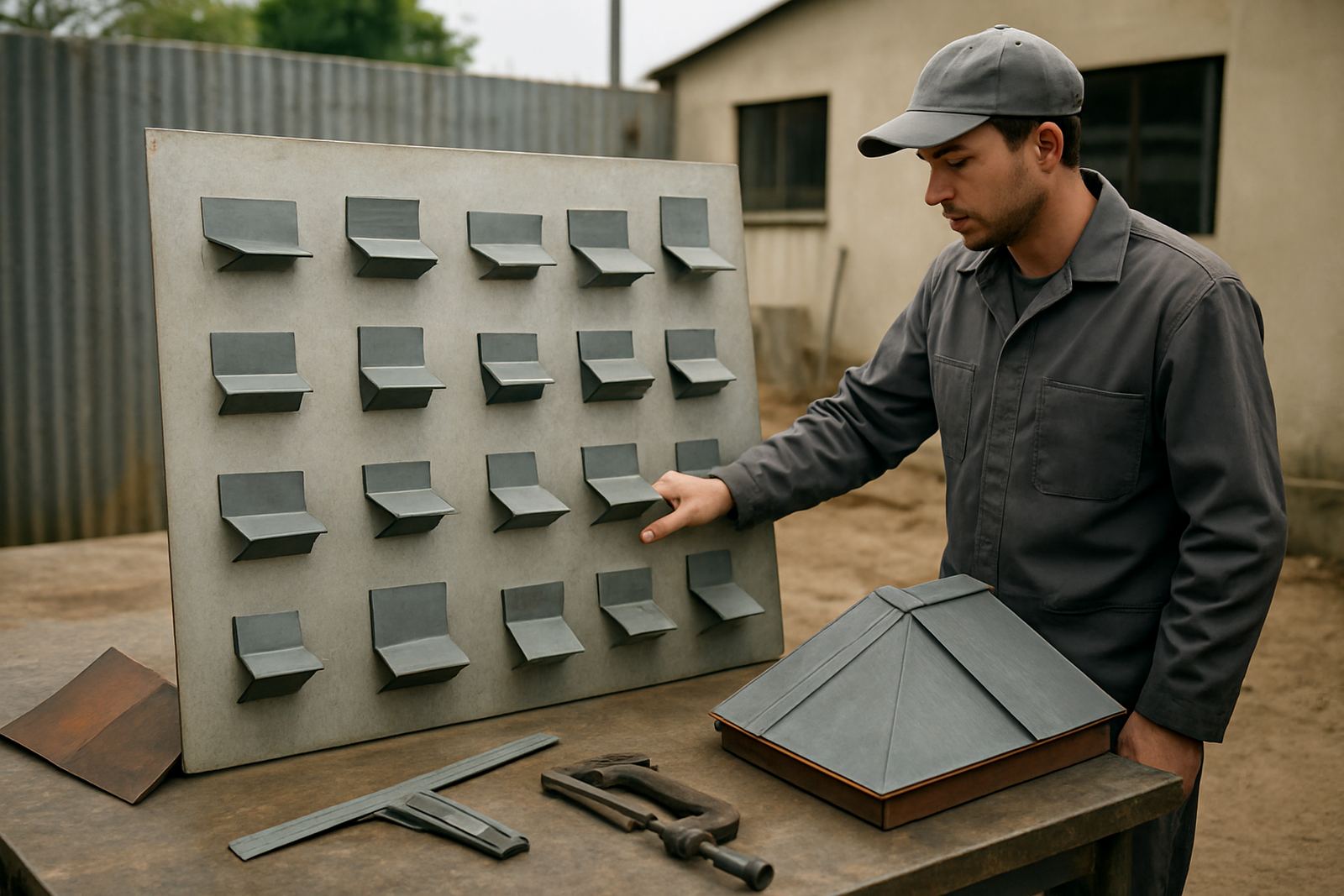
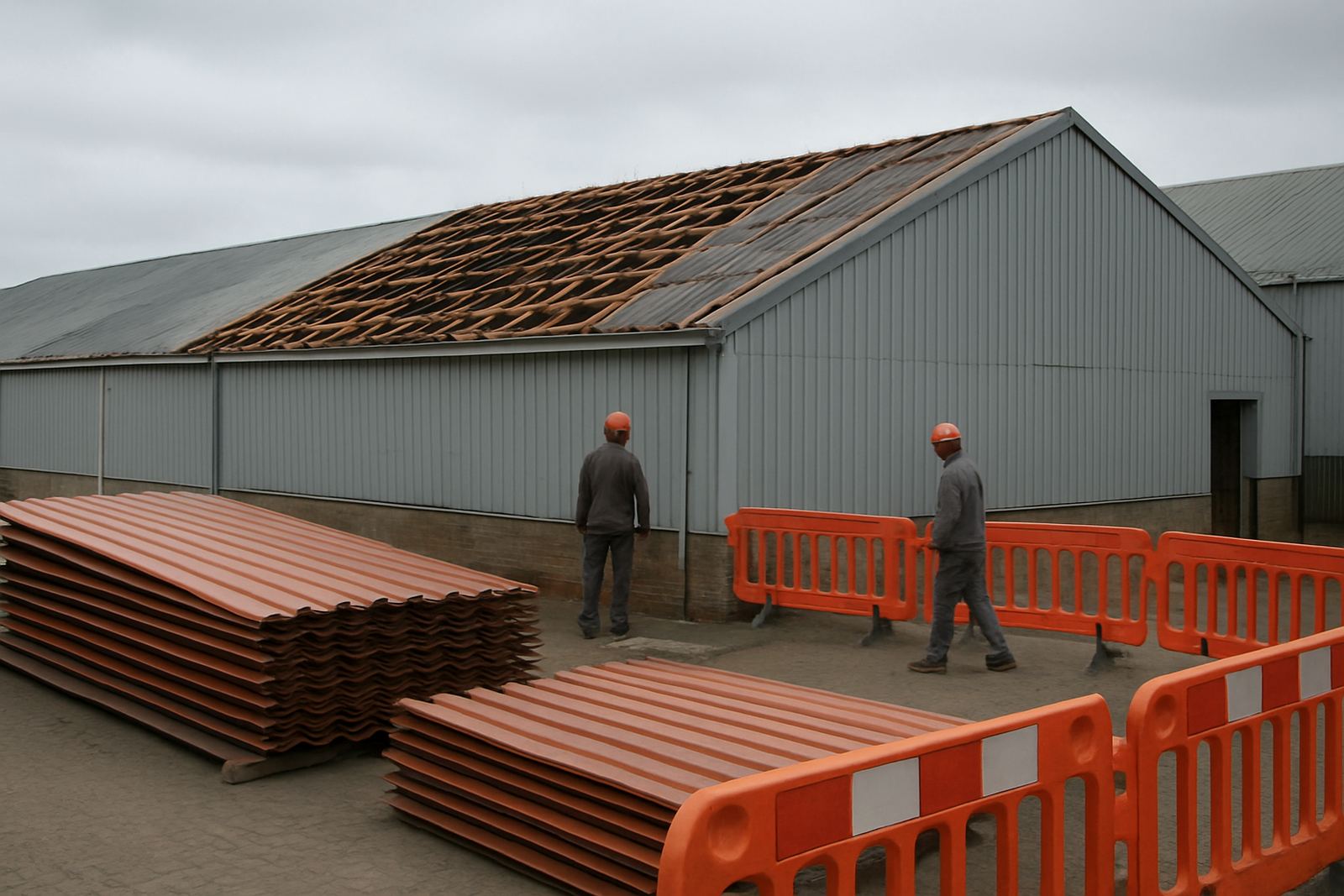
Many roof complaints start at the edges, not the middle. Gutters, ridges, valleys, apron flashings and side flashings all have to work together so water goes where it should. In places like Mossel Bay and Hartenbos, blocked gutters can overflow fast during a storm and push water into eaves, ceilings or wall joints.
Our guides explain where leaks usually begin, how to spot weak points and when a repair is enough. They also help you compare a quick patch with a proper replacement. If the metal is thin, rusted or badly cut around pipes and parapets, fixing one spot may only buy a short amount of time.
Carports and small steel structures for homes and businesses
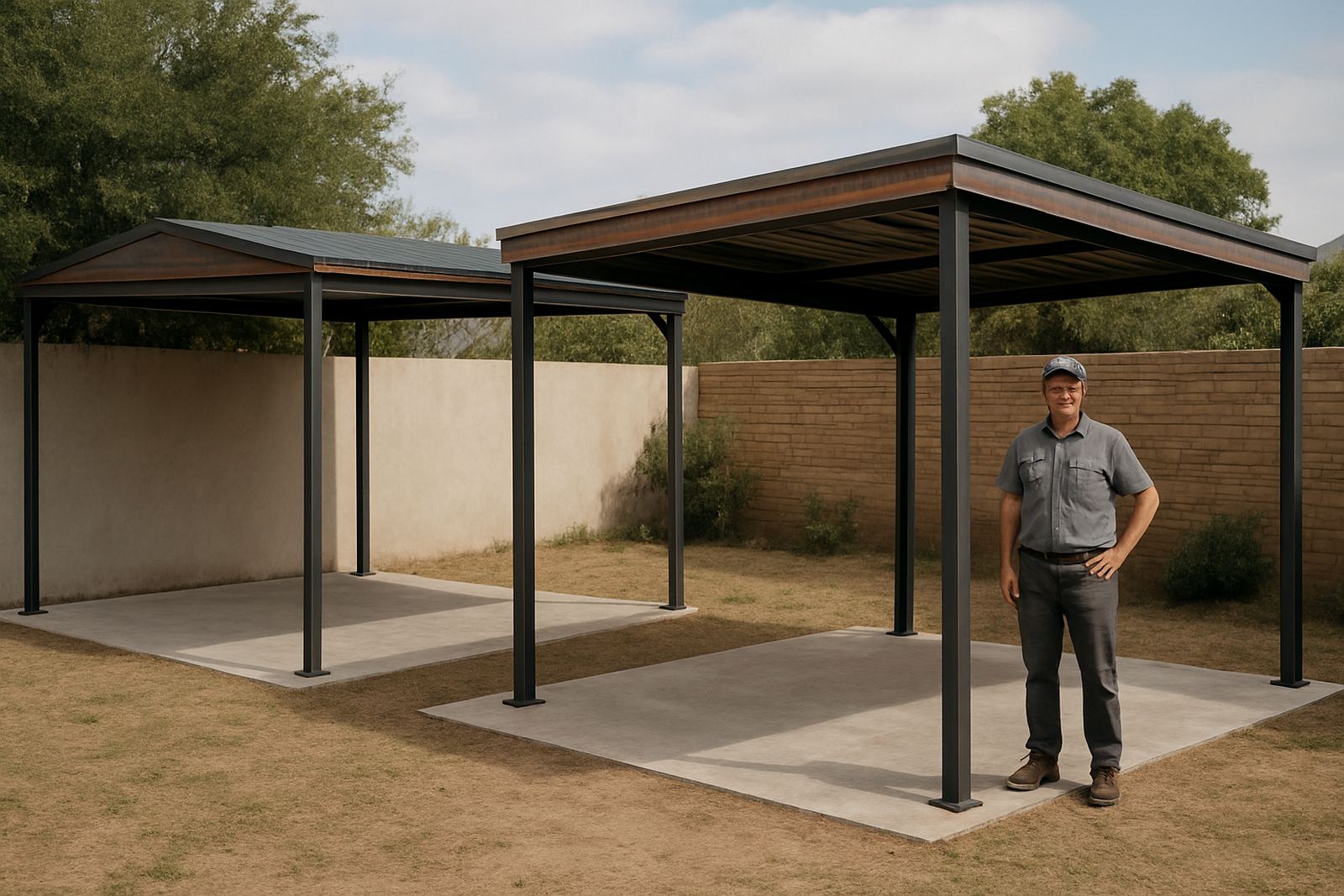
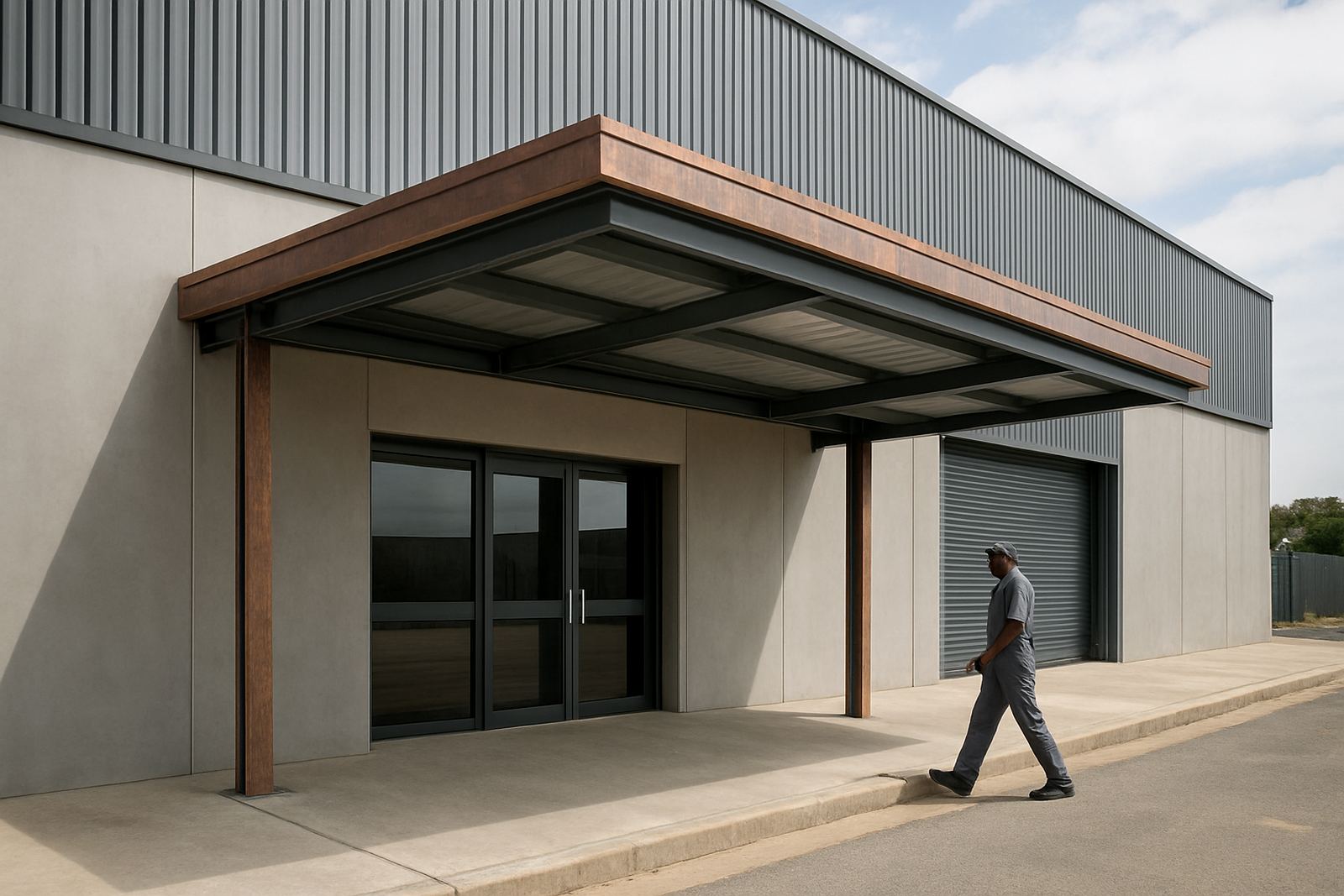
Carports, shaded parking bays and small steel structures need the same basic planning as larger buildings. You still have to think about footing positions, roof fall, wind uplift and how rainwater will leave the structure. In residential areas around Great Brak River and Wilderness, buyers also want the structure to sit neatly on the property without creating drainage trouble for neighbours.
When you compare options, check these points:
- Vehicle clearance and roof height for bakkies, SUVs or delivery vans.
- How the roof ties into an existing wall or free standing frame.
- Whether the gutters and downpipes are sized for heavy rain.
- How the finish will cope with salt air and regular washing.
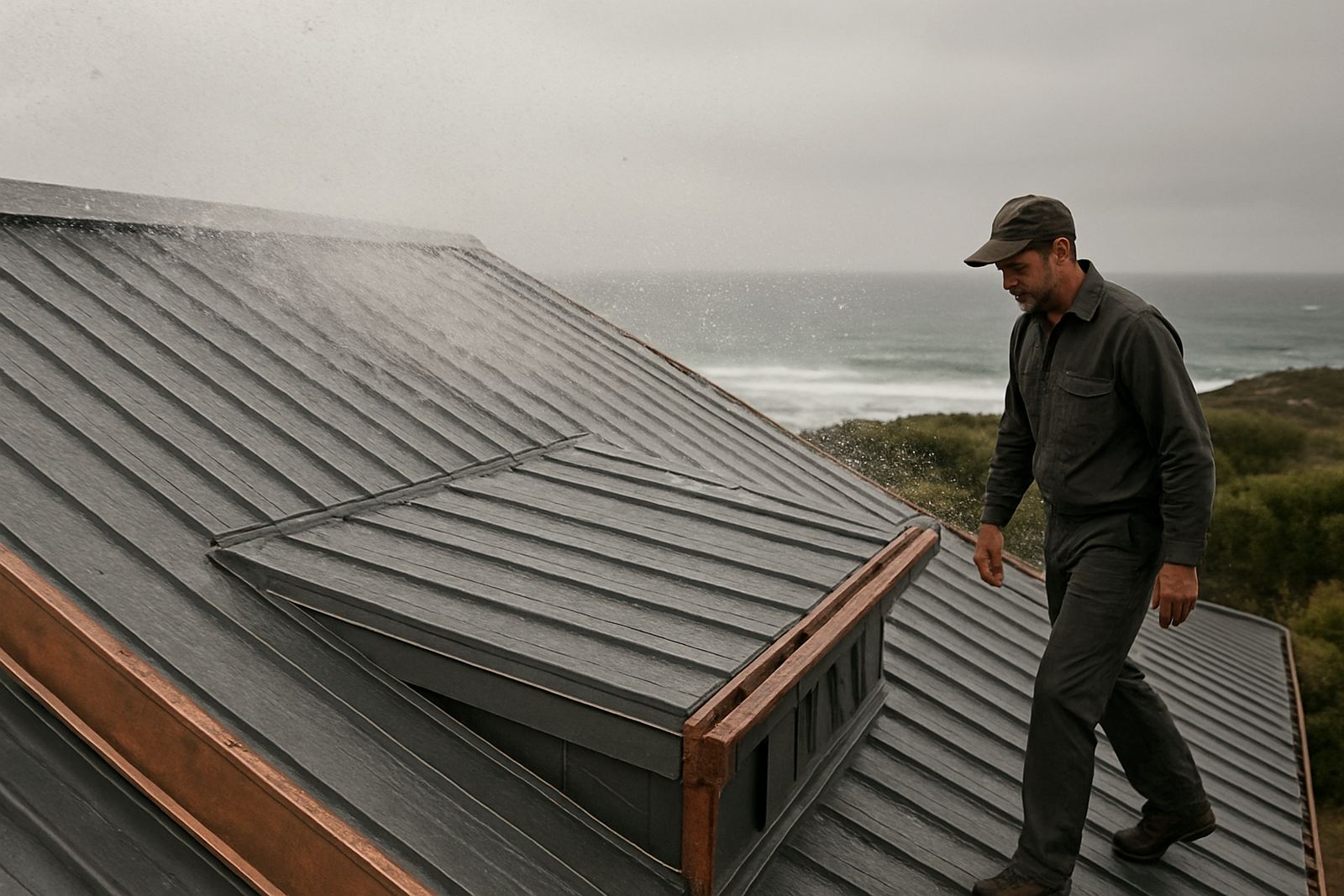
What coastal conditions change for sheet-metal work
The southern Cape is not hard on every roof in the same way. A building near the sea faces salt, damp mornings and faster surface corrosion. A workshop in George or Sedgefield may face more leaf build-up from trees, while an open site in Mossel Bay can catch strong wind from awkward directions. These things affect fixing spacing, coating choice, sealant use and the way flashings are formed.
Our guides are written around those local conditions. They help you ask better questions about maintenance, because the lowest price is not always the cheapest if you have to keep repairing the same edge, screw or joint.
What to prepare before asking for a quote
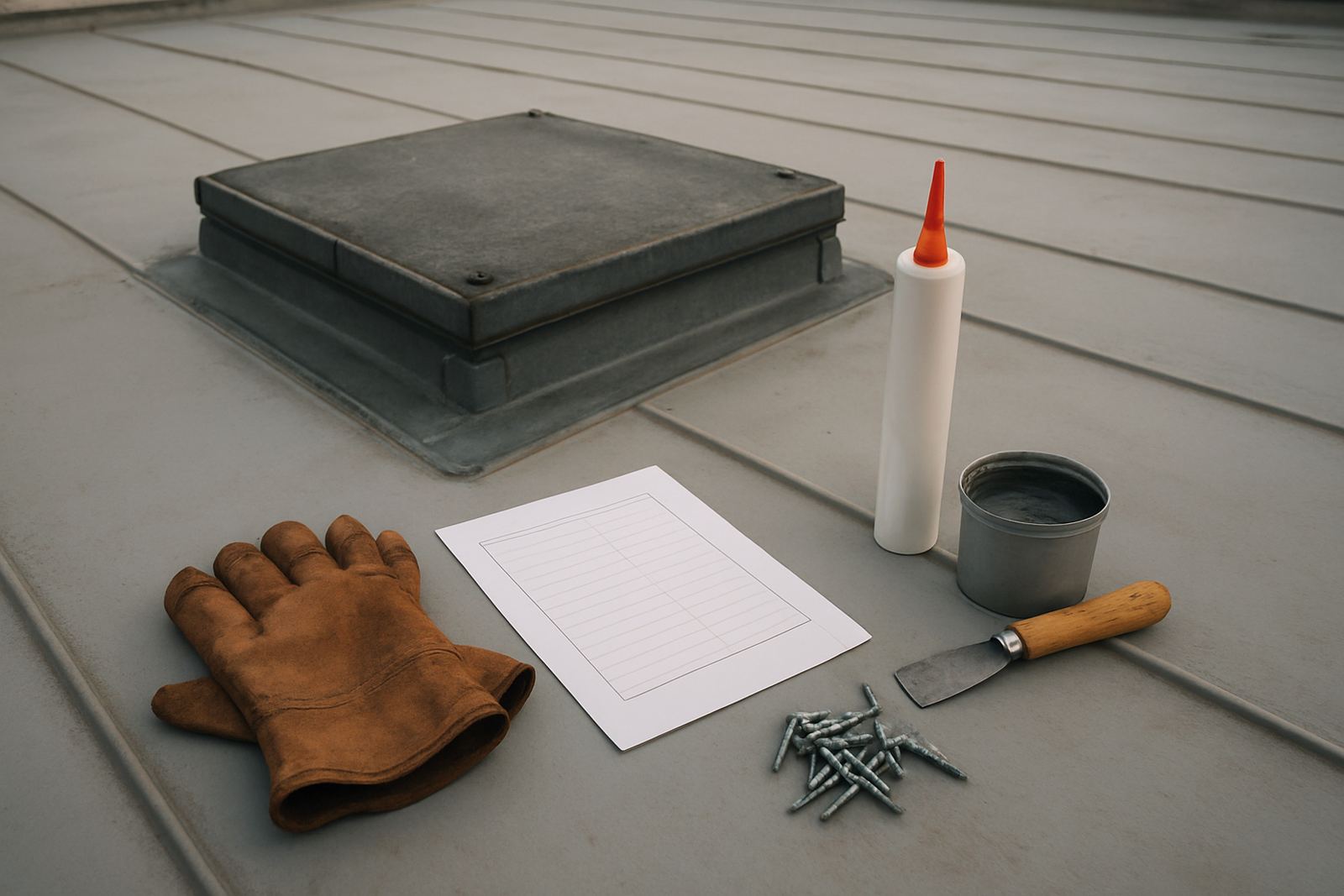
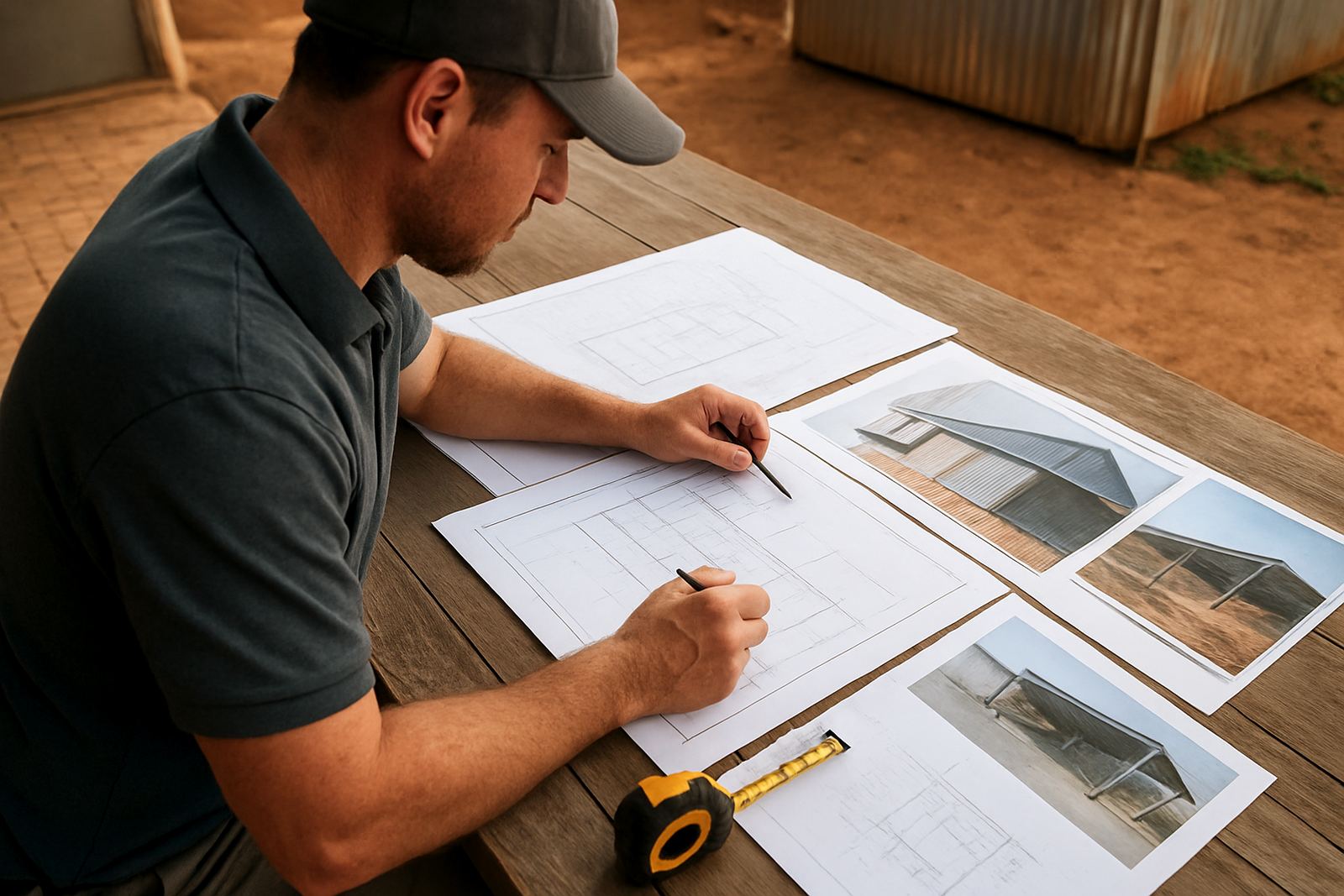
If you know what information to gather first, the pricing process is quicker and more accurate. A clear roof guide should tell you what to measure, what photographs to take and when a site inspection is needed. That matters for homeowners, body corporates and contractors alike.
- Approximate lengths, widths and roof pitch where you can safely measure them.
- Photos of leaks, rusted areas, broken gutters and loose flashing ends.
- Details of access, height and any working restrictions on the property.
- Whether the job is repair, replacement, new installation or regular maintenance.
With that information, a supplier can compare the right options and avoid guesswork. It also helps when you need to plan around tenants, trading hours or load shedding on site.
Use the guides to compare, then book a site visit
These guides are meant to help you narrow the choices before any fabrication or installation starts. Once you have compared the options, a site measure confirms the final sizes, fixing details and the best way to handle edges, slopes and drainage. That is especially useful on older buildings where nothing is perfectly square, which is more common than people think.
If you are in Mossel Bay, Gouriqua Park, Hartenbos, Great Brak River, George, Wilderness or Sedgefield, the next step is usually a proper site check. That lets us match the guide to the real building and give advice that fits the job, not just the drawing.