What profiled wall cladding does on site
Wall cladding panels are fixed to a steel or timber frame to create an exterior wall covering. On farm sheds, retail units and factory buildings, they help close in the structure, improve weather protection and give a neat, practical finish. The profile adds stiffness, so the sheet carries itself better over long runs and handles everyday knocks from trolleys, machinery and moving stock.
In Mossel Bay and nearby coastal towns, the right coating and fixing method matter because salt in the air can work on metal over time. We match the panel type to the site, the frame spacing and the way the building will be used, whether that is animal housing, cold storage support buildings or a busy loading bay. It sounds simple, but good wall cladding starts with the right profile and a careful set-out, not just the right colour.
Panel sizes, profiles and finish options
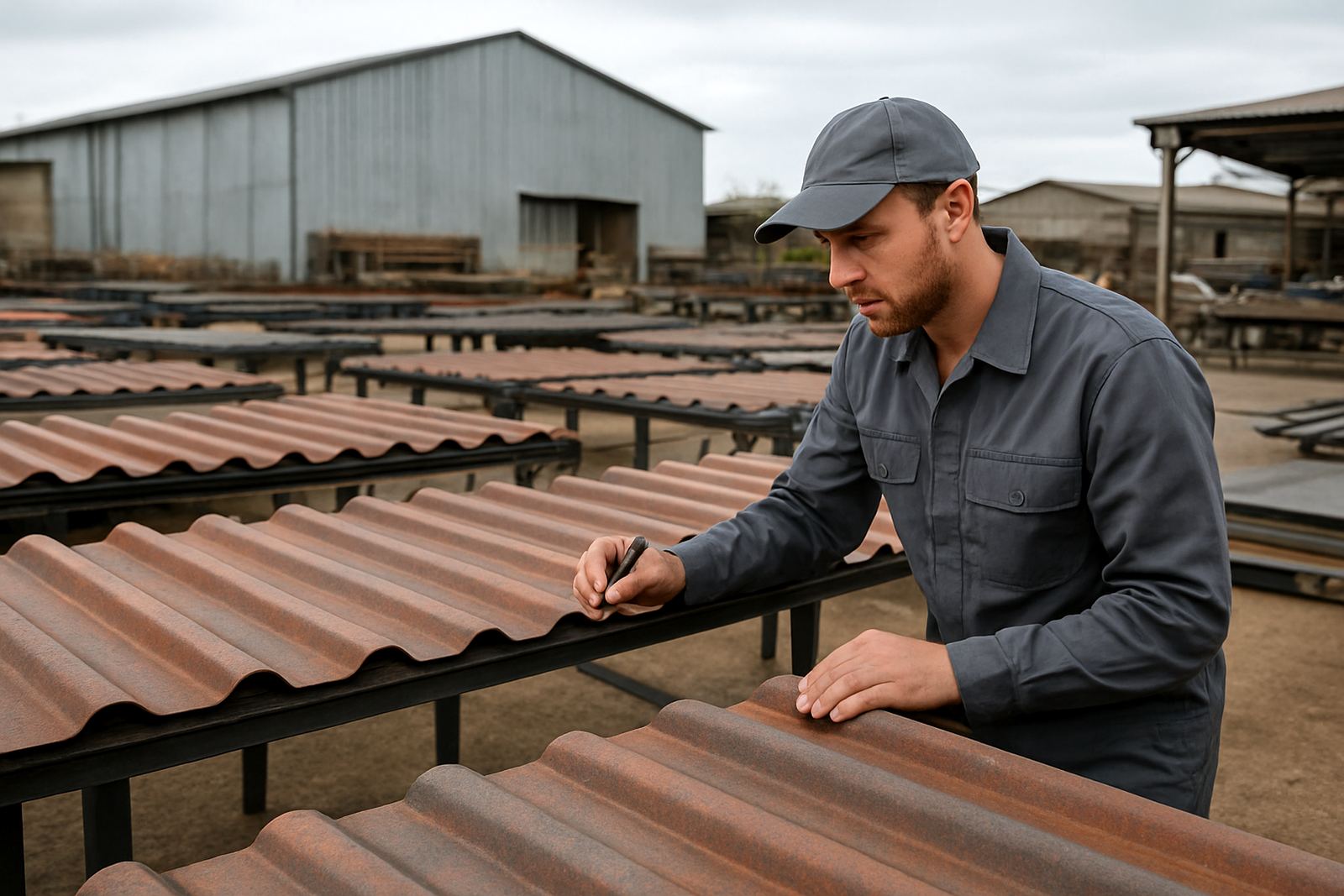
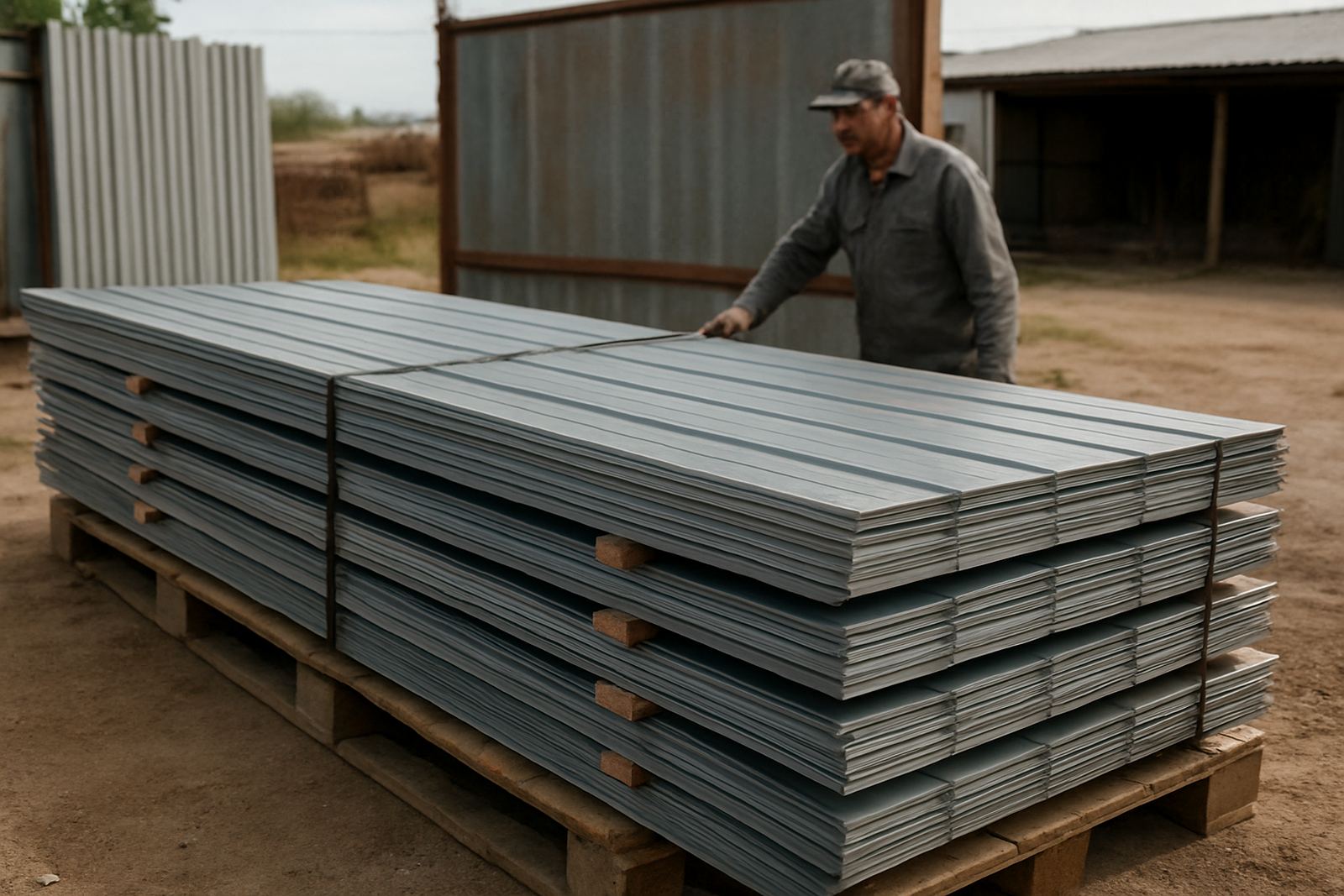
We supply wall cladding in common sheet lengths cut to suit the building, with custom lengths available for straighter installation and less waste. Panel cover widths vary by profile, and the chosen cover affects both the look and the number of fixings needed. For most projects we work from site measurements, then set out sheets to suit openings, corners and return walls.
Options usually include a plain or lightly ribbed profile, exposed fastener installation and a choice of painted or coated finishes. Where the building is near the coast, under a roof with regular condensation or in a wash-down area, a better corrosion-resistant finish is worth the extra cost. It helps in the long run and reduces call-backs.
- Custom lengths to suit wall heights and gable ends
- Standard and heavier gauge options for different spans
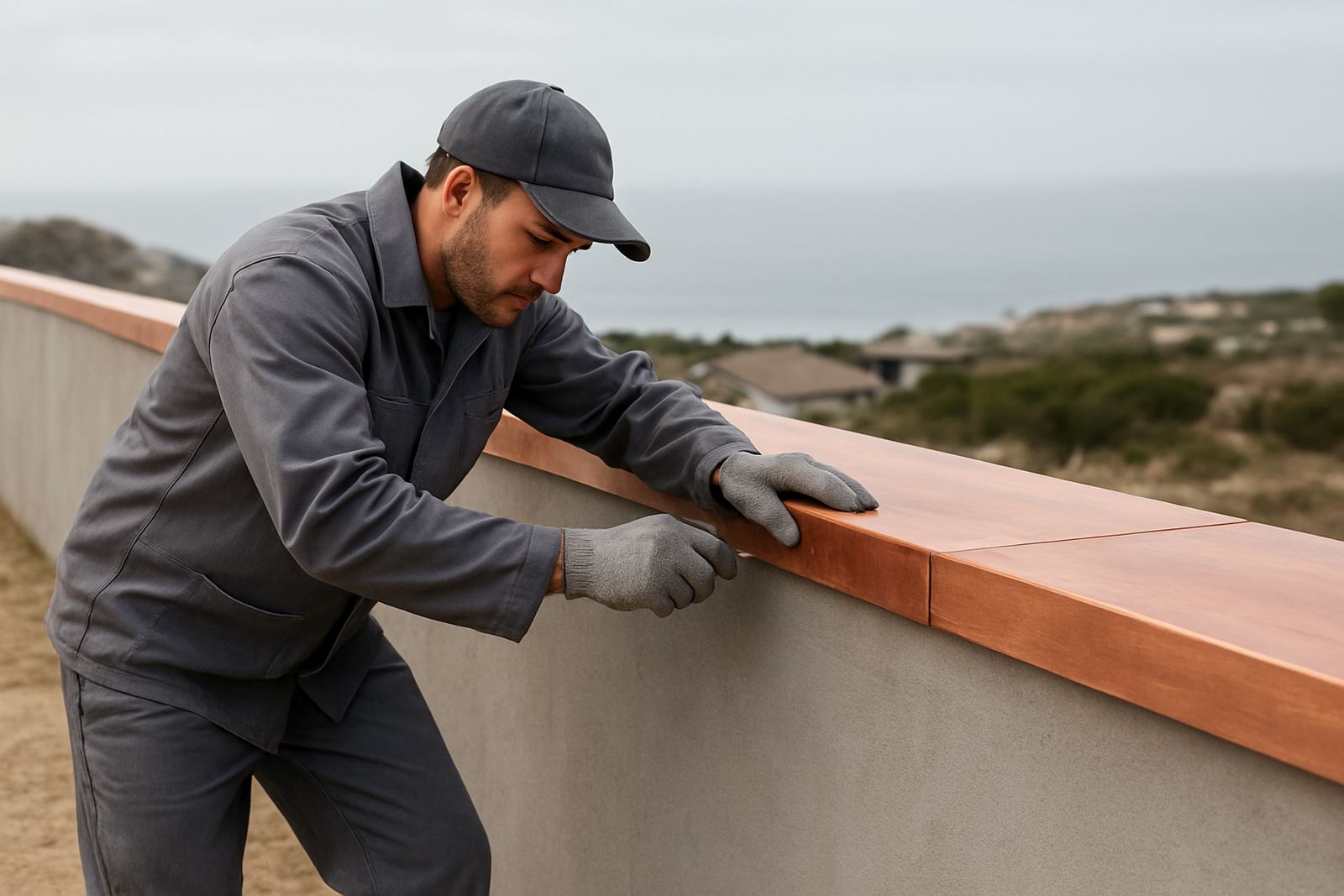
- Matching corner flashings, barge pieces and cappings
- Cut-outs for doors, vents and service pipes
- Colour options to match the building or branding
Where wall cladding works best
Profiled cladding is a good fit for agricultural stores, pack sheds, retail facades, guardhouses and industrial workshops. It is also useful on extensions and partial refits where an older wall needs replacement but the main frame is still sound. For South African sites, the main thing is to choose a panel that suits the exposure, the internal humidity and the amount of cleaning the wall will get.
On the southern Cape coast, wind-driven rain can push through poor details around overlaps and openings. That is why we pay attention to flashings, end laps and drainage paths. In exposed areas we may suggest extra fixings or a tighter support spacing, especially on long runs where the wind can flex the cladding a bit more than expected.
- Agricultural buildings with dust, animal movement or hose-down cleaning
- Retail units needing a tidy front elevation and quick installation
- Industrial sheds where durability and easy maintenance are important
- Storage buildings, workshops and yard structures
Installation, power and site access
Wall cladding installation starts with the frame being straight, square and ready for sheeting. If the structure is out by even a small amount, the sheets will show it. We check levels, measure the wall lines and mark out the fixing points before any sheets go up. Good installation keeps joints aligned, reduces oil-canning and helps the wall stay tight in high wind. The job can be done alongside roof works or as part of a full steel building project.
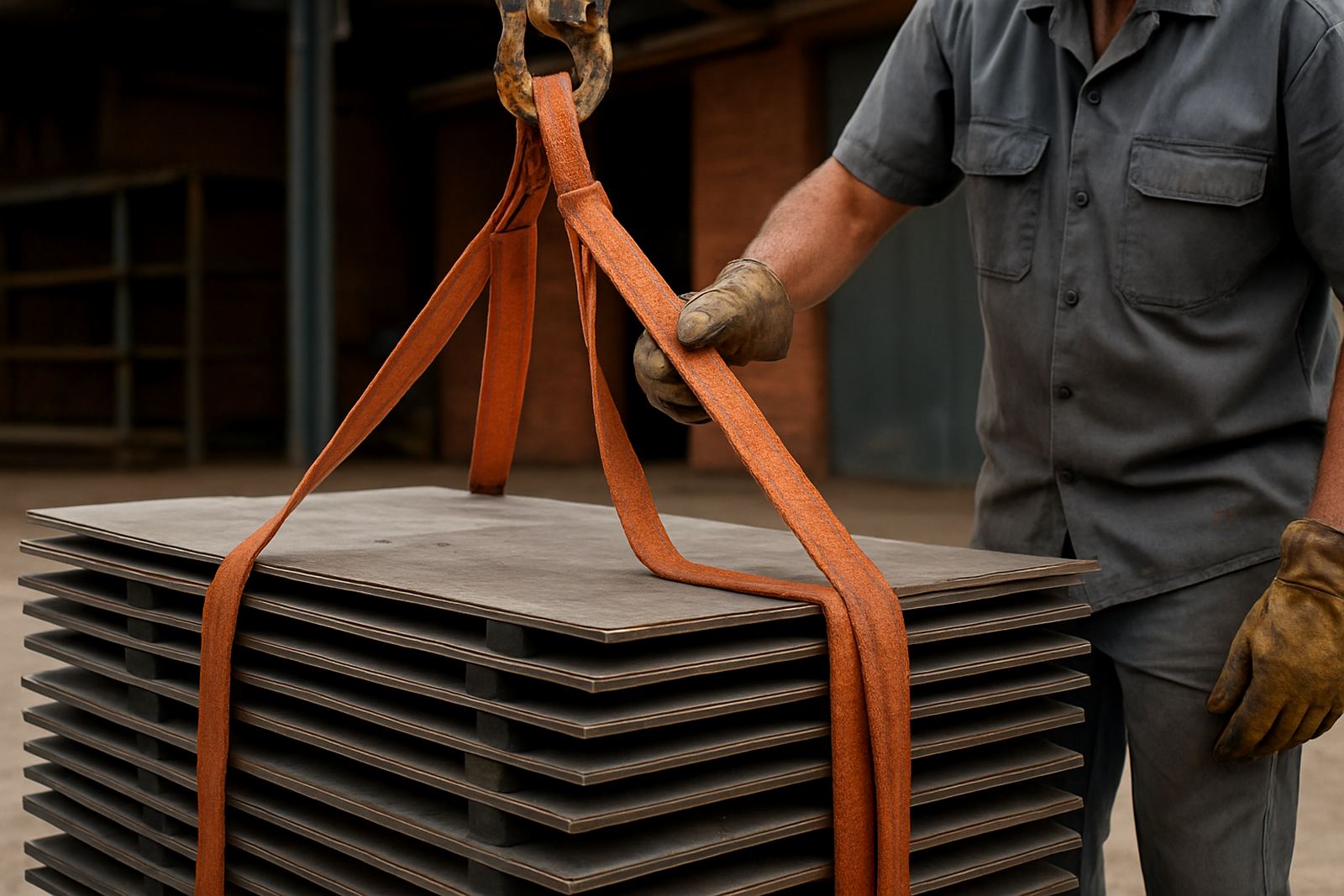
Most wall cladding jobs do not need major power supply on site, but the project does need safe access, lifting help and enough working space for sheets, sealants and fixings. On larger buildings we plan around forklifts, ladders or light lifting gear. If the site is busy, we often stage materials so loading can carry on without blocking access. That saves time and avoids rehandling the sheets more than once. It also makes life easier for everyone on site.
Care, servicing and coastal wear
Wall cladding does not need heavy maintenance, but it does need checking. A quick inspection after strong wind, hail or a season of coastal moisture can catch loose fixings, damaged sheets or seal failures early. On industrial and agricultural sites, dust and chemical vapours can shorten the life of the finish, so the wash-down schedule should match the environment.
Simple care helps the panels last longer. Rinse off salt build-up, keep vegetation away from the wall line and make sure gutters and downpipes are clear so water is not running down the cladding. If a panel gets dented or cut, repair it sooner rather than later because open edges can start to corrode. On some buildings, a small fix now avoids a bigger strip-out later, which is usually the cheaper route.
- Check fixings, overlaps and sealant lines after storm damage
- Wash off salt deposits on exposed coastal walls
- Keep the base of the wall clear for drainage and airflow
- Replace damaged flashings before corrosion spreads
What to check before you place an order
Before we cut and supply wall cladding panels, we confirm the wall height, the total run lengths, corner details and any openings for roller doors, personnel doors or vents. We also check the frame type, because fixing patterns are different on steel and timber substructures. If the building has curved sections or changes in level, those details must be set out early so the sheets fit properly.
You should also think about the site use. A building that stores fertiliser, timber or wet produce may need a different finish than a dry workshop. If the area is exposed to strong sun, driving rain or sea air, a better coating makes sense. We can help with measuring and ordering so the cladding arrives in the right lengths and with the matching flashings. That saves waste and keeps the install moving.
- Wall height, run length and all openings measured on site
- Frame material and spacing confirmed before fabrication
- Finish choice matched to exposure and cleaning needs
- Matching flashings, cappings and fasteners included in the order
Key facts
| Product type | Profiled steel wall cladding panels |
|---|---|
| Typical use | Agricultural, retail and industrial buildings |
| Lengths | Cut to site dimensions, custom lengths available |
| Fixing method | Exposed fastener installation to steel or timber framing |
| Finish options | Coated and painted finishes for inland or coastal exposure |
| Service area | Mossel Bay, Hartenbos, Great Brak River, George, Wilderness and Sedgefield |