Roofing sheets built for local conditions
Roofing sheets are the outer skin of a roof, used over timber or steel purlins to keep rain, wind and sun out of the building. In the southern Cape, that means they need to handle salt air, strong coastal winds and heavy winter rain without lifting, leaking or rusting too quickly. The right sheet also makes a difference to heat inside the building, which matters for workshops, storage sheds and homes that face full sun.
At J&E Sheet Metal in Gouriqua Park, Mossel Bay, we supply and install roofing sheets for new builds and replacements. We work on simple utility roofs, carports, farm sheds, small commercial buildings and residential roofs. The correct profile, thickness and fastening method depends on span, pitch and use, so we measure first and spec the sheet to suit the structure.
Sheet sizes, profiles and finish options
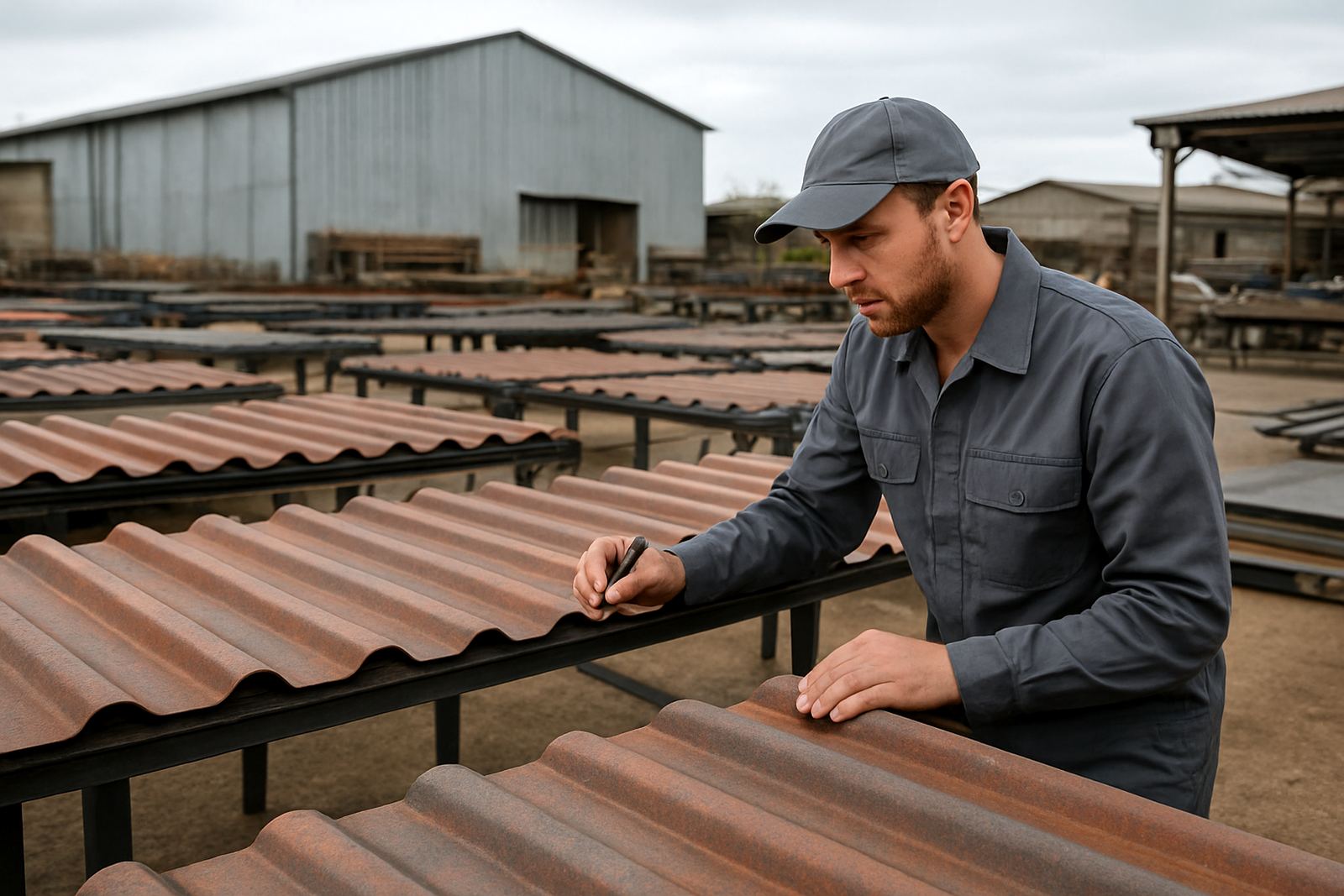
Roofing sheets are available in different profiles and lengths, and the choice depends on the look you want, the roof slope and the amount of support under the sheet. Longer runs reduce joins, but they must be handled carefully on site and lifted properly to avoid bending. On smaller jobs we can cut to size, which helps reduce waste and keeps the roof neat.
Common ordering choices include:
- Sheet length cut to the roof run, usually measured in metres
- Different cover widths depending on the profile used
- Material thickness selected for the span and wind load
- Plain or pre-finished sheet surfaces for different appearance and maintenance needs
- Matching ridge caps, barge flashings and side flashings for the same roof system
For coastal work around Mossel Bay and Hartenbos, it is worth checking coating quality and fastener choice, because low grade fixings can stain or loosen long before the sheet itself is finished. A good roof should not only look straight on day one, it should stay straight after a few hard winters.
Where roofing sheets suit best
Roofing sheets are a practical option for a wide range of structures. They work especially well where you need quick coverage, low maintenance and a roof that can be installed over a steel or timber frame without unnecessary weight. For many properties in George, Wilderness and Sedgefield, sheets are a sensible choice for expansions, outbuildings and replacements where older coverings have started to leak.
- Garden sheds and storage rooms
- Workshops and light industrial units
- Carports and covered parking areas
- Farm buildings and utility shelters
- Homes, additions and patio roofs
They are also useful where access is tight and the build must happen quickly. If the site is exposed or close to the coast, we can advise on extra fastening, overlap details and support spacing. That small bit of planning saves a lot of call-backs later, especially when the wind gets under a loose edge.
Installation, fixing and site requirements
Installing roofing sheets properly is not just about laying them in order. The roof frame must be square, the purlins must be at the right centres and the overlaps need to face the correct direction for rain run-off. Fasteners are placed to suit the profile and wind exposure, and all penetrations should be sealed where needed. If that is rushed, the roof may start leaking at the fixings or at the laps after the first storm.
Our team handles site measuring, steel frame checks and roof sheet installation, which means the sheet supply and the fixing method are matched from the start. On most jobs we also allow for gutters, flashings and edge trims at the same time, because those items are part of a proper roof system, not extras to be sorted later.
- Check roof pitch before ordering sheets
- Confirm purlin centres and support spacing
- Allow for ridge caps, side laps and end laps
- Confirm access for lifting and safe handling on site
- Plan around power cuts if tools or lifts depend on mains supply
Power, gas and handling on site
Roofing sheet work often depends on site conditions as much as the material itself. Cutting, drilling and lifting equipment may rely on electricity, and load-shedding can slow a job if there is no backup plan. In some cases, work can continue with manual measuring and pre-cut lengths, but it is better to know this upfront so the programme is realistic.
For certain trim and flashings work, portable gas equipment may be used in controlled circumstances, while other jobs need only standard mechanical fixing. We plan the sequence to suit the site and keep waste down. Sheets must also be stored flat, protected from moisture and handled with care so the protective finish is not damaged before fitting. A bent sheet or a scratched coating can become a problem much later, and by then it is too late to argue about it.
Care, cleaning and service intervals
Once installed, roofing sheets do not need constant attention, but they do benefit from simple inspections. In coastal areas, salt build-up and trapped dirt can shorten the life of the finish if it is never washed down. Gutters should be kept clear so water does not back up under the edge of the roof, and loose screws or lift points should be checked after strong wind.
Good maintenance is usually straightforward:
- Wash down salt and dust as needed, especially near the coast
- Check fixings after storms and high winds
- Clear leaves from gutters and valleys
- Look for early signs of rust, lifting or seal failure
- Inspect flashings around walls, ridges and penetrations
If a roof starts to leak, it is often more cost-effective to repair the weak point early than to wait until the insulation, ceiling boards or stored goods are damaged. We also assist with maintenance inspections and roof leak repairs when sheets, flashings or gutters need attention.
What to check before you order
Before ordering roofing sheets, gather the basic measurements and decide what the roof must do. A shed roof, a carport and a home roof may all use sheets, but they do not need the same thickness, support or finish. If the figures are wrong at the start, you can end up with shortage, too much waste, or a roof that needs extra timber or steel after the fact.
Helpful details to have ready include the roof length, slope, number of sides, whether the building is open or enclosed, and whether gutters or flashings must match an existing structure. It also helps to note the site location, because a roof in Mossel Bay may face different salt and wind exposure than one in George or Sedgefield. We can then size the sheets properly and plan the fixing method to suit the job, not just the drawing.
Key facts
| Product | Roofing sheets for sheds, workshops, homes and utility structures |
|---|---|
| Typical use | New roofs, roof replacement, carports, extensions and outbuildings |
| Length options | Cut to site measurement or supplied in project-specific lengths |
| Profile options | Selected to suit span, slope and appearance requirements |
| Installation | Can be supplied with measuring, fixing, flashings and gutter work |
| Service area | Mossel Bay, Hartenbos, Great Brak River, George, Wilderness and Sedgefield |