Start With The Job Type And Where It Will Happen
The first thing we need is a plain description of the work. Say whether it is a new carport, roof sheeting, wall cladding, gutters, flashings, a steel frame, or repairs to an existing structure. Then give the site location and the access conditions, because a job in Gouriqua Park is not the same as one on a narrow residential stand in Hartenbos or a coastal property in Wilderness with limited side access.
We also need to know if the work is on a house, a small business site, a farm building or a rental unit. That helps us plan labour, equipment, and whether the job can be done in one visit or needs staged work. If the structure is near the sea, mention that too, since salt air changes the material choice and the maintenance plan. A few extra details now can save a second site trip later.
Measure The Area As Closely As You Can
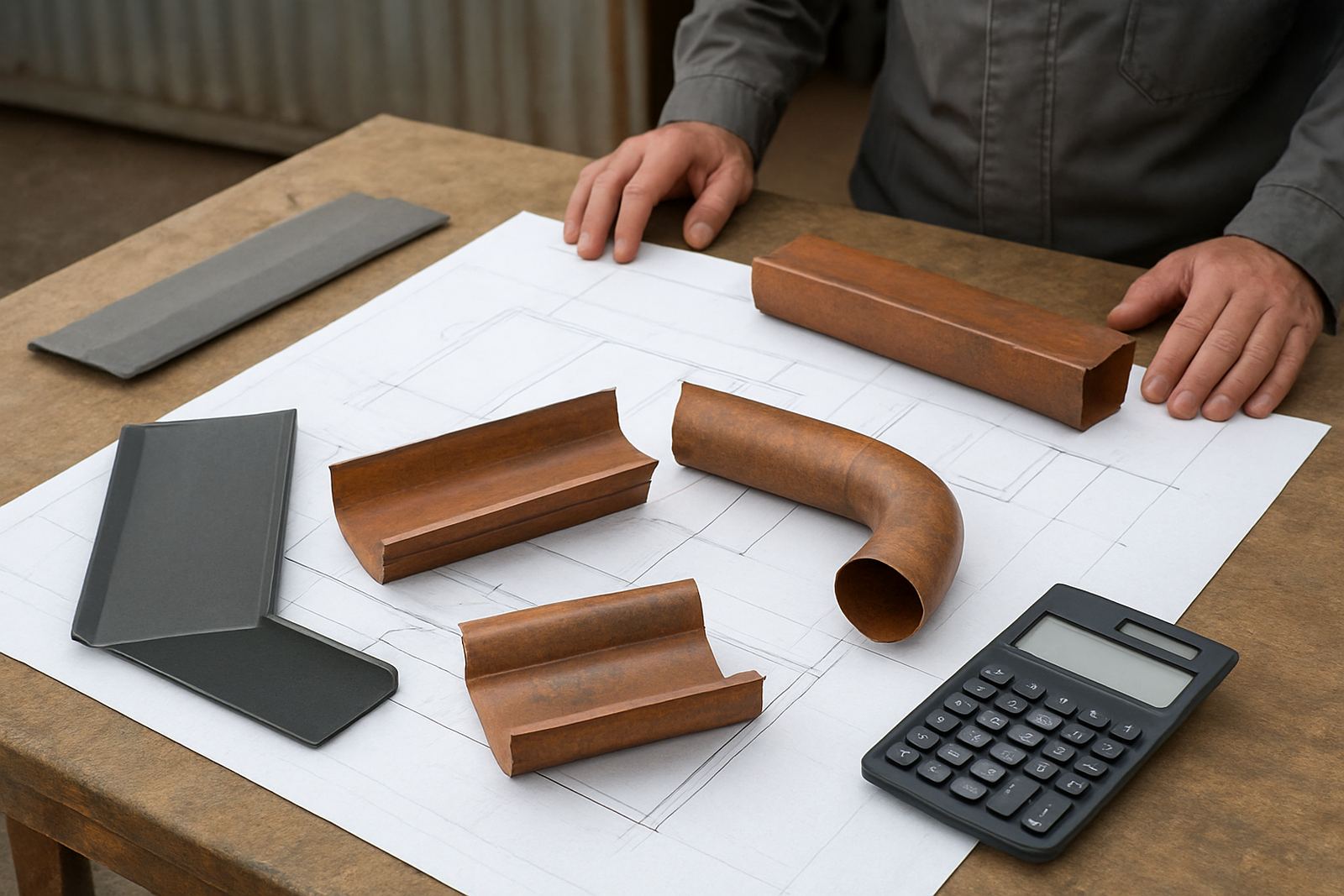
Even rough measurements help us quote better. Please give lengths, widths, heights, roof pitch if you know it, and the number of sides or bays involved. If it is a roof or carport, note the size in metres from wall to wall and from front to back. For gutters, give the total running metres and say how many downpipes are needed. For flashings, tell us where they will be fitted and the edge lengths, corners, and overlaps.
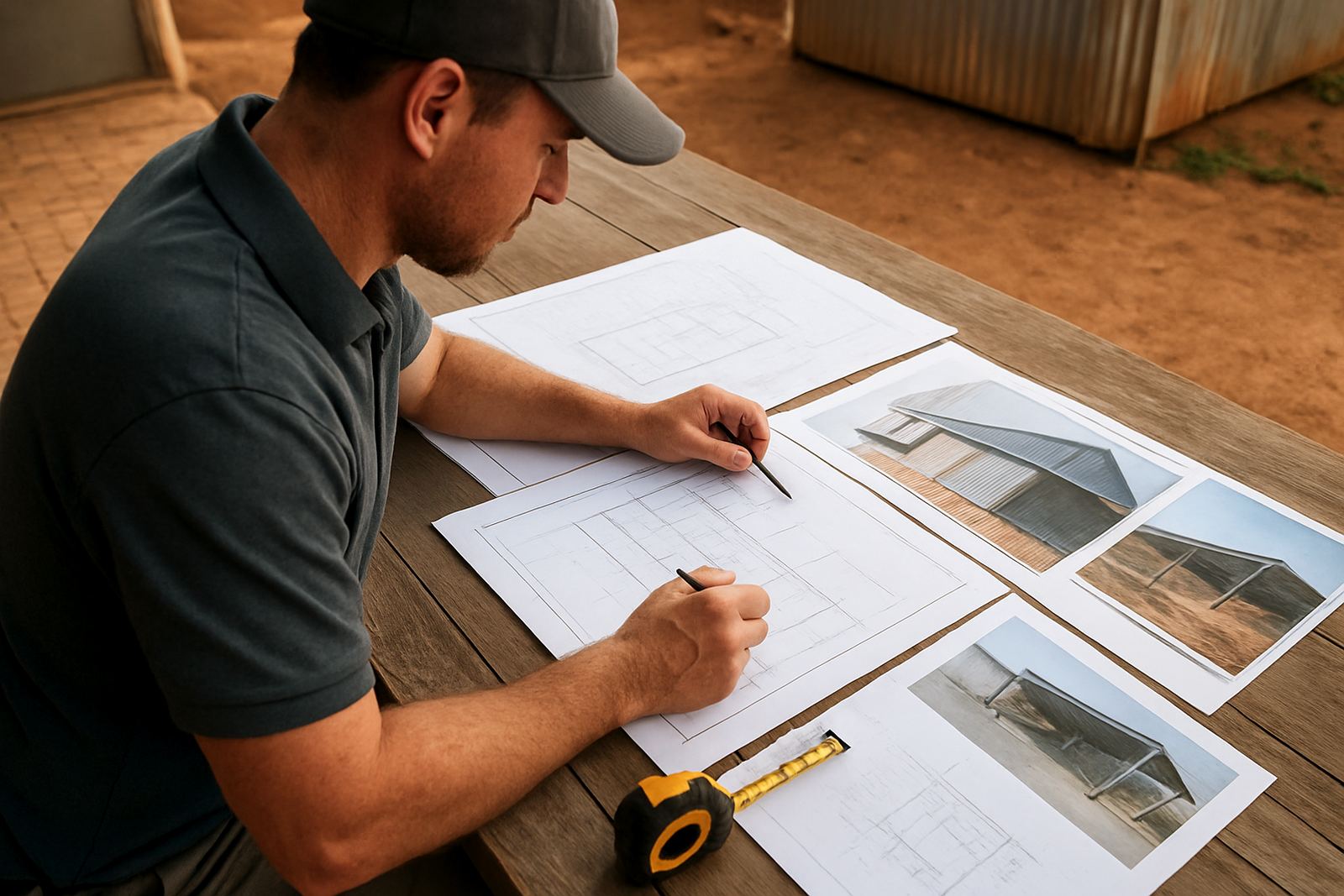
If you do not have exact measurements, a tape measure and a phone photo are enough to start. We can do site measuring before final pricing if needed, but the more information you send upfront, the quicker we can compare options. A quote for 18 m of gutter with two downpipes is always clearer than a note that says "new gutters needed".
- Length, width and height in metres
- Approximate roof pitch or slope
- Number of doors, windows or openings nearby
- Existing structure size if it is a repair job
- Any steps, retaining walls, slopes or tight access points
Tell Us What Materials And Finish You Want
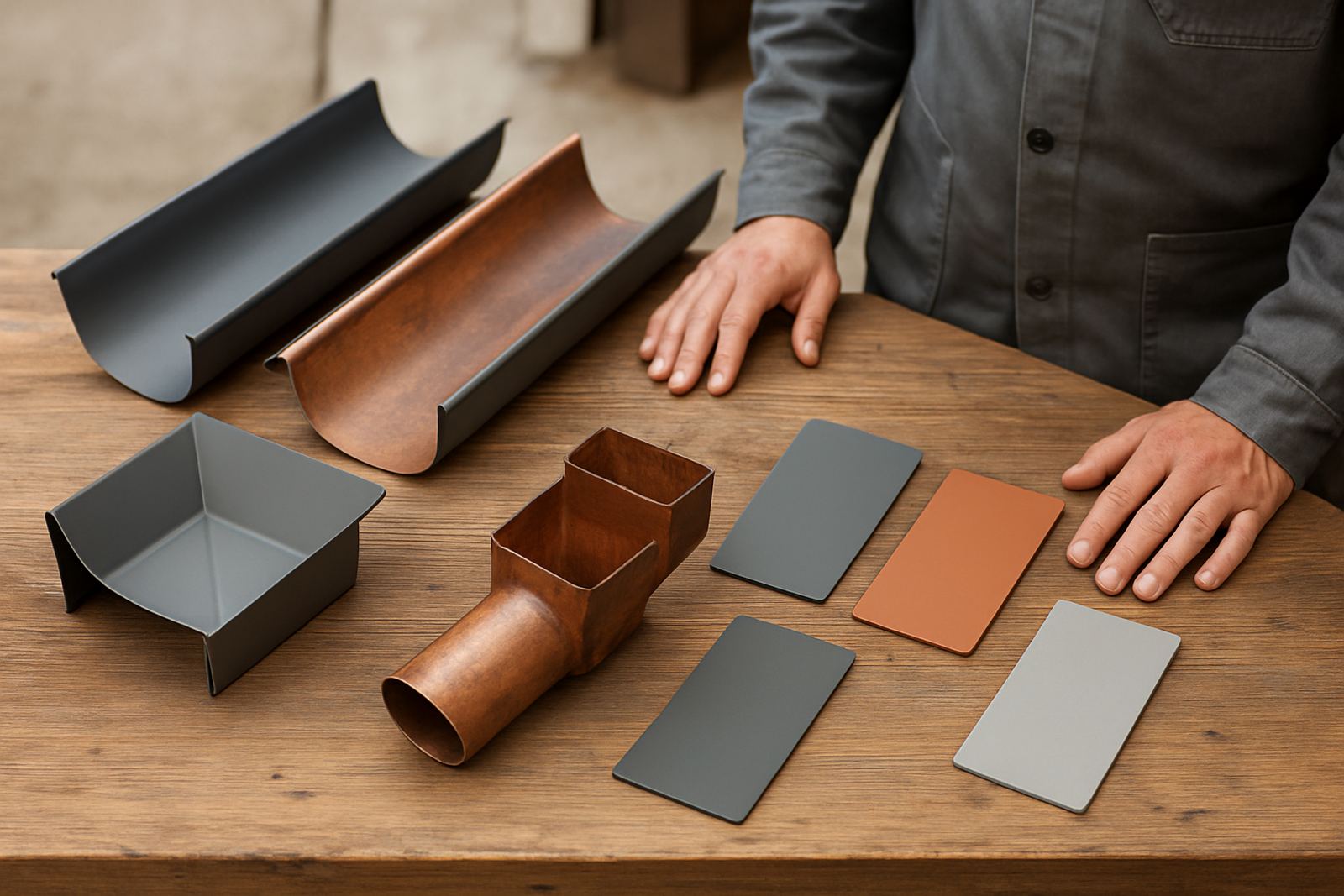
Different sheet-metal and steel jobs can be priced in more than one way. A light domestic carport, a storage frame, and a full roof replacement all have different material needs. If you already know the sheet thickness, colour preference, coating type, or whether you want plain galvanised finish or painted sheet, say so. In coastal towns like Mossel Bay, Great Brak River and Sedgefield, material choice matters because humidity and salt can shorten the life of cheaper options.
For gutters, tell us whether you want half-round, box gutters, or a replacement to match an existing profile. For cladding, note if the walls are exposed to wind-driven rain or direct sun. If the job includes custom flashings, mention whether they are for ridges, valleys, parapets, chimneys, or wall joins. The more precise you are, the less room there is for wrong assumptions and added costs later.
- Material type or finish preference
- Colour choice if applicable
- Any matching to existing sheets or structures
- Budget range if you have one
- Whether the work must suit coastal conditions
Explain The Condition Of The Existing Structure
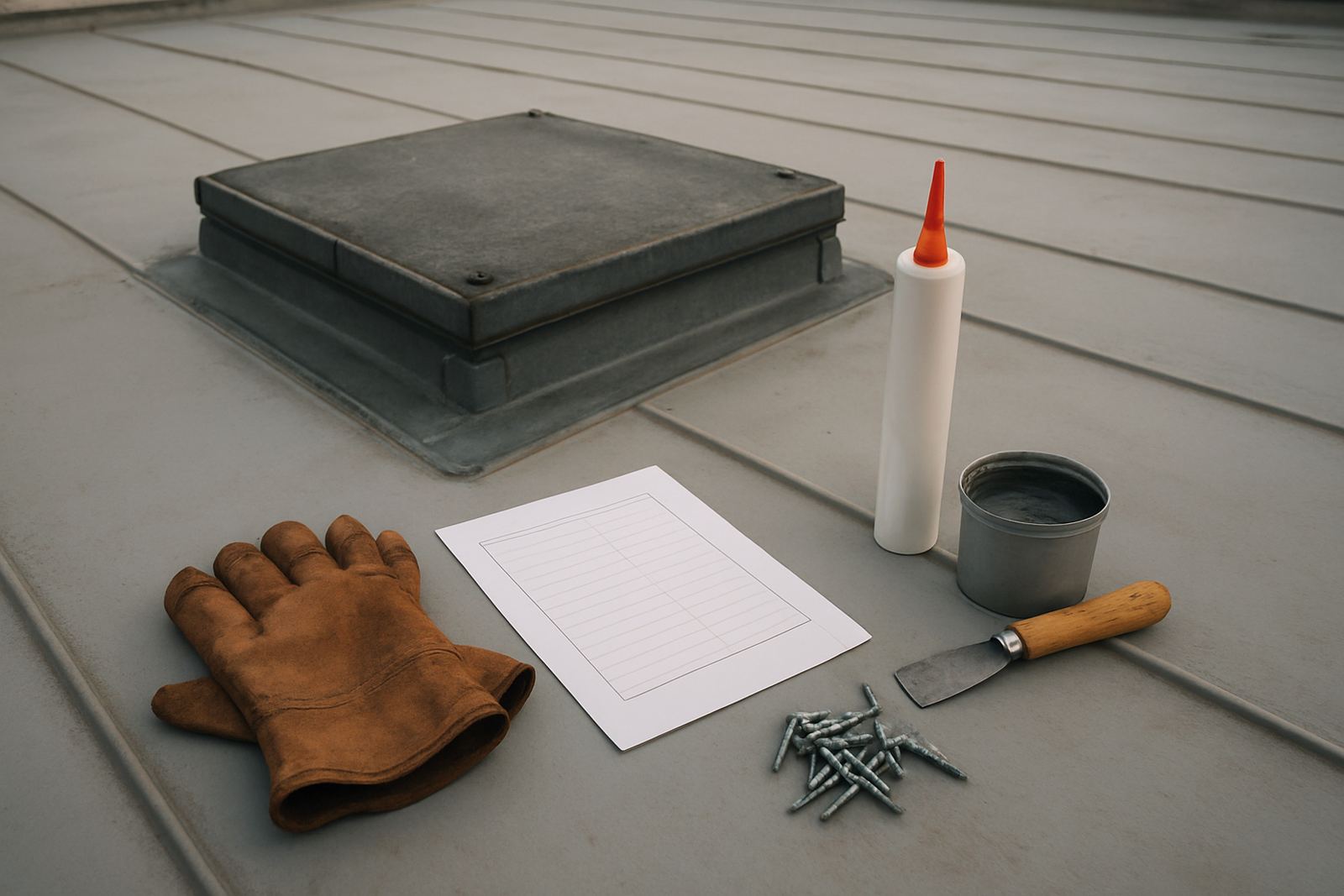
For repair or replacement work, the condition of the old structure is a big part of the quote. Please tell us if there is rust, sagging, leaks, cracked welds, loose fasteners, rotting timber support, or damage from wind. If a roof has been patched a few times already, or if a gutter has pulled away from the fascia board, that affects the fixing method and the labour time.
Photos are very useful here. Send wide shots and close-ups of the problem areas from ground level if safe to do so. If there has been a leak during heavy rain, tell us where the water appears inside the building and when it happens. That helps us work out whether the issue is the sheet, the flashing, the gutter line, or the drainage fall. A short note and 3 or 4 good photos are often enough to avoid a lot of guesswork.
Check Access, Power And Site Rules Before We Quote
Access affects pricing more than many people expect. We need to know if a truck can get close to the work area, if there is space to offload sheet lengths, and whether scaffolding or lifting gear may be needed. Narrow driveways, soft ground, steep slopes and busy commercial yards all add time. If the site is in a body corporate area, industrial park or a municipality with strict working hours, tell us upfront so we can plan around it.
Also let us know if there is electricity on site, especially for cutting and fixing work. Load-shedding still changes the way jobs are scheduled, so if the site has no backup power we may need to bring our own arrangements. For properties near the coast, windy afternoons can also affect lifting and fitting times. It is better to plan for that than to rush a job and end up with poor alignment.
- Can a bakkie or truck reach the work area?
- Is there safe storage for materials on site?
- Are there pets, tenants or staff we must work around?
- Will any permits, body corporate approval or site induction be needed?
- Are there noise or hour restrictions from neighbours or local rules?
Use This Simple Checklist Before You Send Enquiry
If you want a quicker and clearer response, use this checklist before you send through your request. It does not need to be fancy. A short message with the right facts is often enough for us to prepare a proper estimate or arrange a site visit. If something is unknown, just say so. We can work from partial information and fill in the gaps during measuring.
Checklist for a better quote: job type, site address, measurements, photos, preferred material, finish, access details, and any deadline you have in mind. If the work is urgent because of a leak, storm damage or safety issue, say that at the top of your message. We can then judge whether it needs an inspection first or whether we can price from the details supplied. The more honest and complete the note, the more accurate the quote usually is.
For projects across Mossel Bay, Hartenbos, George, Wilderness, Great Brak River and Sedgefield, the same rule applies: clear information saves time for everyone. It also helps us recommend the right fix rather than the fastest one. A proper quote should not only show a number, it should show what is included and what is not.
What Happens After We Receive Your Details
Once we have your job details, we review the scope, estimate the materials, and decide whether a site measuring visit is needed. Some smaller jobs can be priced from photos and measurements, while larger steel frame or cladding work usually needs a visit on site. If there are several options, we may price them separately so you can compare like with like.
If the quote looks right, we can discuss timing, lead times and installation sequence. For weather-exposed work, we also watch the forecast because rain and coastal wind can change the order of work. The aim is to quote fairly and avoid surprise extras. Good information upfront makes that easier for both sides, and it usually leads to a smoother job on site too.