Start With a Roof Walk-Through After Heavy Wind or Rain
Do a roof check after strong south-easterly wind, driving rain, or any hail event. You do not need to climb onto the roof every time, but you should look for loose sheets, lifted edges, missing screws, stained ceilings and gutters that overflow during the next shower. If you can safely view the roofline from the ground or from a stable ladder, that is often enough to spot trouble early.
In coastal towns like Mossel Bay and Great Brak River, the first signs of wear often show up quicker because salt and moisture work on fixings and cut edges. Pay close attention to areas where sheets meet walls, around ridges, and where roof water runs into gutters. A small gap at a flashing can send water into a ceiling space before anyone notices, so a quick check every few months is worth the time.
- Look for rust streaks, loose fasteners and bent sheet edges
- Check ceilings for brown marks after rain
- Listen for rattling sheets in strong wind
- Inspect visible flashings where roofs join walls or parapet sections
Keep Gutters Clear Before They Start Backing Up
Blocked gutters are one of the most common causes of roof leaks and fascia damage. Leaves, sand, nesting debris and fine roof dust can build up quickly, especially near trees or in windy areas close to the coast. Once the downpipe slows down, water starts backing up and can run back under the roof sheet edge or spill over onto walls.
Clean gutters before winter rains and again after the worst of the leaf drop. In George and Wilderness, where greenery is heavier, the schedule may need to be more frequent. Make sure water flows freely to the outlet and that downpipes are not clogged at ground level. If water stays in one section after rain, the gutter may be out of line and need to be re-fallttd or repaired. That small correction can save a lot of damage later.
- Remove leaves, twigs and mud from gutter runs
- Flush downpipes with clean water
- Check for sagging brackets or loose clips
- Look for leaks at joints and end caps
Watch the Seals, Screws and Cut Edges
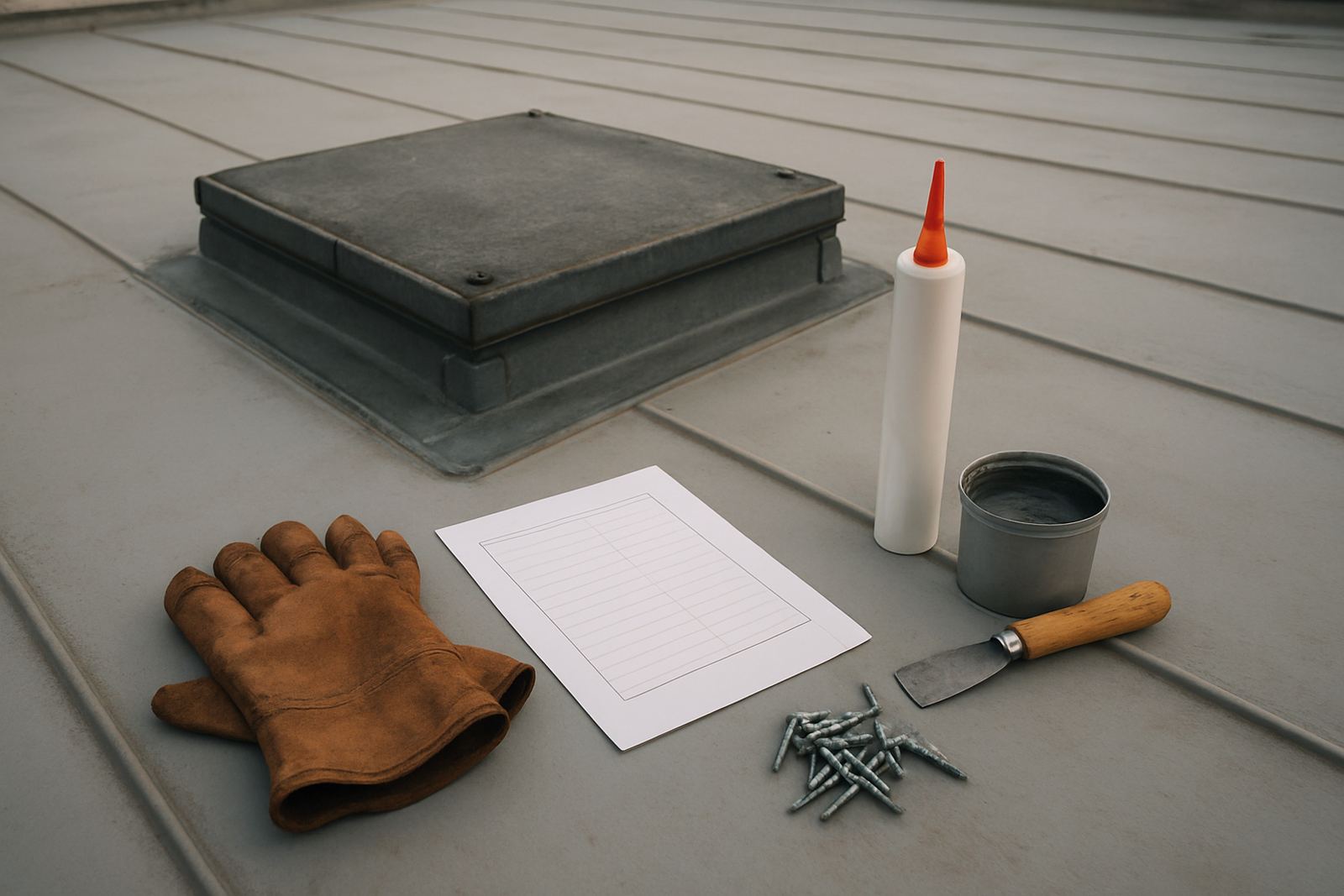
Most sheeted roofs fail first at the fixings and joints rather than the middle of the sheet. Screws can loosen with heat expansion, wind vibration and normal movement. Rubber washers perish over time, and once that happens water can track into the roof structure. The same applies to flashings and ridge cappings where laps and sealant lines take the weather first.
Look for fasteners that have lifted, rusted heads, or washers that look cracked and flat. On older roofs, cut edges and drilled holes should be checked carefully because moisture tends to start there. If you see white powdery staining on galvanised material or rust on colour-coated sheets, it is time to inspect the area properly and replace damaged fixings before the problem spreads.
A good maintenance inspection also includes checking that any sealant used at laps or junctions is still flexible. Cracked sealant is no longer doing its job, even if it looks harmless from the ground.
Manage Moss, Dirt and Coastal Corrosion Before They Take Hold
In shaded areas, dirt and organic growth hold moisture against the roof surface longer than they should. That is a problem on both sheeted roofs and gutters. Gentle cleaning with the correct method can help extend service life, but harsh scrubbing or the wrong chemical can scratch surfaces and make corrosion start faster. It is better to wash away grime than to force it off.
For homes and light industrial buildings near the sea, corrosion control is part of routine care, not just a once-off fix. Salt mist can settle on roofs even several kilometres inland, especially when wind is strong. A simple rinse during a dry spell can help, but it should not replace proper inspections of vulnerable points. If a roof has started to pit or rust at overlaps, that area should be repaired before the sheet loses strength.
- Rinse salt build-up from exposed roof areas when conditions allow
- Do not use abrasive pads on coated sheet surfaces
- Keep trees trimmed back so the roof can dry quicker
- Check shaded corners for moss, dirt or standing water
Look for Structural Movement in Trusses, Purlins and Carport Frames
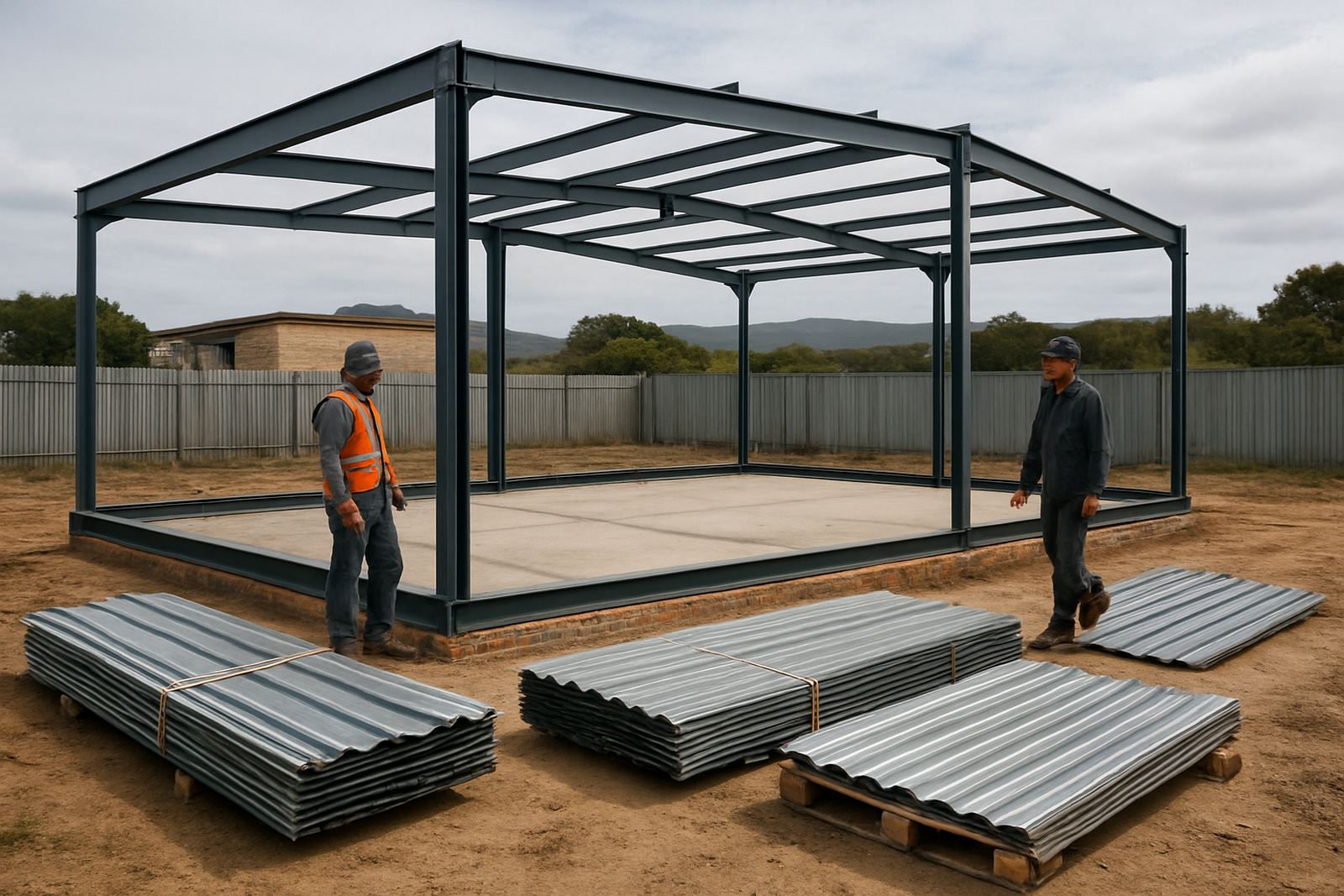
Roof maintenance is not only about the outer skin. The supporting steelwork must stay straight and secure as well. If a frame starts to move, the roof sheets and flashings will move with it and the leaks usually follow. Signs include cracked welds, visible sagging, doors or gates that no longer close properly under attached structures, and roof lines that no longer look even.
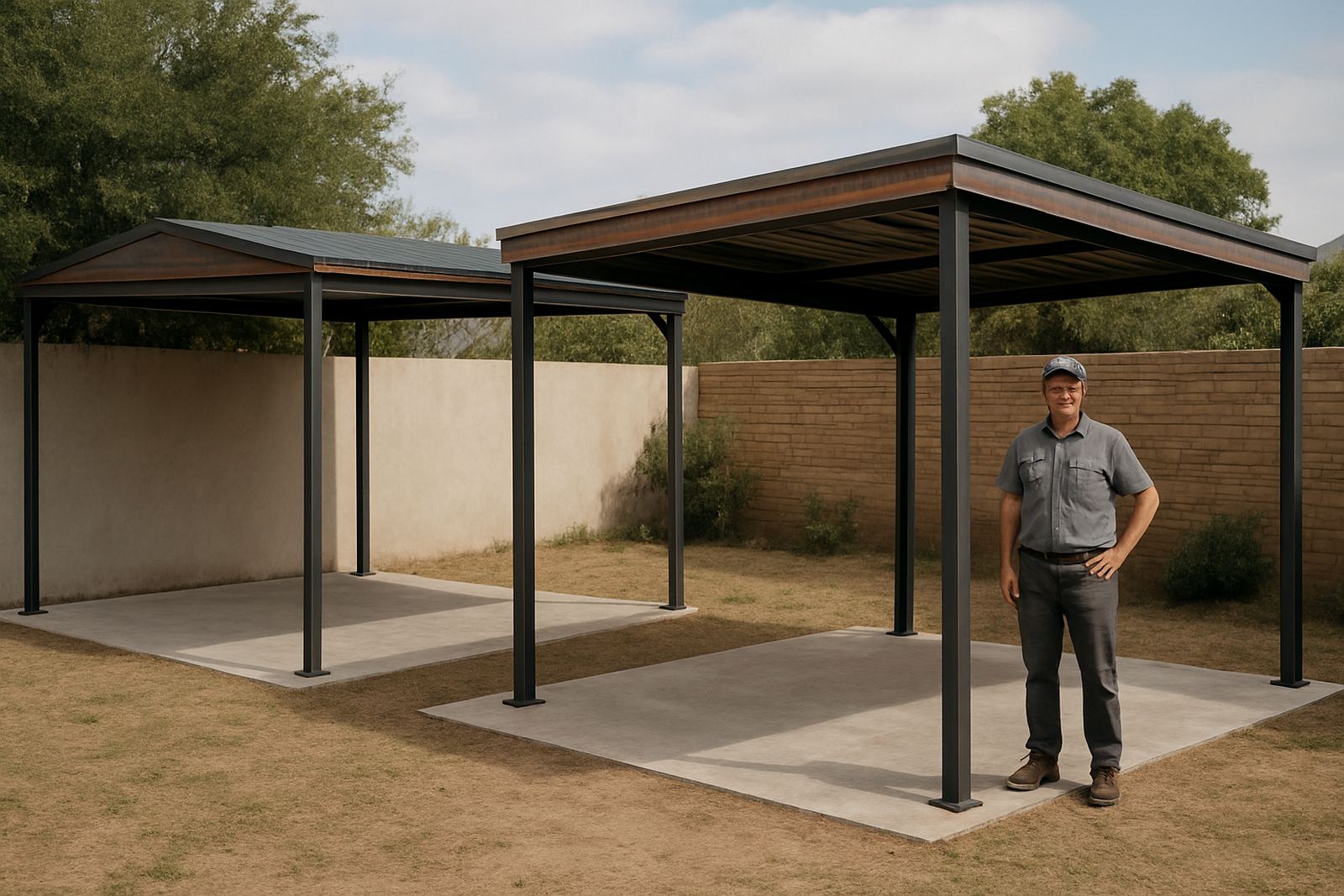
Carports and smaller steel structures need the same attention. In exposed areas like Hartenbos, wind can put a lot of strain on the frame and fixings. After a hard blow, check that anchor points are still tight and that no feet have shifted on the slab. If a structure was modified later with extra brackets or patch repairs, those areas should be included in every inspection because they are often the first to loosen.
If you are not sure whether a movement is cosmetic or structural, get it checked early. It is easier to tighten or reinforce a frame than to deal with a roof that has started to fail at several points.
A Simple Maintenance Schedule That Works
A practical schedule keeps roof care manageable and stops small faults from turning into expensive repair work. For most sheeted roofs in the southern Cape, a quick visual check every three months is enough, with a fuller inspection before winter and again after the rainy season. Busy industrial sites, coastal properties and roofs under trees may need more frequent attention.
Use the same checklist each time so nothing gets missed. Photograph problem areas, note the date, and keep a record of repairs. That makes it easier to see if a leak is getting worse or if a gutter is filling faster than before. A simple log also helps when you need to decide whether a local repair is enough or if a section should be replaced.
- Quarterly visual check from ground level and safe access points
- Pre-winter gutter clean and fastener inspection
- Post-storm check for lifted sheets and overflow marks
- Annual maintenance inspection for fixings, flashings and structure
When a roof starts needing patch-after-patch work, it is usually time to assess the whole section properly. Early intervention costs less and keeps the building drier, which matters for stored goods, tools and everyday comfort.
When to Bring In a Sheet Metal Team
Some maintenance can be handled by a property owner, but repairs at height, persistent leaks, damaged flashings or gutter sections that no longer hold line should be dealt with by experienced roof hands. If you can see rust spreading, repeated water entry, or sheets that have started to lift after wind, do not leave it for later. The damage often gets worse during the next storm.
For buildings in Mossel Bay, Gouriqua Park, George, Sedgefield and nearby areas, professional inspection is especially useful where access is awkward or the roof is part of a larger steel structure. A proper assessment can identify whether the fix is a local repair, a gutter replacement, new flashings, or a section of roof sheeting that should be renewed. That way you pay for the right work the first time, not three smaller repairs that never solve the cause.