Start with the roof size and rainfall load
The first step is to look at the roof, not the gutter brochure. A small patio roof in Hartenbos will not need the same gutter capacity as a wide warehouse roof in Mossel Bay or George. Measure the roof edge length, the roof pitch, and how many downpipes will be needed to carry water away fast enough during a heavy winter storm.
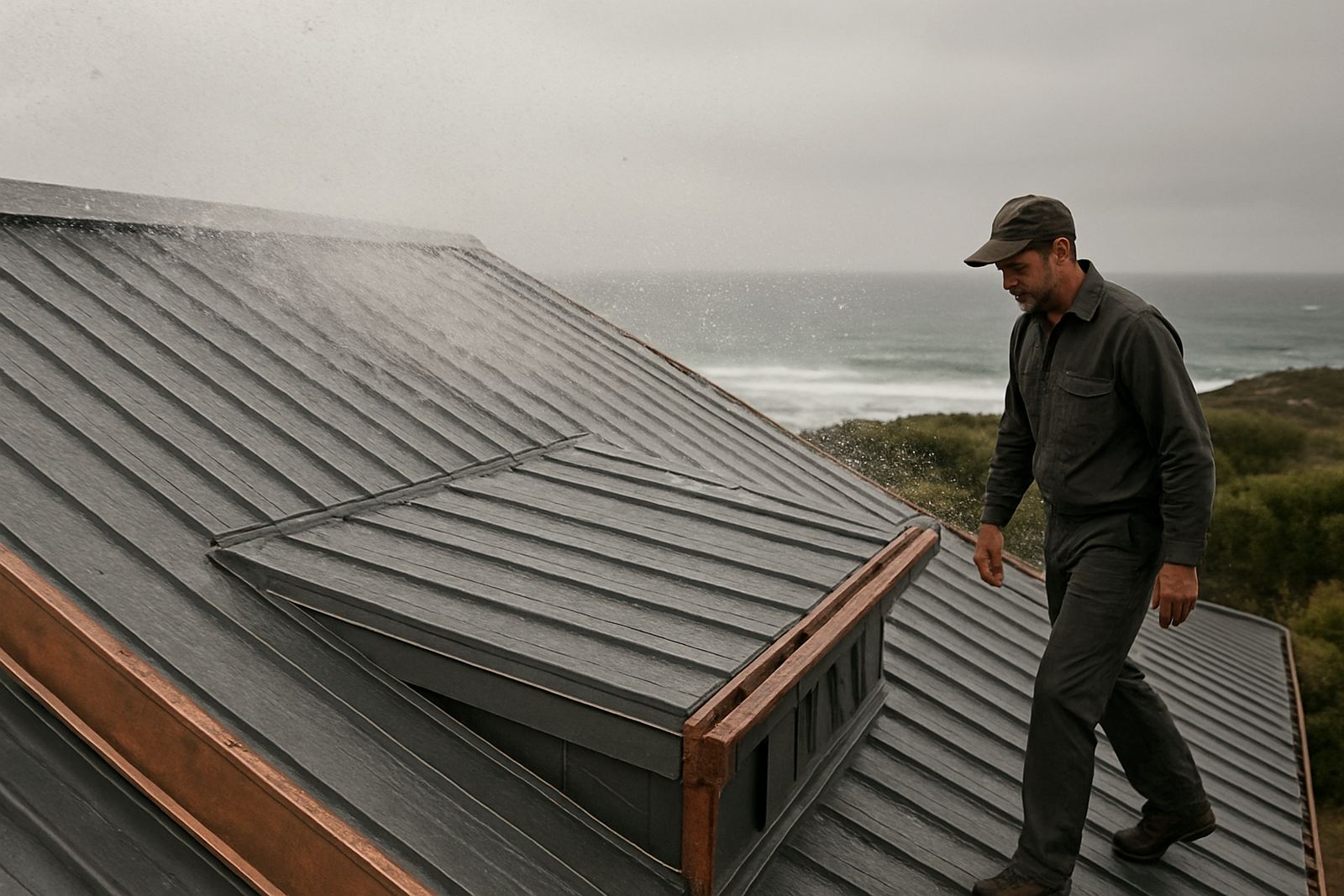
On the coast, strong rain can arrive with wind and blow water back under the edge if the gutter is too small or badly positioned. That means the roof overhang, fascia line and gutter front profile all matter. If your building has valleys, parapets or multiple roof levels, ask for a site measure before you order anything. A good installer will also check where water can discharge without pooling near foundations.
- Measure every roof side, not only the main frontage
- Check where water will go once it leaves the downpipe
- Confirm whether the roof has valleys, joints or offset sections
- Ask how the gutter will perform during a heavy south coast downpour
Compare gutter materials for coast and town use
Material choice makes a big difference to lifespan and maintenance. In a place like Mossel Bay, salt in the air and constant sun can wear weak finishes quickly. For homes, offices and small industrial buildings, compare the material thickness, coating quality and how the sections will be joined. Thin material may cost less now, but it can sag, dent or leak sooner.
Steel gutters are often chosen where a firmer profile is needed for longer runs or larger roofs. The key is proper fabrication and the right finish for the area. If the gutter will be exposed to coastal humidity, ask what protection is used on cut edges, fasteners and joints. If the building is near trees, consider a profile that is easier to clean and less likely to trap debris.
- Ask for the material thickness in millimetres
- Check if the finish suits coastal air and UV exposure
- Confirm how joints, corners and outlets are sealed
- Compare expected cleaning needs if the roof sits under trees
Choose the right gutter profile and outlet size
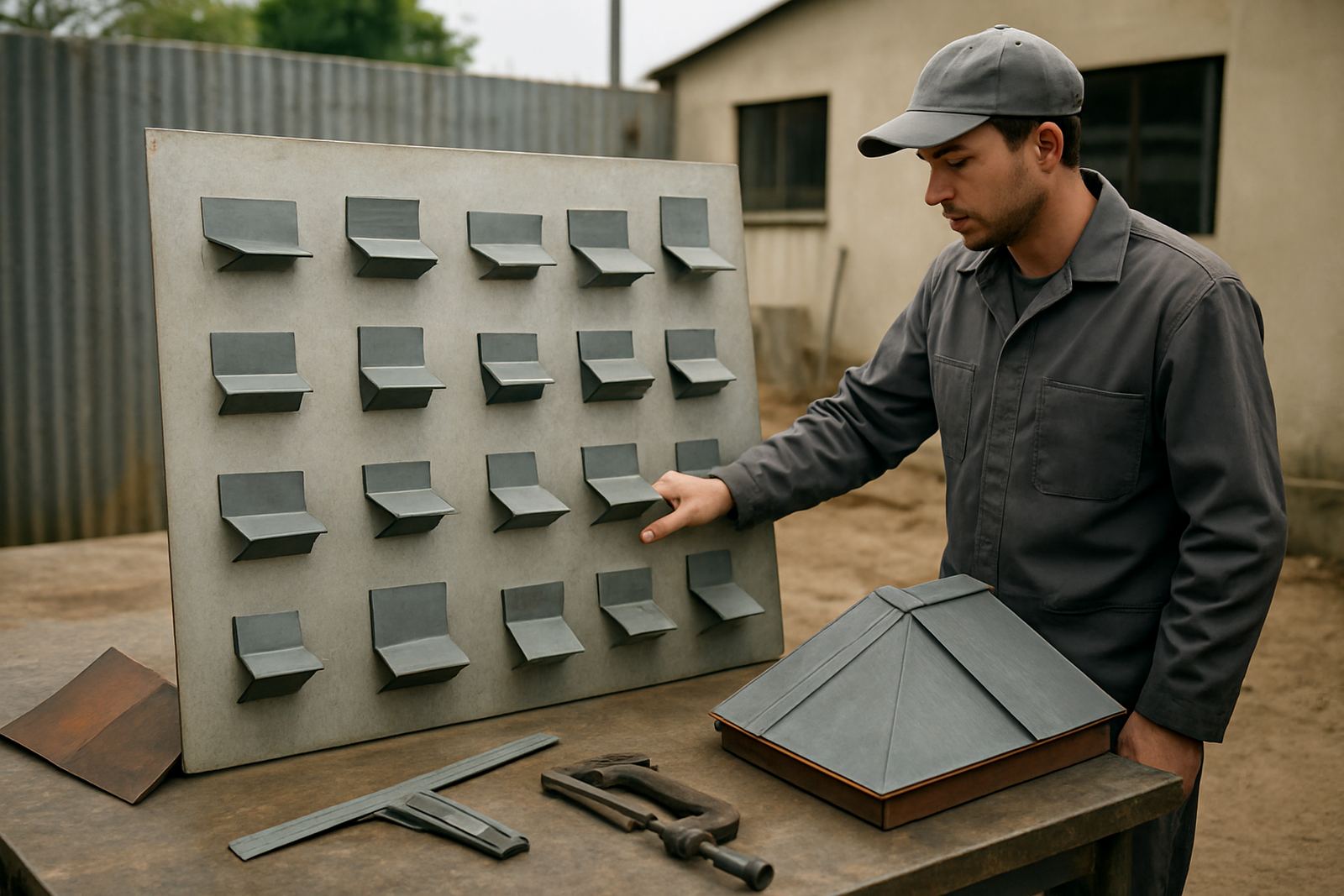
Not all gutters move water in the same way. A wider profile can handle more flow, while a deeper profile may help where rainfall is intense or the roof area is large. Round, box and custom folded profiles all have uses, but the right one depends on the roof edge, the fall available and the look of the building. On business premises, the profile should also suit the structure and not interfere with signage, awnings or walkways.
Downpipe size is just as important as the gutter itself. A good gutter with a small outlet can still overflow. Ask how many outlets are needed, where they will be placed, and whether the installer recommends extra outlets at valleys or long runs. If there is a history of overflow, stains or damp on the walls, that usually means the gutter system is undersized or poorly pitched.
- Match profile depth to the roof size and rainfall pattern
- Check outlet placement on long runs and roof valleys
- Ask about downpipe diameter and discharge points
- Look for signs of past overflow on walls, paving and foundations
Check the fall, brackets and fixing points
Even the best gutter will fail if it is not installed with the correct fall. Water must move steadily toward each outlet, not sit still in the middle and breed rust, dirt or mosquito problems. During a site inspection, the installer should check the fascia, roof edge and bracket spacing before quoting. If the brackets are too far apart, the gutter may bow once it fills with rain.
In coastal areas and older buildings, the fixing points can be weakened by corrosion, timber movement or past repair work. That is why a proper site check matters. Ask how often the brackets will be placed, whether the fascia can carry the load, and how the gutter will be anchored at corners and joins. A neat-looking run is useless if it sags after the first season.
- Confirm the gutter will have a proper fall to each outlet
- Ask how far apart the brackets will be fixed
- Check whether the fascia or wall can take the load
- Look for corrosion or movement at old fixing points
For business premises, think beyond the gutter line
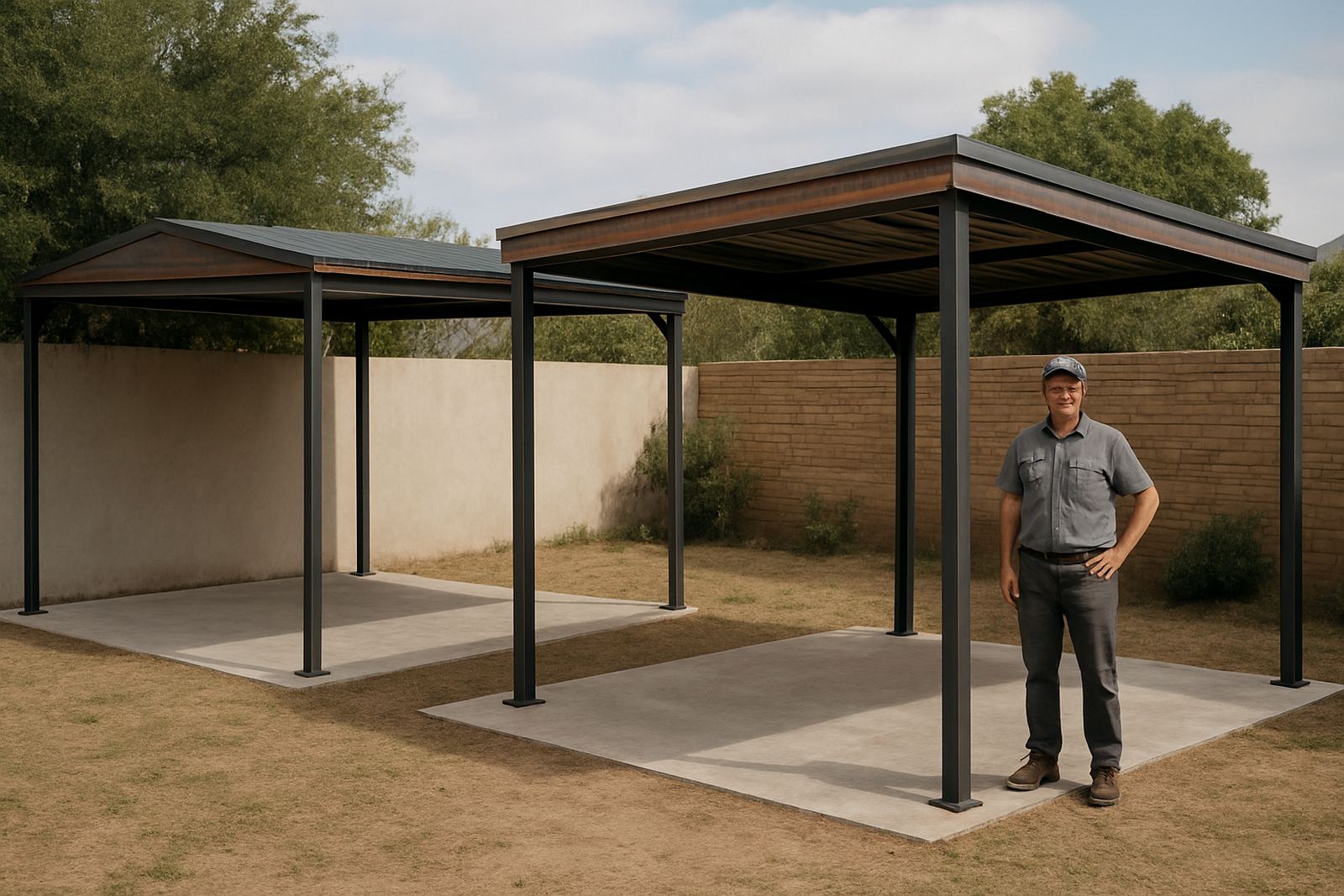
Shops, workshops, storage sheds and small offices have extra things to consider. Water must not drip onto customer entrances, loading areas or electrical fittings. If the building has a steel frame, carport, canopy or walkway, the guttering should be planned with those features in mind. Business owners often need a solution that handles longer runs and is easy to inspect after load-shedding periods when maintenance gets delayed.
It is also worth thinking about access for cleaning. If the gutter sits above a busy pavement or parking area, blocked debris can become a safety issue. A proper guide to buying gutters for a business premise should include maintenance access, overflow control and where stormwater will be discharged. On commercial sites, one bad joint can lead to patching, repainting and complaints from tenants.
- Keep water away from doors, walkways and electrical points
- Plan for easier cleaning and inspection access
- Check the route stormwater will take after discharge
- Factor in future maintenance, not only the installation cost
Use a simple buying checklist before you sign
Before you place an order, compare at least three things: the roof measurements, the material specification and the installation method. Ask for a written scope that shows what is included, such as custom corners, outlets, brackets, downpipes and disposal of the old system. If you are replacing gutters, the old damage may have hidden rust, loose timber or cracked wall plaster that should be sorted at the same time.
For homes in Mossel Bay, Great Brak River, Wilderness and Sedgefield, weather and salt exposure can shorten the life of a poor system. For that reason, it pays to buy once and buy properly. A good installer will explain what suits the building now and what will save you repairs later. Do not choose only on the cheapest line item, that often becomes the most expensive option after the first winter.
- Roof measurements and gutter lengths confirmed on site
- Material thickness, finish and joint method listed clearly
- Outlet and downpipe positions shown before work starts
- Removal, repairs and cleaning responsibilities agreed in writing