Start with how the shed will actually be used
A utility shed on a smallholding near Great Brak River does not need the same finish as a feed store, a workshop or an equipment shed in Gouriqua Park. Before you price sheets, think about what the building will store, how often the doors will open, and whether people will work inside it every day. A shed that holds machinery or stock needs better weather protection than a simple lock-up for tools.
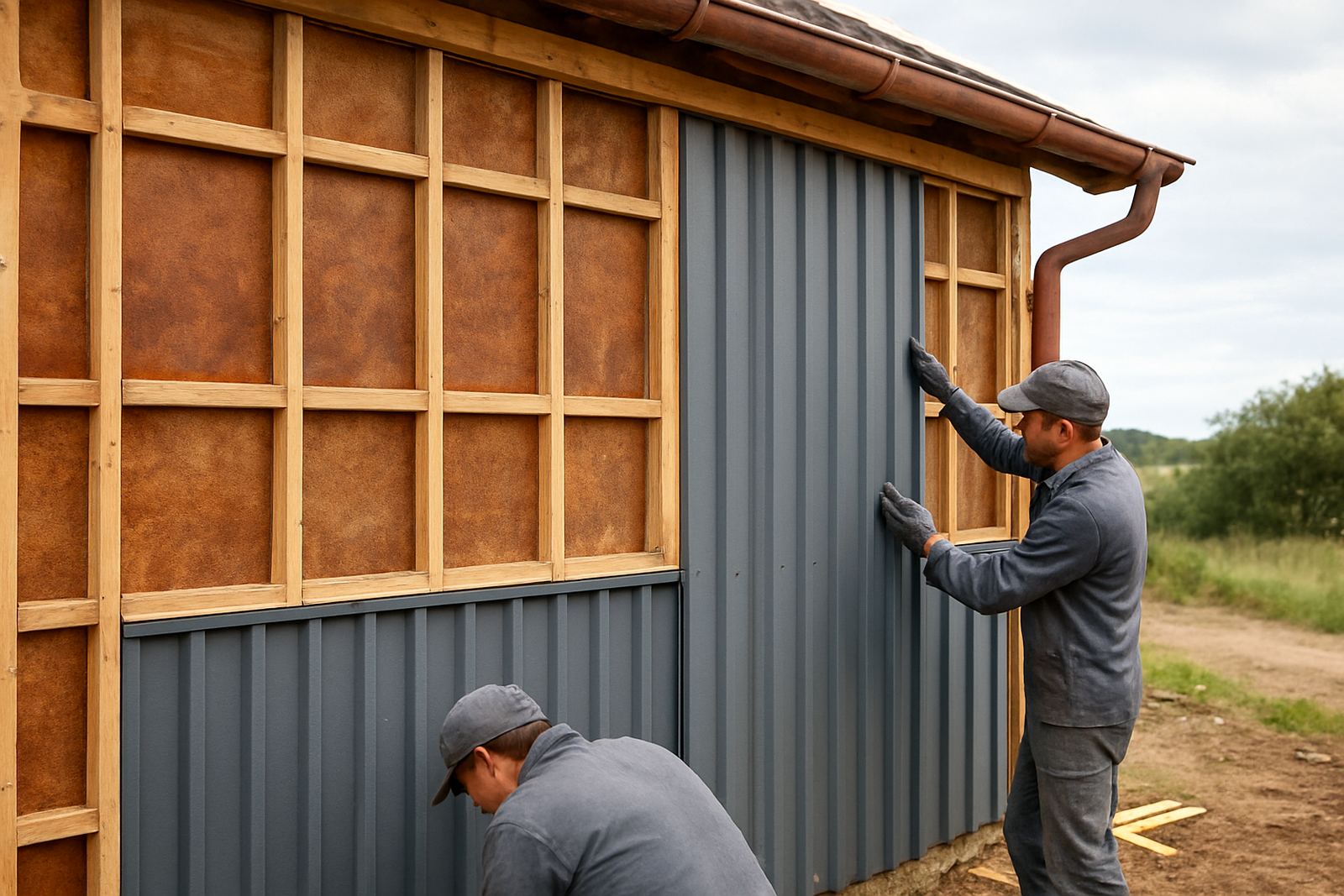
Cladding should match the load and the job. If the building is a light steel frame, the sheets must suit the purlin spacing, fixing pattern and wind exposure. If the shed will be used for storage through winter, pay attention to condensation, because damp boxes, rust on fittings and mould on timber all start with poor planning. A cheap sheet can become expensive once you are replacing contents after a wet season, or redoing panels that have buckled.
For clients in Mossel Bay, the first question is usually not colour, it is whether the shed needs to stay dry and stay standing in a coastal wind. That is the right starting point.
Choose a sheet profile that suits wind, rain and cleaning
Not every profile behaves the same in southern Cape weather. A deeper rib can help with stiffness on wider spans, while flatter profiles may suit smaller outbuildings where appearance matters more. On coastal sites, the important point is how the sheet sheds water, how well the fixings sit, and whether the profile allows dirt and salt to wash off instead of building up in corners.
When a shed sits close to the sea, corrosion risk rises. The salty air in Mossel Bay and Hartenbos can shorten the life of ordinary fittings if they are poorly specified. Good cladding is only as good as the screws, washers, flashings and cut edges around it. That is why a site measure matters before anything is ordered. A few millimetres off on end laps or wall height can lead to gaps that whistle in the wind and leak in driving rain.
- Check the roof pitch, because low slopes need careful lap details.
- Match sheet length to the building so there are fewer joins.
- Ask how the cut edges and fasteners will be protected.
- Allow for cleaning access if the shed is near trees or an active yard.
Fixings and flashings matter more than most people think
Many shed problems start at the edges, not in the middle of the wall. Flashings around corners, roof joins, doors and openings must keep water out while allowing the structure to move a little in wind. On a steel shed, movement is normal. If the cladding is locked too tightly or left too loose, sheets can oil-can, rattle, or tear around the screws.
Custom flashings are worth the effort because sheds seldom have neat standard shapes once you factor in gutters, lean-tos, roof overhangs and service openings. A proper flashing helps protect the timber or steel framing below, and it gives a cleaner line where wall cladding meets the roof sheet. In a maintenance building this also makes future repairs easier, since one section can be opened without disturbing the entire side.
It helps to think of cladding as a system, not just a product. Sheet, flashing, fastener, sealant and support spacing all have to work together. Miss one part and the whole shed starts causing trouble after the first hard rain.
Do not ignore condensation inside the shed
In the southern Cape, warm daytime temperatures and cooler nights can create condensation inside metal buildings. That is a problem for stored feed, boxed parts, electrical tools and packaging. If the shed is unventilated, moisture can drip from the underside of the roof sheet and settle on anything below.
The answer is not always insulation, although insulation can help. Sometimes the better move is to improve air flow, raise the ridge detail, fit eaves ventilation or use a lining where the shed needs a more controlled interior. The right choice depends on the use of the building, the budget and whether the client wants a simple storage shed or a working space.
For agricultural sheds, think carefully about temperature swings. A shed that feels fine at midday may still sweat by dawn. That moisture can ruin bagged goods and encourage rust on equipment, especially if the building sits near the coast or in a low-lying area with poor drainage.
- Provide ventilation where hot air can escape.
- Keep stored goods off the floor on pallets or steel stands.
- Check for damp marks after the first winter rain.
- Plan for a lining or insulation if sensitive stock will be kept inside.
Match the cladding to the town and the site rules
A shed in Wilderness may need different handling from one in a more open yard near Sedgefield. Wind exposure, neighbouring buildings, drainage and access all affect the cladding choice. In some areas, local requirements can also affect roof lines, stormwater run-off and the appearance of structures close to a boundary. It is wise to check these points before fabrication begins, because changing them later costs time and money.
At J&E Sheet Metal, site measuring is part of the process because every plot has its own quirks. A level floor on paper may still fall off slightly on site. A boundary wall might force a shorter overhang, or a carport-style shed might need a different trim at the entrance. These are the sorts of small things that decide whether the finished building feels well made or like a patch-up job.
For a client in George, for example, a farm shed used for implements and seasonal storage may need tougher detailing at the windward side, while a Mossel Bay coastal unit may need better corrosion control on fixings and gutters. Same broad building type, different cladding plan.
A practical example from the southern Cape
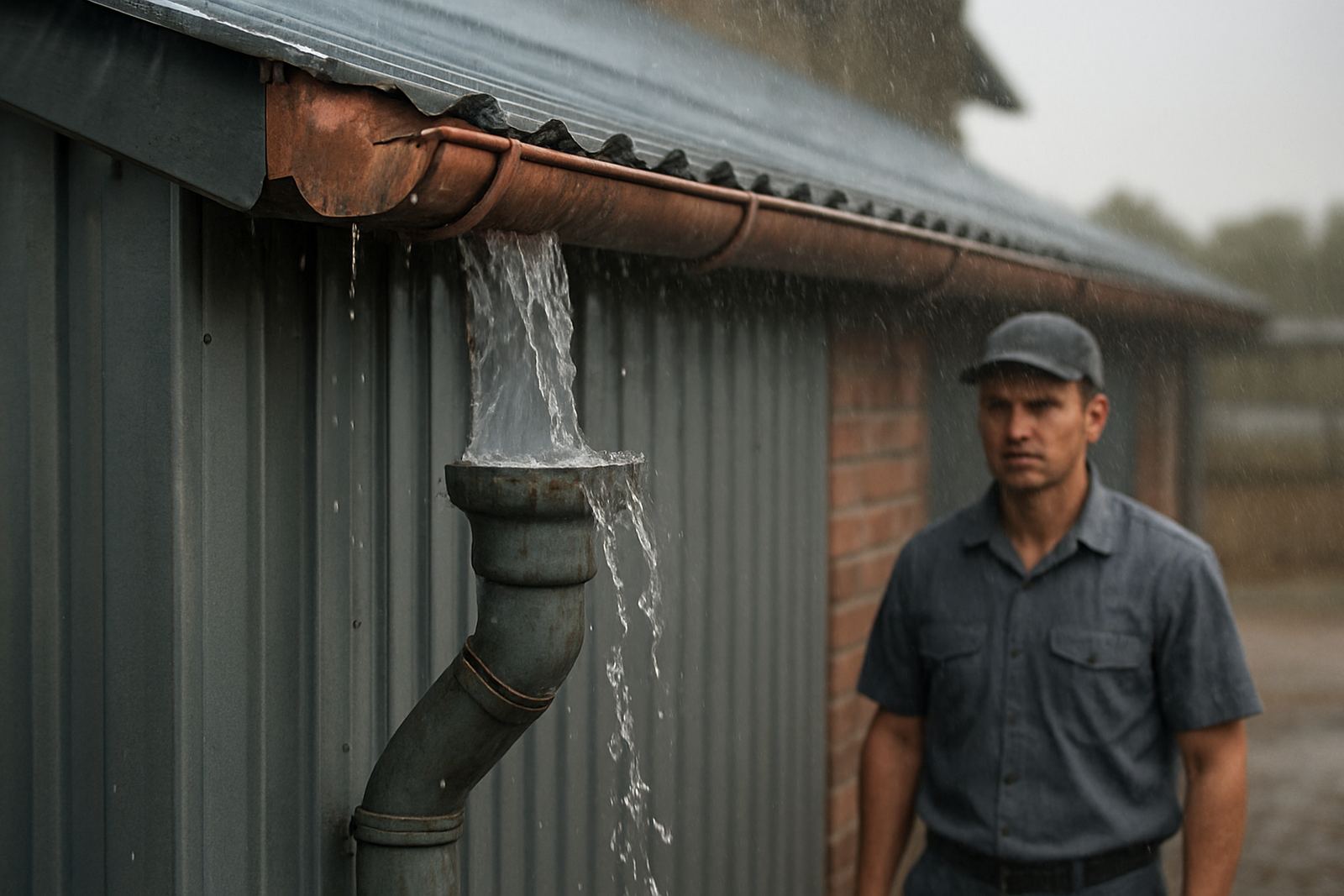
Picture a small agricultural shed outside Hartenbos used for feed, hand tools and a compact tractor. The owner wants quick access, less rust and no leaks during winter. The sensible approach would be steel frame erection first, then wall cladding with properly sized sheets, custom flashings around the doors, and gutter fabrication to move water away from the entrance and the hardstand.
Because the site is close to the coast, the fixing details matter just as much as the sheet thickness. The installer must allow for wind, salt air and regular opening of the doors. If the shed also sits under trees, maintenance inspections become part of the plan so leaves do not block gutters and push water back under the eaves.
That kind of project is not about making the shed fancy. It is about making it last, staying dry in July and still looking tidy after a few years of farm use. A good shed should take pressure from weather and work without becoming a repair list.
What to ask before you order shed cladding
If you are comparing options, ask clear questions and insist on clear answers. Good cladding work should be explained in simple terms, with measurements, fixing details and expected maintenance laid out before fabrication starts. The cheapest quote is not always the cheapest job once you add future repairs, roof leak repairs and replacement panels.
- How will the sheets be measured and cut for this exact shed?
- What flashing details are included at corners, doors and roof edges?
- Will the fixings suit coastal conditions and regular rain?
- Is there a plan for gutters, drainage and maintenance access?
- What happens if the building needs future additions or changes?
When those answers are solid, the shed has a better chance of giving years of service. In a place like Mossel Bay, that is what matters most. You want cladding that handles weather, suits the site and keeps the building useful, not one that only looks good on day one.