Overflow at the corners is usually the first clue
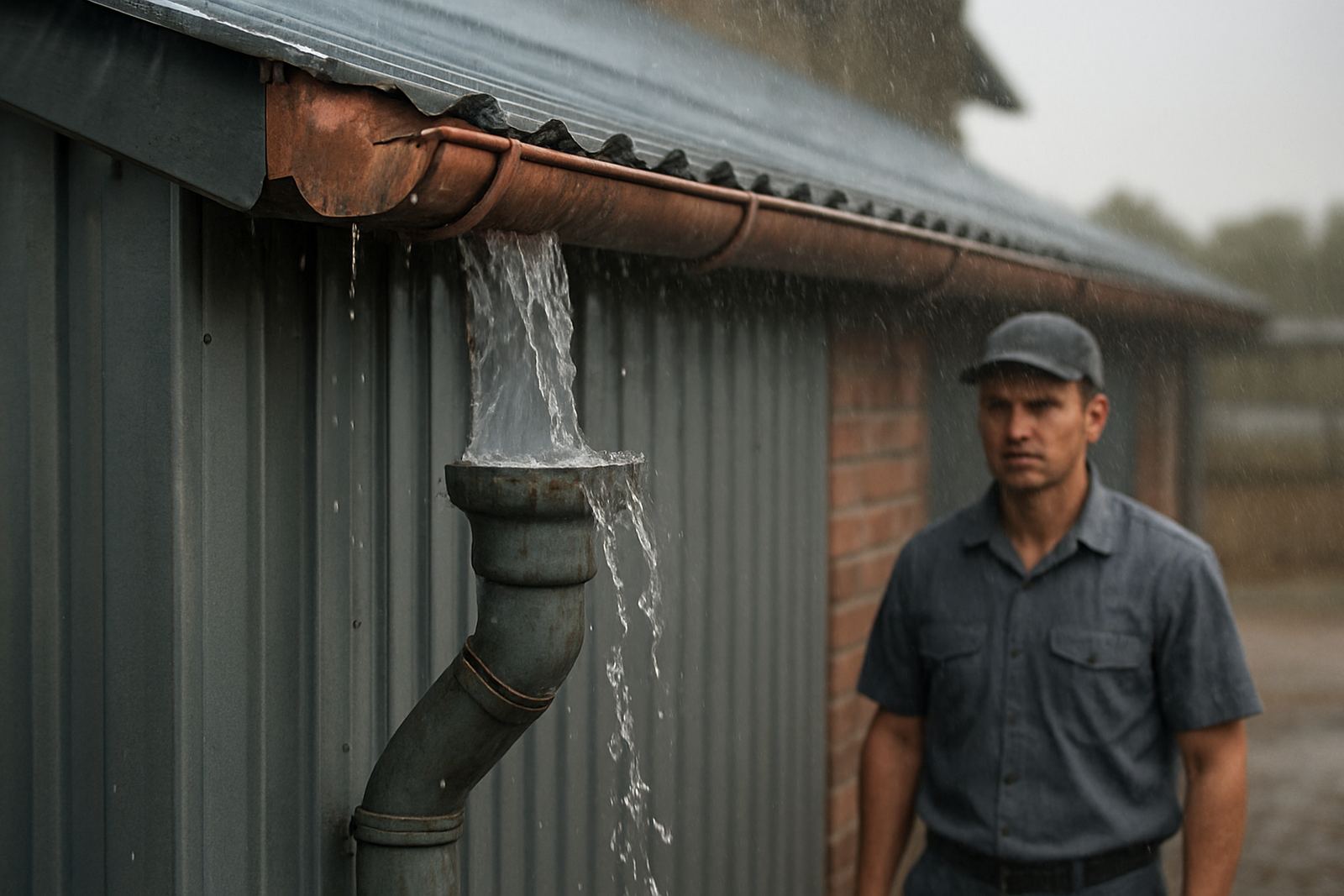
If water is spilling over the gutter edges near the corners, joints or end caps, the system may not be taking the volume it should. A small drip in light rain is one thing, but a steady sheet of water running over the front of the gutter means the downpipes are already under pressure. On bigger roof areas, one or two downpipes can be enough for a short shower, then fail quickly once the rain picks up.
In coastal areas like Mossel Bay, wind-driven rain also pushes more water onto the roof than people expect. That extra load can fill gutters fast, especially where roof pitches are steep or valleys feed water into one section. If you keep seeing the same overflow point after every storm, the layout needs a proper check, not just another sealant patch.
- Water spilling over the same corner more than once
- Gutters filling to the top during moderate rain
- Downpipes gurgling or sucking air while water backs up
Staining on walls and paving means water is missing the pipe
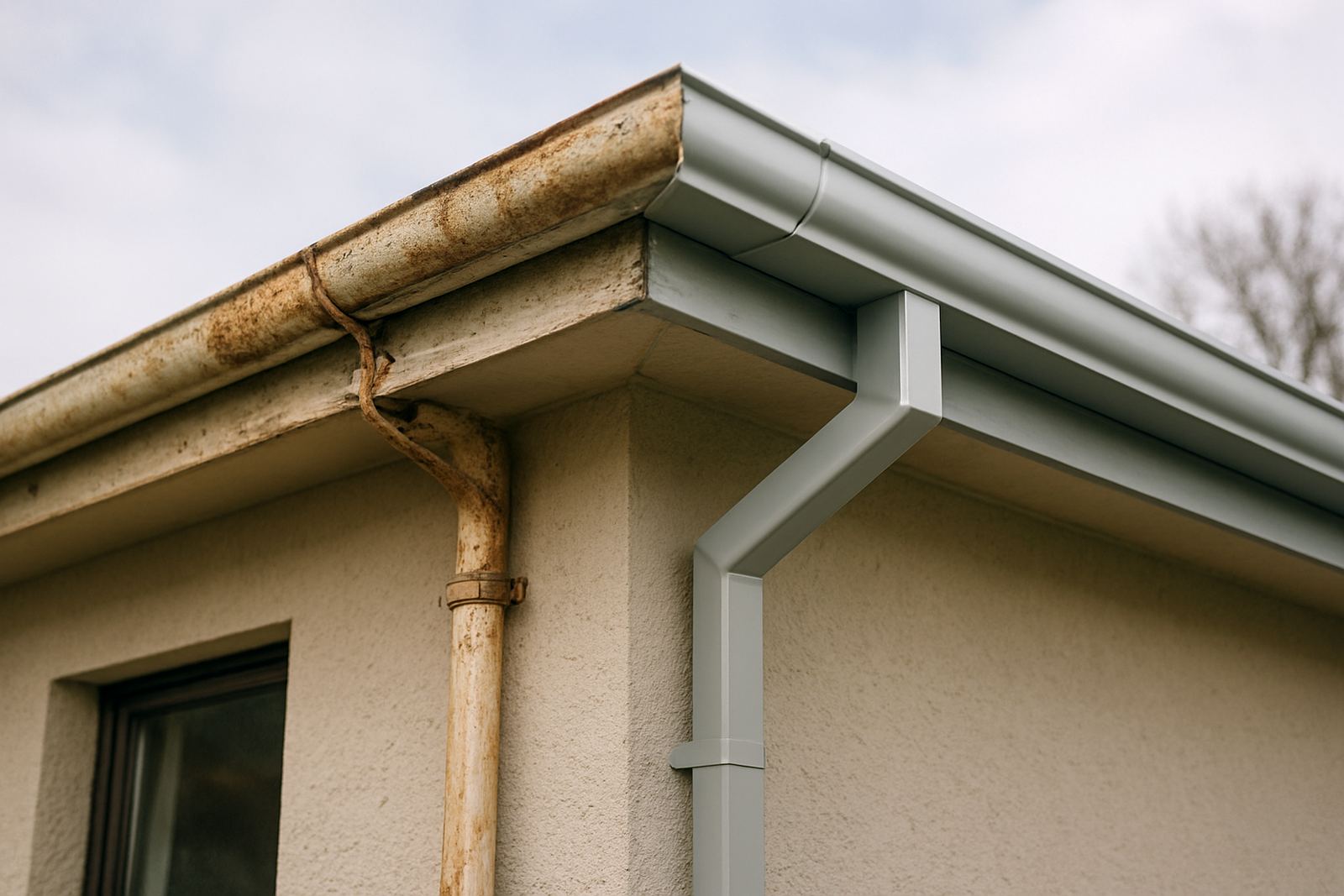
Brown streaks on plaster, damp patches below the gutter line and splashes on paving all point to runoff escaping somewhere it should not. Sometimes the pipe is blocked, but often the real issue is that the pipe size or number of outlets is not enough for the roof area it serves. If the water has nowhere to go, it overflows at the weakest point and runs down the wall.
Look at the base of the building after a storm. If the ground is washing out or the paving joint sand is lifting, the downpipe discharge may be concentrated in one small area. That can lead to erosion, loose paving and damp rising into the wall. A proper layout spreads the flow so the water leaves the building cleanly and does not keep hitting the same spot.
- Paint bubbling near the downpipe line
- Dirty splash marks below outlet points
- Erosion trenches under the pipe discharge
Bubbling, slurping and slow drainage are not normal
A healthy gutter system should carry water away without drama. When the pipe starts making loud slurping noises, or the gutter seems to empty in pulses, the outlet may be too small for the flow coming in. You might also hear air being dragged back through the pipe because the water is trying to force its way past a restricted section.
Blockages do matter, but repeated slow drainage after cleaning is a stronger sign of poor capacity. On long roof runs, the water often arrives at the downpipe faster than the pipe can accept it, so the gutter backs up even though everything is open. That is common on workshop roofs, carports and long boundary sheds where the roof area is large and the number of outlets was kept low to save on materials.
When this happens, the fix is usually not just a bigger outlet fitting. It can mean adding extra downpipes, changing the gutter fall, or splitting a long run into shorter sections so the water has more than one route down.
Roof size, valley flow and storm intensity all matter
Downpipe capacity is not guesswork. It should match the roof area, the pitch, the catchment from valleys and the amount of rainfall the site is likely to take in a short burst. A small verandah roof and a large steel structure cannot be treated the same. Even two buildings next to each other can need very different layouts if one has box gutters or a bigger sheeted roof face.
In the southern Cape, winter rain can arrive hard and fast, and a coastal gust can force water sideways into places it would not normally reach. That is why site measuring is important before any repair or replacement work. A proper check looks at the total roof area, the number of outlet points, the route the water takes and whether the existing pipe sizes are coping or simply getting by.
- Large roof sections feeding one outlet
- Valleys dumping water into a single gutter span
- Short, sharp rain causing immediate overflow
- Older properties with added rooms or extensions
Local buildings often show the signs sooner than owners expect
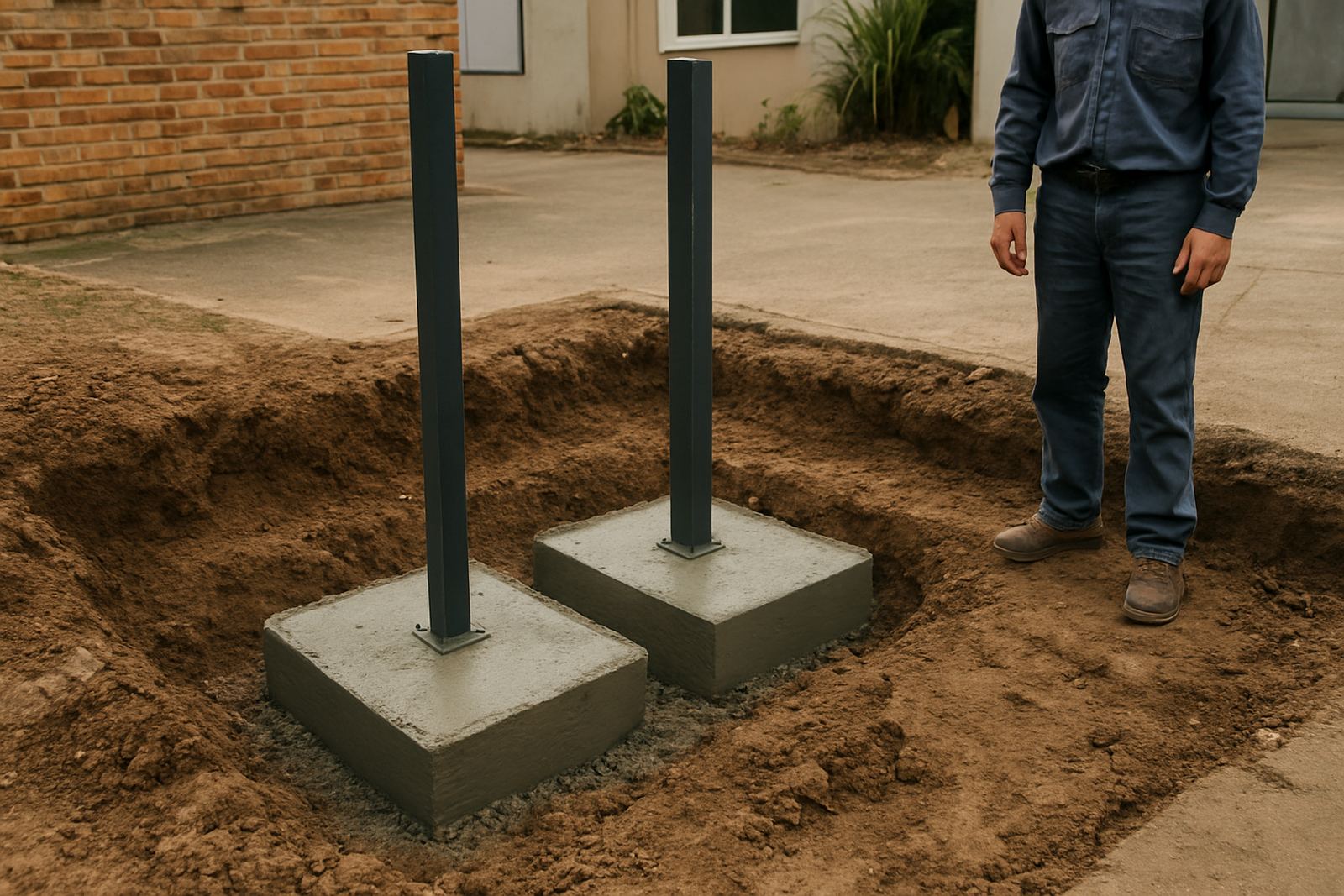
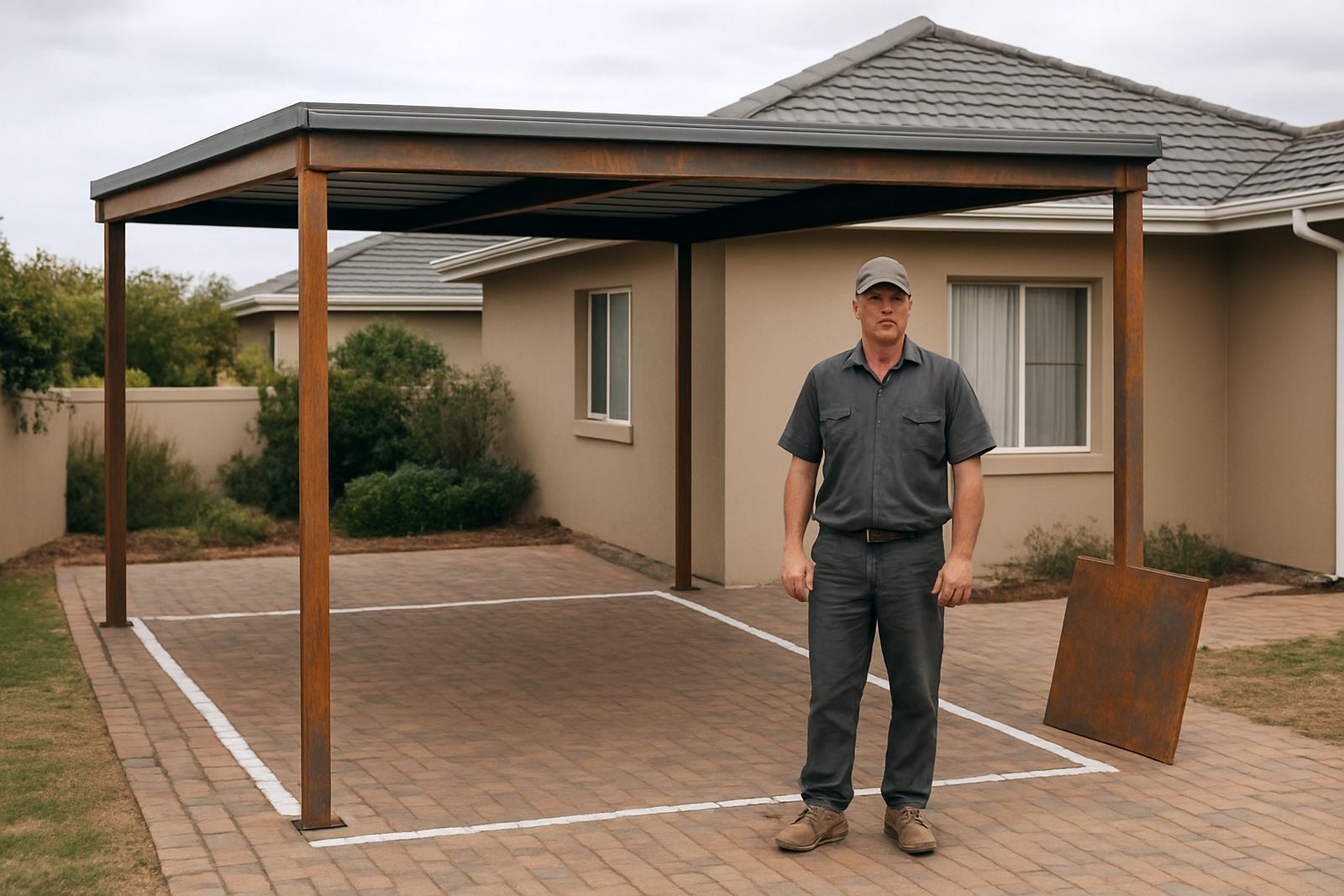
A practical example from Mossel Bay is a steel carport or small industrial unit in Gouriqua Park that was built with enough drainage for light showers, then later had extra cladding, a longer roof run or a side extension added. The roof area grows, but the old downpipes stay in place. The first heavy front then sends water over the gutter and down the wall, and by the time the owner notices, the fascia and supporting steel are already taking water where they shouldnt.
We see the same pattern in Hartenbos and Great Brak River where homes close to the coast pick up corrosion quicker if runoff keeps splashing the same brackets. A pipe that is only slightly undersized can still last a while in dry weather, but once winter sets in the weakness shows up. The safest time to correct it is before damp, rust and paint failure start spreading.
In some cases the issue is made worse by leaves, roof grit or old sealant blocking the elbow. But if the system keeps overflowing after cleaning, the warning sign is real and the pipe arrangement needs to be reworked.
What to do before the next heavy rain
Start with a close inspection after rain. Check where the water stands, where it overflows and whether the downpipe outlets are discharging freely. If the gutter line is carrying water to the edge before it reaches the outlet, the layout may need more capacity, not just maintenance.
At J&E Sheet Metal we handle site measuring, gutter fabrication, gutter replacement, custom flashings and roof leak repairs for Mossel Bay and the wider southern Cape. For property owners, the best approach is to solve the cause while the problem is still small. That might mean adding a downpipe, increasing outlet size, improving the fall or replacing sections that are already damaged.
- Check after a proper rain, not only in dry weather
- Clean the system, then test it again
- Look for repeat overflow at the same point
- Get the roof area measured before changing outlets
If you are planning maintenance on a workshop, home or carport in George, Wilderness or Sedgefield, it is worth sorting the drainage before the rainy season starts. A downpipe that is too small will keep telling you the same story every winter.