Why the last 5 mm matters on sheet metal
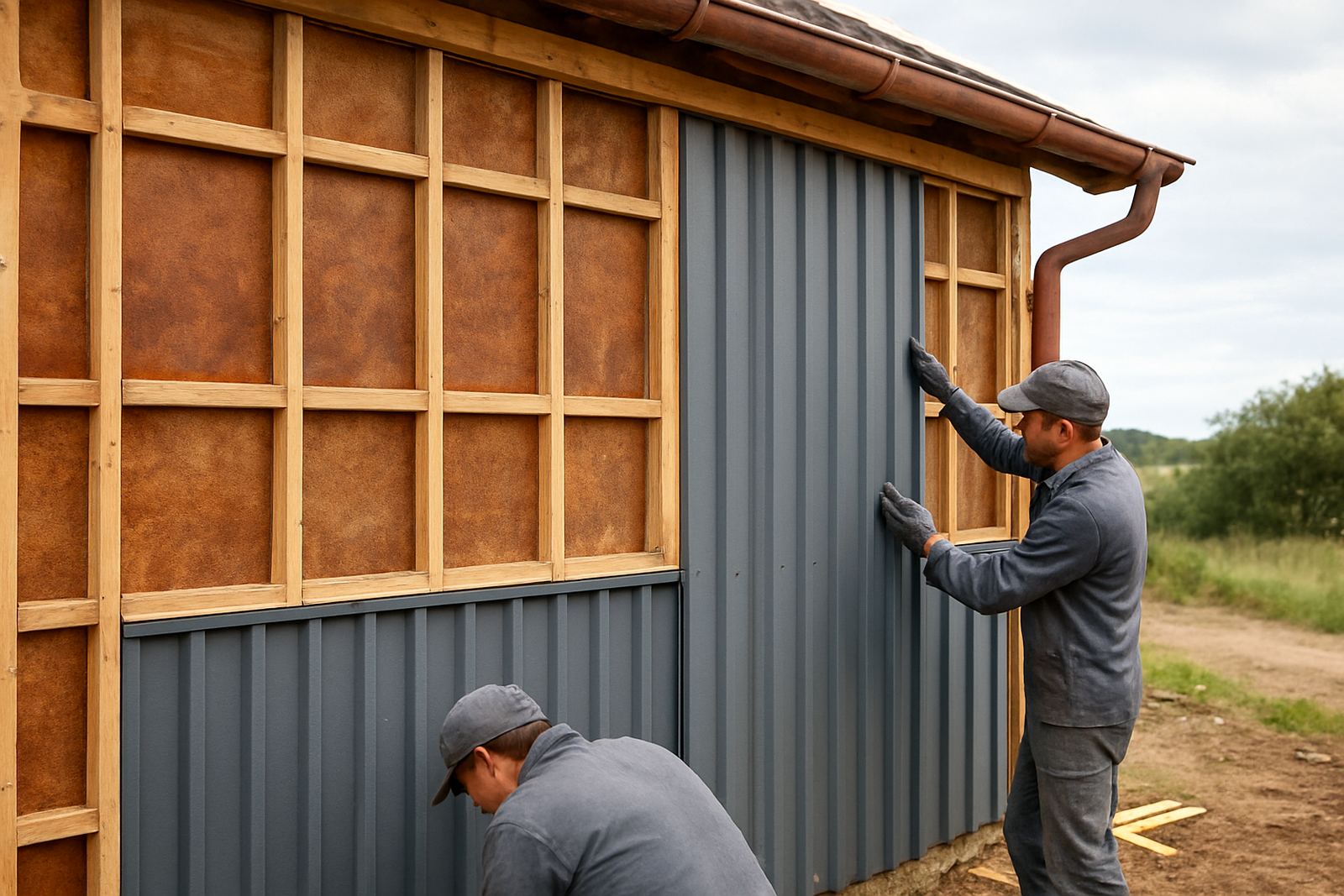
When people talk about roof sheeting or cladding, they often focus on the large panels and the visible profile. In practice, the small details at the joints, laps, corners and edges are what decide whether a job lasts well in Mossel Bay weather or starts giving trouble after the first hard winter rain.
Clean finishing means the sheets sit square, the cuts are straight, the fixings are placed correctly and all the trims meet neatly. It also means the water path has been thought through before a single sheet goes up. If a flashing is short by a few millimetres, or a gutter falls the wrong way, wind-driven rain can find its way into the structure and the damage often shows up months later. On the coast, salt air makes this worse because once moisture gets in, corrosion starts faster than many owners expect.
A tidy finish is not fancy work. It is careful work, done once and done properly.
How neat detailing extends service life
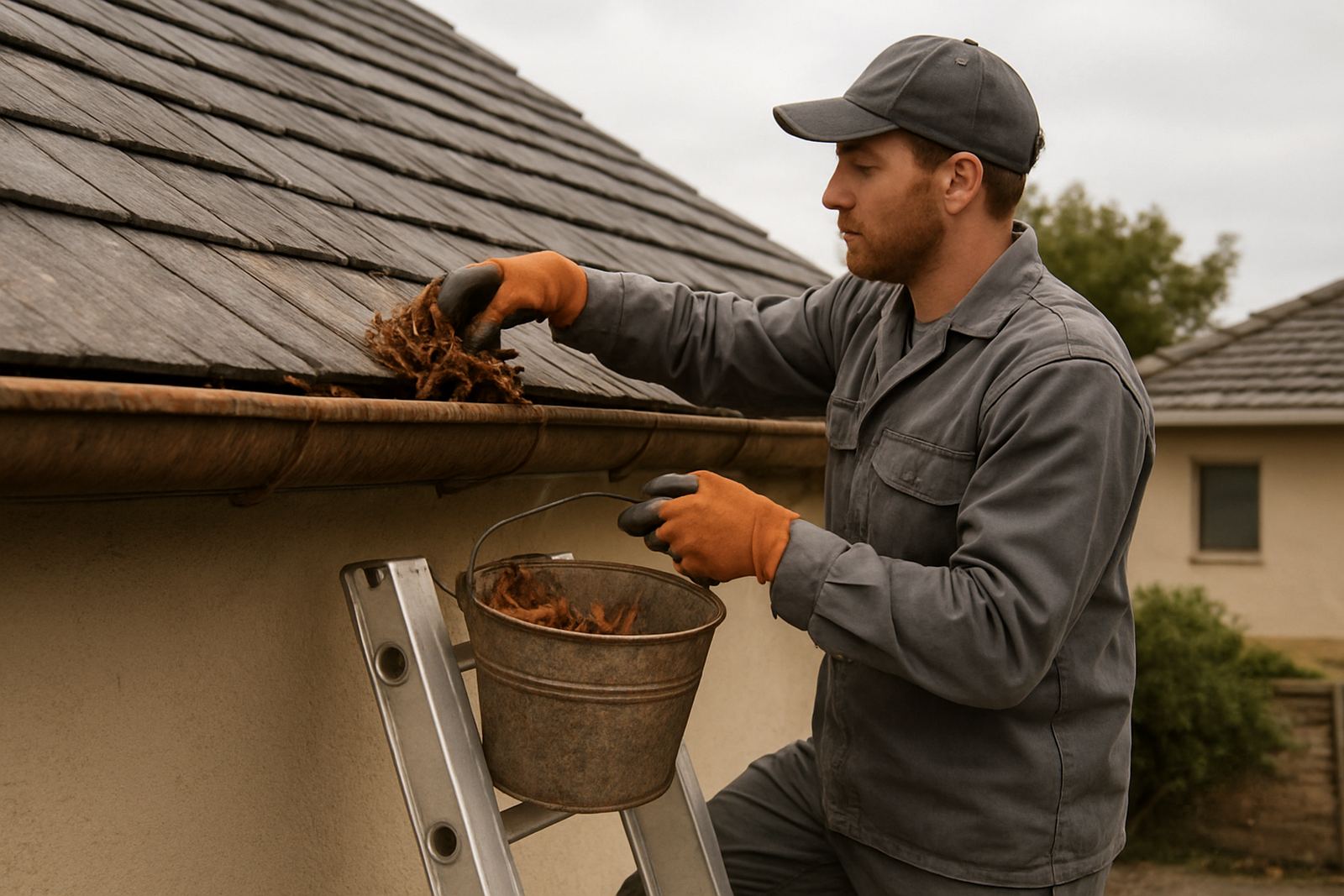
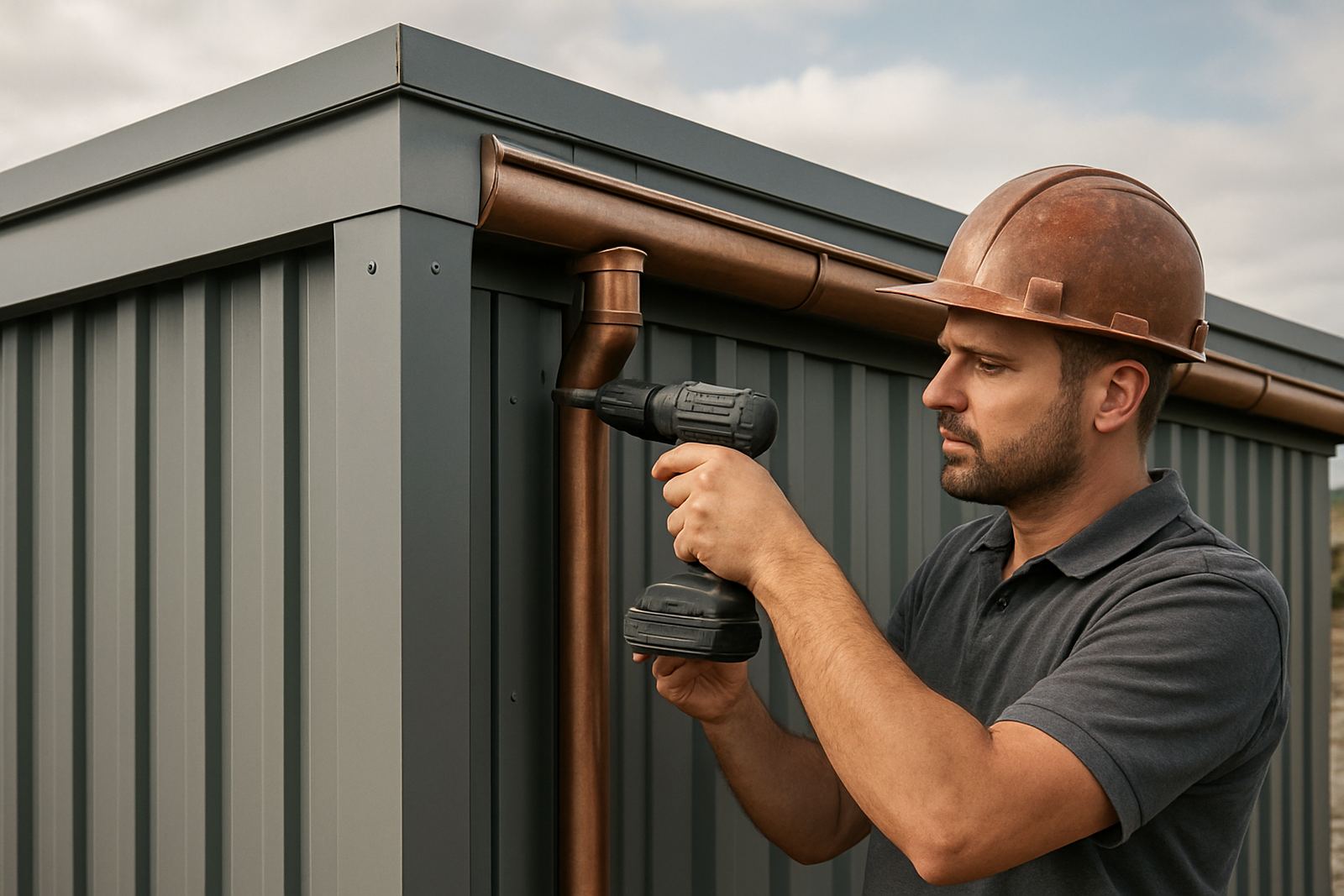
Service life is not only about the thickness of the steel. It is also about how much stress the metal sees over time. When flashing edges are folded properly, water cannot sit on raw cut lines as easily. When gutters are aligned and supported at the right centres, they do not sag and hold standing water. When screws are set straight and sealed correctly, they are less likely to work loose in wind or vibrate out over time.
Good finishing also helps during maintenance. A roof that has been installed neatly is easier to inspect after summer storms or a load-shedding related power surge that affects nearby pumps and water systems. If the original work is tidy, a contractor can spot the source of a leak quicker, which means less chasing around and less extra damage inside the building.
- Properly folded flashings reduce water entry at ridges, parapets and wall joins.
- Correct gutter falls help drainage during heavy rain and stop ponding.
- Clean cut edges and sealed fixings slow down rust at vulnerable points.
- Aligned sheets and straight trim lines reduce wind lift and rattling noise.
What local conditions around Mossel Bay do to metal work
Mossel Bay, Hartenbos and the rest of the southern Cape put sheet metal through a mixed set of conditions. Some days are dry and warm, then a cold front brings wind, driving rain and moisture from the sea. That cycle is tough on unfinished edges, poor overlaps and gutters that were never set at the right slope. Coastal humidity also means condensation can form under roofing if ventilation and closure details are ignored.
In places like Great Brak River and Wilderness, we often see jobs where the visible roof still looks fine but the hidden details have started to fail. A small gap behind a flashing or a badly cut outlet on a gutter can pull water where it should never go. Once the board or framing starts swelling, the repair costs grow quickly. That is why measuring on site matters before fabrication starts.
When the work is planned for the local conditions, the finish lasts longer and the building stays easier to manage.
The signs of a rushed finish
Owners do not always need to climb onto a roof to spot trouble. A rushed finish often leaves clues you can see from the ground. These are worth checking after installation and again after the first season of wind and rain.
- Uneven trim lines where the flashings do not sit flush against the wall or roof sheet.
- Gutters with visible sags, pooled water or overflowing points at the corners.
- Exposed cut edges that have not been folded, sealed or covered correctly.
- Fasteners that line up badly or were placed too close to the edge of the sheet.
- Patch repairs that do not match the original profile or allow water to creep in.
If a roof or carport already shows these signs, it is often worth getting it checked before the next heavy rain. Small faults are cheaper to correct early, and in some cases a focused repair is all that is needed rather than a full replacement.
A practical example from a Mossel Bay yard
At a small business yard in Gouriqua Park, a steel store and loading area started showing damp marks along one side after a wet winter. The roof sheets were not badly worn, but the gutter line had been set unevenly and the flashing at the wall join had a few rough cuts. Water was running behind the trim during strong south-easterly wind, then soaking the timber at the edge of the frame.
After a site measure, the gutters were replaced, the wall flashings were remade to suit the actual line of the building, and the roof edges were finished with proper overlaps and fixings. The result was simple but important: the damp marks stopped, the site stayed tidier and the owner no longer had to deal with drip problems every time it rained hard. It also made the building look more finished from the street, which matters when clients and suppliers arrive at the same gate.
That kind of work does not need drama. It needs accurate measuring, good shop detailing and installers who respect the line of the building.
What to ask for before the job starts
Whether the work is a new carport in Mossel Bay, roof sheet installation in George or gutter replacement in Sedgefield, it helps to ask practical questions before fabrication starts. A clear plan cuts out confusion later and keeps the finish neat from the first sheet to the last corner piece.
- Has the site been measured properly, including slopes, wall heights and outlet positions?
- Will the flashings be made to suit the actual building, not guessed from a drawing?
- Are the fixings, overlaps and edge details suitable for coastal conditions?
- Will the installer check drainage falls and water run-off before leaving site?
- Is there a plan for future maintenance inspections and minor repairs?
A proper finish is usually obvious in the final result, but it is planned long before the last screw is driven. That is why experienced sheet-metal work tends to pay for itself over time, even if the initial quote is not the cheapest on paper.