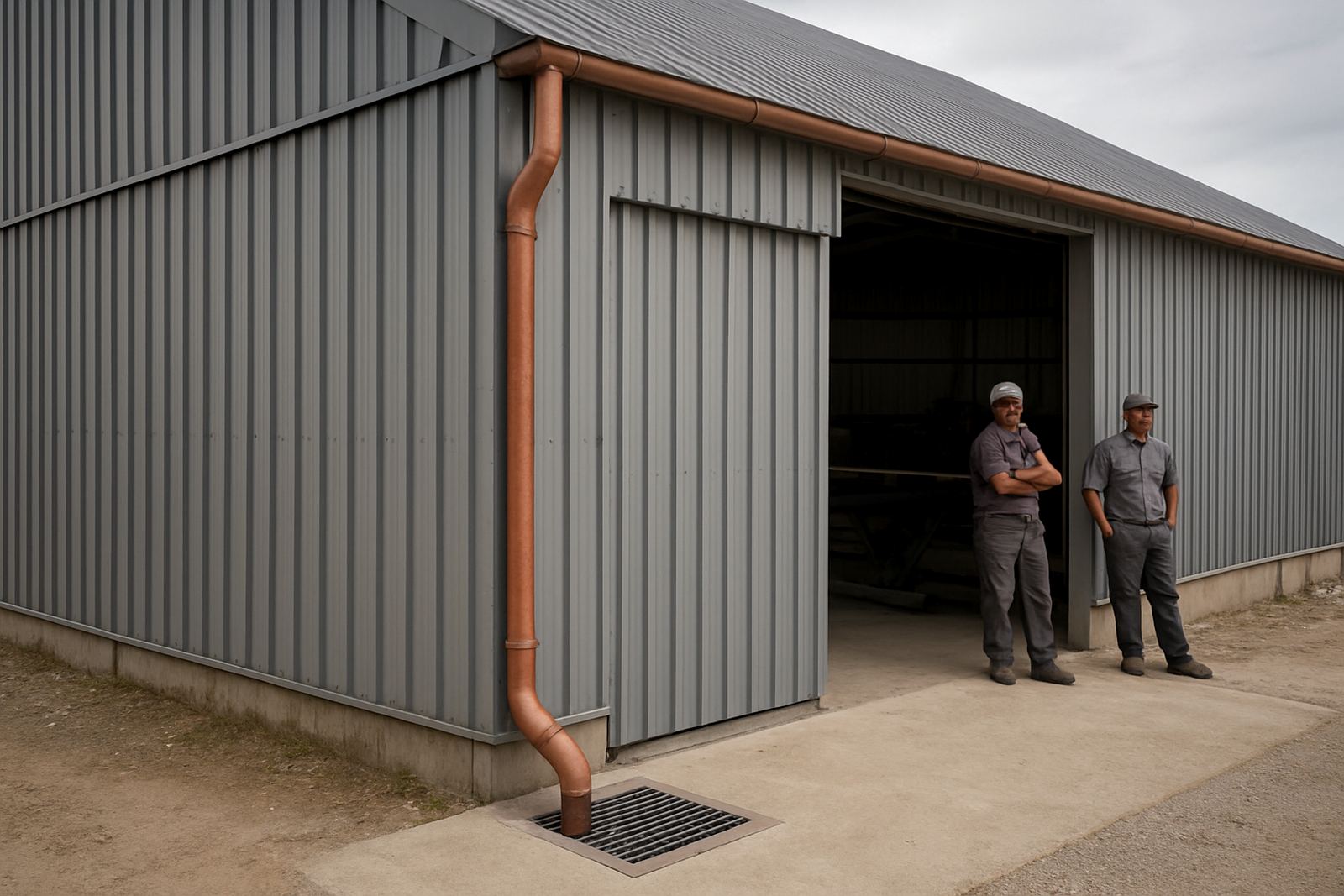
Why gutter timing matters on the southern Cape coast
On a coastal property, gutter cleaning is not just about neatness. Salt in the air, windblown sand, gum leaves, rooibos dust from nearby work yards and bird nesting material all build up faster than most owners expect. Once the first heavy rain arrives, even a partly blocked gutter can push water over the edge and into fascia boards, ceilings, shopfronts and paving.
The timing matters because the southern Cape gets a mix of summer wind, autumn debris and winter fronts. In Mossel Bay and Hartenbos, many homes look fine from the ground until a downpipe is tested by a sudden downpour. Then the overflow shows up at the worst possible time, often after hours or over a weekend. A quick inspection before the wet season is cheaper than fixing damp patches later.
The two best cleaning windows for homes and business buildings
For most properties, the safest plan is twice a year. The first clean should happen in late autumn, before steady winter rain sets in. The second should be done after the worst of the spring wind and summer debris, especially where trees overhang the roof or where seagulls and nesting birds are active.
- Late autumn: clear out leaves, twigs and sand before winter rain starts pressing water through the system.
- Late spring or early summer: remove wind-blown debris and check for loose joints before the holiday season and afternoon storms.
- After any major storm: inspect gutters if there has been hail, strong gusts or visible roof movement.
- Before painting or waterproofing work: make sure gutters and downpipes are open so surface water does not undo the repairs.
Business buildings often need a stricter schedule because flat or low-pitch roof areas collect more debris at the corners and outlets. A retail unit in George or a workshop in Great Brak River can recieve water from a blocked gutter far quicker than a homeowner would expect, especially where parapet walls trap leaves and dust.
What to watch for between cleaning dates
You do not need to wait for a full blockage before acting. Small warning signs usually show up first. Water running over the front edge in a light shower, staining on walls below the gutter line, and plants growing in the trough are all signs that the system is overdue. If you hear water gurgling in a downpipe, that often means the outlet is partially blocked.
- Overflow marks on paving or walls after a short rain
- Rust at joints, screws or brackets
- Sagging sections that hold water after the rain stops
- Insect nests, bird droppings or moss in the gutter
- Soft fascia timber or bubbling paint near the roof edge
At the coast, even a clean-looking gutter can hide a build-up of fine grit at the outlet. That grit settles in the low point and slows the water. On a windy property in Wilderness or Sedgefield, this can happen sooner than expected, so a visual check after strong wind is worth the few minutes it takes.
How seasonal use changes the schedule for different buildings
Not every building should follow the same cleaning plan. A family home under tall trees needs more frequent attention than a warehouse with clear roof edges. A guest house or business premises that must keep entrances dry should also be inspected more often because one overflow can create a slip hazard for customers or staff.
In Mossel Bay, coastal moisture can keep debris damp for longer, which means it sticks to the gutter and does not blow out easily. In George, heavier tree cover can push the schedule forward after autumn leaf fall. Homes in Hartenbos near landscaped stands may need checks after each strong wind band passes through. For carports and smaller roof covers, the same rule applies. If the roof catches leaves and dust, the gutter will too.
Municipal stormwater and drainage points also need to stay clear. It helps to check that downpipes are not discharging straight onto paving where water can run back toward the building. A clean gutter with a blocked outlet is still a problem.
A practical local example from Mossel Bay
Take a double-storey home in Gouriqua Park with a tiled roof, a few mature trees nearby and a carport on the side. The owner might think the gutters only need attention once a year. In practice, the first autumn clean clears out the leaf fall and sand. Then a shorter follow-up check before winter finds the corner outlet starting to choke with fine debris and roof grit.
If that second check is skipped, the first proper cold front can push water into the fascia line and then into the ceiling above a passage or bedroom. The repair bill is then not just for cleaning. It can include timber work, interior patching and repainting. That is why a simple calendar plan works better than waiting until something shows outside.
A simple cleaning rhythm that works for most properties
If you want an easy plan, build the cleaning around the weather instead of the date alone. Late autumn and early spring are the anchor points, then add an extra inspection after storms or heavy wind. For businesses, put gutter checks on the same schedule as roof maintenance and site inspections so nothing gets missed.
- Homes: twice a year, with a quick look after strong wind or heavy rain.
- Guest houses and offices: every 3 to 4 months if trees or roof valleys collect debris.
- Factories and workshops: inspect at each planned maintenance round, especially where water near doors affects operations.
- Coastal properties: allow for faster corrosion and salt build-up, even on parts that look sound from ground level.
If access is difficult, or if the gutters are high and fitted around steelwork or cladding, it is safer to have them checked with the right equipment. That is especially important where loose ladders on wet paving create a fall risk.
When to call in a professional inspection
Call for help if the gutter is leaking at joins, pulling away from the fascia, or overflowing even after a clean. Those signs often mean there is a slope issue, a blocked outlet below eye level, or damage that cleaning alone will not fix. On steel buildings and carports, the problem can also come from loose fasteners or failed sealant around flashings.
For property owners in Mossel Bay, Great Brak River and George, a proper inspection before winter is good practice. It keeps the drainage system ready for rain and reduces the risk of avoidable damage. A few minutes of planning now can save a wet ceiling later, and that is time well spent.