Why the joint, not the gutter, usually fails first
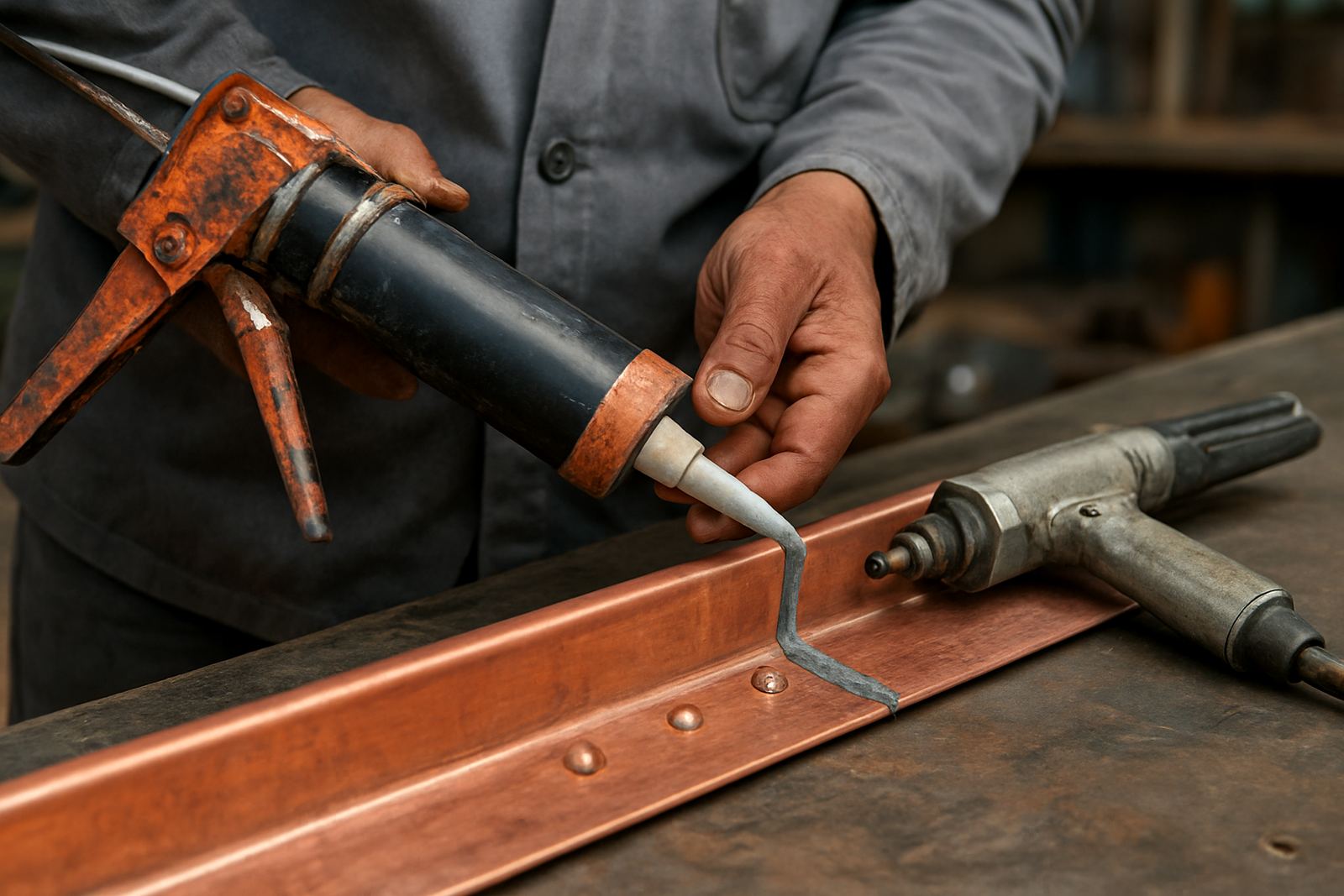
Most people look at the gutter run when they see a leak, but the weak point is often the joint where two lengths meet. That joint must handle rainwater, thermal movement, wind pressure and the slight flex that happens on a roof line. If the overlap is too short, the fixing spacing is wrong, or the sealant is not suited to the site, water finds a way through.
In Mossel Bay and the wider southern Cape, salt in the air and strong coastal winds add extra pressure. A joint that looks fine in dry weather can start weeping after a few heavy fronts. We see this a lot on homes in Gouriqua Park, Hartenbos and near the harbour area where moisture hangs around longer than inland. The metal may still be sound, but a poor joint will keep letting the system down.
How joint quality affects leaks and movement
A gutter joint needs to do three things at once: hold water, allow for movement, and stay fixed under wind and rain. When one of those is ignored, the leak usually shows up at the corner, lap or outlet. On long roof runs, especially on steel structures and carports, movement is more obvious because the metal expands and contracts through the day.
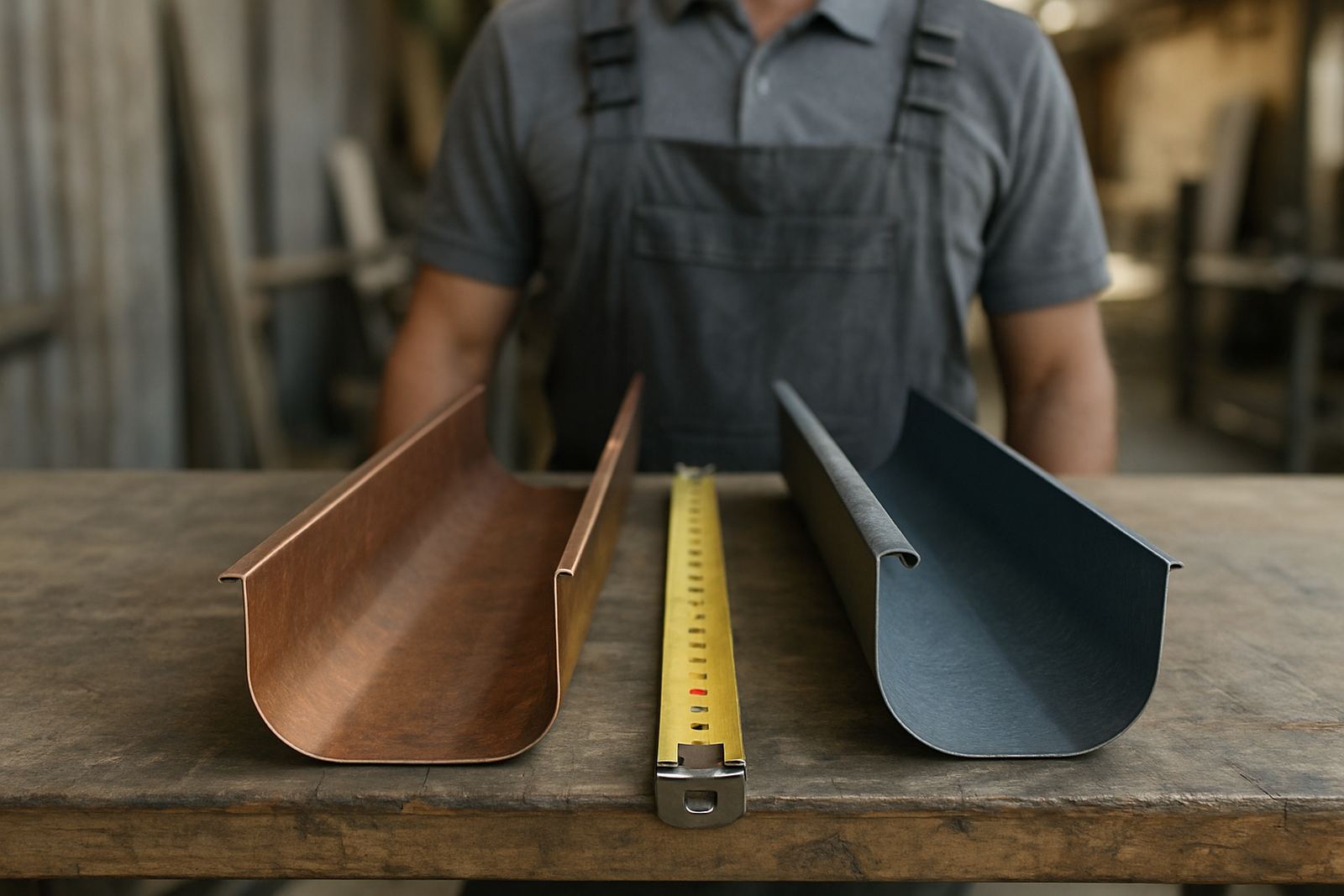
Good joint work is not only about sealant. It starts with accurate site measuring, correct cut lengths and a neat fabrication finish. If the overlap is too tight, the joint can buckle. If it is too loose, the seal has too much to do. We often find that a simple 3 mm to 5 mm error on one section can lead to repeat drips after the first proper rain. That is why careful measuring at the start saves money later.
- Use proper lap lengths for the gutter profile being fitted.
- Keep fixing points even so the joint does not twist.
- Allow movement where long runs meet corners or downpipes.
- Check that sealant, screws and washers suit coastal conditions.
What to look for before a small drip becomes a bigger repair
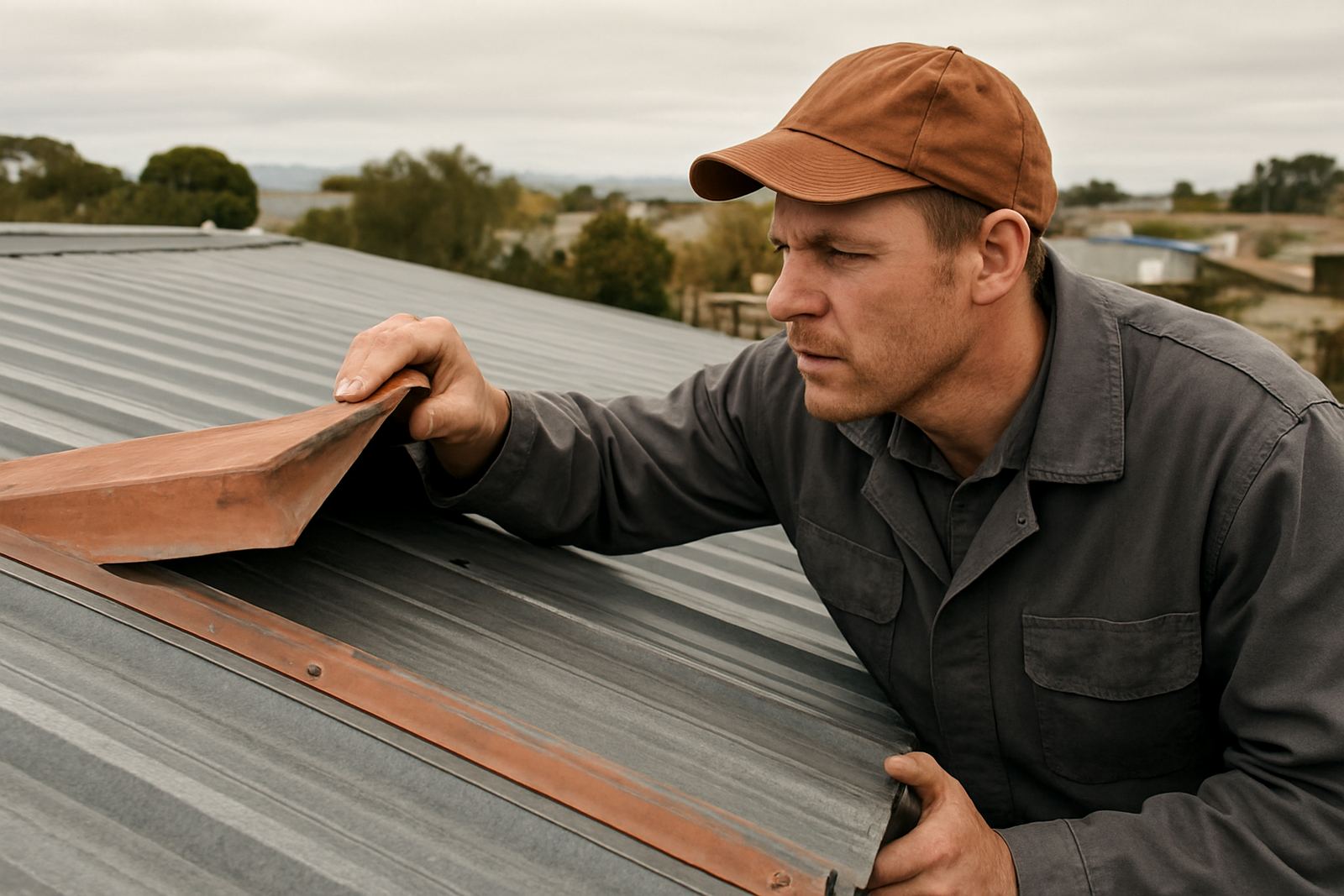
Joint problems usually give warning signs before water starts running over the fascia. Homeowners and site managers can spot many of them without climbing onto the roof. A quick visual check after rain can show staining, rust lines, loose ends or sealant that has cracked and lifted. In some cases the joint is still holding, but only just.
Here are common signs that the joints need attention:
- Brown or green staining below one point on the gutter.
- Visible gaps at the overlap after hot weather.
- Water dripping from the middle of a joint instead of the outlet.
- Rust starting where water sits too long.
- Debris holding moisture at the joint and slowing runoff.
If a gutter starts overflowing at the join, do not assume the whole run must be replaced. Sometimes the fix is as straightforward as reworking the joint, replacing a damaged section, or correcting the fall so the water moves away properly. The earlier the repair, the cheaper the call-out and the less chance of rot, damp or plaster damage.
Local conditions in Mossel Bay change how joints should be made
Inland work and coastal work are not the same. Along the Garden Route, salt air, wind-driven rain and high humidity mean joints need better preparation and more regular checks. We also have to think about load-shedding, because many properties now rely on roof space for solar equipment, cabling and service access. A gutter joint near a bracket, cable run or roof penetration must be planned properly so future maintenance stays simple.
On a recent Mossel Bay repair, a long gutter on a workshop in Gouriqua Park was leaking at two joins and one corner. The gutters had not failed as a system. The issue was that the joints were too rigid and the old sealant had dried out. After reworking the laps, replacing the affected section and checking the fall, the leaks stopped and the owner did not need repeated patching. That is the kind of job where a bit of proper sheet metal work saves a lot of grief.
For the southern Cape, we usually suggest more frequent inspections on properties near the sea, open fields or exposed roof lines. It is a small effort compared with emergency repairs after a storm, especially when trades are booked out and the weather is not waiting for anyone.
Practical maintenance that keeps joints working longer
Gutter joints do not need constant fussing, but they do need a routine. A seasonal inspection, a clean-out and a close look at the seal lines will go a long way. This is especially important where trees drop leaves, or where dust and sand collect during the dry months. Even the best joint will struggle if it sits under a blockage and water backs up.
Good maintenance is simple and fairly inexpensive when it is done before damage spreads. A maintenance visit usually checks the gutters, outlets, brackets, overlaps and the condition of the surrounding flashing. If something has moved, it can be corrected before the next rainfall. That is better than waiting until the inside wall shows a damp mark.
- Clear leaves and grit from joints and outlets.
- Inspect after the first big rain and again before winter fronts.
- Look for loose fasteners and cracked sealant.
- Check that downpipes are taking water away quickly.
- Replace short damaged sections instead of patching over them twice.
When repair, replacement or a new fabricated joint makes sense
Not every joint needs replacement, but some do. If the gutter profile is badly distorted, the metal has corroded through, or the same joint keeps opening up after repair, a new fabricated section is usually the better call. This applies to domestic roofs, carports and light steel buildings where the gutters carry a lot of water from large roof areas.
A proper repair job should leave the system easier to service, not harder. That means clean access, correct falls, tight fixing and a joint that can handle movement without forcing water out. At J&E Sheet Metal, we work on site measuring, gutter fabrication, roof sheet installation and leak repairs across Mossel Bay, Hartenbos, Great Brak River, George, Wilderness and Sedgefield. The aim is always the same: fewer leaks, less maintenance, and a gutter line that does its job properly for longer. If a joint keeps failing, it is telling you something. Listen to it before the next storm does the talking.