What a ridge cap is supposed to do
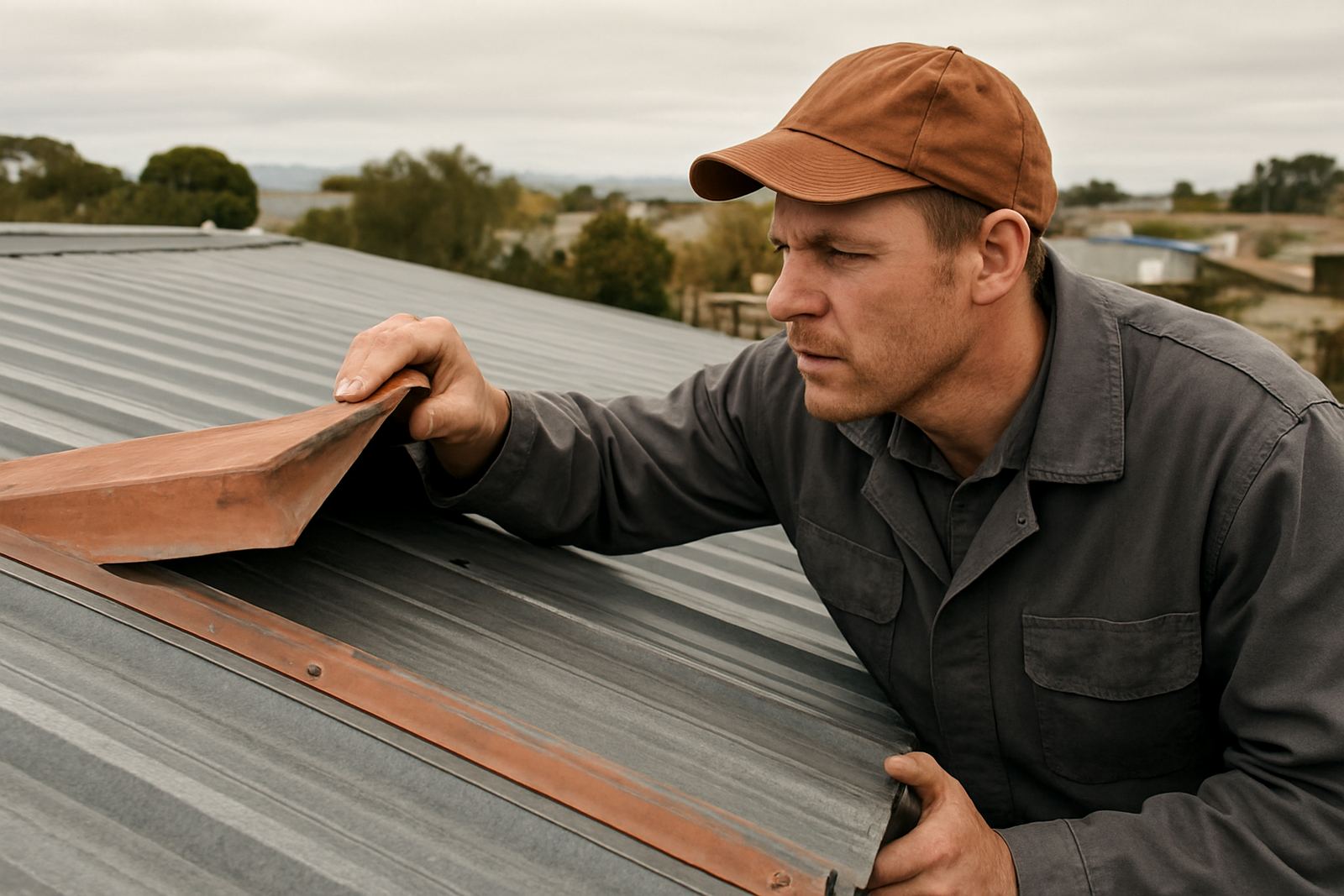
A ridge cap closes the highest line of the roof where two roof slopes meet. Its job is simple: keep wind-driven rain, dust and insects out, while allowing the roof sheets and fixing points to move a little as the building heats and cools. On a good roof, the ridge capping sits tight, the overlaps are correct, and the fixings are placed so the metal can breathe without opening up.
When ridge caps are fitted badly, or the roof structure has shifted, the capping stops working as a cover and starts acting like a flap. That is when you hear noise in the wind, see lifted edges, or notice daylight around the ridge line after a storm.
Why ridge caps lift on exposed coastal roofs
In places like Mossel Bay, Hartenbos and Great Brak River, ridge cappings take more punishment than inland roofs. Strong south-westerlies, salt in the air, and long sun exposure all shorten the life of fixings and sealants. Once the fixings loosen, the first strong gust can lift the cap and bend it out of shape.
Common causes include poor overlap, thin fasteners, incorrect spacing, and bedding that has hardened or broken away. Heat expansion also matters. A long roof on a hot day can move a few millimetres, and if the capping has no room to move properly, the stress lands at the fixings and seams.
- Loose fixings from vibration and wind lift
- Incorrect overlap or short lap at joins
- Old sealant that has cracked or dried out
- Corrosion at cut edges, screws or washers
- Movement in the roof structure after storms or settlement
The signs you should not ignore
Many ridge problems start small. A homeowner may only notice one corner lifting a little, or hear a tapping noise on windy nights. On workshop buildings, factories and sheds, the problem often shows first as damp staining along the ridge purlin or fine dust falling from the roof space.
Look out for these warning signs:
- Lifted ridge edges after windy weather
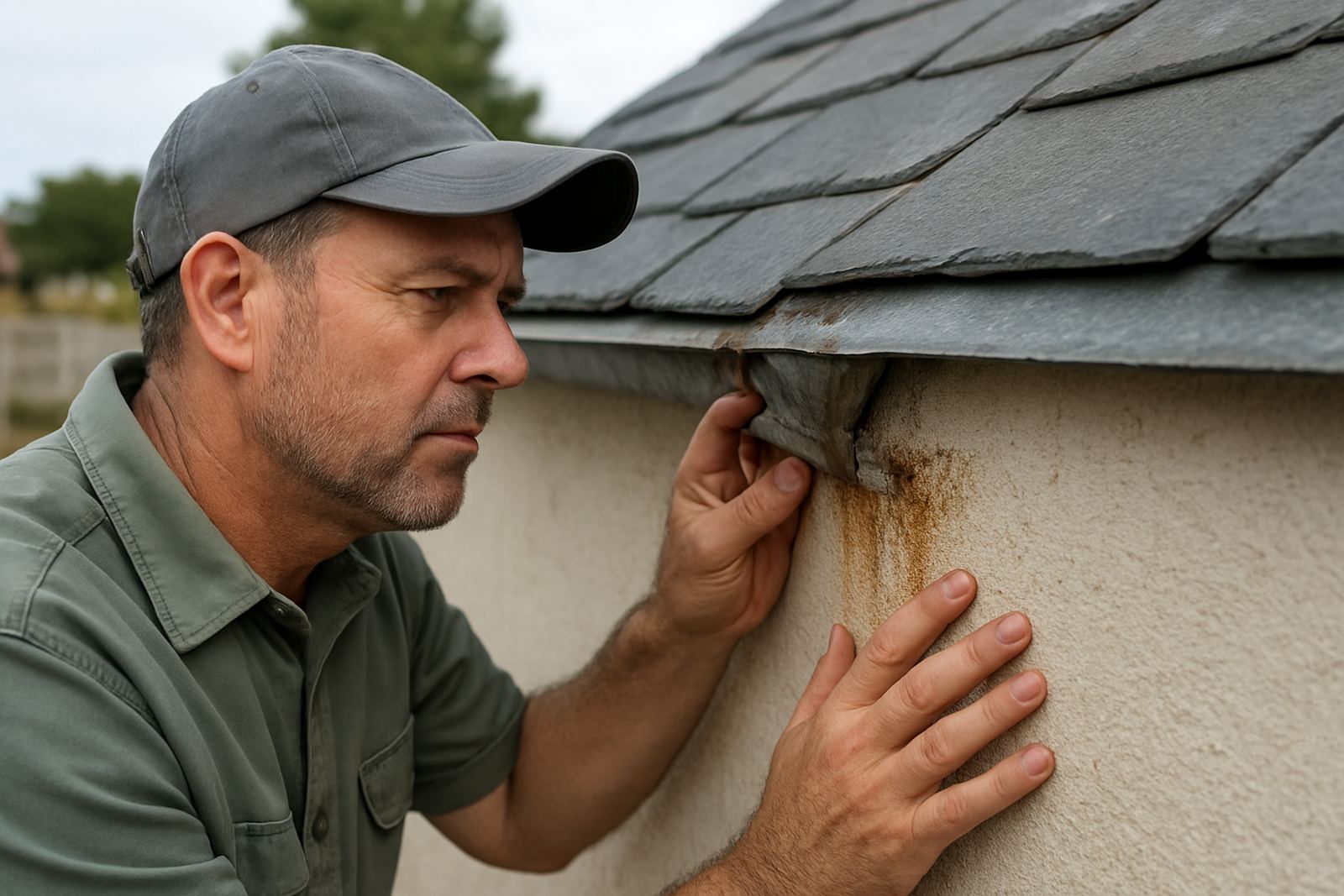
- Screws that have backed out or rusted
- Cracked bedding, mastic or lap sealant
- Water marks on trusses, battens or ceiling boards
- Sheets that rattle where the ridge meets the roof
If the building is close to the sea, rust can spread faster than people expect. A small failure at the ridge can become a bigger repair once the first wet front gets under the capping and starts working on the fixings.
How Mossel Bay weather makes the problem worse
Coastal weather puts roofs under a mix of salt, moisture and sideways wind. In summer, strong sun heats the roof and the metal expands. At night it contracts. Over time that movement loosens fixings, especially where different metals meet or where old work has been patched more than once.
In Gouriqua Park and other open parts of Mossel Bay, ridge capping can also be affected by nearby trees, roof obstructions and uneven wind pressure. A building with a tall wall on one side and a lower span on the other can create air movement that pulls at the ridge line. If the roof pitch is shallow, the wind can get under the capping more easily too.
For industrial and commercial roofs, neglected maintenance is often the real cause. After load-shedding, generator vibration, or repeated repairs to services on the roof, the ridge line may be left with tired fixings and patchwork sealing that no longer holds under pressure.
What a proper repair should include
A sound repair starts with inspection, not just resealing the visible gap. The roof line must be checked for loose sheets, failed fasteners, damaged laps and movement in the supporting steel. If the ridge cap has lifted because the roof structure has moved, replacing only the top piece will not solve the issue.
A proper repair normally includes the following steps:
- Site measuring and close inspection of the full ridge line
- Removal of loose or distorted capping sections
- Replacement of corroded screws, washers and fixings
- New custom flashings where the profile no longer fits correctly
- Sealing of laps, joins and penetration points
- Checking adjacent roof sheets and wall cladding for related damage
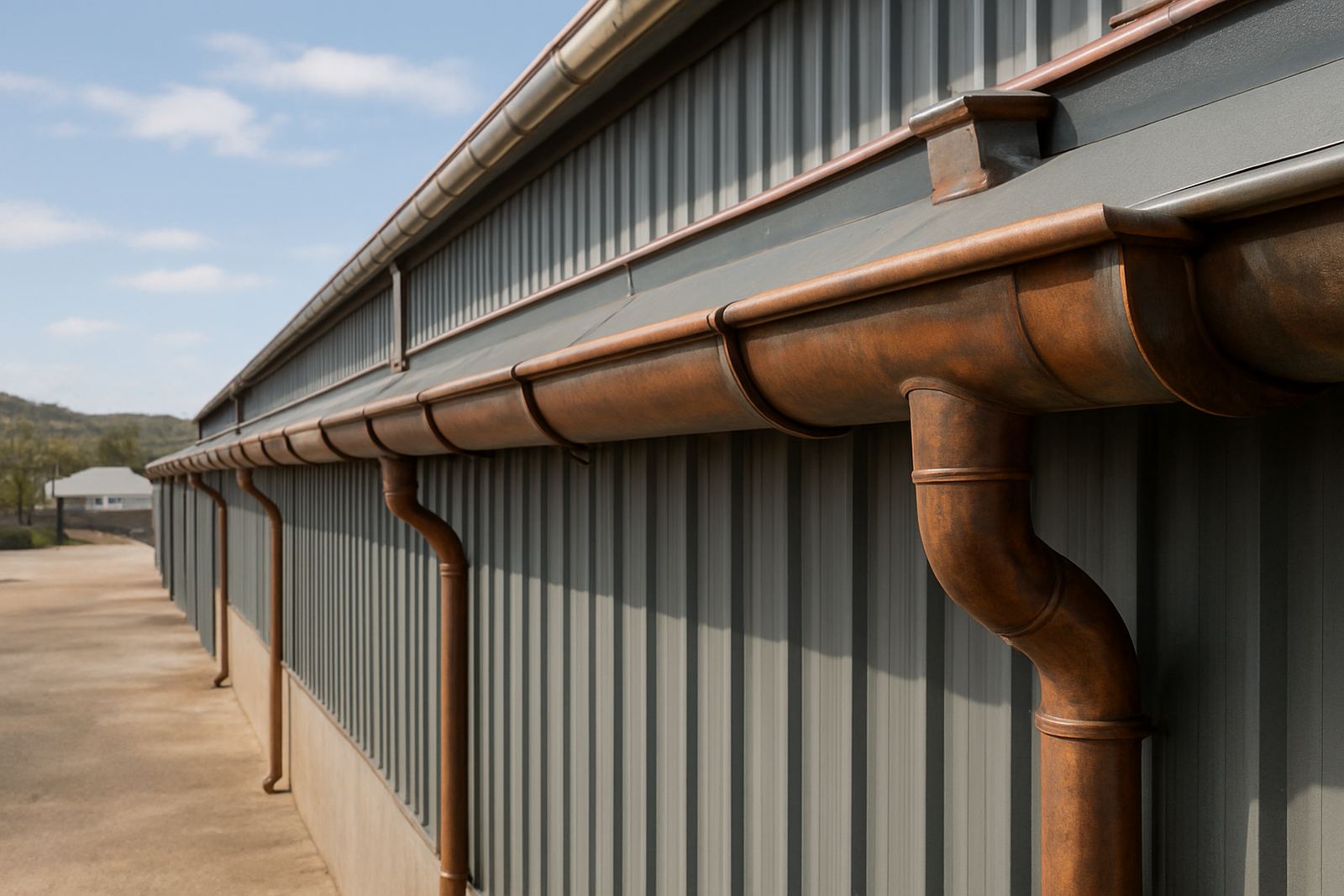
On older sheds and carports, it may also be worth checking gutter alignment and edge flashings at the same time. If one part of the roof is moving, the rest of the drainage and cladding system often shows it too.
Why early maintenance saves money later
Many roof leaks do not begin with a large hole. They begin with one lifted ridge cap, one missing screw or one failed lap that allows water to track along the sheet. By the time the inside shows damage, the timber, insulation or steel below may already be affected. Then the repair becomes more expensive and takes longer.
For businesses in George, Wilderness and Sedgefield, a scheduled maintenance inspection before winter can prevent unexpected downtime. For homes and small buildings in Mossel Bay, a quick check after heavy wind often catches ridge movement before the next rain. It is also worth checking after any roof work by other trades, because foot traffic and poor re-fixing can shift a cap that was stable before.
In our experience, roofs that are checked regularly last better in coastal conditions. The work is not complicated, but it does need someone who understands sheet-metal behaviour, fixings and weather exposure. A small repair now is usually far cheaper than replacing sheets, insulation and internal finishes later, and the damage can spread quietly if the ridge is left open for long.