What the two gutter types actually do
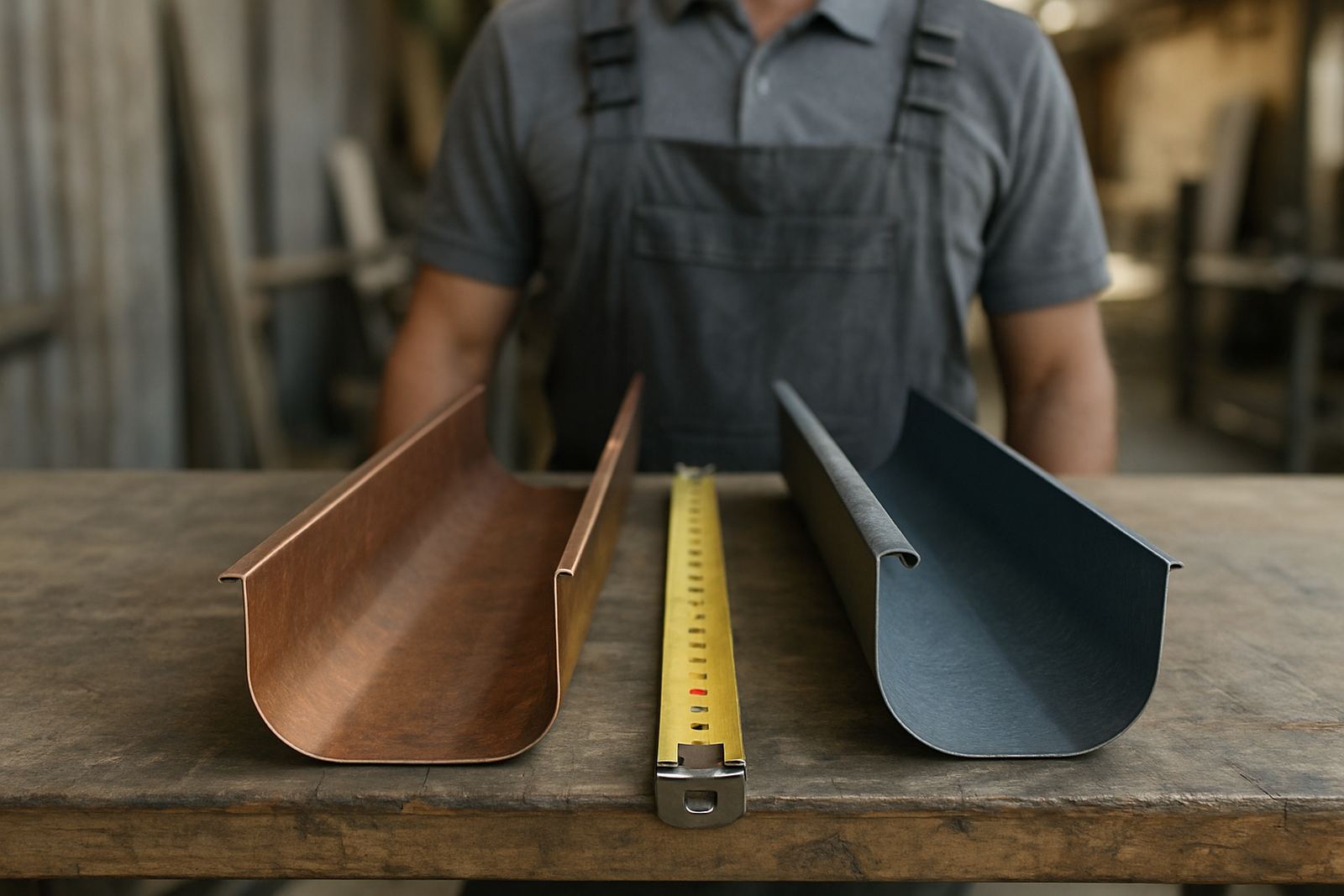
Both options move rainwater away from the roof edge and into downpipes, but they sit differently and suit different structures. A box gutter is formed into a square or rectangular channel, often built into or alongside the roof structure. A fascia gutter hangs from the roof edge and is fixed to the fascia board or supporting trim, so it follows the eaves line of the building.
On a simple house with a standard pitched roof, a fascia gutter is often the easier fit. On a larger roof, a parapet wall, or a building where the gutter must handle more water over a longer run, a box gutter can be the neater option. The decision is not only about looks, it is about water volume, support, access and how the roof was built in the first place.
When a box gutter makes more sense
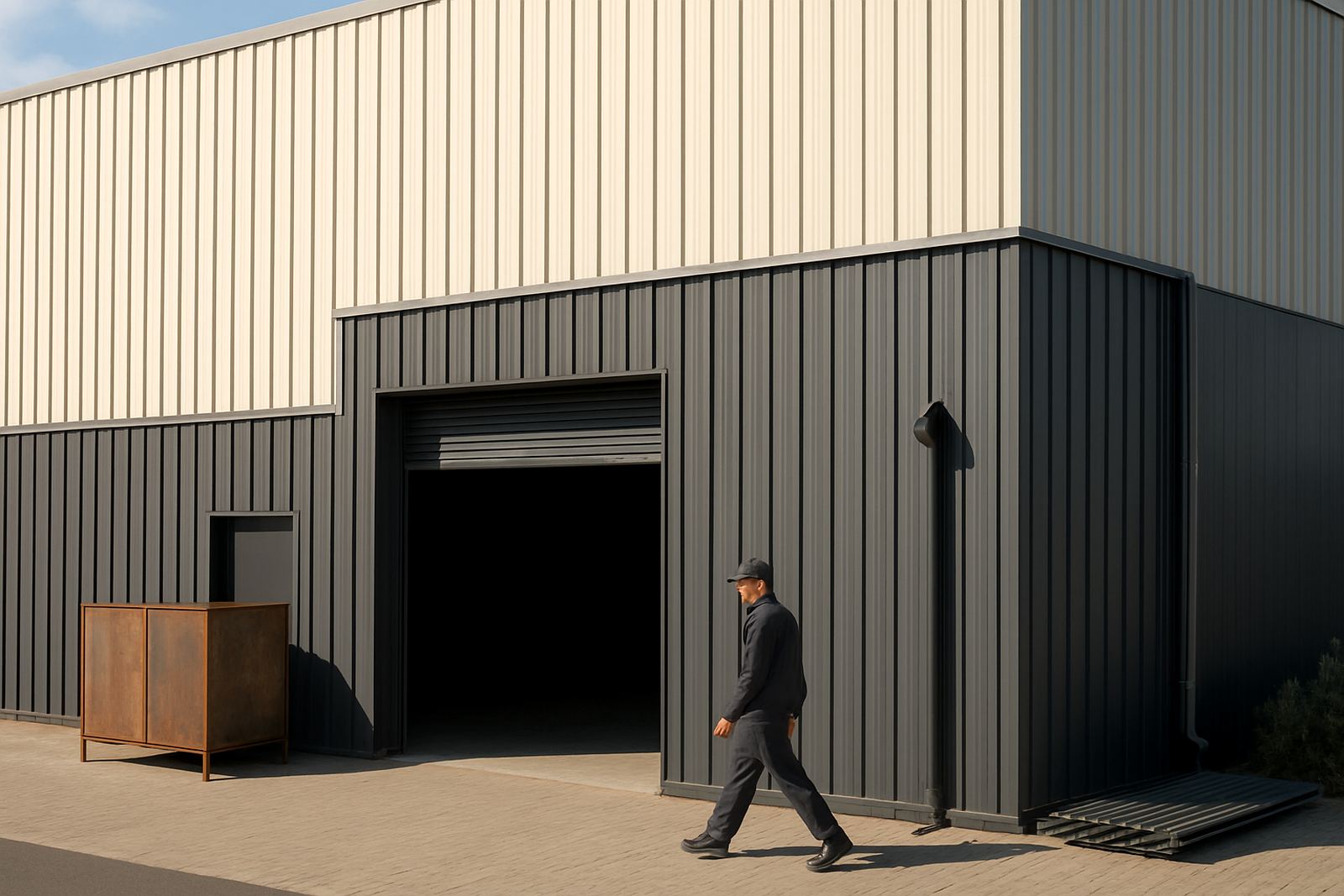
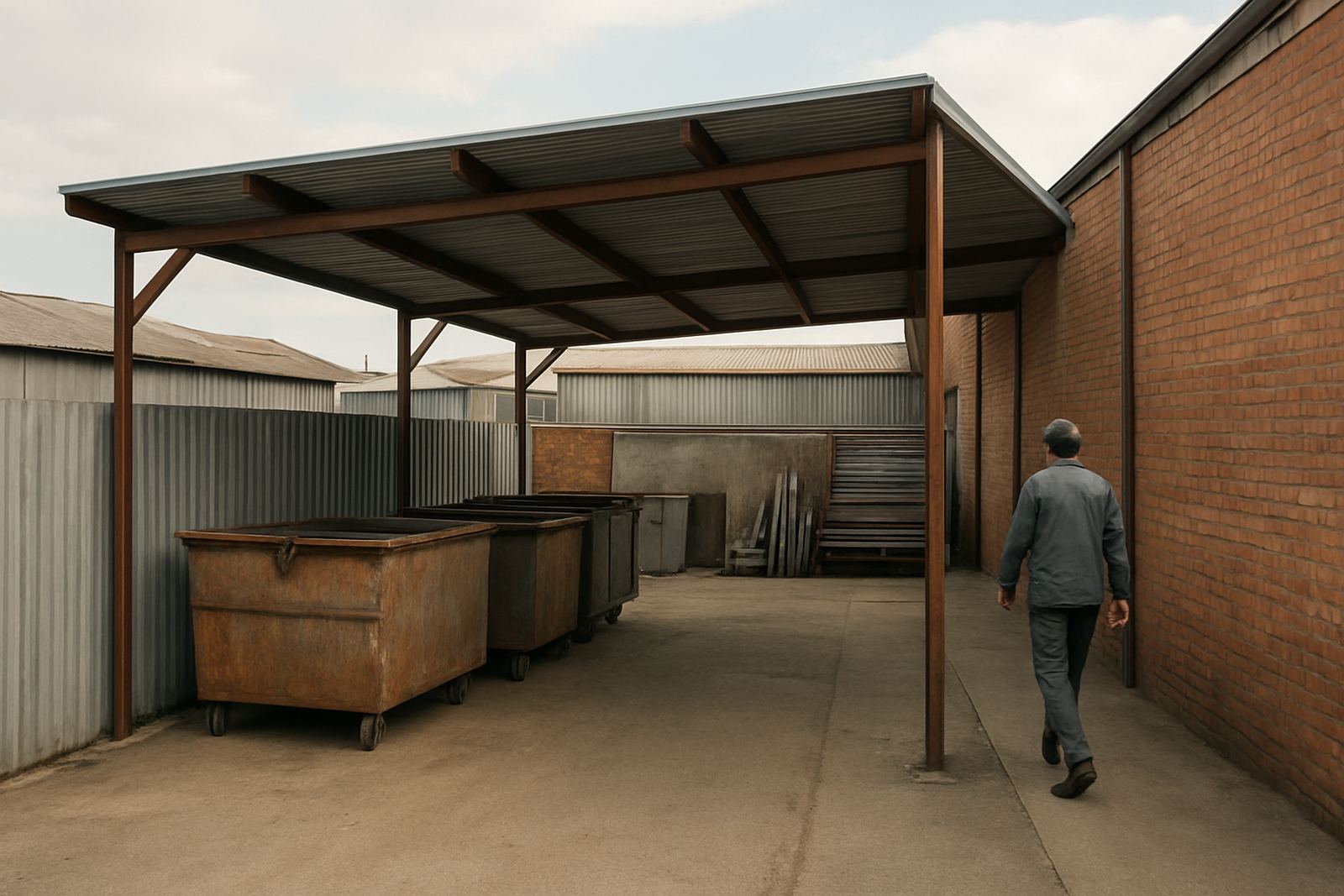
Box gutters are common where the roof design does not leave much edge space, or where the builder wants the gutter hidden from street view. They are useful on commercial units, carports, workshops and some modern homes in Mossel Bay and George where clean lines matter. Because they are built to a set size, they can be designed for higher flow, which helps during heavy summer rain or those short sharp storms we get along the coast.
They do need careful detailing though. If the slope is wrong, or if debris builds up, water can sit in the channel and that leads to overflow or corrosion. In salty air near Hartenbos or Great Brak River, that matters. A well-made box gutter should have proper falls, sealed joints, and enough outlets so it does not back up at the first blocked leaf.
- Good for parapet roofs and concealed edge finishes
- Useful where high water flow needs a wider channel
- Best when the roof structure can support correct fall and outlets
- Needs regular cleaning because trapped debris is easy to miss
Why fascia gutters still suit many local properties
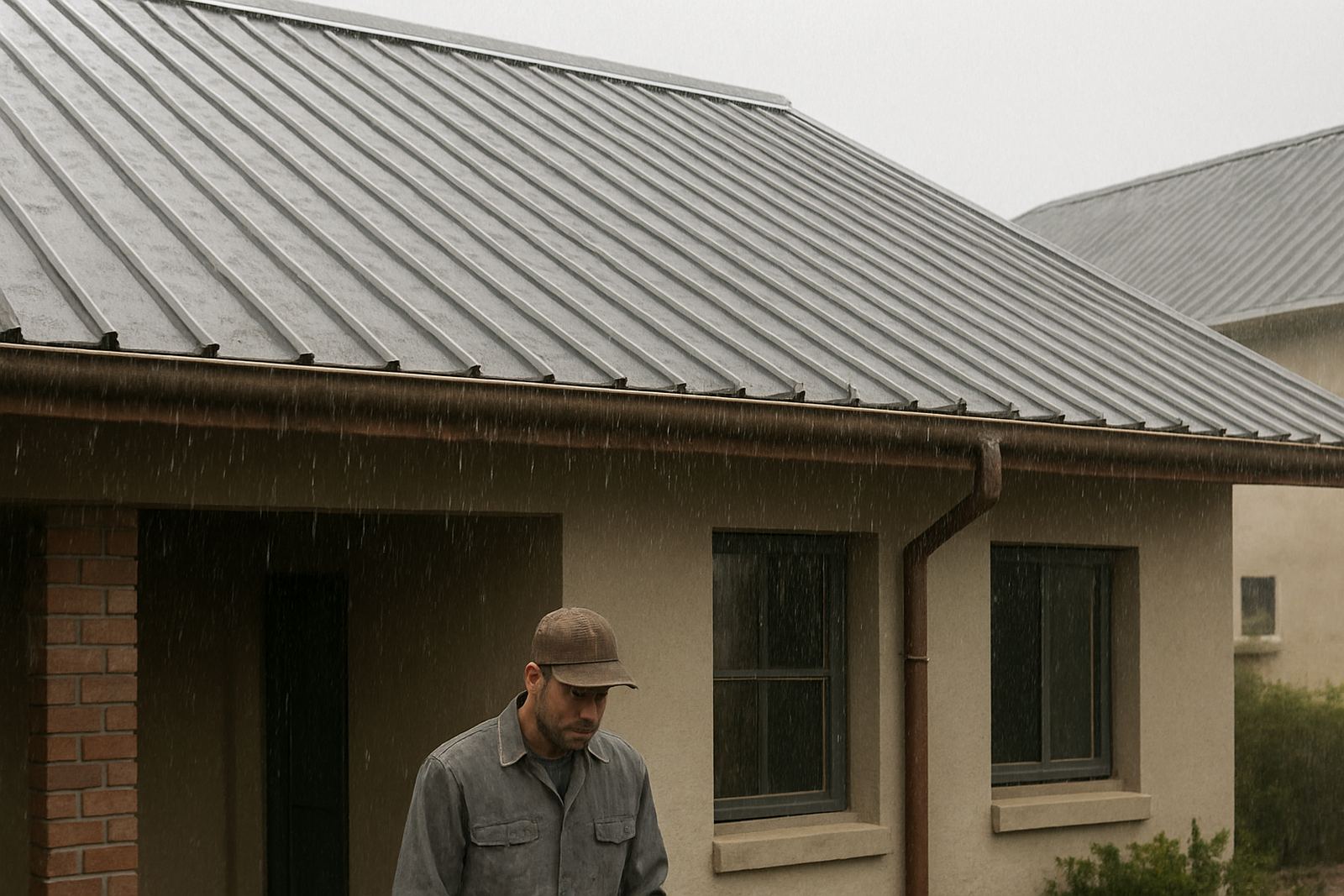
Fascia gutters are usually simpler to inspect and maintain. Because they are visible, a leak or sag often shows itself early, which is helpful for homeowners and body corporates. They also fit well on many domestic roofs in Mossel Bay, Wilderness and Sedgefield where the roof overhang already gives enough edge for proper fixing.
For smaller homes, townhouses and light industrial buildings, fascia gutters can be the practical choice. They are generally easier to replace in sections, and if a downpipe position needs moving, the adjustment is less involved than with a built-in box gutter. That can save time when load-shedding, rain or access limits the hours a crew can work on site.
- Easier to inspect from ground level
- Suits standard pitched roofs and eaves
- Often simpler and quicker to replace
- Works well where maintenance access is limited
How coastal weather changes the answer
In the southern Cape, the gutter choice should be shaped by more than price. Mossel Bay has strong winds, salt in the air, and sudden rain bursts that can test joints and fixings. A gutter that is fine inland may struggle here if it was not made and installed for local conditions.
For a property close to the sea, we look closely at material thickness, support spacing and the number of outlets. A box gutter with weak falls can hold water and rust faster. A fascia gutter with poor brackets can start pulling away during a wind event. The right answer depends on the roof pitch, the length of each run and whether there are trees, gullies or paving below that need extra control.
It is also worth checking municipal stormwater rules and where the water is meant to discharge. A gutter system should carry water away without dumping it onto a neighbour’s boundary or washing across a driveway. That sounds simple, but a bad outlet position can cause repeat damage every winter.
Signs your current gutter is the wrong type
Most gutter problems start small. A fascia gutter may be too small for a long roof run, while a box gutter may have been installed with too little fall. If the gutters overflow in normal rain, stain the walls, or leave damp patches on paving, the profile may be the issue not only the workmanship.
Look out for these signs before the next storm season:
- Water spilling over the front edge during moderate rain
- Sagging brackets or a visible dip in the line
- Rust at joints, outlets or corners
- Leaves sitting in the channel after wind
- Cracked sealant or loose end caps
- Moisture marks on walls under the gutter line
If you see more than one of these, it may be time for a replacement instead of another patch repair. A quick fix can buy time, but it will not change a gutter that was undersized from the start.
A simple local example from Mossel Bay
Take a small workshop in Gouriqua Park with a low roof and a long front edge. If the building has no deep eaves, a box gutter can be formed to suit the roof line and keep the front clean. But if the same workshop has a straightforward fascia board, and the owner wants easier maintenance, a fascia gutter may be more practical over the long term. Both can work, but they do not solve the same problem in the same way.
That is why site measuring matters before fabrication. The length of each run, the number of corners, the downpipe positions and the roof sheet profile all affect the final result. A gutter that is measured properly on site usually performs better and lasts longer, because the installer is working with the building rather than guessing from a photo. That saves money later, and in this area that is often the real difference.
At J&E Sheet Metal, we handle site measuring, custom flashings, gutter fabrication, roof sheet installation and gutter replacement across Mossel Bay, Hartenbos, Great Brak River, George, Wilderness and Sedgefield. For many property owners, the best choice is not box versus fascia in the abstract, but which one suits the actual roof and how often you want to climb a ladder.
Choosing the right gutter before the next storm season
If you are deciding between box or fascia gutters, start with three questions: how much water does the roof collect, how easy is it to maintain, and what does the building allow structurally? Once those are clear, the answer is usually straightforward. A neat gutter is only useful if it drains properly and can be cleaned without drama.
For coastal properties, the safest approach is to match the gutter to the roof, not the other way around. That means proper measuring, the right fall, enough outlets and fixings that hold in wind. It sounds plain, but plain work done properly is what keeps rainwater where it should be, out of the walls and off the floor.