What a parapet capping actually does
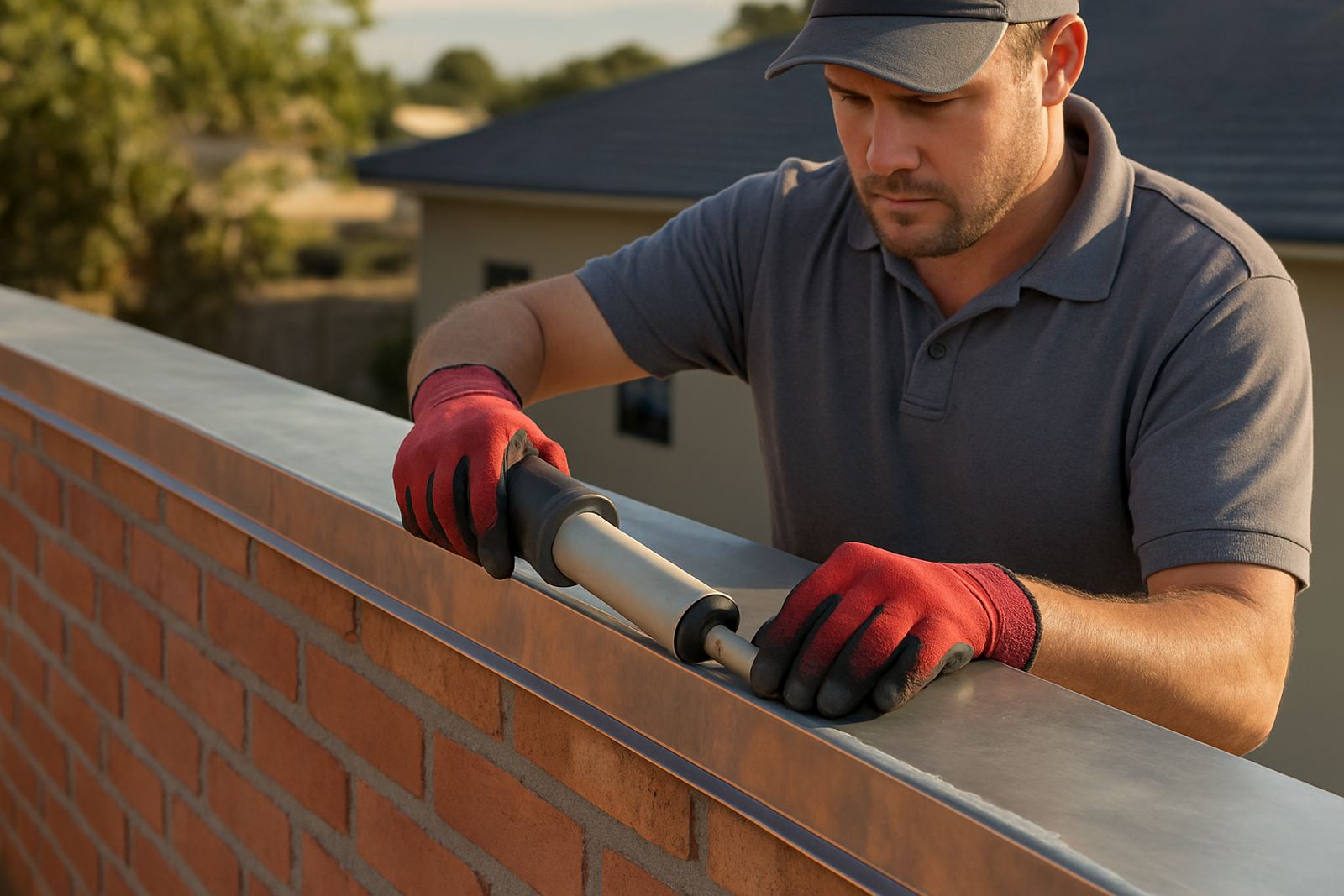
A parapet capping is the metal cover fitted to the top of a parapet wall, boundary wall, or low edge at roof level. Its main purpose is simple: stop water from sitting on the top of the wall and finding a way into the brickwork or plaster below. Once water gets into that edge, you start seeing damp patches, cracked paint, salt staining and in time, loose plaster.
On the southern Cape coast, this matters more than most people think. Mossel Bay has salt air, strong wind and sudden rain that can drive moisture sideways into small openings. A well-made capping gives water a clean run-off, instead of letting it soak into the wall. It also protects the top of the wall from sun damage and constant weathering, which is often where the first deterioration starts.
For flat roofs and low-slope roofs, the parapet is a weak point if it is left unprotected. Even a good roof sheet installation can still struggle if the wall edge is open. That is why cappings are not just a finishing item, they are part of the waterproofing detail.
The parts of a proper capping detail
A capping should do more than sit on top of the wall and look neat. The shape, thickness and fixing method all matter. Good parapet cappings are usually made to suit the exact wall width, with enough overhang on both sides to throw water clear of the wall face.
- A slope that directs water off the top instead of holding puddles
- Drip edges that help stop water running back under the metal
- Secure fixings placed so they do not create easy leak points
- Joints and overlaps that allow for movement in heat and cool coastal nights
- End closures or turned-down ends where required for neatness and weather protection
At the coast, a capping also needs to cope with corrosion. If the material is too thin or poorly detailed, the edge can lift, rust or oil-can in wind. The result is often a noisy roof edge and, later on, water ingress. It is one of those jobs where small errors turn into ongoing repairs.
Why parapet cappings matter in Mossel Bay conditions
In Mossel Bay, Hartenbos and Great Brak River, parapet walls are exposed to more than rain. Wind can force moisture into the top of a wall, and the salt in the air speeds up wear on unprotected steel and fixings. If the building is near the sea, or even just in an open area with gusty weather, the wall edge needs proper cover.
Heat is another factor. Metal expands and contracts through the day, especially on roofs that take full sun. If a capping is fixed too tightly or made without allowance for movement, it can buckle or open at the joints. Then the water finds the weak point. A good capping detail leaves room for movement but still keeps the wall protected.
This is also important on buildings that face municipal drainage rules and neighbour boundaries. Water should be guided back onto the roof or into the intended gutter system, not dumped against a shared wall or over a boundary where it can cause complaints.
Signs your parapet capping is failing
Many property owners only look at the roof sheets and gutters, then miss the wall edge. Yet parapet damage often shows up first as a maintenance problem inside the building or on the outside wall below the edge. If you catch it early, repairs are easier and cheaper.
- Brown or dark staining under the parapet line
- Hairline cracks in plaster close to the roof edge
- Rust marks around fixing points or overlap joints
- Loose or noisy metal on windy days
- Peeling paint on the inside face of the parapet
- Damp smell after heavy rain or prolonged mist
If you notice more than one of these, the wall top should be checked. Sometimes the issue is a damaged capping. Other times the problem is failed sealant, blocked gutters, or a roof sheet detail that is sending water back toward the wall. The sooner it is identified, the less chance of structural damage.
Choosing the right capping for a coastal building
There is no one-size-fits-all answer for parapet cappings. The right choice depends on wall width, roof pitch, exposure to wind, and the finish you need around the building. A carport at a home in Gouriqua Park will not need the same detail as a commercial wall on a windy site in Wilderness.
Material choice matters too. In coastal areas, the finish has to suit the environment, and fasteners should be selected with corrosion in mind. For steel buildings and wall tops, a proper site measurement is worth the time because a few millimetres can decide whether the water runs off cleanly or sits and works its way inward.
Joints should be planned so they do not land in the most exposed section if it can be avoided. The capping must also tie in with gutters, flashings and roof sheets, otherwise the wall edge is only protected in parts. That kind of half-finished detail often leads to repeat call-outs.
Repair, replace or upgrade the wall edge
Some parapet cappings can be repaired with localised work, especially if the issue is a failed joint or a section that lifted in wind. But when rust, repeated leaks or cracked wall tops are already present, replacement is usually the better option. A patch on top of a failed detail often holds for a short time, then the same problem comes back.
For owners in Mossel Bay, Hartenbos, George or Sedgefield, the sensible approach is to inspect the full edge, not only the visible section. That means checking the capping, the fixings, the sealant, and where the water goes after it leaves the wall. If the parapet is part of a larger maintenance issue, it may be the right time to look at gutter replacement or roof leak repairs at the same visit.
Good maintenance inspections can pick up weak points before the next rain season. On a flat roof, that timing matters. A small gap in summer can become a soaked wall by winter, and then the repair job gets bigger very quickly.
A practical example from the southern Cape
Think of a low-slope office building near the coast with a parapet wall around the roof edge. For a few years the wall looks fine, but after repeated wind-driven rain the inside paint starts bubbling near one corner. The roof sheets are still sound, so the owner assumes the roof is fine. In fact, the top of the parapet had no proper capping detail, and water was entering from above, not below.
Once the edge was measured and a fitted metal capping installed, the damp stopped spreading and the wall could dry out. The building was not just tidied up visually, it was protected where the weather had been getting in. That is the real value of parapet cappings: they prevent small, hidden water paths from becoming expensive damage.
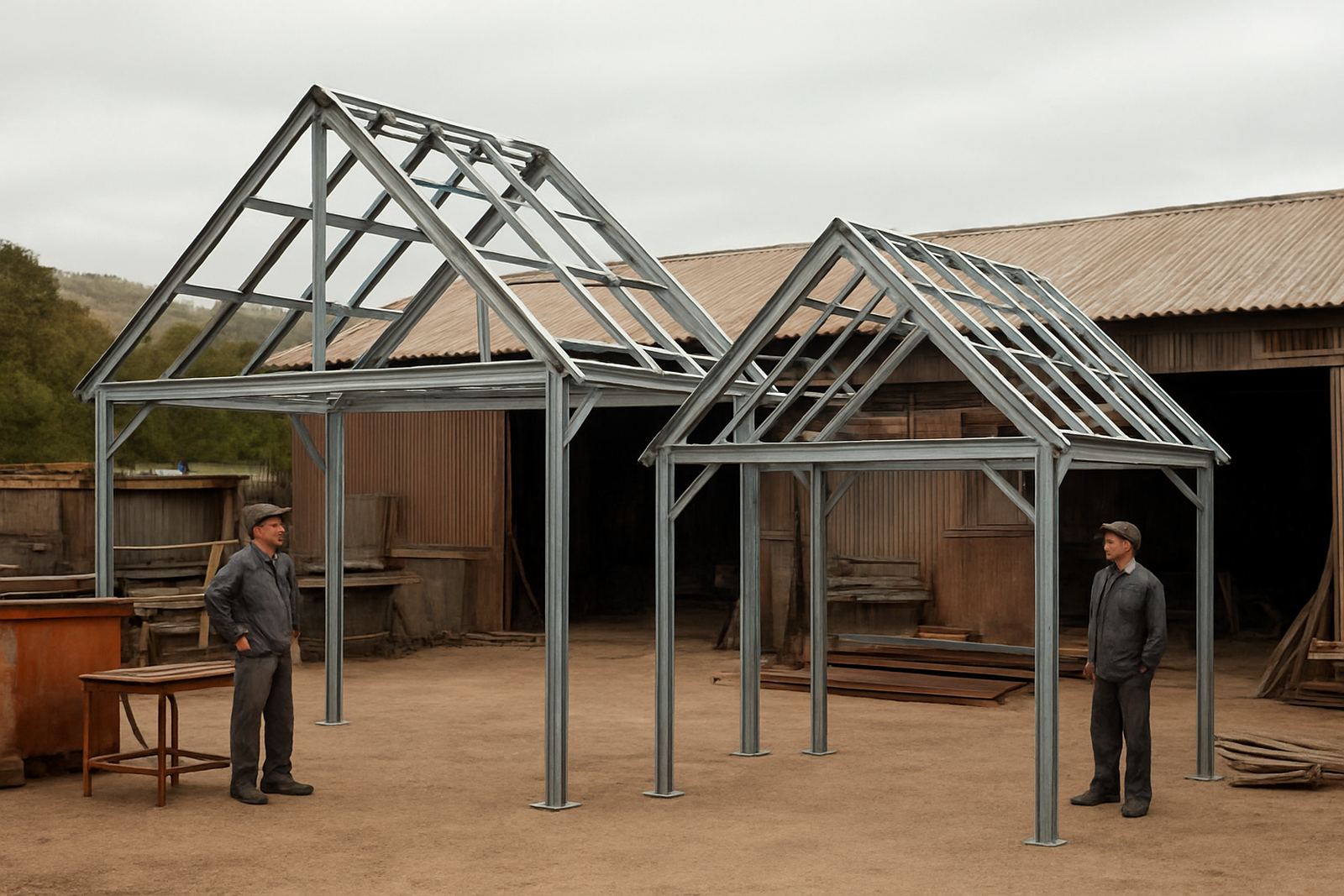
For steel buildings, carports and commercial roofs in the southern Cape, this is one of the simplest ways to protect the structure. It is a practical item, but it carries real value every time the wind turns and the rain starts.