Why fixing pattern matters on a coastal roof
In Mossel Bay and the wider southern Cape, a roof has to deal with strong gusts, salt in the air and sharp changes in temperature. If fixings are too far apart, the sheet can lift or chatter in the wind. If they are too tight or uneven, the metal cannot move as it should and you can end up with oil canning, pulled-out fasteners or early leaks.
A proper fixing pattern spreads the load across the sheet and keeps the roof working as one system. That matters on smaller homes, warehouses and carports alike. A good pattern also helps during maintenance because the fixing lines stay predictable and the sheets are easier to inspect after load shedding related work delays or a stormy weekend.
Start with the sheet profile and the slope
Not every roof sheet is fixed the same way. The profile depth, sheet length, roof pitch and whether the roof is on timber or steel all change the fixing layout. A shallow pitch needs extra care because water moves slower and any small gap becomes more of a problem. On a steeper roof, wind uplift can become the main issue.
- Check the purlin spacing before any sheets go up
- Use the fixing positions recommended for that sheet shape
- Keep end laps and side laps consistent across the roof
- Allow for thermal movement on long runs
If the structure is not square, the fixing pattern should be adjusted before installation starts. Trying to force the sheets into line later usually shows up as crooked seams and uneven fastener lines.
Spacing that holds in real weather
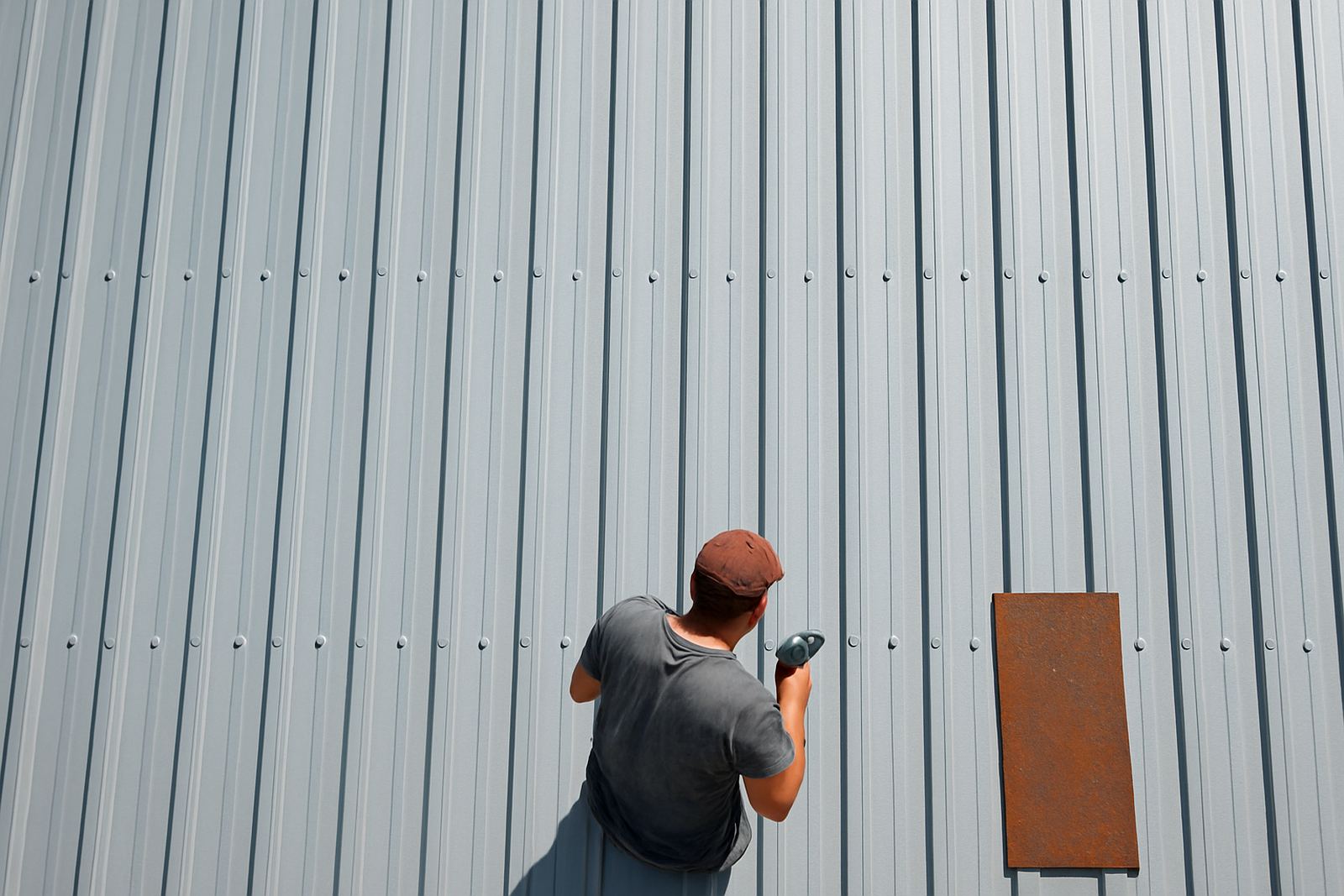
Spacing is where many problems begin. Fixings that are too close together can distort the sheet, while wide gaps leave the roof vulnerable in windy conditions. The correct spacing depends on the profile and exposure, but the real rule is simple: follow a repeatable pattern and do not improvise once the first line is set.
On exposed sites near the coast, the edge zones and corners often need tighter fixing than the centre of the roof. That is where uplift is strongest. Around Mossel Bay and Hartenbos we often see damage starting at the first row or at ridges where the wind gets under a loose edge.
- Keep edge fixings neat and evenly spaced
- Use extra care at corners, ridges and barge areas
- Do not skip a fastener because a sheet looks flat
- Check that each fixing bites into sound support, not soft timber or a thin wall section
Consistency makes repairs and inspections easier
When the fixing pattern is regular, future maintenance becomes far simpler. A technician can spot missing screws, loose washers or shifted sheets quickly. That helps with roof leak repairs and planned maintenance inspections, especially on business buildings where a small leak can stop work inside a store room or workshop.
Consistency also reduces the chance of one sheet being over tightened while the next one is left loose. That mix is common when work is rushed, and it often shows up later as tearing around the washer or movement in one panel but not the next. A tidy roof line is not only about looks, it helps the roof last longer too.
Practical checks before the last sheet goes on
Before closing off a run, it is worth pausing to check the fixing pattern from the ground and from the roof line. Once the last sheets are in place, small errors are harder to correct without disturbing the whole section. A short check at this stage can save hours later.
- Measure the first three fixing lines to confirm spacing
- Look for sheet creep at the lap joints
- Check that fasteners sit square and are not cocked to one side
- Confirm that sealant, where used, is placed only where needed
On a site in George or Wilderness, for example, a light industrial roof with long spans may look fine from below but still show a slight fixing drift at the ridge. Catching that early keeps the finished roof straight and easier to trust in hard weather.
When to call for a site measure and repair plan
If a roof has repeat leaks, loose edges or noisy sheets, the issue is often deeper than a single missing screw. A proper site measure can show whether the fixing pattern, purlin spacing or sheet overlap is the real cause. That is especially important on older buildings, carports and extensions where different trades may have worked at different times.
At J&E Sheet Metal in Gouriqua Park, Mossel Bay, we see plenty of roofs where the pattern looked acceptable from a distance but failed at the edges or around penetrations. With the right measuring and planning, you can replace damaged sections, rework flashings and tighten the fixing layout without disturbing the whole roof more than needed.
- Use a site measure before changing sheet sizes or cover widths
- Inspect flashing junctions, gutters and valleys at the same time
- Match repair work to the existing structure, not just the visible roof sheet