Roof pitch is not just a look, it changes how water behaves
When people talk about roof pitch, they often think only about appearance. In sheet metal work, pitch decides how quickly rain clears the roof, where water slows down and how much pressure sits on every lap, joint and flashing. A low pitch can work well, but it needs tighter detailing than a steeper roof.
On the coast around Mossel Bay, Hartenbos and Great Brak River, rain often arrives with wind. That means water can travel sideways under a weak overlap or ride back under a flashing if the pitch is too flat for the sheet profile. If the roof is too flat for the chosen sheet section, you end up chasing leaks after the first good storm.
As a rule, the lower the pitch, the more careful the design has to be. That includes sheet length, side laps, end laps, fastener pattern and the shape of every flashing at the ridge, side wall and parapet. A roof should move water away quickly, not hold it and hope for the best.
Why pitch changes overlap lengths and joint placement
Overlap is one of the first things affected by pitch. On a steeper roof, water runs faster and there is less chance of backing up at the lap. On a shallow roof, water can sit longer and find any weak point. That is why low pitch roofs normally need larger overlaps and more disciplined installation.
Joint placement matters too. End laps should never sit where water flow is strongest or where people will see staining first. On long roofs, the sheet lengths need planning before fabrication starts. If you get the layout wrong, you can end up with awkward joints near valleys, chimney sides or roof breaks.
Here is a simple way to think about it:
- Steeper pitch means faster runoff and less stress on laps.
- Shallower pitch means more overlap and more care around fixings.
- Longer sheet runs reduce joints, but only if lifting and handling are practical.
- Valleys, ridges and corners always need extra attention, especially in windy areas.
For coastal homes and workshops, the aim is not only to make water run off. It is to keep the roof doing its job after years of heat, salt air and strong summer weather.
Flashings must match the pitch, otherwise they fight the roof
Flashings are where many roof problems start. A flashing that works on a steep roof can fail on a flatter one because the water does not leave the surface quickly enough. It lingers against the edge and looks for an opening. That is why pitch and flashing design must be considered together, not as separate jobs.
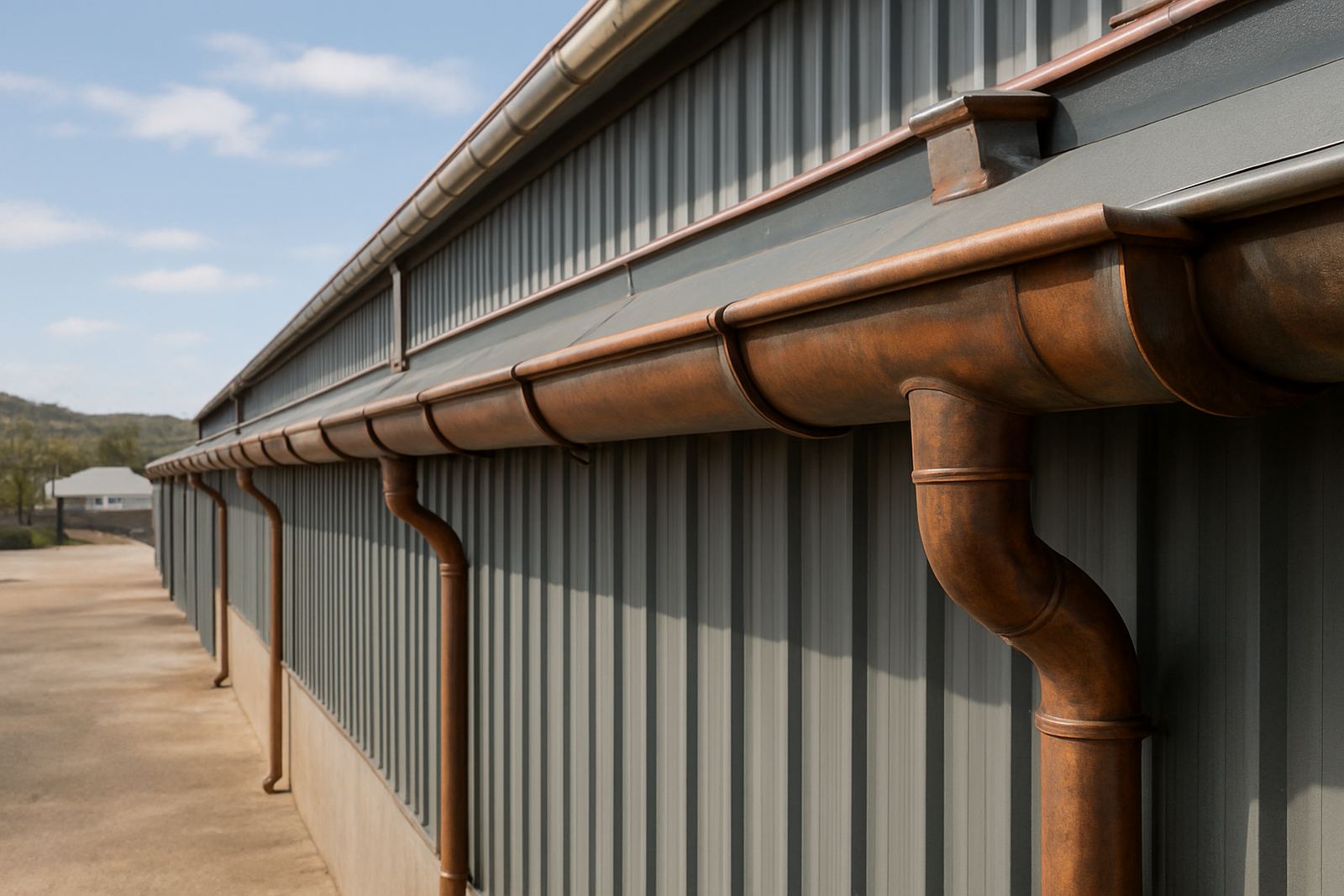
At side walls, apron flashings need enough height and cover to direct water back onto the roof sheet. At ridges, the flashing profile must suit the roof shape and allow for wind lift. Around parapets and box gutters, the slope must be accurate so water does not pond. Even a small error in angle can cause trouble after a hard downpour.
In our workshop and on site, we check where the water is likely to move first, then form the flashing to suit that path. That is especially important on sheet metal roofs with multiple breaks, additions or later alterations. A neat flashing that does not match the pitch is still the wrong flashing.
Mossel Bay conditions change the right answer
There is no one pitch that suits every building in the southern Cape. A carport in Gouriqua Park does not behave like a warehouse roof in George or a garden structure in Wilderness. Wind exposure, roof span, sheet profile and the building use all play a part.
Near the coast, corrosion and driving rain are part of normal life. Around Mossel Bay and Hartenbos, a roof can face moisture from sea air plus sudden weather changes in the same week. A pitch that is barely acceptable inland may become a poor choice near the coast if the detailing is light.
Local planning rules and estate requirements may also influence the final roof form. Some sites prefer lower visual lines, while others need better drainage because of tight boundaries or limited discharge points. In those cases, the roof pitch, gutter size and downpipe positions should all be planned together before fabrication starts.
- Coastal sites need extra thought on corrosion resistance and drainage.
- Wind exposure can push rain under weak laps and flashings.
- Small site changes often affect where water can discharge safely.
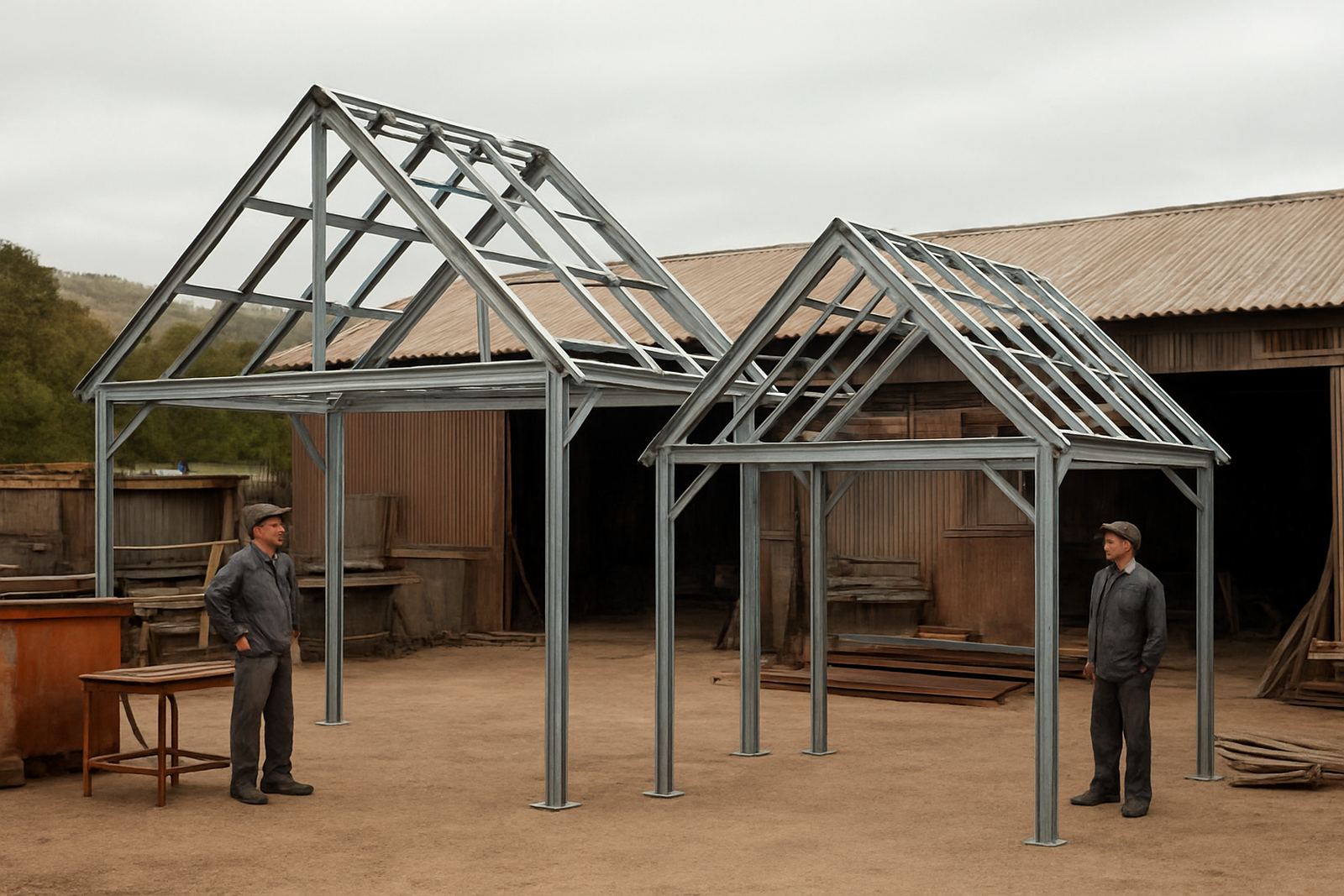
- Added features like carports and lean-to roofs must match the main roof angle where possible.
A practical example from a workshop roof in Mossel Bay
Take a small workshop roof in Mossel Bay with a lean-to section running against a side wall. If the pitch is too low, the first issue is usually not the sheet itself, but the edge details. Water slows near the wall, works against the flashing and starts to mark the interior lining below. After that, the gutters overload in a heavy storm and overflow in the same corner every time.
Now compare that with a better planned pitch. The roof sheet drains cleanly, the wall flashing has the right turn-up, the gutter catches flow without backing up and the installer can keep the fixings where they should be. The building stays drier and maintenance becomes simpler.
That is why our site measuring process starts with the full roof geometry, not just a rough estimate. We look at the slope, the run length, the wall junctions and the water path to the gutter. A little extra time at the start saves a lot of repair calls later, trust me.
Get the pitch right before you order sheets
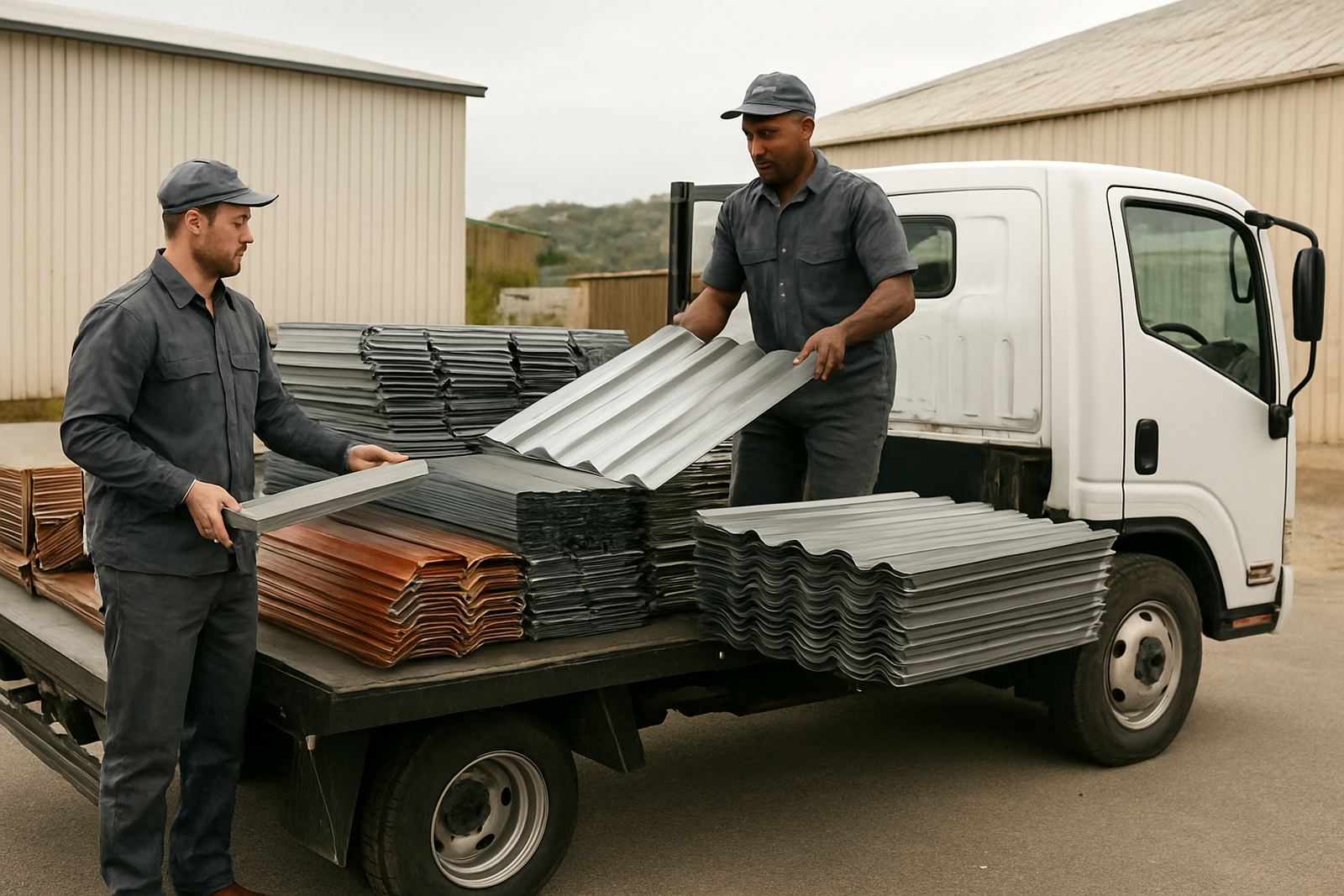
If you are planning a new roof, replacing old cladding or adding a carport, choose the pitch before the fabrication begins. Once sheets are cut, changing the slope is expensive and often messy. It can also affect the look of the entire building, which is why measurements must be correct from the start.
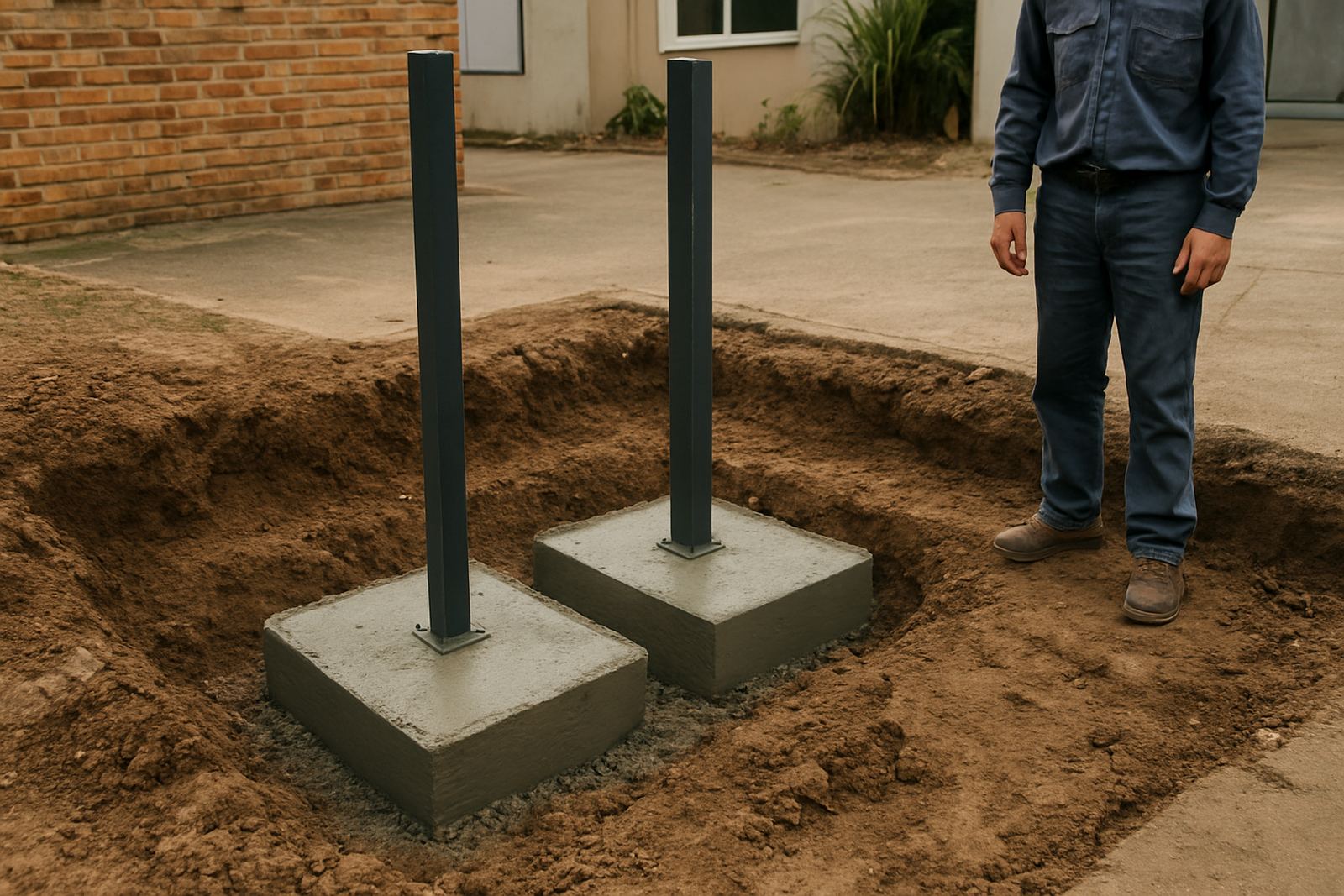
At J&E Sheet Metal in Gouriqua Park, Mossel Bay, we handle site measuring, custom flashings, gutter fabrication, roof sheet installation and steel frame erection across Mossel Bay, Hartenbos, Great Brak River, George, Wilderness and Sedgefield. For roof leak repairs or maintenance inspections, we check whether the pitch is the real problem or whether the issue is in the overlap, flashing or gutter line.
Good roof pitch does not just move water off the roof. It protects the joints, supports the flashings and gives the whole structure a longer working life.