What Municipal Sites Usually Need
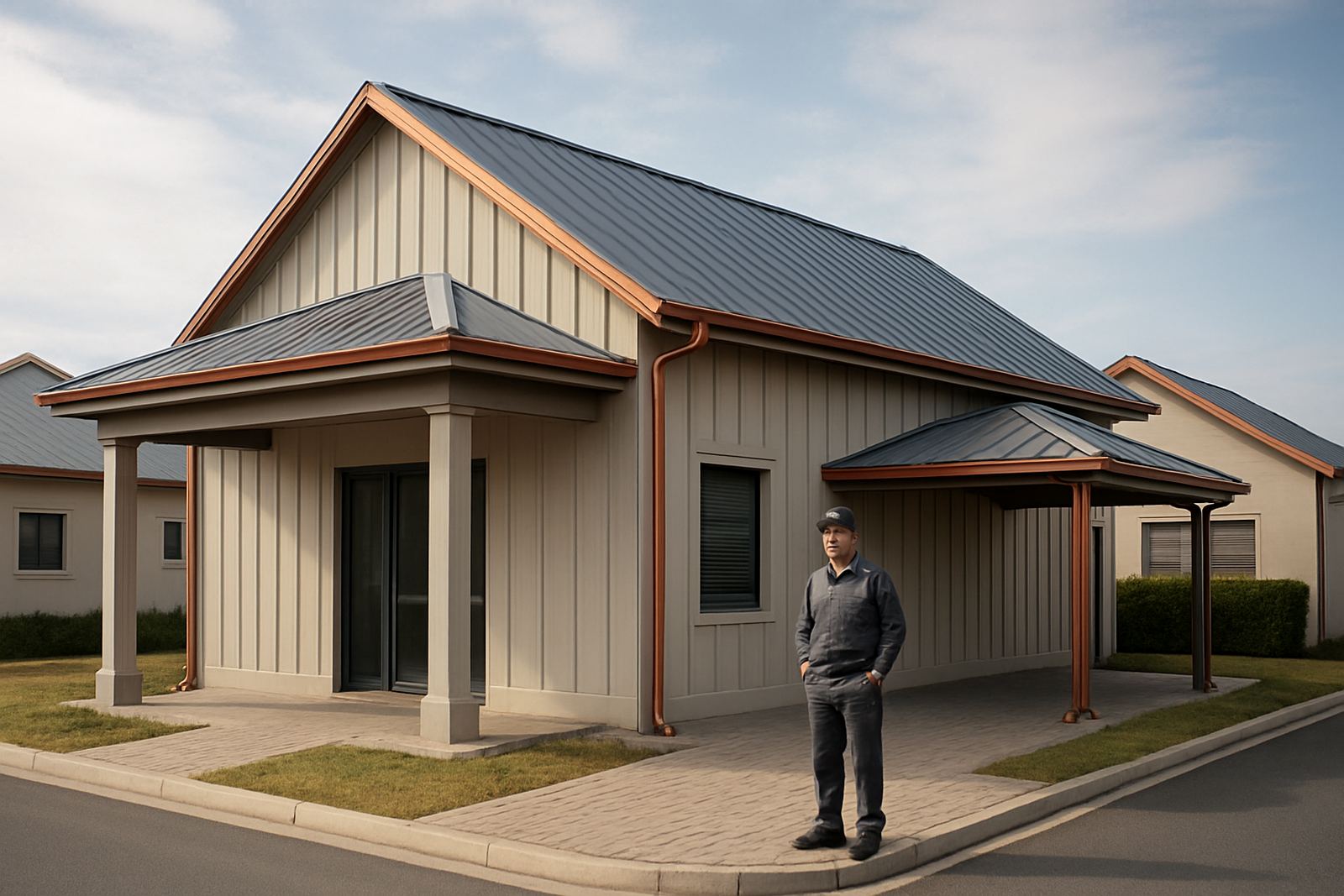
Most municipal jobs are not about showpieces, they are about keeping people and equipment protected, dry and easy to service. In Mossel Bay and nearby towns, that often means small depot buildings, refuse transfer areas, pump enclosures, maintenance shelters, covered walkways, storage bays and loading areas that can stand up to wind, salt air and daily use.
We are often called in when a site needs a practical roof over existing plant, a new cladding skin for a service building, or guttering that can move stormwater away from entrances and electrical gear. On coastal sites, steel and fasteners need to be chosen with corrosion in mind, because a cheap fit can start rusting before the year is out.
- Depot shelters and work bays
- Equipment covers and service enclosures
- Roof sheeting, flashings and gutters
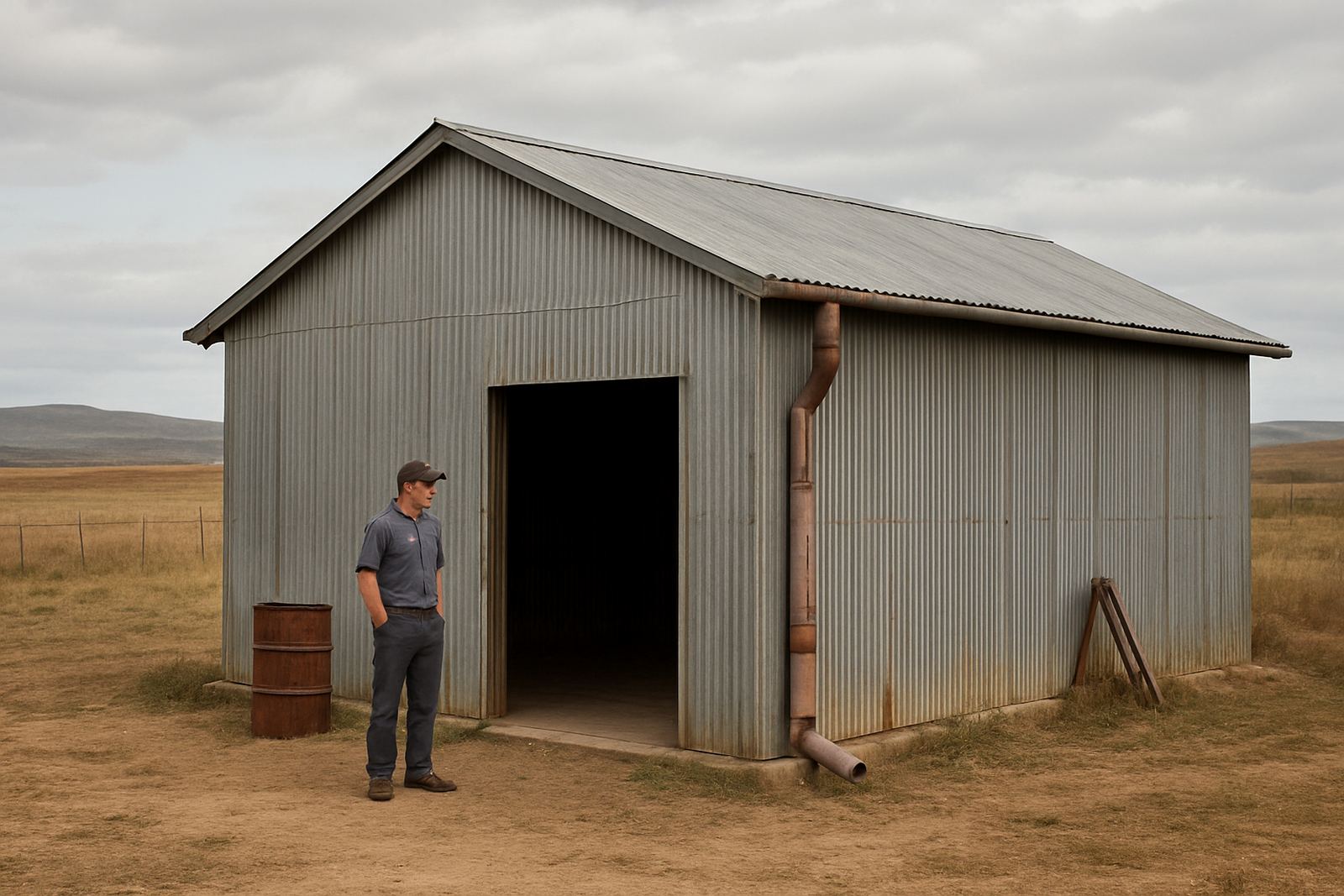
- Wall cladding for utility buildings
Planning the Layout Before the First Hole Is Drilled
A municipal site works best when the layout follows the way staff, vehicles and contractors actually move through the area. Access lanes need enough turning room for bakkies, trailers and small trucks. Doors must open away from main traffic paths. Roof overhangs should keep rain off walkways and loading points, not just cover the building footprint.
We start with site measuring, then look at levels, drainage, boundary lines and any services already underground or overhead. That matters around municipal depots where there may be cable runs, water lines, stormwater channels and old slabs that are not perfectly square. If the site is near the coast, we also allow for higher wind exposure and salt build-up on fixings and flashings. A little extra planning now saves a lot of patching later.
- Check vehicle access and turning circles
- Keep gutters and downpipes clear of loading zones
- Allow for maintenance access to pumps, valves and meters
- Set roof falls so water moves away from doors and switch gear
Typical Equipment and Building Elements
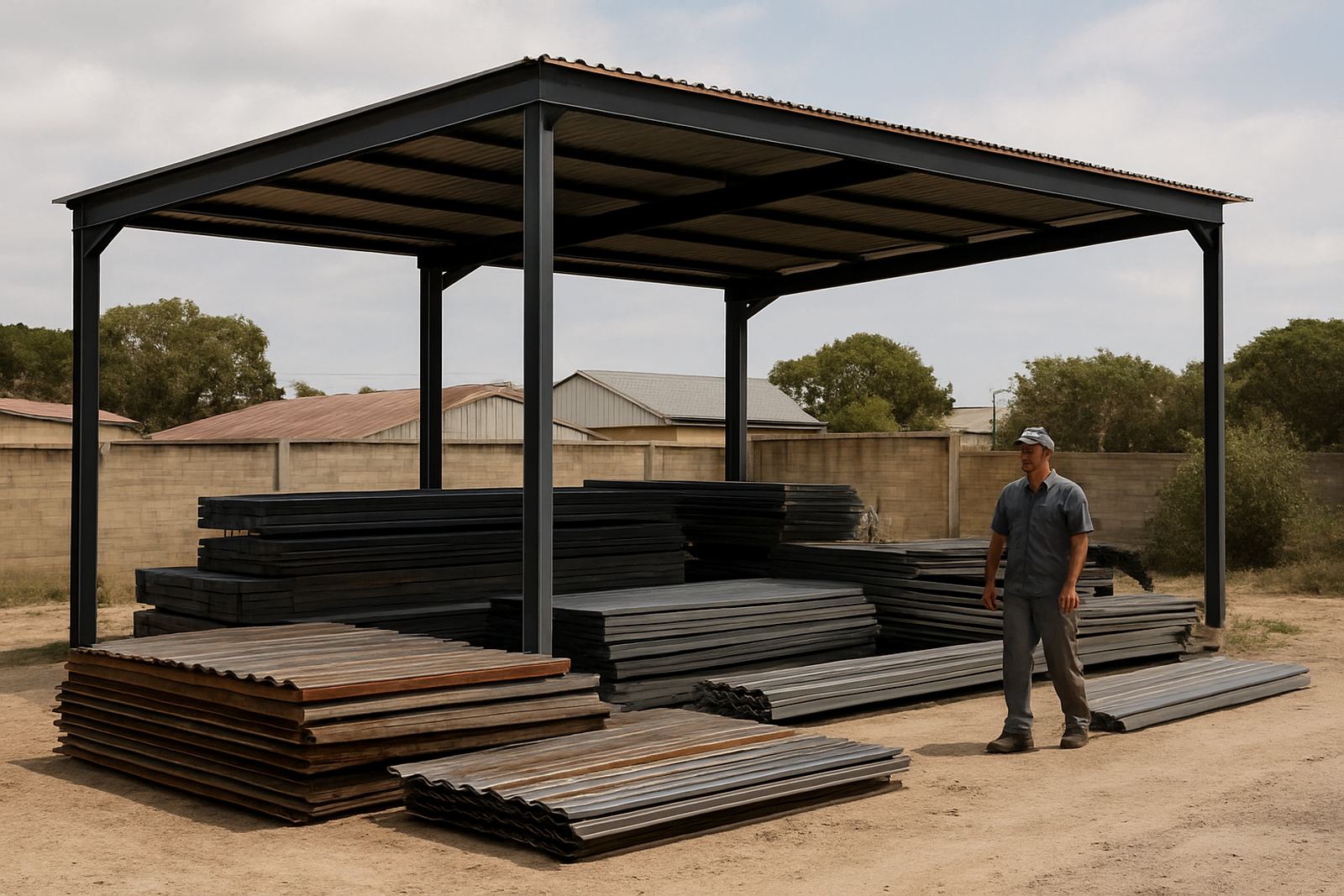
For municipal projects, the equipment set is usually practical and purpose-driven. That may include steel frames for shelters, roof sheets, wall cladding panels, custom flashings around openings, and gutters sized for the roof area and local rainfall. On service buildings, we also fit carports or lean-to covers for fleet parking, which keeps municipal vehicles cooler and helps preserve paint and interiors.
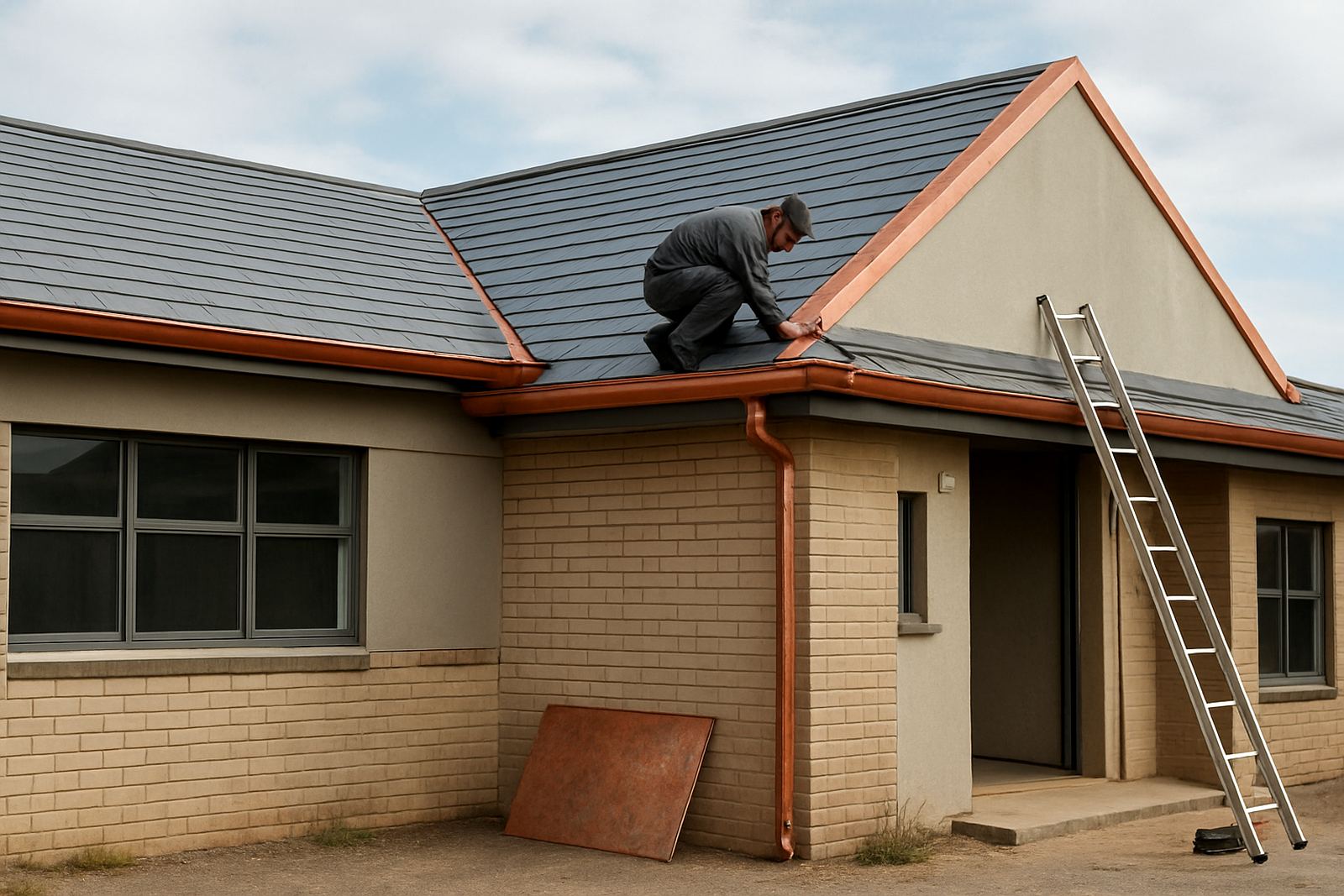
Where a site has high foot traffic or regular maintenance access, we can add stronger edge details, extra support members and properly formed flashings around eaves and wall joints. The right detail at the roof edge matters because water can track behind a badly fitted joint and damage timber, insulation or internal finishes. On some jobs, a simple gutter replacement is all that is needed, on others the whole roofline needs reworking.
- Steel frame erection for shelters and small buildings
- Roof sheet installation with correct overlap and fastener spacing
- Custom flashings for corners, penetrations and wall terminations
- Wall cladding for stores, workshops and service rooms
Common Mistakes on Public and Utility Sites
We get called to fix work that failed because it was treated like a private garage instead of a working municipal facility. The most common problems are undersized gutters, poor falls, weak anchoring, and cladding fixed without allowing for expansion and movement. In coastal areas, another issue is using fixings that are not suited to humid conditions, so rust starts at the screw heads and spreads along the sheet.
Another mistake is leaving maintenance out of the plan. A site may look fine when new, but if there is no easy way to clear leaves from gutters, inspect flashings or replace a damaged sheet, the building becomes expensive over time. We also see drainage ignored around concrete aprons, which leads to pooling, slippery access and water running back into the building. Municipal budgets are tight so the first install needs to be right.
- Incorrect gutter size for roof catchment area
- Poorly placed downpipes that interfere with access routes
- No allowance for coastal corrosion and wind exposure
- Cladding fitted without proper edge sealing or maintenance access
Budget Ranges for Municipal Sheet-Metal Work
Budget depends on size, access, height, steel quantity and finish level. A small repair or localised gutter replacement may start from a few thousand Rand, while a modest service shelter or carport can run into the tens of thousands. Full steel structures with cladding, roof sheeting and custom flashings are usually priced as a project, not as a single item. If the site is difficult to access, or work must be done around live operations, the cost will rise.
For planning purposes, municipal clients often work with three bands. Minor maintenance and repairs may fall roughly between R5 000 and R25 000. Mid-size items such as carports, small covers, or partial roof and gutter upgrades may sit around R25 000 to R120 000. Larger depot structures, steel frames and full cladding packages can move above R120 000 depending on scope. We quote after measuring because guessing leads to poor budgets and change orders.
Where possible, it helps to separate urgent work from longer-term upgrades. That way a leaking roof over electrical gear can be repaired first, while new shelters or cladding can be planned into the next budget cycle. It is also worth setting aside a maintenance allowance for annual inspections, because one bent flashing or blocked downpipe can create avoidable damage over a summer storm season.
How We Work on Active Municipal Sites
We work in a way that keeps disruption low and communication clear. Johan Petrus Botha leads the business from Gouriqua Park in Mossel Bay, with Leandri van Wyk handling operations, Carla April managing estimating, and Mziwoxolo Ndamase supervising site work. Ruan Goliath runs the workshop side, and Siphesihle Mbatha handles roofing and cladding installation on site. That structure helps when a job needs quick measurement, fabrication and fitting in a short window.
For municipal work, we plan around office hours, traffic, public access and safety controls. If a site is in Mossel Bay, Hartenbos, Great Brak River, George, Wilderness or Sedgefield, we can usually schedule measuring and installation with the local conditions in mind. The aim is simple: build it once, make it easy to maintain, and keep the site usable while the work is going on.
If you are planning a depot upgrade, a utility shelter or a service building, send through the basics and we will take it from there. A site with good steel work is easier to run, easier to clean, and less likely to surprise you after the next storm.