Keeping a School Dry, Safe and Open
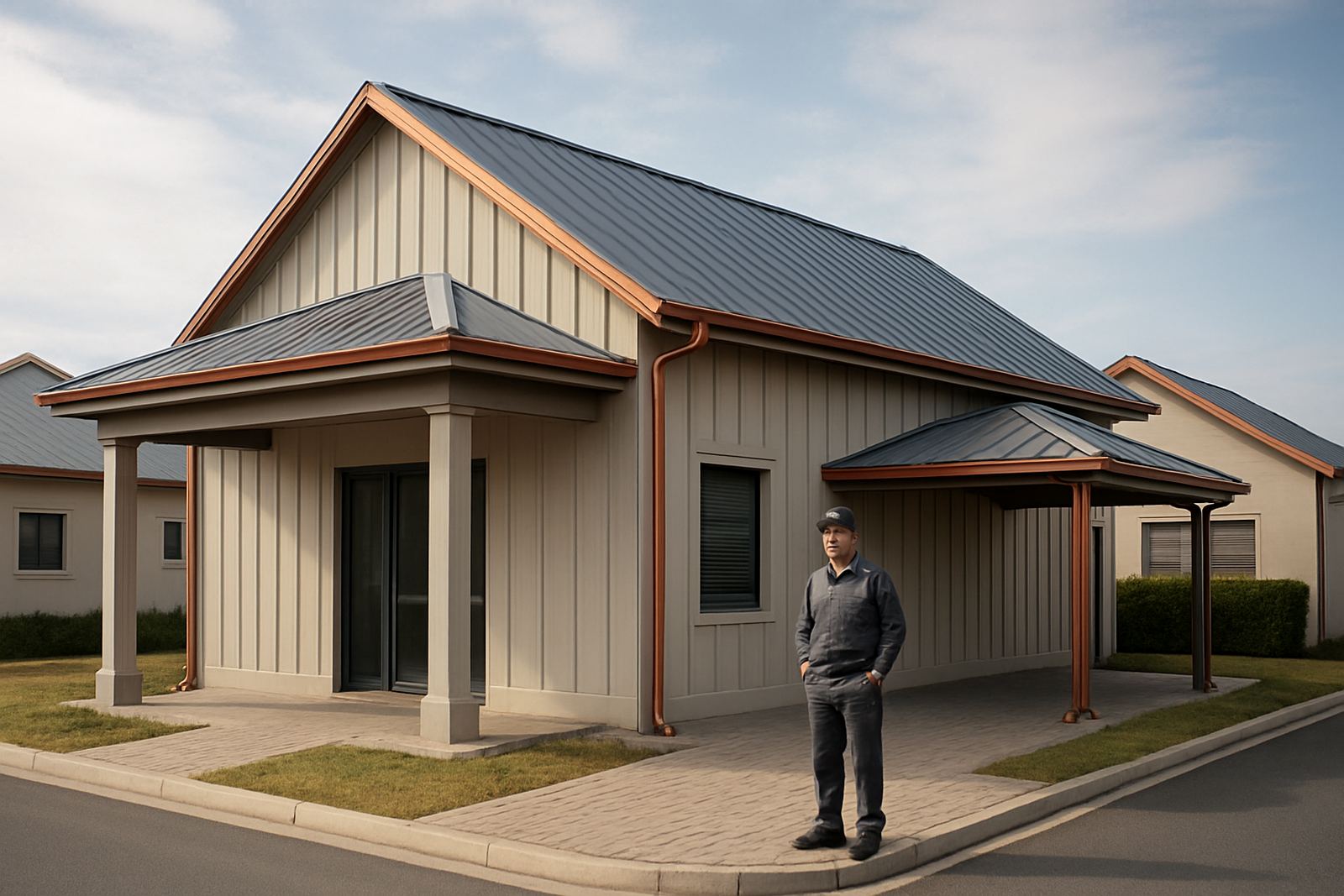
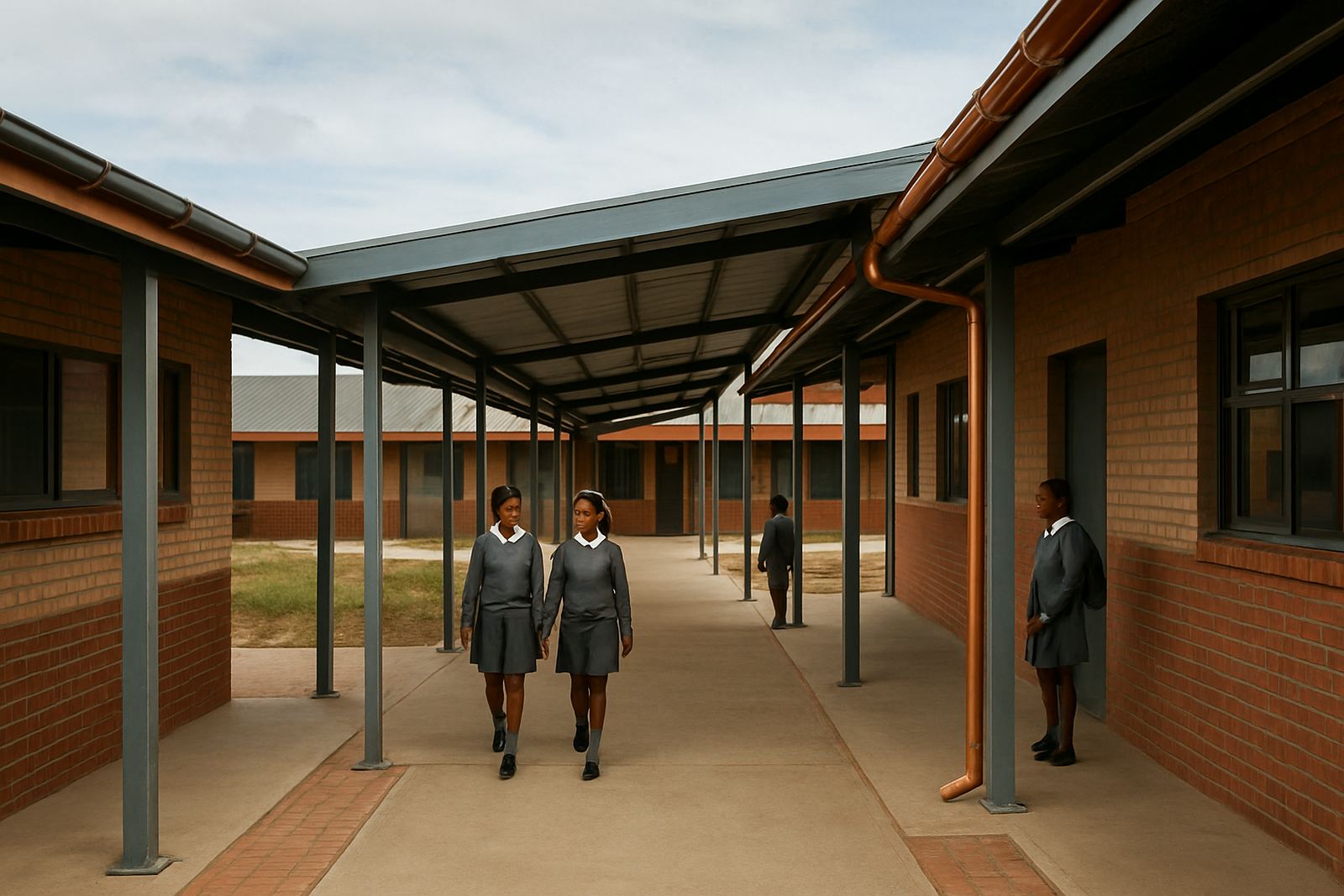
School buildings take a fair bit of punishment. High foot traffic, long gutters, wind driven rain and salt air from the coast all add up, so the usual job is not just to fit new metal but to solve the whole water path. On a school site that often means walkway covers at classroom blocks, new or repaired gutters, roof sheet replacements, flashings around joints and maintenance on steel frames where water has been sitting too long.
In Mossel Bay, Hartenbos, Great Brak River and George, schools also need work scheduled around traffic, assemblies and sports days. We plan around access points, safe cordon off areas and the times when learners are moving between blocks. If a roof leak is letting water into a corridor, the fix needs to be tidy and quick because one bad drip can stop a class or damage books and electrical fittings.
For most school clients the first step is a site measure and a short list of what is urgent, what can wait and what can be done in one holiday period. That helps the school office, the governing body and the maintenance team to work from the same plan instead of chasing patch jobs every few months.
Typical Work We See on School Campuses
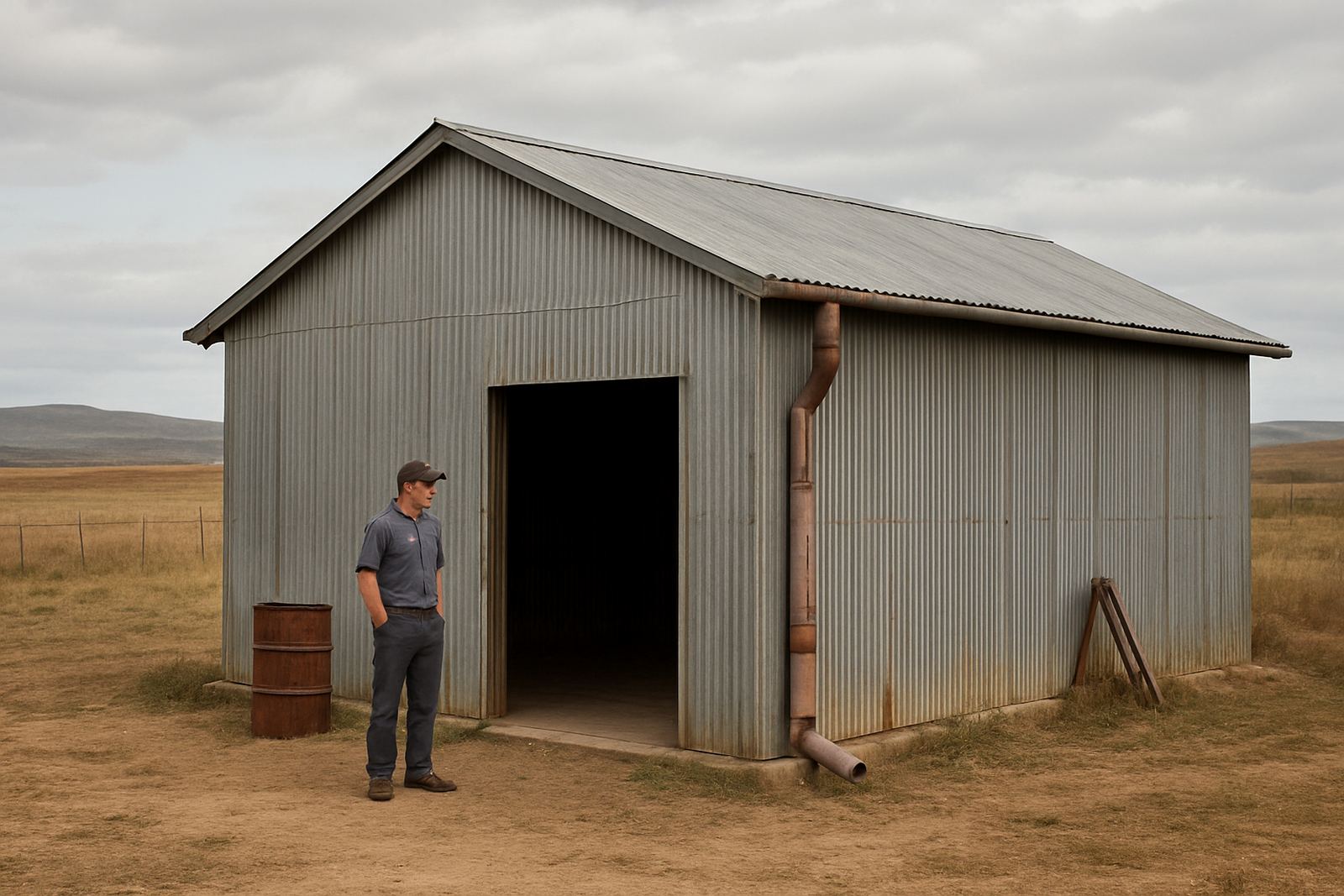
Every school is different, but the same sheet metal problems show up often. Gutters overflow because they are too small, roof sheets loosen after years of wind, and walkway covers rust where water pools at the low end. In older blocks we also find flashings that were never fitted properly, which is why a wall stays damp after rain.
- Walkway covers for paths between classrooms, admin blocks and ablutions
- Gutter fabrication and gutter replacement for long roof runs
- Roof sheet installation and partial roof sheet replacement
- Custom flashings at ridges, valleys and wall junctions
- Steel frame erection for covered areas, canopies and simple shelters
- Maintenance inspections before winter or after a strong coastal storm
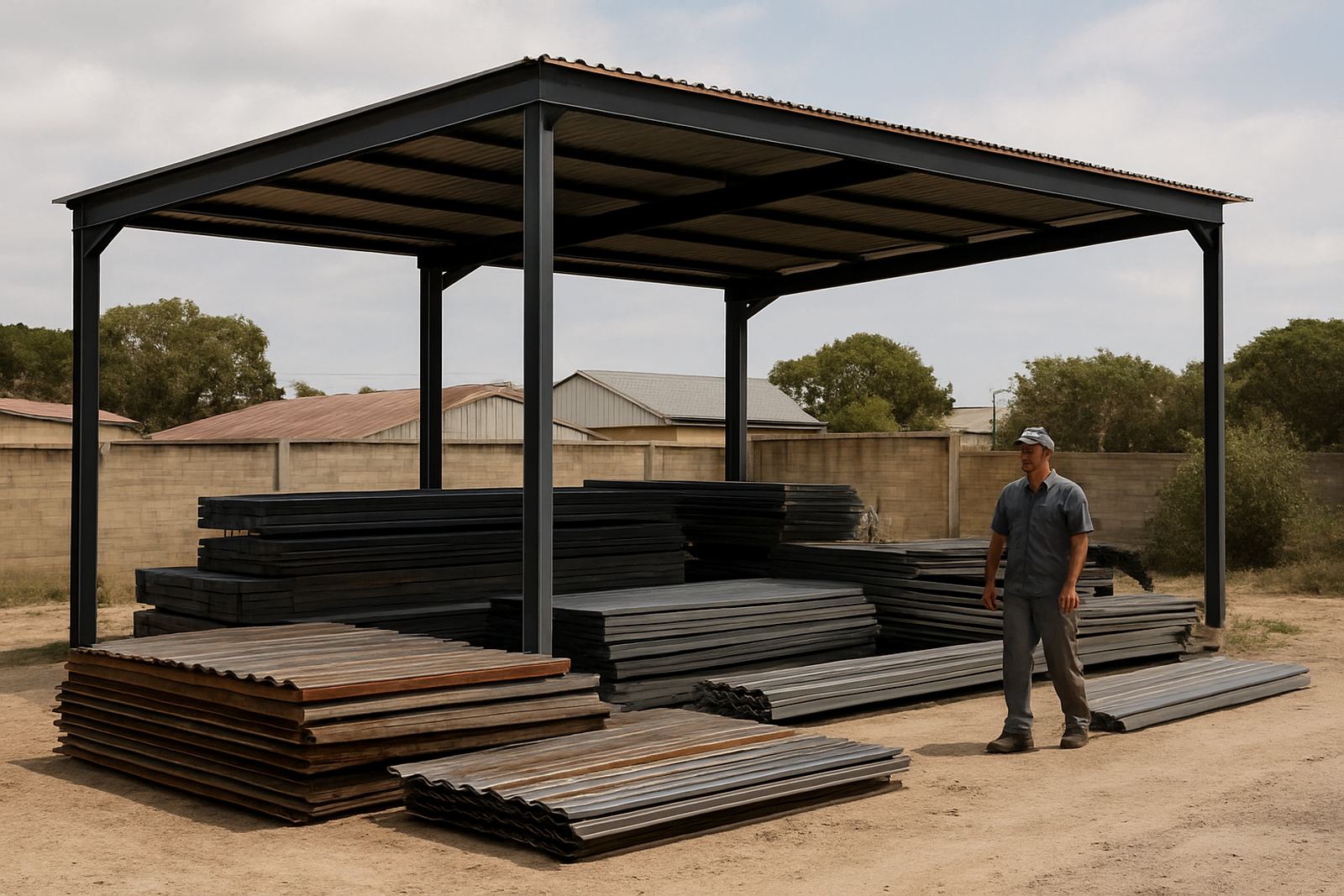
The equipment set depends on the site. A small primary school may only need light framing, cladding sheets, brackets, fixings and new gutters. A larger campus may need heavier steel members, longer roof spans, access equipment and a planned sequence so that one section stays open while another is worked on. On coastal sites we pay attention to fasteners and sheet selection because corrosion can start sooner than people expect.
Planning Around Term Time and Holiday Windows
Schools usually want the work done with the least disruption possible, and that means planning is just as important as the metal work itself. If we are replacing roof sheets over a library or classroom block, the best time is often a holiday period or a long weekend with enough days to finish, clean up and check for leaks before learners come back. For walkway covers and gutters, we can often phase the work so one section is completed at a time.
A proper plan should show where materials will be stored, how rubbish will be removed and which entrances stay open. If a school has early morning drop off congestion, we avoid those points. If there are exam rooms nearby, we keep noisy fixing work away from those hours where possible. It sounds simple, but it saves a lot of upset later on.
For schools in George, Wilderness and Sedgefield, weather can shift quickly and coastal humidity can affect metal and sealing work. A bit of extra planning for drying time and weather cover on the day can make the difference between a job that lasts and one that needs redoing too soon.
Common Mistakes That Lead to Repeat Repairs
Many school repairs start with a leak and end with a bigger repair because the actual cause was not checked. A drip in a corridor can come from a blocked gutter, a failed flashing, loose sheet fixings or poor falls on a roof edge. If only the visible stain is painted over, the problem keeps coming back. That is why we look at the water path from top to bottom before quoting.
- Using gutters that are too small for the roof area
- Missing or badly fitted flashings at wall joins
- Ignoring blocked outlets and downpipes
- Fixing new sheets onto old frames without checking rust or movement
- Leaving low points where water can stand after rain
Another common issue is trying to save money by patching a roof that has already reached the end of its useful life. A patch may help for a while, but if the sheet has thin spots or the fixing points are failing, the school ends up paying twice. On busy sites, it is better to replace the right section once than to send a team back every term.