Warehouse Roof Work in George: The Brief We Received
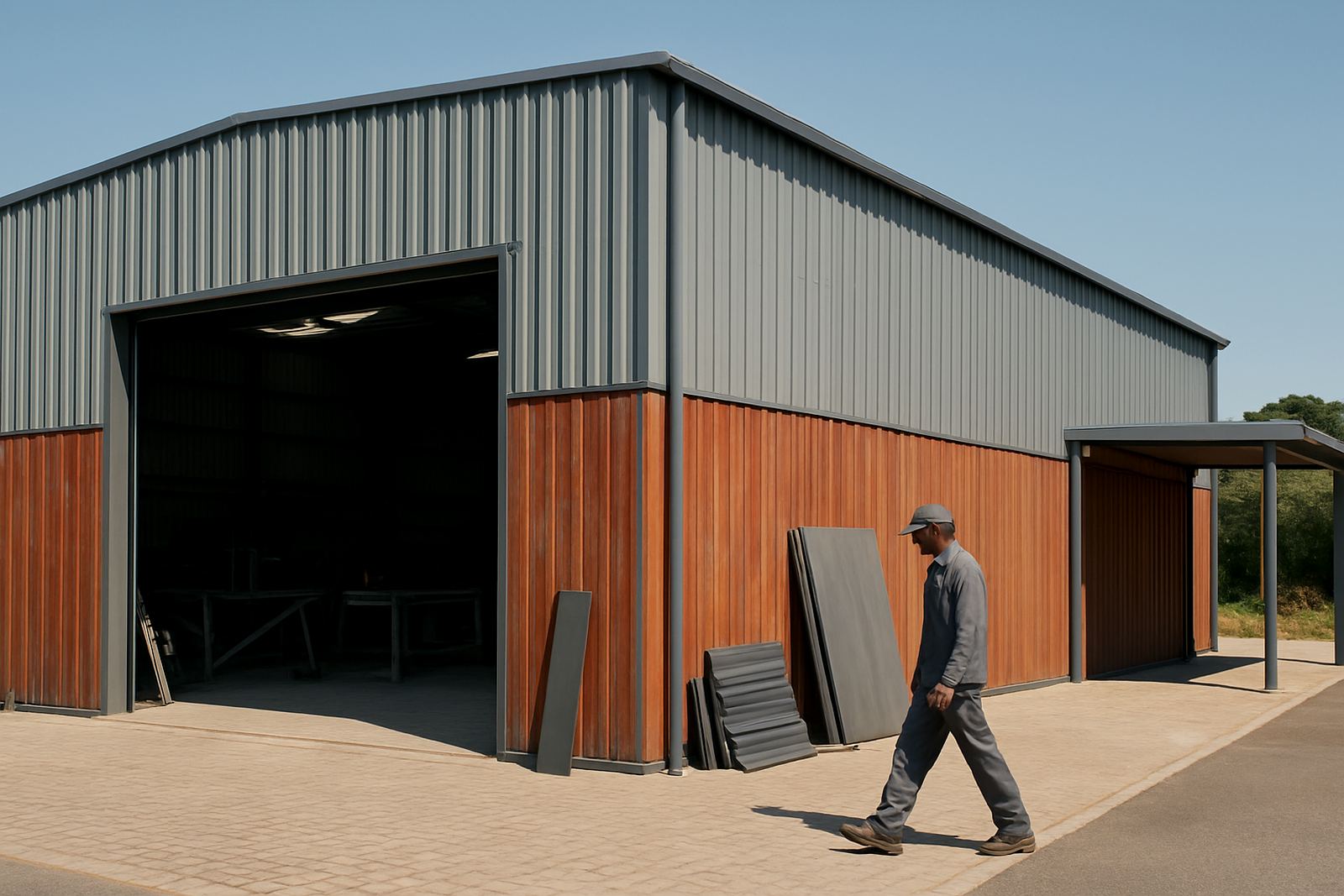
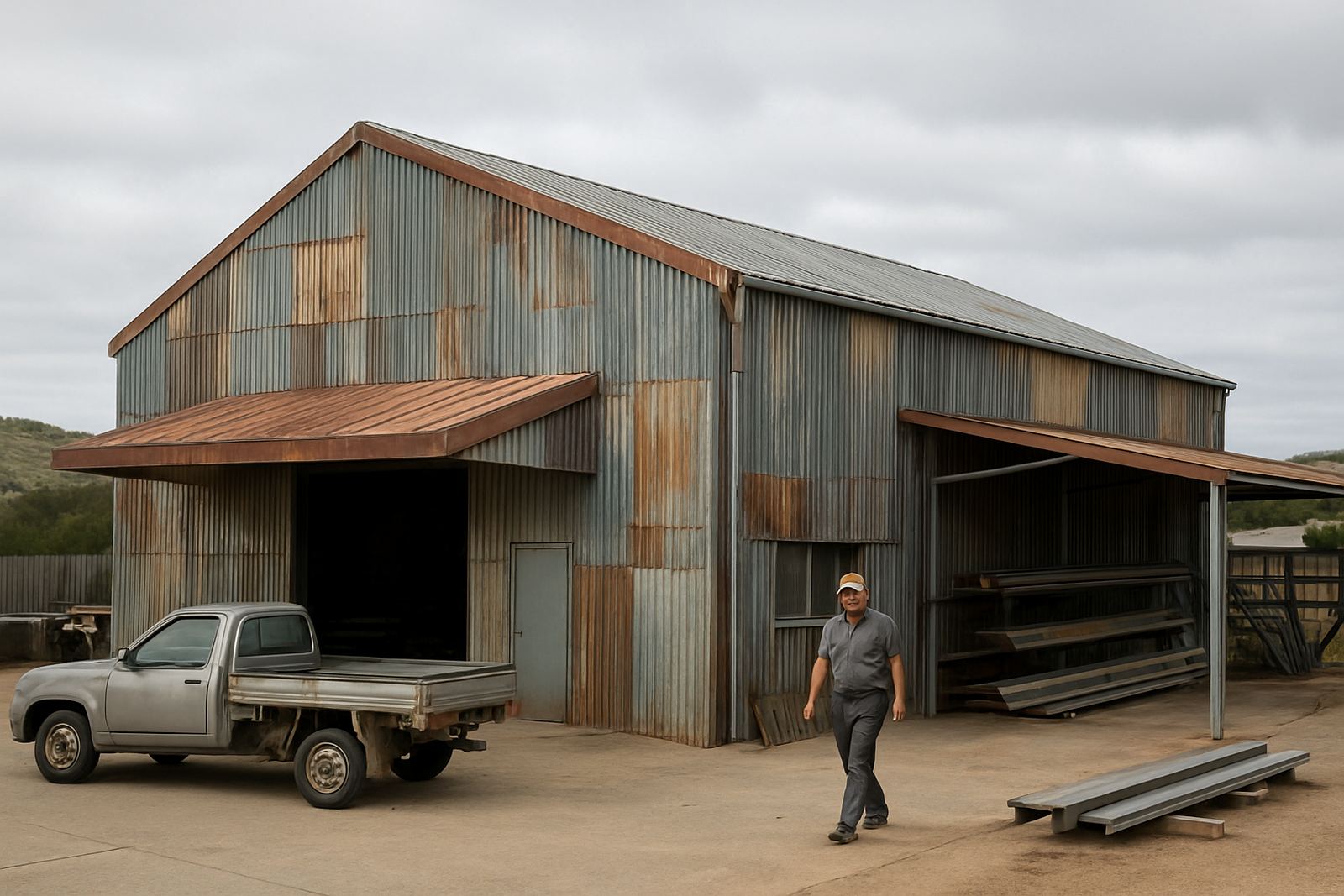
The client was a regional storage operator in George with a large warehouse used for general goods and palletised stock. The existing roof had reached the point where sheet laps, fasteners and ridge details were no longer doing their job properly, and there were signs of water ingress after the usual Southern Cape rain and wind. The brief was clear: replace the worn roof sheeting, sort out the ridge line and leave the building watertight without disrupting day to day operations more than necessary.
The structure sat in an exposed part of town where afternoon wind can shift quickly, so the roof work had to be organised in stages. The team also needed to keep stock areas protected while sections of the old roof were opened up. That meant proper measuring, phased removal and close coordination with the site contact from start to finish.
What Made This Roof a Bit Tricky
Warehouse roofs are rarely difficult in one single way, they just demand discipline. On this building we had to work around a long roof run, existing steelwork, and the fact that a storage facility cannot simply stop trading while a roof is being changed. In George, wind off the coast and sudden showers are part of the picture too, so timing mattered as much as the metal itself.
- Large roof area with long sheet runs
- Weather exposure from wind and moisture
- Need to protect stored goods during stripping and replacement
- Ridge detailing required to improve water shedding and reduce uplift
- Work had to be staged so operations could continue
We also checked the roof structure before fabrication started, because replacement sheeting only works properly if the supporting frame and fixing points are sound. Where minor adjustments were needed we dealt with them on site rather than leave them for a future leak to show up.
Materials and Roof Details Supplied
For this project we supplied new roof sheeting, ridge cappings and the related flashings needed to finish the roof properly. We also replaced fixings where the older fasteners had started to lose grip. The ridge section was detailed to reduce the chance of water working back under the sheets, which is important on wider industrial roofs where wind pressure can push rain in ways people don't always expect.
The sheeting profile was selected to suit a warehouse roof with practical drainage and maintenance in mind. We kept the finish straightforward and serviceable, because for storage buildings the key thing is reliability over time, not unnecessary complication. The new metal components were measured and cut to suit the building, with attention given to overlaps, ends and side laps so the final fit would hold up through seasonal weather.
- New roof sheeting cut to measured lengths
- Ridge cappings fabricated for the roof profile
- Matching flashings for transitions and edges
- Replacement fixings at worn or loose points
- Seal treatment at vulnerable joints and laps
How We Carried Out the Replacement
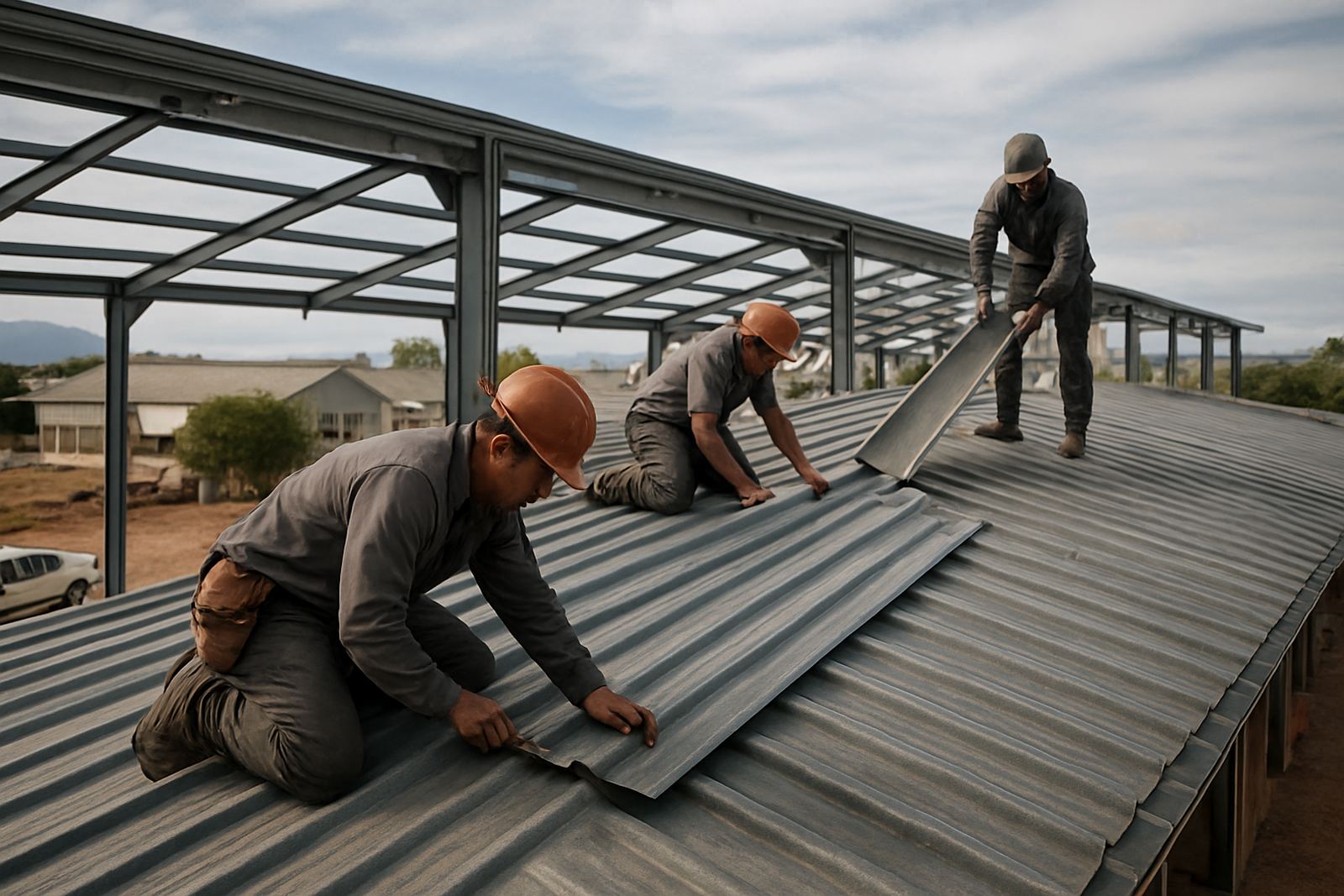
Our team started with a measured site inspection and marked the sequence of work so one section could be opened and closed before the next was removed. That helped keep the warehouse protected and limited the time stock sat under exposed roof sections. Once the old sheets came off, we checked the supporting lines, fixed the new material and then moved to the ridge work while the roof area was still easy to access.
The site supervisor kept the crew moving in the right order, with the workshop foreman handling the cut list and the roofing installer focusing on accurate placement. Because this was a live storage building, housekeeping mattered. Old sheet material and offcuts were cleared as we went, and the site remained manageable for the client throughout the job.
Where a roof is already old, the real value lies in doing the small things properly. If a lap is short or a fastener sits wrong, the problem may not show the first week but it will show in a strong summer storm. We made sure the finished roof line was consistent and the ridge section sat correctly along the full length, no waviness and no hurried joints.
Timeline, Access and Weather Planning
The full scope ran over 3 weeks from first measure to final sign off. That included ordering, workshop preparation, phased removal and installation, followed by the final detail checks. The schedule allowed for weather pauses, which is just practical in George where a dry morning can change quickly by late afternoon.
Access planning was important because warehouse sites often have limited space for material storage and delivery. We arranged our work so sheets could be offloaded in a controlled way and moved directly into position. That cut down on handling damage and kept the site from becoming cluttered.
- Week 1: site measure, roof survey and fabrication planning
- Week 2: old sheet removal and main roof replacement
- Week 3: ridge detailing, final fixings and handover checks
We also worked around the practical realities of load-shedding periods and site access windows. When power is limited on a commercial site, planning the sequence properly matters because you do not want idle labour while the roof sits exposed.
What Changed After the Job Was Done
Once the replacement roof and ridge detailing were complete, the building regained proper weather protection and the client had a roof system that was easier to maintain. Water entry points were dealt with and the warehouse no longer had the same risk of damp damage around stored goods. The finished roof line also looked more orderly, which matters on a large commercial building where the roof is the first thing people see from the yard.
The client got a practical result: a stronger roof cover, better ridge performance and less anxiety when the weather turns. For a storage facility, that means fewer interruptions and lower maintenance pressure over time. We also left the site with clear notes on what to monitor after heavy rain, so any future servicing can be handled before small issues become bigger ones.
What we would do again on a similar project is the same staged approach. Measure carefully, fabricate accurately, strip only what can be replaced in sequence, and keep the ridge work to the same standard as the rest of the roof. That method works well on warehouse buildings in George and across the southern Cape.
Why Clients Call J&E for Industrial Roof Work
We handle roof replacement, flashings, gutters and steel work with a practical workshop and site team based in Mossel Bay, working through George, Hartenbos, Wilderness, Sedgefield and the surrounding area. Clients call us when they need metal work that fits properly the first time and stands up to local conditions, especially near the coast where moisture and wind can shorten the life of poor workmanship.
For warehouse and storage buildings, the big thing is not just getting new sheets onto a roof. It is making sure the building can keep operating, the roof drains correctly and the final detailing is good enough to live with for years. That is the standard we brought to this George warehouse project and the standard we bring to similar jobs across the region.
Key facts
| Project | George Warehouse Roof |
|---|---|
| Client type | Regional storage operator |
| Town | George |
| Scope | Roof sheeting replacement and ridge detailing |
| Timeline | 3 weeks |
| Services | Site measuring, roof sheet installation, custom flashings, gutter and roof detail work |