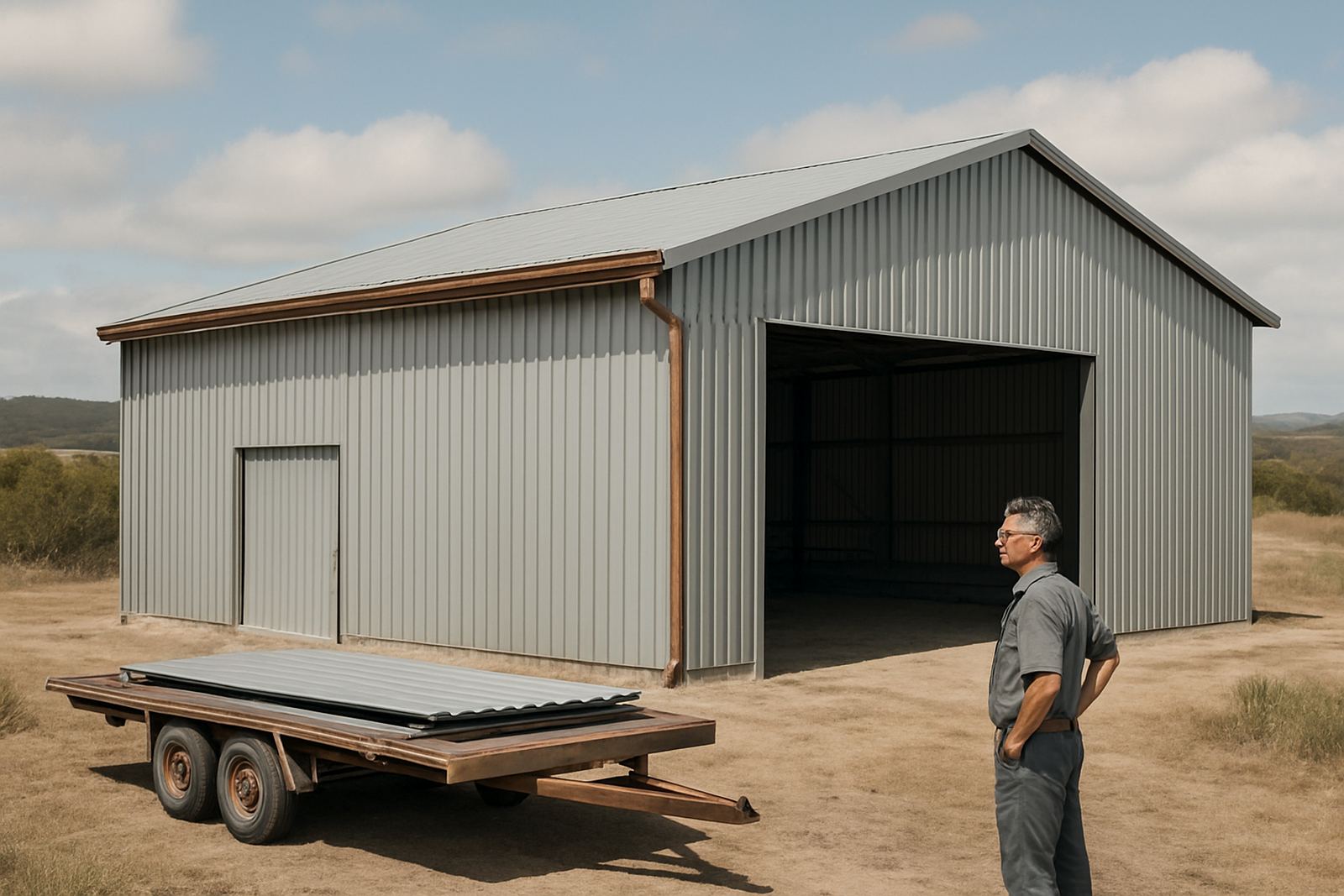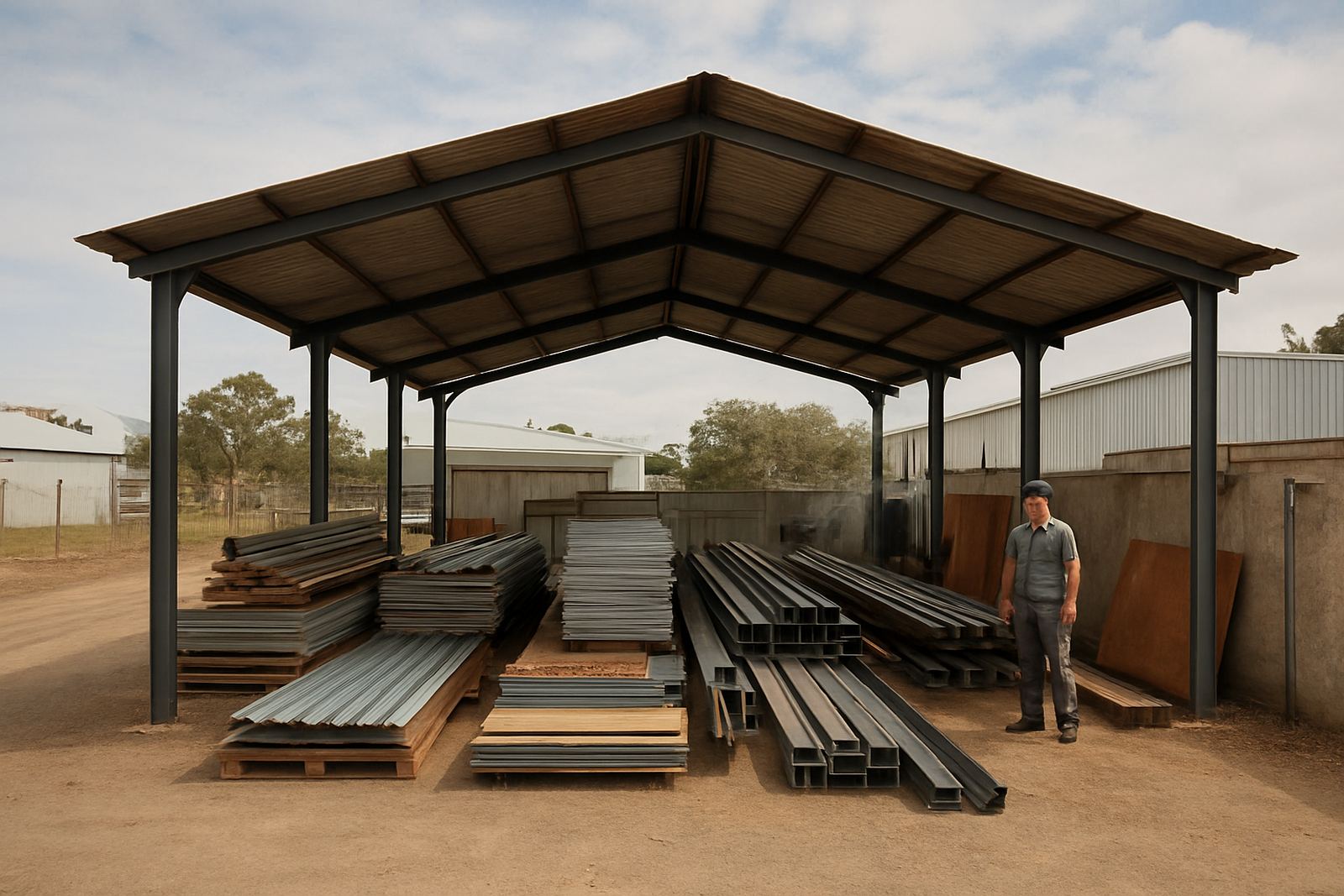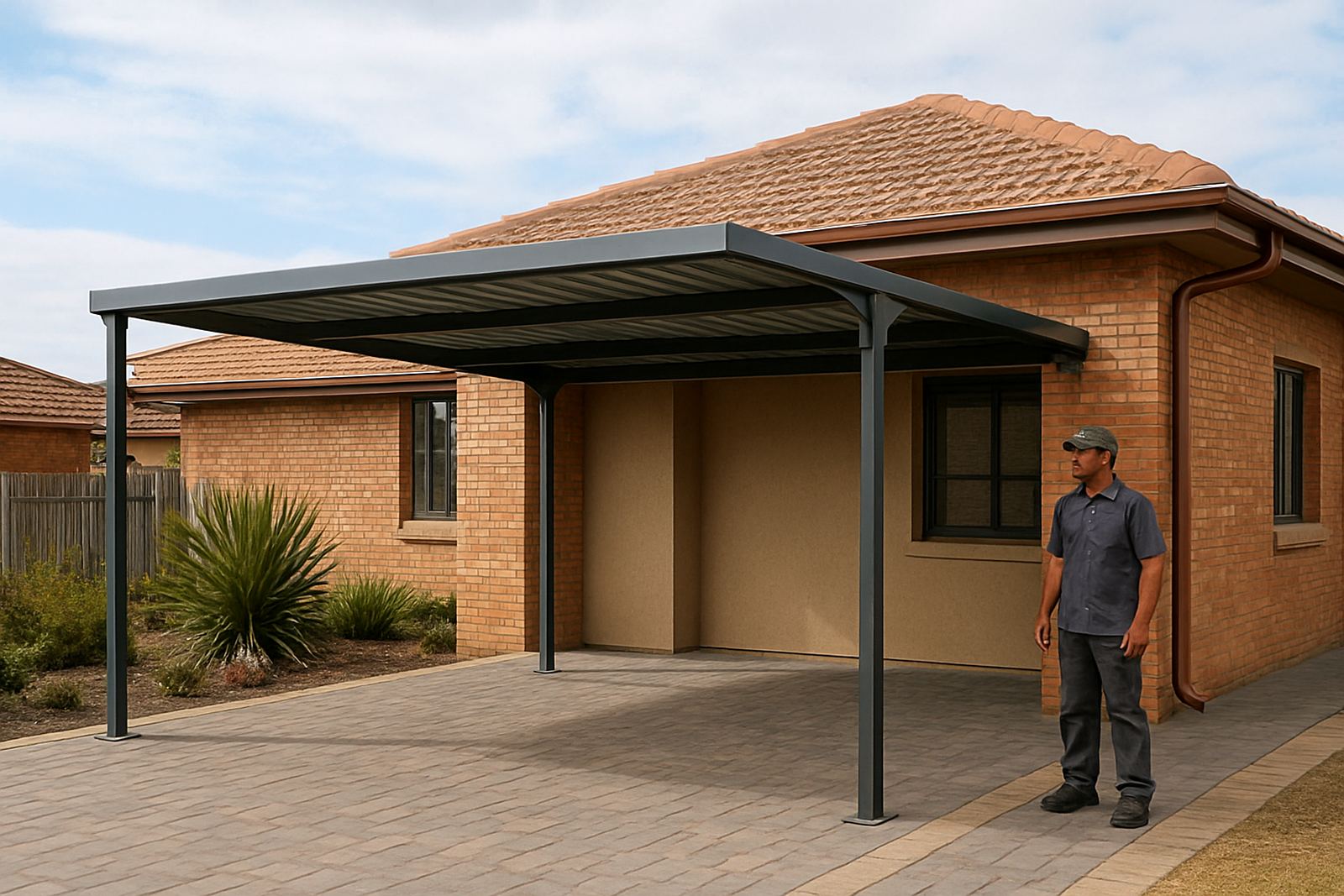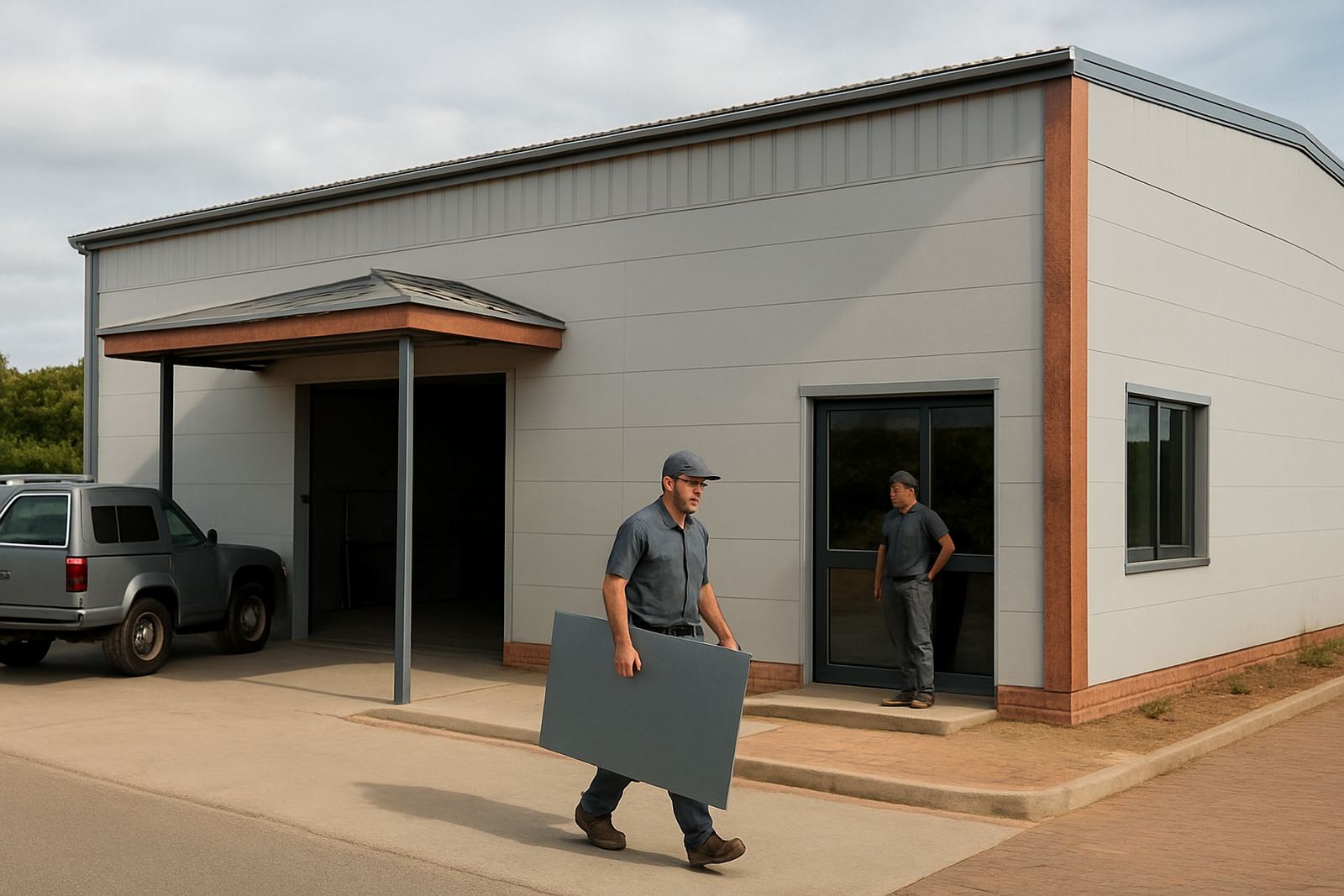
Light commercial front in Gouriqua Park
The project was for a light commercial unit in Gouriqua Park, Mossel Bay, where the shopfront and service area needed a cleaner look and better weather protection. The building sits close to the coast, so salt air, wind driven rain and regular sunlight all had to be taken into account from the start.
The brief was straightforward on paper but detailed in the execution. The owner wanted parapet cappings that would tidy the top edge of the front wall, plus a service canopy that would give staff and deliveries some cover at the working side of the building. Because the unit remained active during the work, the job had to be planned in short stages with as little disruption as possible.
We handled the measuring, fabrication and site installation from our base in Gouriqua Park. That meant the team could work quickly, check dimensions on site, and adjust details before final fixing. For a small commercial unit, that local control saves time and avoids avoidable rework.
What the client needed from the first visit
The client wanted the building to stop showing water marks and edge rusting around the parapet line. There had also been recurring drips along the service area during heavy rain, which is common in Mossel Bay when weather comes in sideways. The solution had to shed water properly, stay neat from street level, and be practical for future maintenance.
- Parapet cappings to suit the existing wall dimensions
- A service canopy with enough projection to cover the working line
- Corrosion-conscious material selection for a coastal site
- Clean joints and turned edges to reduce standing water
- Fixings laid out for maintenance access later on
We also checked the existing roof edge and wall line for movement, old sealant failures and any signs of loose substrate. Small defects at the edge can turn into leaks fast if they are left alone, especially where the building takes wind from the sea side.
Measurements, fabrication and fit-up
Once the measurements were confirmed, the parapet cappings were fabricated to the building profile and finished with formed returns, laps and drip edges. We set the sections out to suit the wall lengths so that joins landed where they could be sealed and checked properly. The service canopy was made with enough fall to move water off the face of the unit and away from the entry area.
On this job the details mattered. The cappings needed a firm, even line across the top of the parapet, while the canopy had to sit square to the building without looking heavy. Our workshop team prepared the sections, then the site crew carried out the installation, alignment and final sealing. It sounds simple, but getting it right takes careful set out and a steady hand.
The chosen sheet and trim arrangement allowed for thermal movement and local weather swings. That matters in the Southern Cape where mornings can be cool and afternoons warm, then the rain arrives late in the day. A tight-looking fit is good, but if a detail cannot move a little where it should, it will start opening up later on.
Site conditions and working around trading hours
The unit was operating while the work was underway, so the schedule had to stay practical. We split the job into manageable sections and kept noisy work to shorter windows. Deliveries, customer access and staff movement all stayed open, which was important for the client.
There were also the usual local factors to manage. Coastal humidity, gusty afternoons and occasional load-shedding can all affect planning on a live site. Our team kept fixings, sealants and tools ready so work could continue when the window opened, rather than losing half a day to poor sequencing.
- Work planned around access to the front entry and service side
- Sections lifted and fixed in stages to limit downtime
- Final sealing completed after alignment checks
- Cleanup carried out so the frontage stayed presentable
Because the site was in Gouriqua Park, transport time from our workshop was short and that helped with response speed. If an adjustment was needed, the team could return without wasting a full day on the road.
What we supplied and installed
For this project, we supplied and installed the parapet cappings and the service canopy components. The work included custom fabrication, fastening, sealing and a final inspection of all visible edges and water-shedding points. We also checked that the canopy projection and fall matched the intended use of the area.
The finish needed to look part of the building, not something added later. That meant matching the lines of the façade and keeping the profiles tidy. It also meant making sure the joints were sealed properly without smearing sealant where it would show from the parking area or the road side.
- Custom parapet cappings for the full front edge
- Service canopy sections formed to suit the wall line
- Corrosion-aware fixings and sealant application
- Final alignment, water run-off checks and site cleanup
As with many coastal jobs, we aimed for durability first and a neat look second, though both matter. The point is not to overcomplicate a small unit, but to make sure the details hold up once the winter rain and salt air do their work.
Timeline, handover and results
The project was completed over two weeks from site measure to final handover. The first week covered the measure-up, workshop fabrication and staging of materials. The second week covered installation, sealing, touch checks and close-out. That pace kept the site moving without rushing the fabrication, which is where errors usually start.
The result was a cleaner roof edge, better water control above the shopfront and a more orderly service area for staff. The parapet line now reads properly from the street and the canopy gives useful cover where deliveries and daily work happen. The client wanted a practical improvement, and that is what the job delivered.
We were also able to leave the site with simple maintenance points marked for later inspection. That matters on a commercial building where little issues can get missed until the next heavy rain. A quick check after storms, and again before winter, will keep the details working as intended.
What we would repeat on a similar Mossel Bay job
If we did a similar project again, we would keep the same approach: measure properly, fabricate locally, and install in short site visits that fit the client’s hours. On this kind of work, the best outcome comes from clear communication and not trying to force a one-size-fits-all detail onto a building that already has its own lines and quirks.
We would also keep allowing for coastal conditions in the material and fixing choices. Mossel Bay is not the place for careless edge details or thin sealing at exposed joints. A neat finish is good, but the real test comes after the first round of rain and wind. That is why we build these details with maintenance in mind from the beginning.
For shopfront and service-area upgrades in Gouriqua Park, Hartenbos, George or anywhere along the southern Cape, the same practical method holds up well. It saves time, reduces call-backs and gives the client a frontage that looks cared for instead of patched together.
Key facts
| Project | Parapet cappings and service-canopy work |
|---|---|
| Client type | Light commercial unit |
| Location | Gouriqua Park, Mossel Bay |
| Duration | 2 weeks |
| Scope | Measure, fabricate, install and seal |
| Exposure | Coastal wind, salt air and heavy rain |
| Outcome | Improved weather protection and cleaner frontage |