Flashings Cut To Your Roof, Not The Other Way Round
Custom flashings are there to keep water where it should be, moving off the roof and away from wall joints, openings and penetrations. On the coast, where wind and driving rain can work under loose edges, a flashing that is too short or badly formed will show problems fast. We make each piece to the measured size on site so it suits the actual pitch, overlap and fixing line.
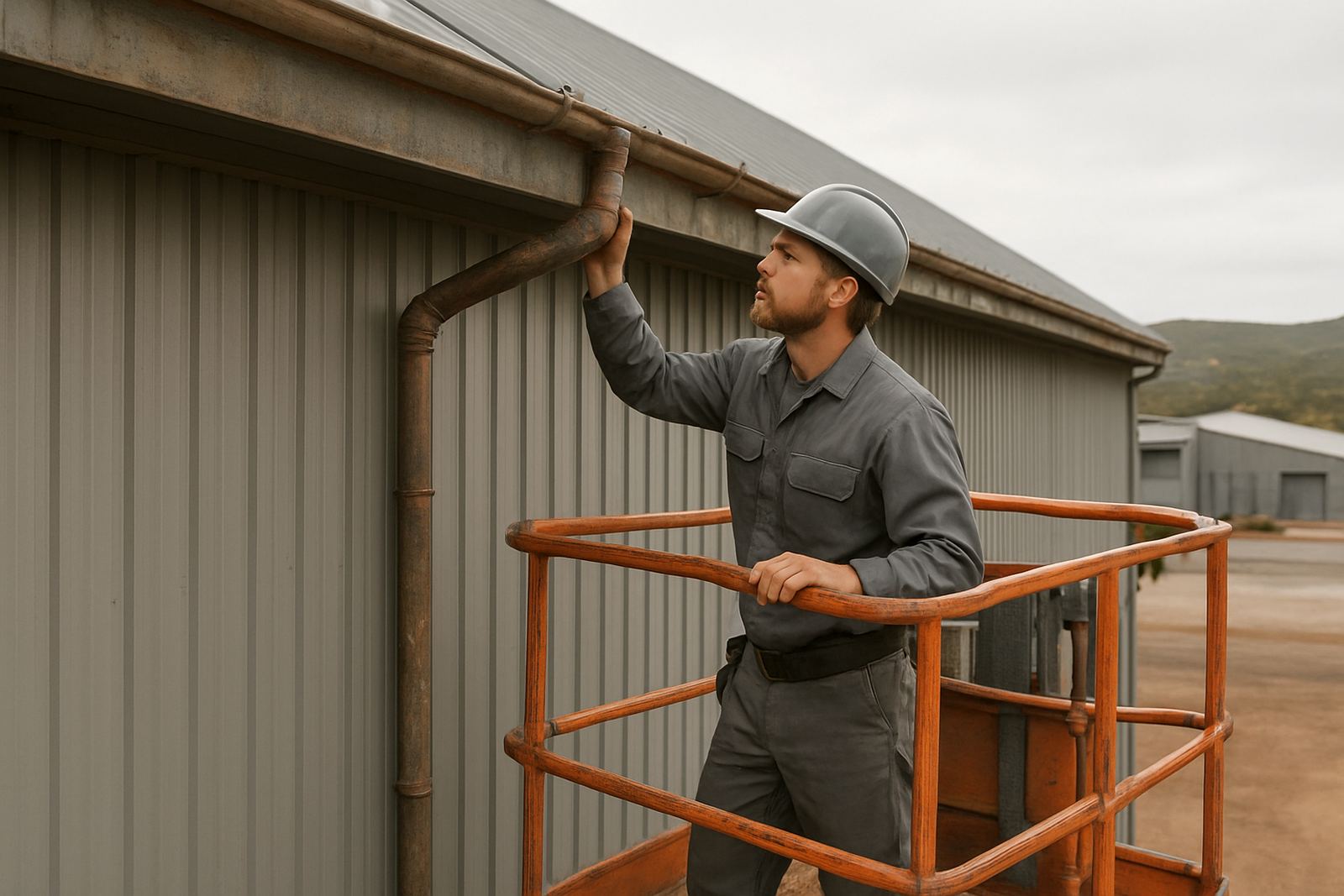
We supply flashings for roof edges, barges, apron details, parapets, skylight surrounds, chimney sides, box gutters, and service penetrations such as pipes, vents and flues. If the roof is corrugated, IBR or concealed-fix, the fold profile and fixings are set to match the sheet type and the water run. That matters in Mossel Bay, Hartenbos and George where a lot of properties face salt air and strong south-easterly weather.
What Is Included In The Flashing Service
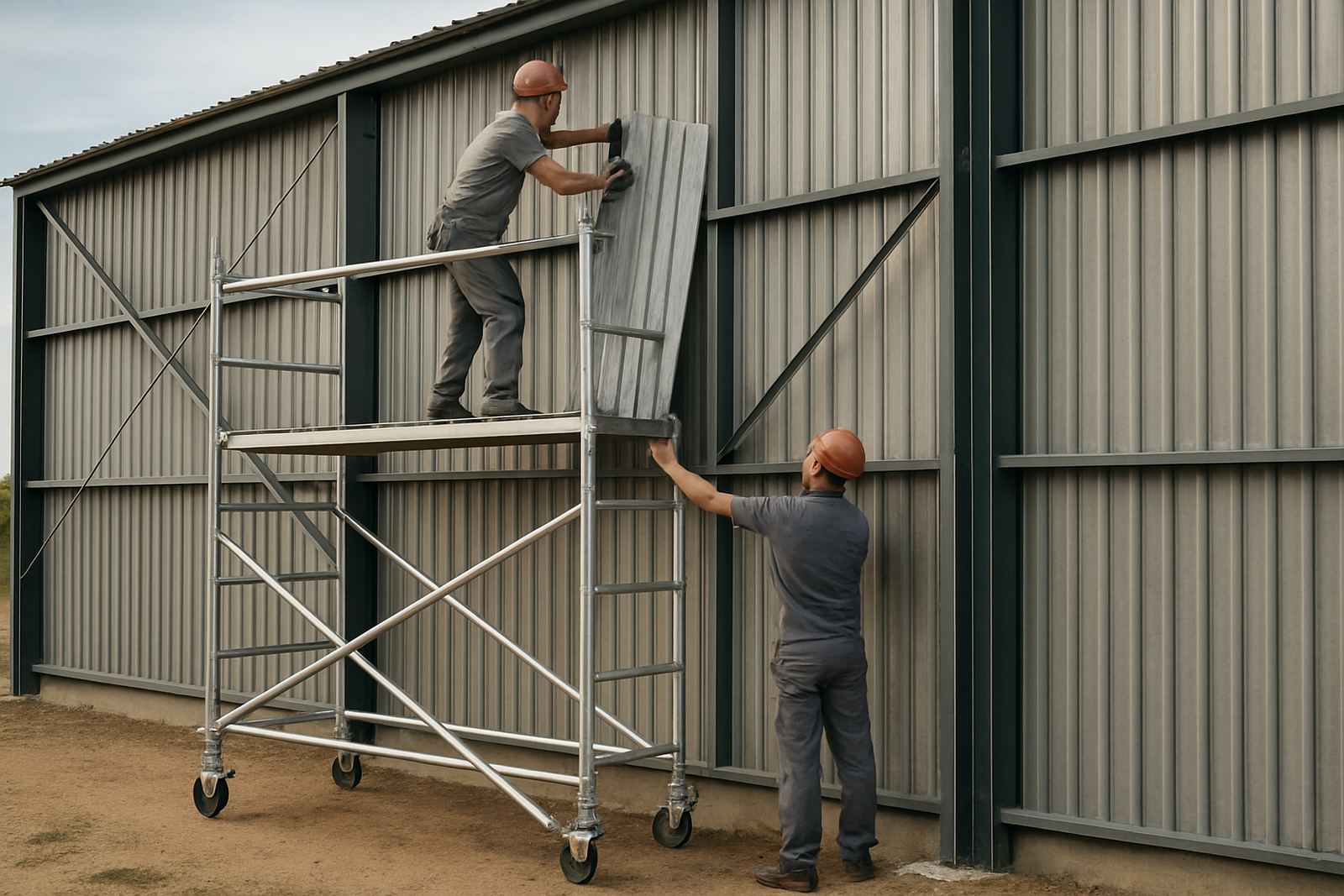
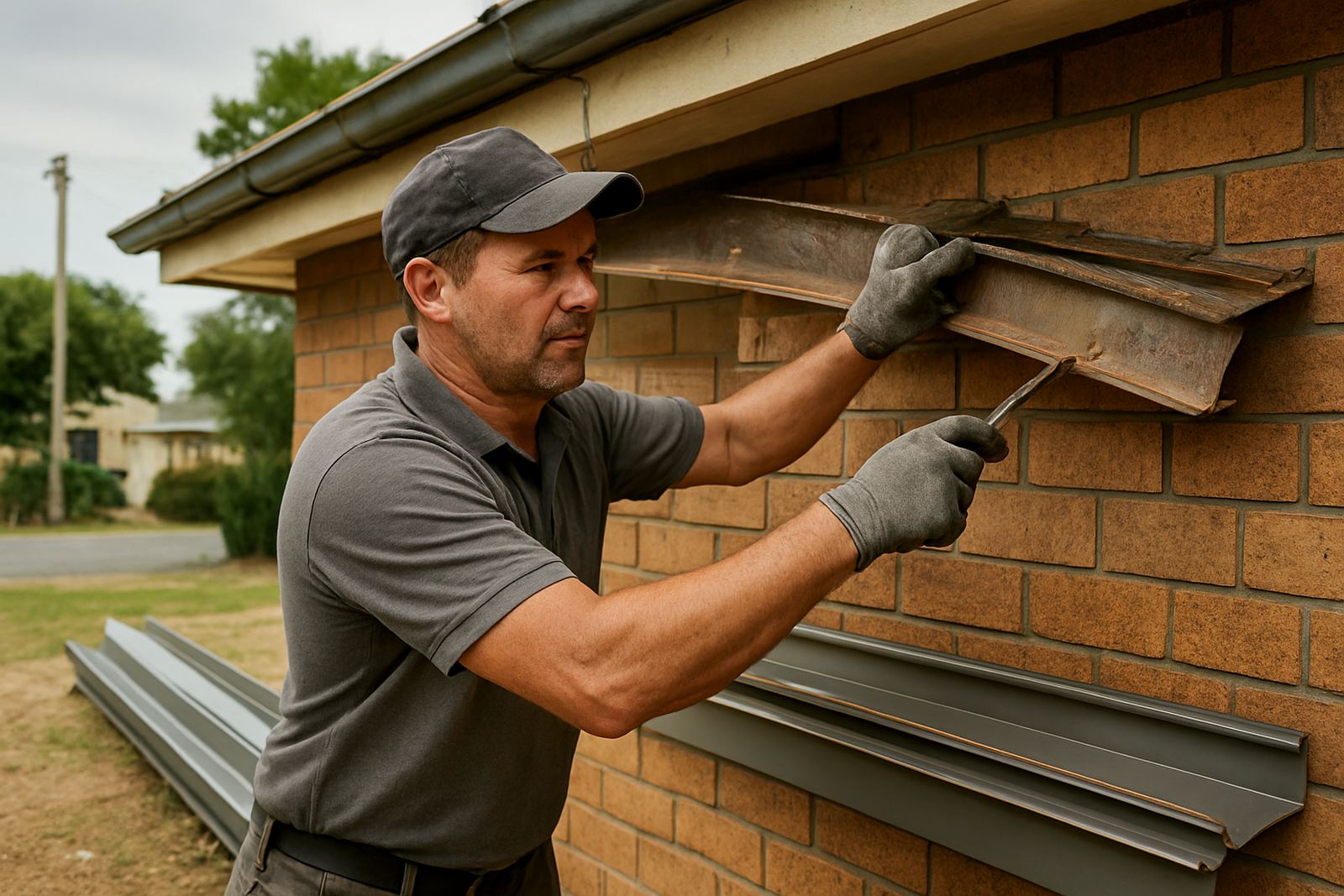
We do the site measuring, making, and supply of the finished flashing pieces. Where needed, we also remove damaged sections, prepare the substrate, and install new flashings with the correct overlap and sealing. The job can be done as part of a larger roof repair, or as a stand alone order for a builder, owner or body corporate.
- Site measuring and marking of all joints, edges and openings
- Cutting and folding to suit the roof line and wall detail
- Matching of colour, gauge and finish where available
- Fixing with sealed fasteners, laps and appropriate sealant
- Replacement of rusted or bent flashings on older roofs
- Coordination with gutter, cladding or roof repair work
We also check for places where water is entering behind cladding or under the membrane line. A flashing does not work properly if the roof sheet, wall sheet or masonry joint is already failing, so the repair has to make sense as a whole.
How We Measure And Make Each Piece
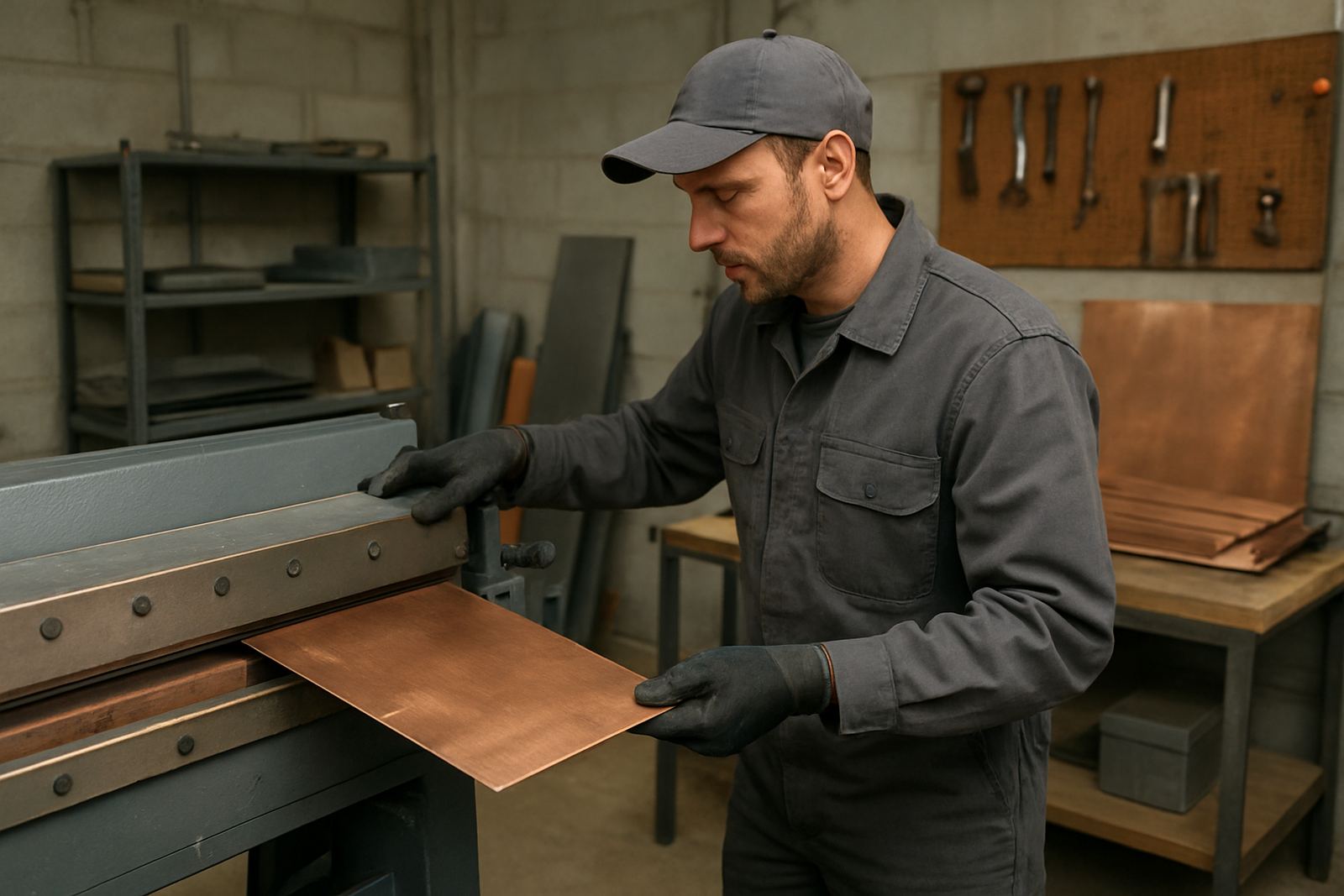
The process starts with a site visit in Mossel Bay, Great Brak River, Wilderness, Sedgefield or nearby. We measure the exact run, check the angle and confirm the cover needed on both sides. For penetrations and wall junctions we look at the height, fall direction and any obstruction that may affect fitting. Then the pieces are marked, folded and prepared in the workshop.
- Measure on site and identify water entry points
- Confirm the metal type, thickness and finish required
- Fold and cut the flashing to the correct angle and length
- Prepare fixings and seal points for installation
- Fit and test for overlap, fall and clearance
We keep the profile practical. Too much fancy shaping can trap dirt and make future maintenance harder. A clean fold, good lap and the correct drip edge usually gives the best result for local weather conditions.
Sizes, Materials And Practical Specs
Most flashings are made in sheet metal sizes suited to the job, with folds set to allow proper cover and fixing. The exact material depends on exposure, roof type and the budget for the project. Coastal areas need careful material selection because corrosion starts quicker where salt and moisture stay on the surface.
- Typical sheet thickness: 0.5 mm to 0.8 mm, depending on application
- Standard cover widths: made to suit 50 mm to 300 mm plus returns
- Common lengths: cut to site requirements, longer runs joined with overlap
- Folds: single, double or boxed profiles depending on the detail
- Finish: plain or coated sheets where suitable for the job
- Fixings: corrosion-resistant fasteners selected for the environment
For parapets and wall tops we often suggest a wider cover and proper drip edges so water does not creep back under the flashing. Around pipes and penetrations, the piece must allow for movement from heat and wind without tearing at the fixing points.
Turnaround And Pricing Approach
Small flashing repairs can often be turned around quickly once the site measure is done and the material is on hand. Larger sets for a new roof, carport or steel structure may take a few more days if there are multiple profiles to make. We work to keep lead times realistic, especially when weather can stop roof access at short notice.
Pricing is based on the measured length, fold complexity, material choice, access and whether installation is included. A simple straight edge flashing will cost less than a boxed parapet capping or a detail with several returns and sealed junctions. If you only need supply, we quote that separately from fitting. For bigger jobs in George or along the southern Cape coast we can price the full package so you know what the job will cost before work starts.
Keeping Flashings In Service For Longer
Even a good flashing needs checking now and then. Coastal humidity, windblown sand and UV can wear sealants and loosen fasteners over time. We suggest maintenance inspections at least once a year for exposed roofs, and sooner if there was a heavy storm, nearby roof work or a leak report after load-shedding events where pumps or extraction systems may have caused water to back up.
- Check sealant lines for cracking or lifting
- Inspect overlaps after strong winds
- Look for rust at cut edges and fastener heads
- Clear leaves and dirt from box gutters and roof junctions
- Repair small defects before water gets into insulation or ceiling boards
If you are noticing damp marks, drips at wall junctions or staining around vents, do not wait until the next storm. A small fault can become a bigger roof repair if water gets behind the sheets or into the timber line.
Key facts
| Service area | Mossel Bay, Hartenbos, Great Brak River, George, Wilderness and Sedgefield |
|---|---|
| Base | Gouriqua Park, Mossel Bay |
| Typical use | Roof edges, parapets, wall junctions, penetrations and roof finishes |
| Material range | 0.5 mm to 0.8 mm sheet, selected to suit exposure and application |
| Turnaround | Small orders often within a few working days after site measure |
| Contact | works@jesheetmetal.co.za |