What We Check On Site
Our maintenance inspections are practical condition checks for homes, light industrial buildings and commercial roofs. We focus on the points that usually cause trouble in the southern Cape, especially where sea air, wind, rain and heat work on the same roof year after year. A proper inspection can save you from surprise leaks during the first winter storm or damage after a windy spell.
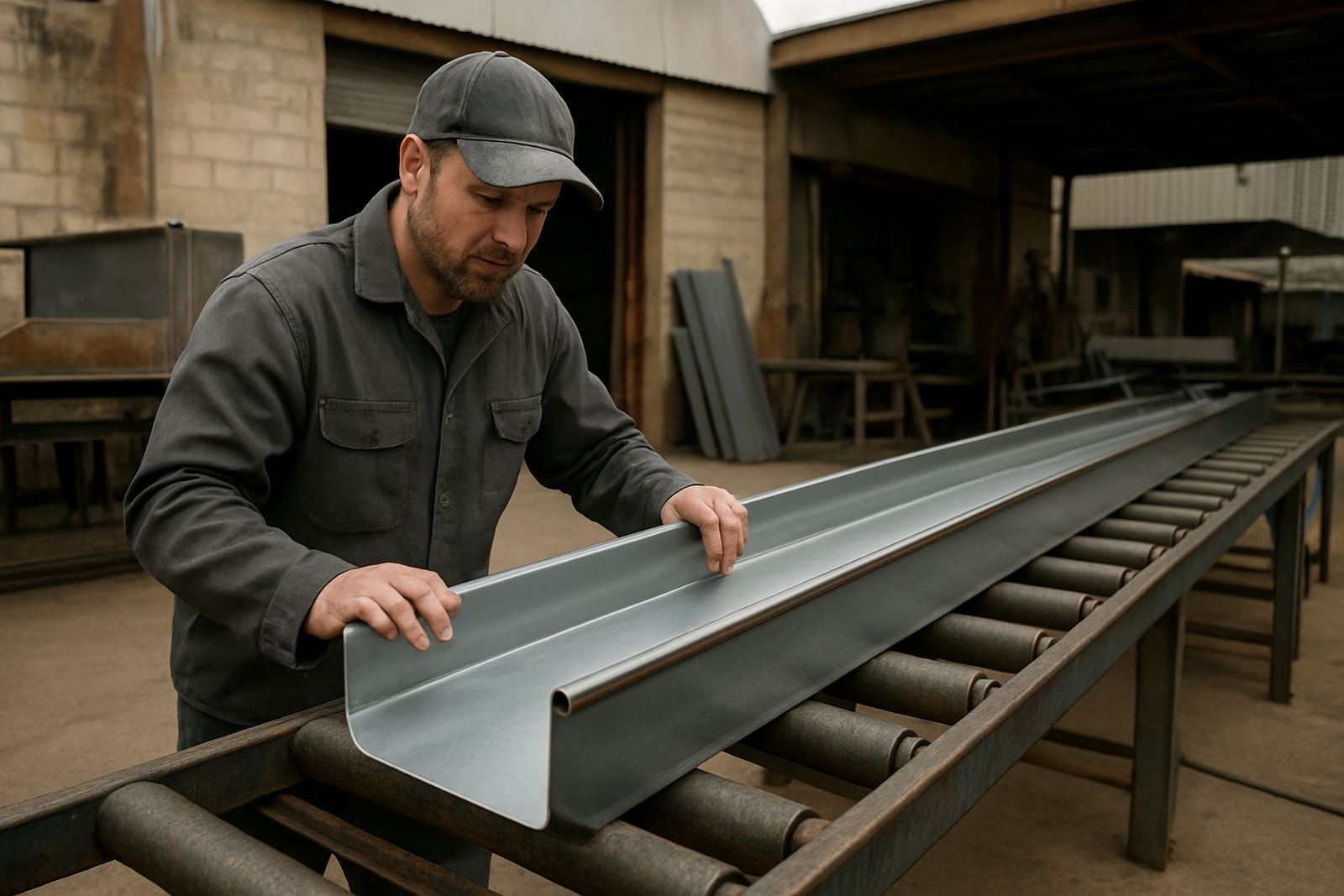
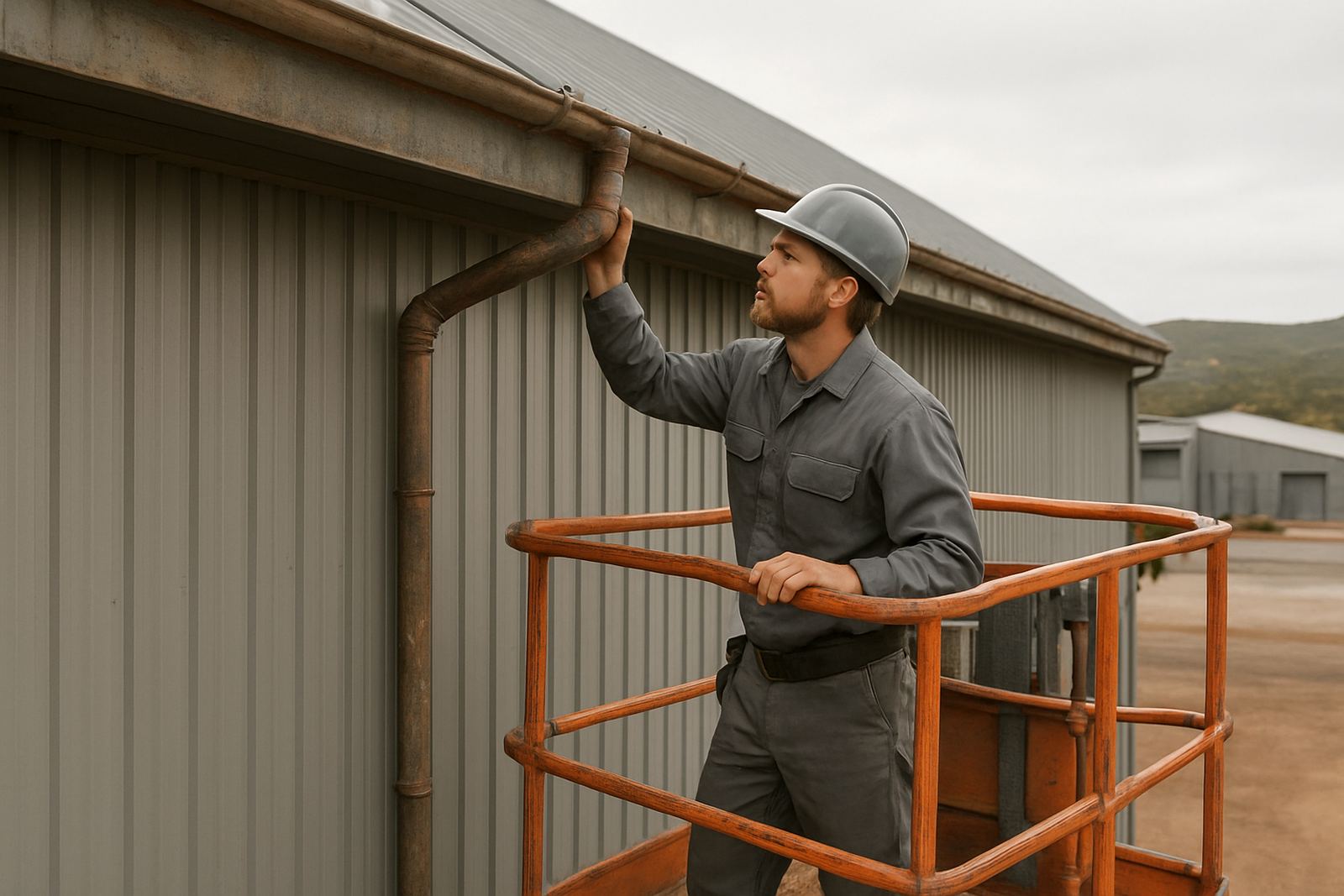
We look over roofing sheets, ridge and barge flashings, gutters, downpipes, roof screws, sealant joints, penetrations, wall cladding and exposed steel details. Where needed, we also check carports and small steel structures for corrosion, movement and poor drainage. If we find a problem, we explain what is urgent, what can wait and what should be included in a planned repair. That way you can budget properly and not just react when water starts coming through.
Inspection Items That Matter In Mossel Bay
Coastal properties in Mossel Bay, Hartenbos and Great Brak River often show the same wear patterns. Salt in the air affects fasteners and cut edges, while wind-driven rain can push water into laps and loose flashings. Our inspections pay attention to these details because that is where maintenance gets overlooked.
- Loose or missing roof screws and washers
- Corrosion on sheet edges, flashings and valley lines
- Blocked or undersized gutters, downpipes and outlets
- Sealant failure around skylights, vents and wall junctions
- Sagging roof sections, ponding and poor falls on flat areas
- Cladding dents, open joins and movement at fixings
- Rust at carport frames, brackets and base plates
We also check whether the roof drainage matches the building size and runoff. A gutter that worked fine on day one can struggle after tree growth, extra roof sheets or just years of grime. Sometimes the fix is simple, like cleaning, replacing a damaged section or improving the fall to the outlet.
How The Inspection Is Carried Out
We start with site measuring and a visual review, then move through the roof and perimeter in a set order so nothing gets missed. If access is safe, we inspect from the roof surface and from ground level. Where heights, fragile sheets or weather make roof access unsafe, we advise on the safest method and may recommend a follow-up with proper access equipment.
- Booking and site details confirmed before arrival
- External walk-through and roof drainage review
- Detailed check of flashings, gutters and fixings
- Photographs and notes of defects found
- Clear list of recommended repairs, replacements or follow-up checks
We keep the process straightforward. You will not get a vague comment like “needs attention”. You get a practical summary of what is happening, where it is happening and what should be done next. If the issue is minor we can often quote quickly for a repair crew to attend soon after the inspection.
Turnaround, Reporting And Follow-Up
For most properties, the inspection itself is completed in a short site visit, depending on roof size and access. Small homes and carports can often be assessed faster, while larger industrial roofs, multiple buildings or complex cladding layouts take more time. Reports are then compiled with the findings and any repair priorities. If the weather is poor, or the roof is wet, we may delay certain checks until conditions are safe because a rushed inspection is no help to anyone.
We aim to turn findings around quickly so you can make decisions before the next rainfall. If a repair is urgent, such as a leaking gutter joint or a lifted flashing, we flag that first. If the work can wait, we say so plainly. That helps with planning and keeps costs under control. In a few cases we may recommend follow-up maintenance after cleaning or after a storm event to confirm the area is still sound.
Pricing Approach For Inspections
We price maintenance inspections according to the size of the building, the number of roof areas, access conditions and whether the site is residential, commercial or light industrial. A single carport or small house inspection is usually simpler than a large workshop with multiple gutters, parapets and cladding runs. If a site is in a tighter access area or needs extra time because of roof layout, that is also taken into account.
Our focus is on giving you value before a failure develops. An inspection is usually far cheaper than replacing soaked insulation, damaged ceilings or corroded sheet metal after months of ignored leakage. Where possible we can combine the inspection with a quote for gutter replacement, roof leak repairs or maintenance work, so you do not have to call in separate contractors for each small issue.
Maintenance Intervals That Make Sense
For coastal areas like Mossel Bay, Hartenbos and the Great Brak River corridor, we usually recommend an inspection at least once a year. Buildings exposed to strong wind, heavy trees, industrial dust or regular salt spray may need checks every six months. After major storms, hail, or a long wet spell it is wise to inspect sooner, especially if there were already signs of movement or staining.
Some owners prefer to build inspections into their planned upkeep schedule, for example before winter and again before the summer holiday period. That is sensible for guest lodges, rental units and businesses that cannot afford nuisance leaks during busy periods. Regular checks also help spread out repair costs, rather than facing one large emergency bill when several small defects become one big problem.
Key facts
| Service type | Maintenance inspections for roofing, drainage and sheet-metal details |
|---|---|
| Area covered | Mossel Bay, Hartenbos, Great Brak River, George, Wilderness and Sedgefield |
| Typical focus | Leaks, corrosion, loose fixings, blocked gutters, failed sealants and movement |
| Inspection format | Site measuring, visual assessment, photos and written findings |
| Recommended intervals | Once a year minimum, or every 6 months for coastal and high-wear sites |
| Follow-up work | Repairs, gutter cleaning, gutter replacement, flashings, cladding and roof leak fixes |