Workshop-made gutters for local roof conditions
Gutter fabrication starts with the building, not the gutter. We take site measurements, check the roof edge, fascia line and downpipe positions, then fabricate gutter sections to suit the actual run. That matters in Mossel Bay where coastal air, wind and summer storms can shorten the life of light-gauge parts if they are not formed and fixed properly.
We work with box gutters and fascia gutters for homes, offices, warehouses, carports and steel structures. On long roof spans, we can divide runs into practical lengths for handling and fitting, with joins placed where they can be sealed and maintained. If the building needs a deeper profile for higher water flow, we can spec that from the start.
- Box gutter fabrication for concealed or internal drainage lines
- Fascia gutter fabrication for standard roof edges
- Downpipe outlet positions set to match your drainage route
- Matching stop ends, brackets and joiners made to suit the job
What is included in the fabrication service
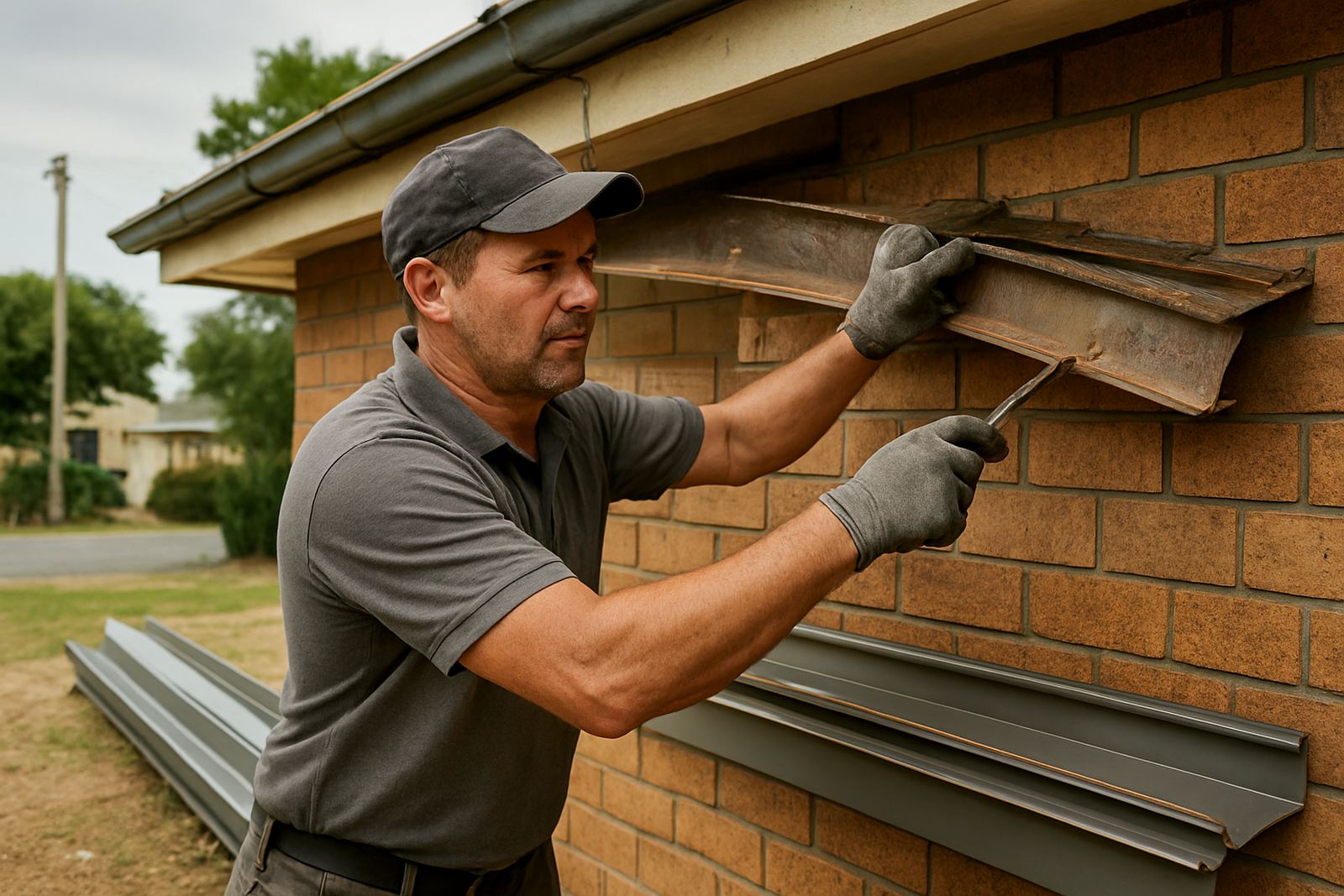
Our gutter service covers more than just bending sheet metal. We prepare the gutter system as a complete working part of the roof edge, so the result is easier to install and less likely to cause leaks later on. Where needed, we also replace tired sections instead of changing the whole run, which helps on occupied properties and rental units.
- Site measuring and checking of roof falls
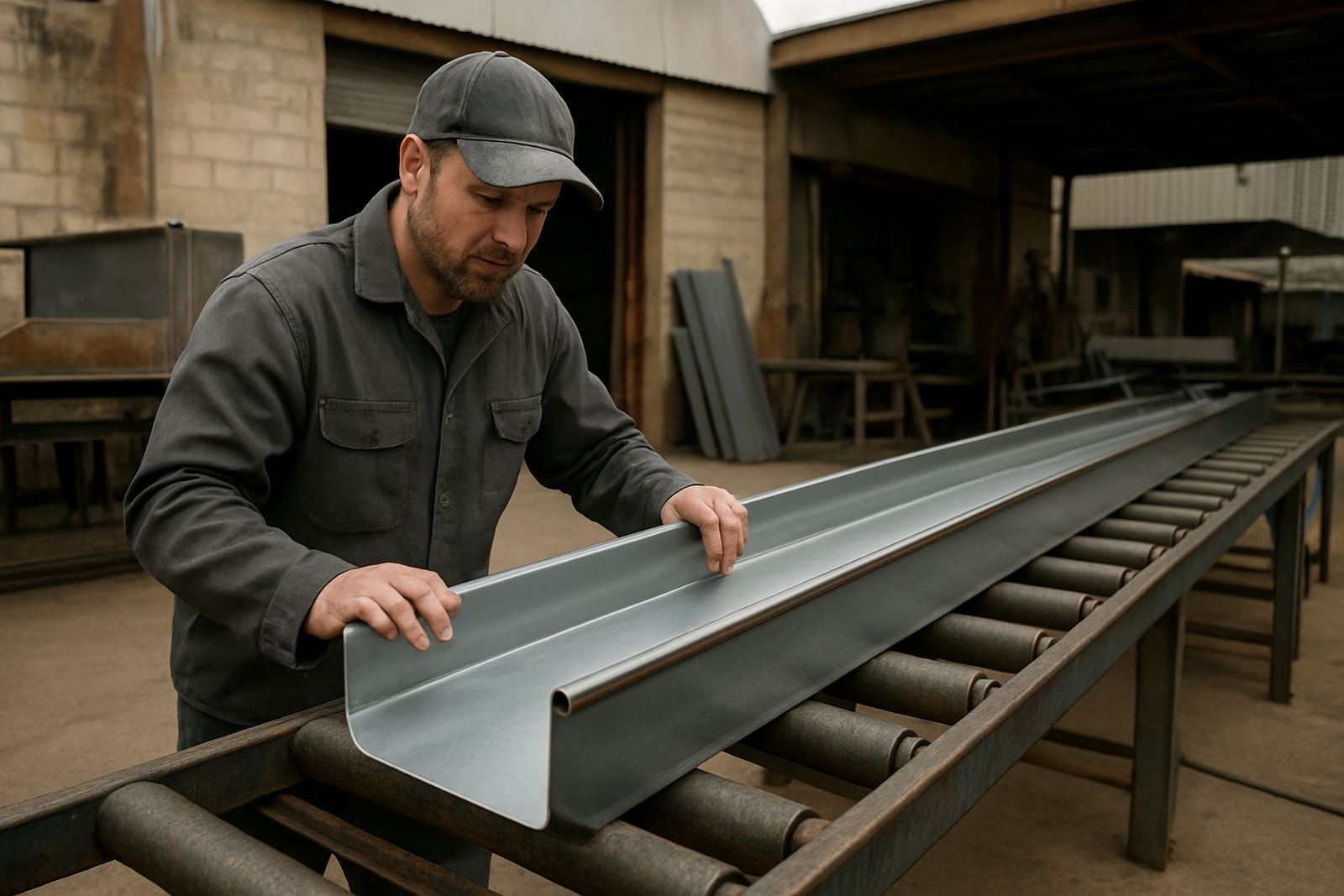
- Fabrication of gutter lengths, corners, outlets and stop ends
- Brackets and fixings selected for the roof structure
- Existing gutter removal and disposal where replacement is needed
- Leak repairs at joints, outlets and damaged sections
- Optional maintenance inspection for aging systems
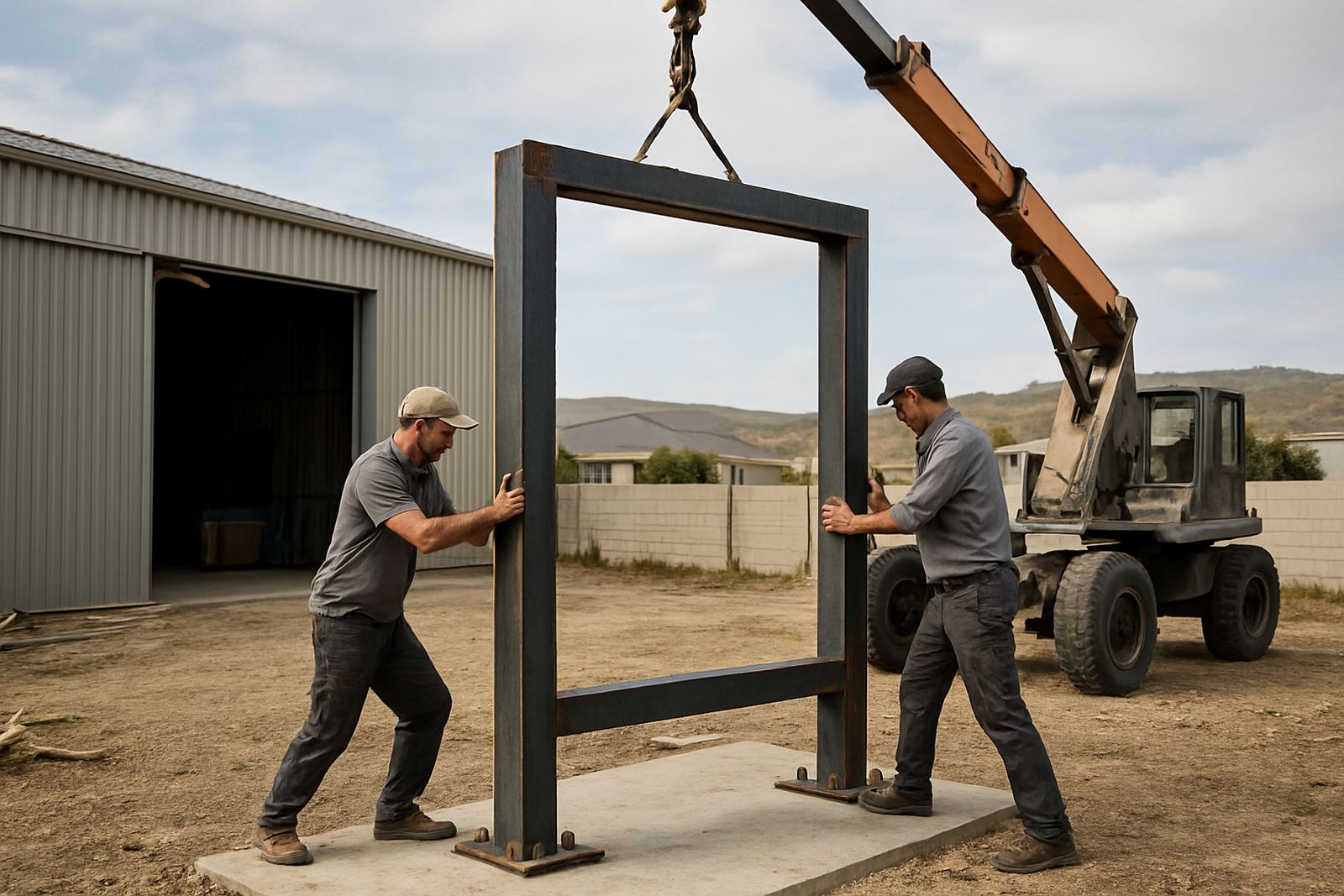
We also look at the practical details. For example, if a building has limited access or the gutter line sits above paving, we plan the lift and fixing method before fabrication begins. That saves time on site and reduces damage to finishes.
Material, profile and sizing choices
Different buildings need different gutter profiles. A small home in Hartenbos does not need the same specification as a long industrial roof in George. We select the profile and sheet thickness according to the span, expected runoff and the fixing arrangement. In coastal areas, good drainage and correct sealing are just as important as the metal itself.
Typical fabrication choices include 0.5 mm to 0.8 mm sheet thickness, depending on the application and support spacing. Standard lengths are cut to suit handling on site, and corners are made to the exact angle rather than forced into place. Where there is heavy rainwater load, we can increase gutter depth and outlet size so the system clears water faster.
- Box gutters for concealed edge lines and steel structures
- Fascia gutters for visible roof edges and domestic buildings
- Deeper profiles available for larger roof catchment areas
- Outlets sized to suit the number of downpipes and runoff volume
From measurement to installation
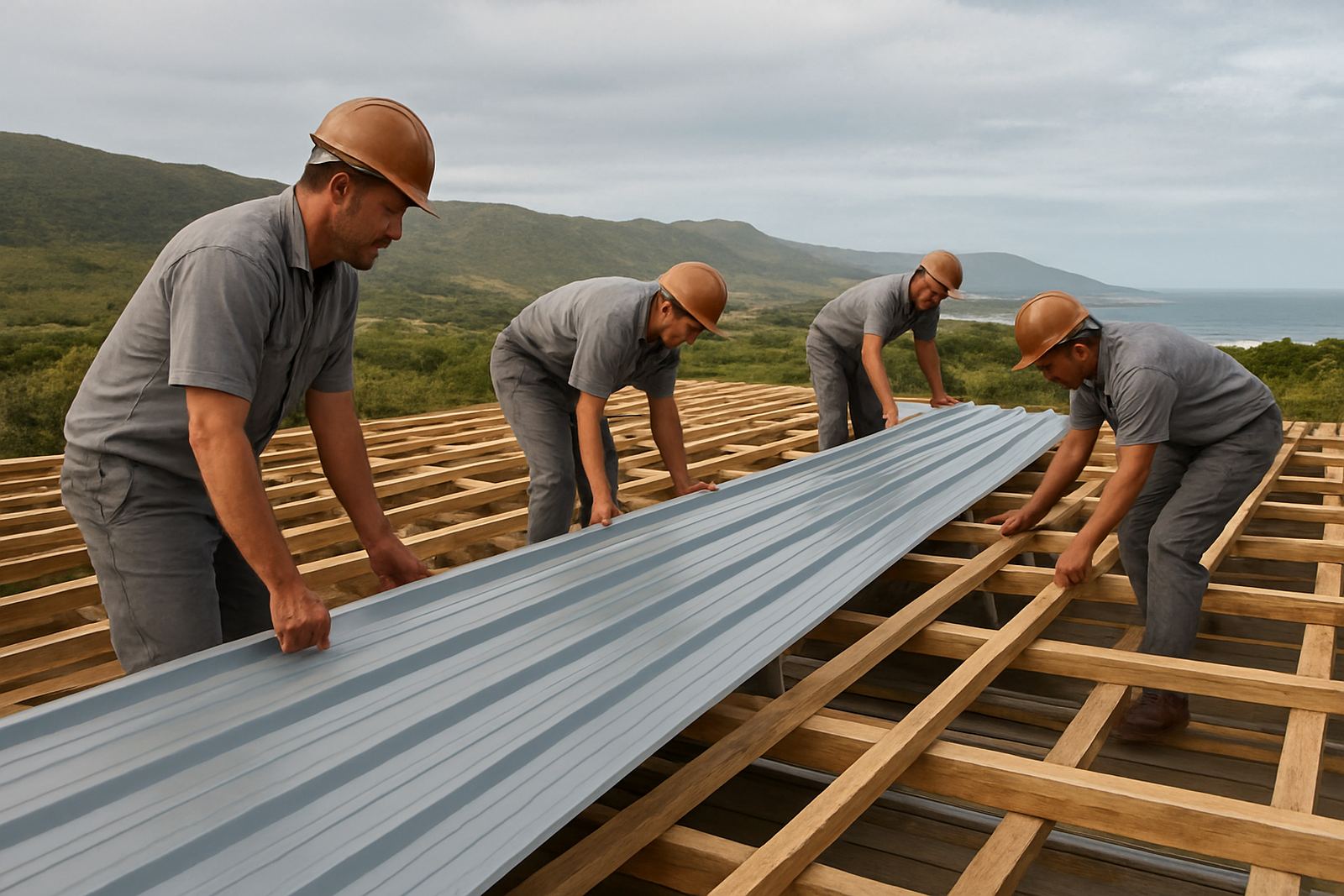
Our process is simple and practical. First, we measure the building and note the roof pitch, wall line and existing drainage points. Then we fabricate the sections in workshop conditions where the bends, seams and outlet cuts can be checked before delivery. Once on site, our team fits the gutter line, sets the fall and tests the water flow where possible.
If a property already has damage from overflow or old sealant failure, we can usually identify the problem during the first visit. In some cases, the issue is not the gutter itself but a poor fall, blocked outlet or a section that was fixed too flat. Sorting that out early helps avoid repeat call-outs.
- Measure and assess the site
- Fabricate the gutter sections and fittings
- Deliver and install on the agreed day
- Seal, test and finish the drainage line
- Provide aftercare advice for cleaning and inspection
Turnaround times and pricing approach
Turnaround depends on the length of the run, the number of corners and whether the job is a new installation or a replacement. Small domestic gutter jobs can often be scheduled faster than complex steel-building work, while larger commercial runs need more fabrication time and access planning. We will give you a clear timeline after the site check, so you know what to expect before work starts.
Pricing is based on the actual scope of work: measured lengths, profile type, thickness, outlet count, brackets, installation access and whether old gutters must be removed. We do not price by guesswork. For clients comparing options, this means the quote reflects the real job rather than a rough allowance that changes later.
Where practical, we can quote for fabrication only, supply and fit, or full replacement with repairs. That gives property owners and contractors room to choose the option that fits the building and the budget.
Maintenance intervals for longer gutter life
Gutters fail early when leaves, sand, roof debris and standing water are left too long. In Mossel Bay and the surrounding areas, we recommend routine checks at least twice a year, with extra attention after heavy rain or windy spells. Coastal humidity can speed up corrosion at cut edges, joins and fastener points, so small issues should be caught early.
For homes near trees or properties with flat roof sections, a quarterly inspection is often better. On industrial or commercial roofs, the interval depends on runoff, dust and roof traffic. If you already have repeat leaks, overflow marks or staining on the walls, it is worth having the line checked before the next storm season.
- Clean out debris and standing sludge
- Check brackets, joints and seal points
- Inspect outlets and downpipes for blockage
- Repair small splits before they spread
Key facts
| Service area | Mossel Bay, Hartenbos, Great Brak River, George, Wilderness and Sedgefield |
|---|---|
| Gutter types | Box gutters and fascia gutters |
| Typical sheet thickness | 0.5 mm to 0.8 mm depending on the application |
| Fabrication options | New supply, replacement sections, repairs and custom outlets |
| Turnaround | Scheduled after site measurement and job scope confirmation |
| Maintenance interval | At least twice a year, or quarterly for leaf-heavy and coastal sites |