Roof sheeting for coastal homes and working buildings
Roof sheet installation is not only about covering a structure, it is about getting the sheet profile, fixing method and edge details right so the roof stands up to Mossel Bay wind, driving rain and salty air. We work on homes, garden rooms, workshops, storage buildings, carports and small industrial structures from Gouriqua Park through Hartenbos, Great Brak River and into George.
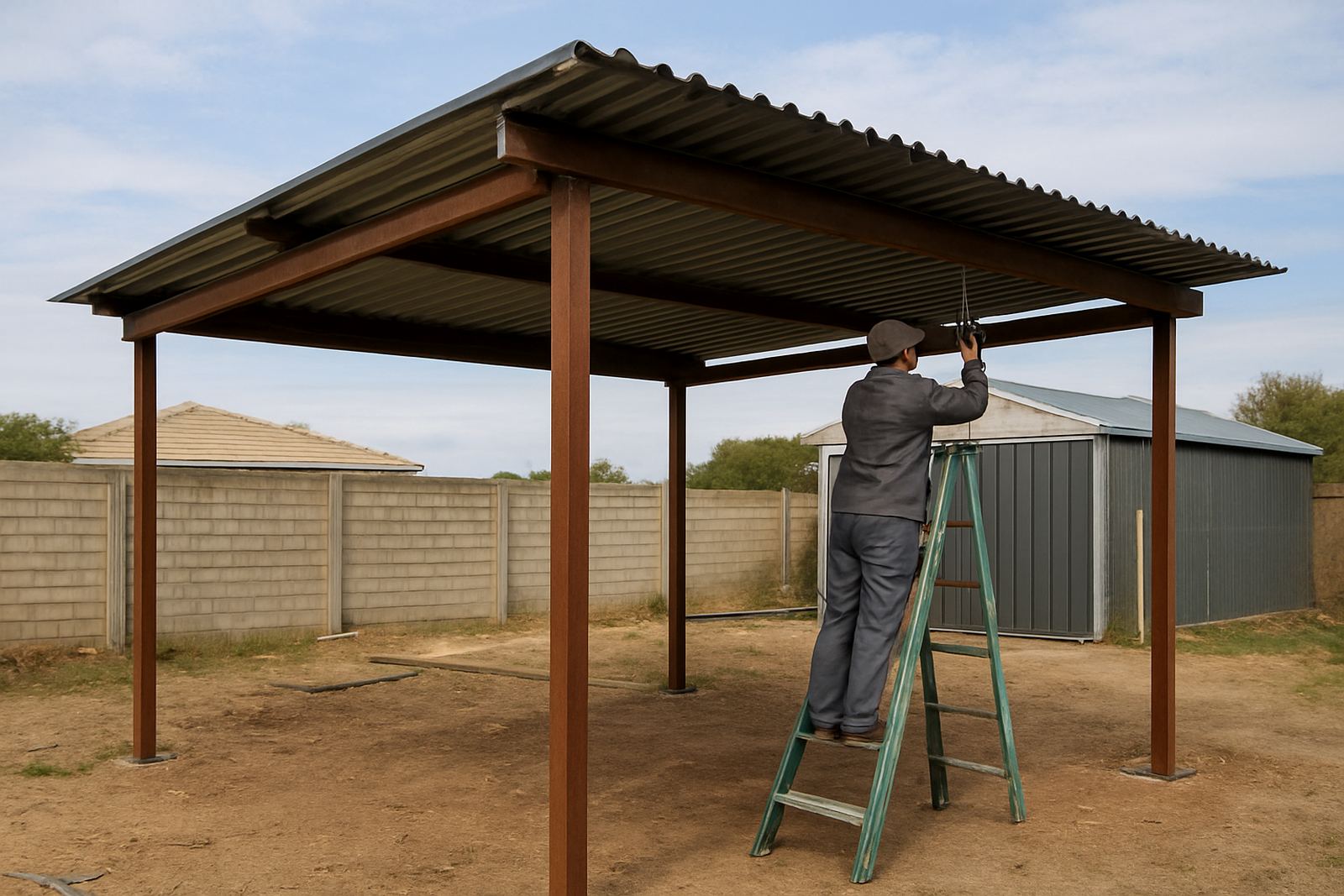
For new structures we install roof sheeting over prepared purlins or supporting steel work. For replacement jobs we remove damaged sheets where needed, check the condition of the roof frame and replace rusted fasteners, broken washers and failed flashings. If the roof is leaking at laps, ridges or penetrations, those are sorted as part of the install, not left for later.
- Trapezoidal and corrugated metal roof sheet fitting
- New roof installs and full sheet replacement
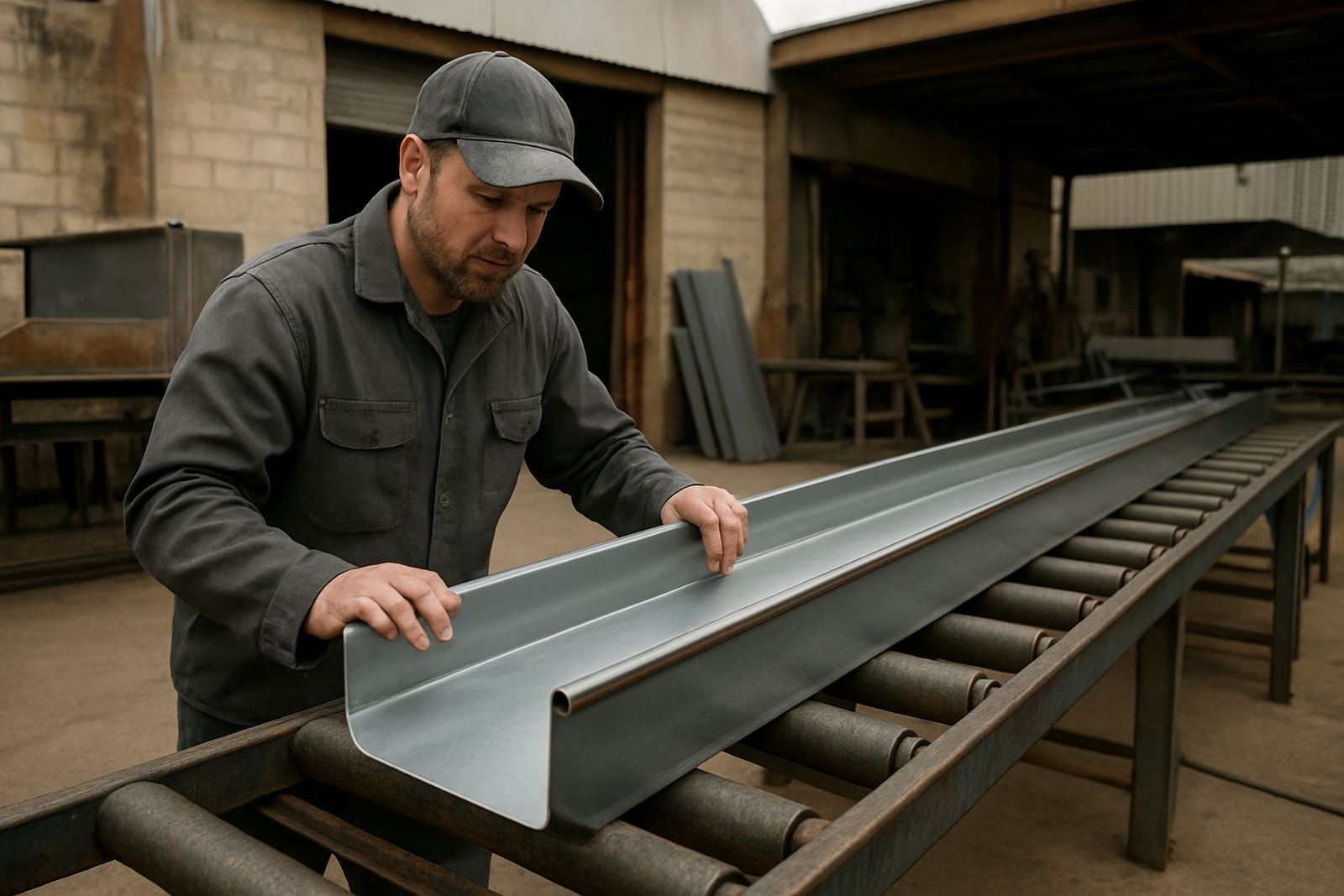
- Matching flashings for ridges, barges, valleys and sides
- Work for domestic, light commercial and agricultural buildings
What is included in the installation
Every roof is measured on site so we can work out sheet lengths, overhangs, fixing points and the amount of trimming needed. We then prepare the material schedule, confirm colour and finish where required, and plan the installation around access, weather and site safety. On many jobs we also check gutters and downpipes at the same time because a roof that is fitted well can still give problems if the water path is wrong.
Typical roof sheet installation includes supply and fitting of sheets, screws with sealing washers, edge trims, ridge caps and closures where needed. Where the roof has chimneys, skylights or vent pipes, we make the custom flashings to suit the opening and the pitch. On coastal properties it is important to use fixings and lap details that reduce early corrosion and wind lift, so we do not cut corners on the small pieces.
- Site measuring and slope check
- Sheet cutting, lifting and fixing
- Ridge and apron flashings
- Fastener replacement on older roofs
- Clean-up of offcuts and scrap from site
How we install the roof sheets
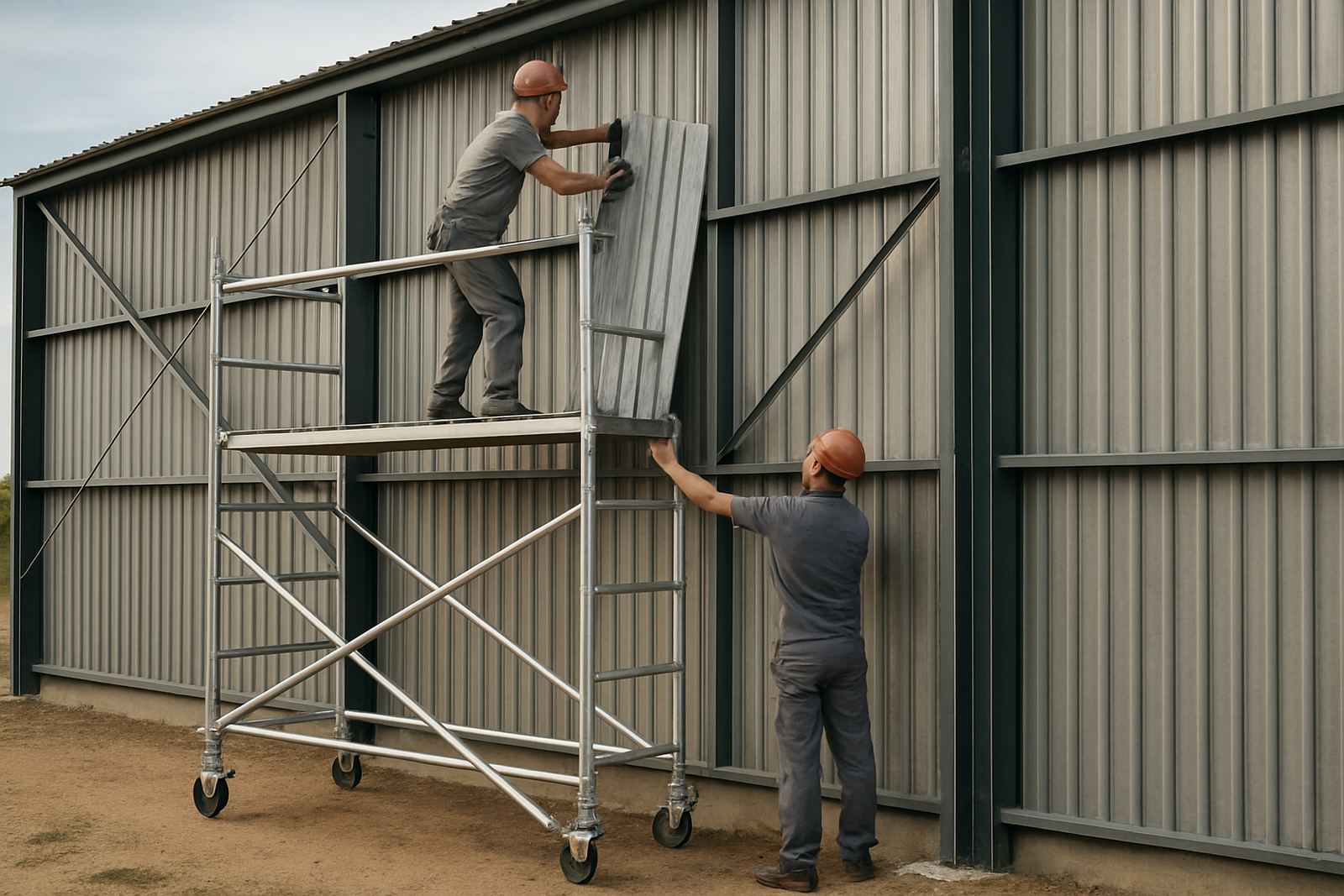
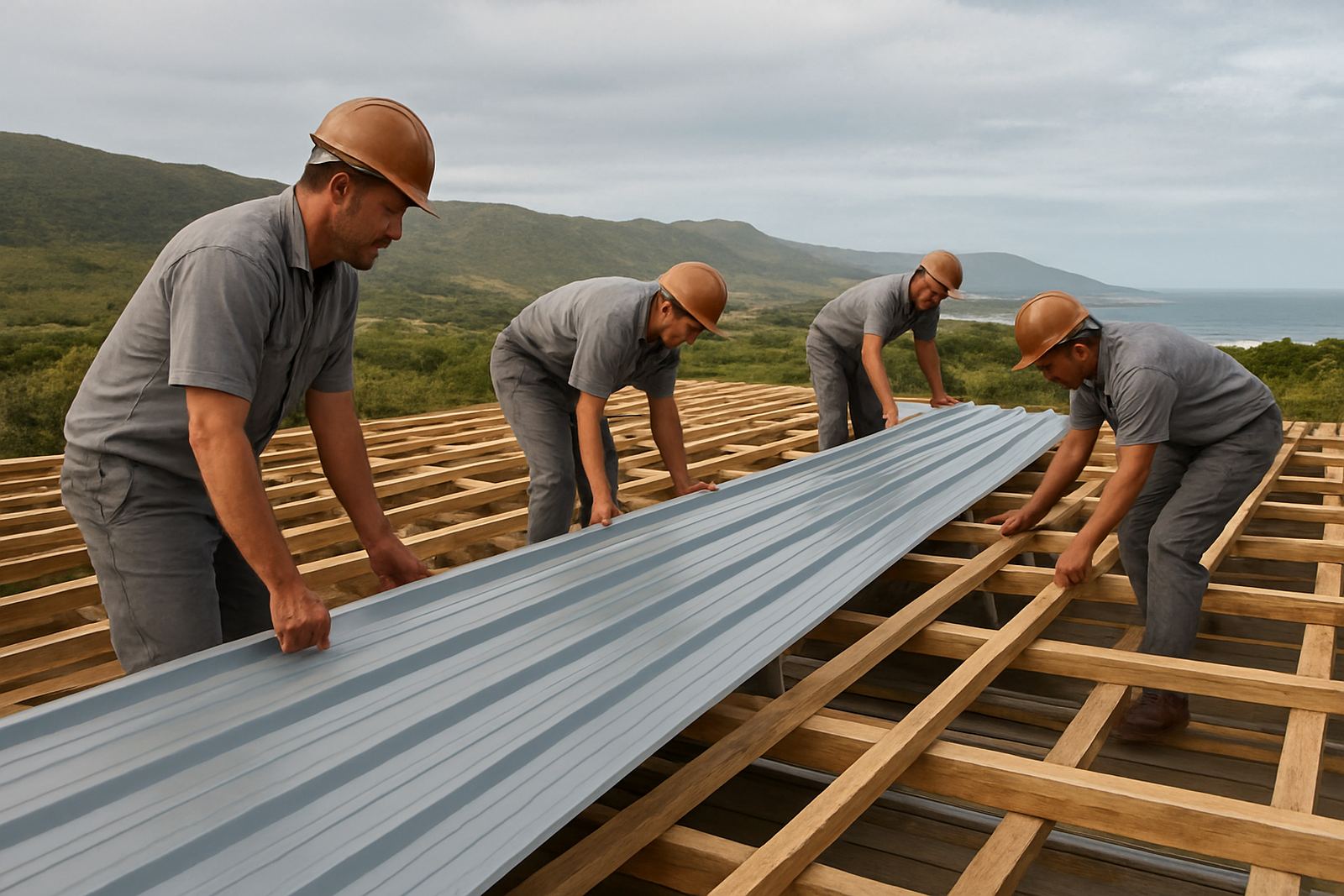
We start by checking the frame, purlins and roof line. If the structure is out of square or has weak support, that is flagged before the sheets go up. Once the roof line is sound, the crew lays out the sheets in the correct direction of fall and overlap, then fixes them from the eaves upward so rain sheds properly. Sheets are handled carefully to avoid dents and scratched coating, especially in the salty air near the bay.
Ridges, barge flashings and side laps are fitted after the main sheets are secured. On replacement work we also inspect any hidden rot or rust at the roof edges. If a section needs extra support, we can arrange steel repair or add framing as part of the job, which saves repeat call-outs later. Where access is tight, we plan lifting and stacking so the installation can move without delays.
- Check structure and levels first
- Install sheets in the correct lap direction
- Fix with the correct fastener spacing
- Seal roof openings and exposed ends
- Final water run-off check before handover
Turnaround times and weather planning
Most roof sheet installations are turned around faster than people expect once measurements are taken and the material is ready. Smaller carport and outbuilding jobs can often be completed in a day or two, while larger homes or workshop roofs may take several days depending on access, roof size and how much old material must come off first. If there is a leak after heavy rain, we can often do an inspection quickly and advise what can be fixed first.
We always plan around weather because roofing in Mossel Bay means sudden wind and rain can stop a section halfway through. That is why we stage the work so the roof is watertight at the earliest safe point. If municipal or estate access times are limited, or a site is in a shared parking area, we factor that into the schedule before the crew arrives. A little planning saves a lot of rework, and less standing around on site.
Pricing based on roof size, pitch and access
Roof sheet installation pricing depends on the roof area, sheet profile, thickness, height, pitch, lifting access and whether the job is new build or replacement. A simple low-pitch carport roof is priced differently to a steep house roof with valleys, penetrations and old material to remove. We price honestly from site measurements, so you know where the money goes and there are fewer surprises once the work starts.
We quote for the full scope where possible, including labour, fixings, flashings and waste removal. If the roof has damaged timber or steel underneath, that repair is listed separately so you can decide what needs doing now and what can wait. On coastal jobs, we often recommend better-grade fixings and extra corrosion protection because cheap fasteners do not save money for long.
- Fixed quote after site measure
- Material and labour can be separated if required
- Discounts may apply on combined roof and gutter work
- Replacement jobs priced by lift-off, repairs and refit
Maintenance checks that keep the roof sound
A metal roof does not need constant attention, but it does need inspection. We recommend a check every 12 to 18 months for most inland and coastal roofs, and sooner if the building is under trees, takes heavy wind or has had a leak before. After summer heat and winter rain, fasteners can loosen, sealant can age and gutters can fill with sand, leaves or roof grit.
During a maintenance visit we look at sheet overlap, screw condition, ridge seals, flashings and signs of rust around cut edges. We also check whether the roof is moving or chattering in strong wind, which can point to loose fixing points. Early repairs are simpler and cheaper than a full replacement, and they help keep the building dry through load-shedding, storms and those quick southern Cape downpours.
- Inspect every 12 to 18 months
- Check after major storms or hail
- Clear gutters and outlet points regularly
- Repair loose screws and lifted flashings early
Key facts
| Service area | Mossel Bay, Hartenbos, Great Brak River, George, Wilderness and Sedgefield |
|---|---|
| Typical sheet types | Metal roof sheeting for homes, sheds, workshops and carports |
| Fixings | Corrosion-resistant screws with sealing washers |
| Common add-ons | Ridge caps, barge flashings, apron flashings and closures |
| Turnaround | Smaller installs in 1 to 2 days, larger roofs by schedule and weather |
| Maintenance interval | Every 12 to 18 months, or after severe storms |