What Our Site Measuring Covers
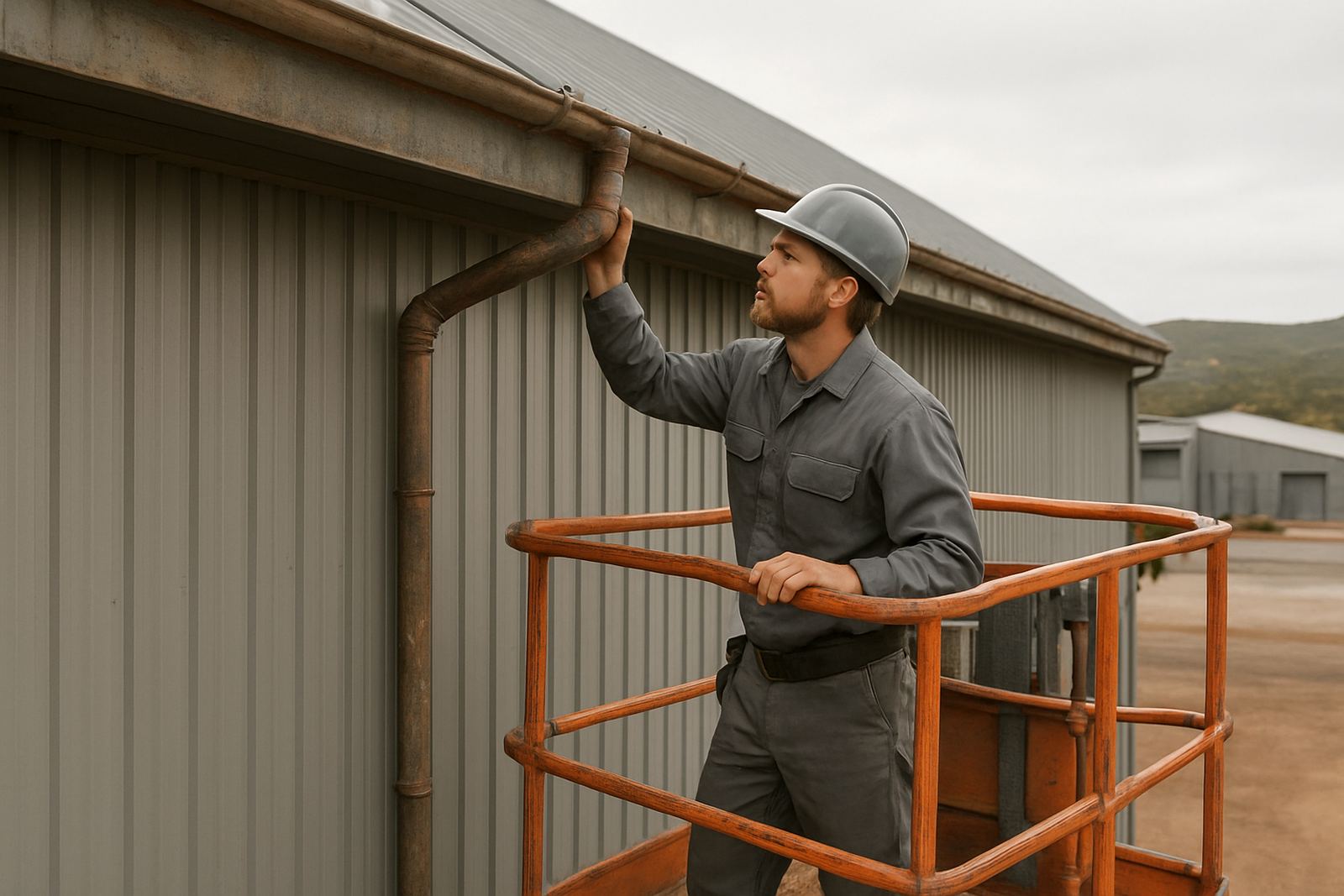
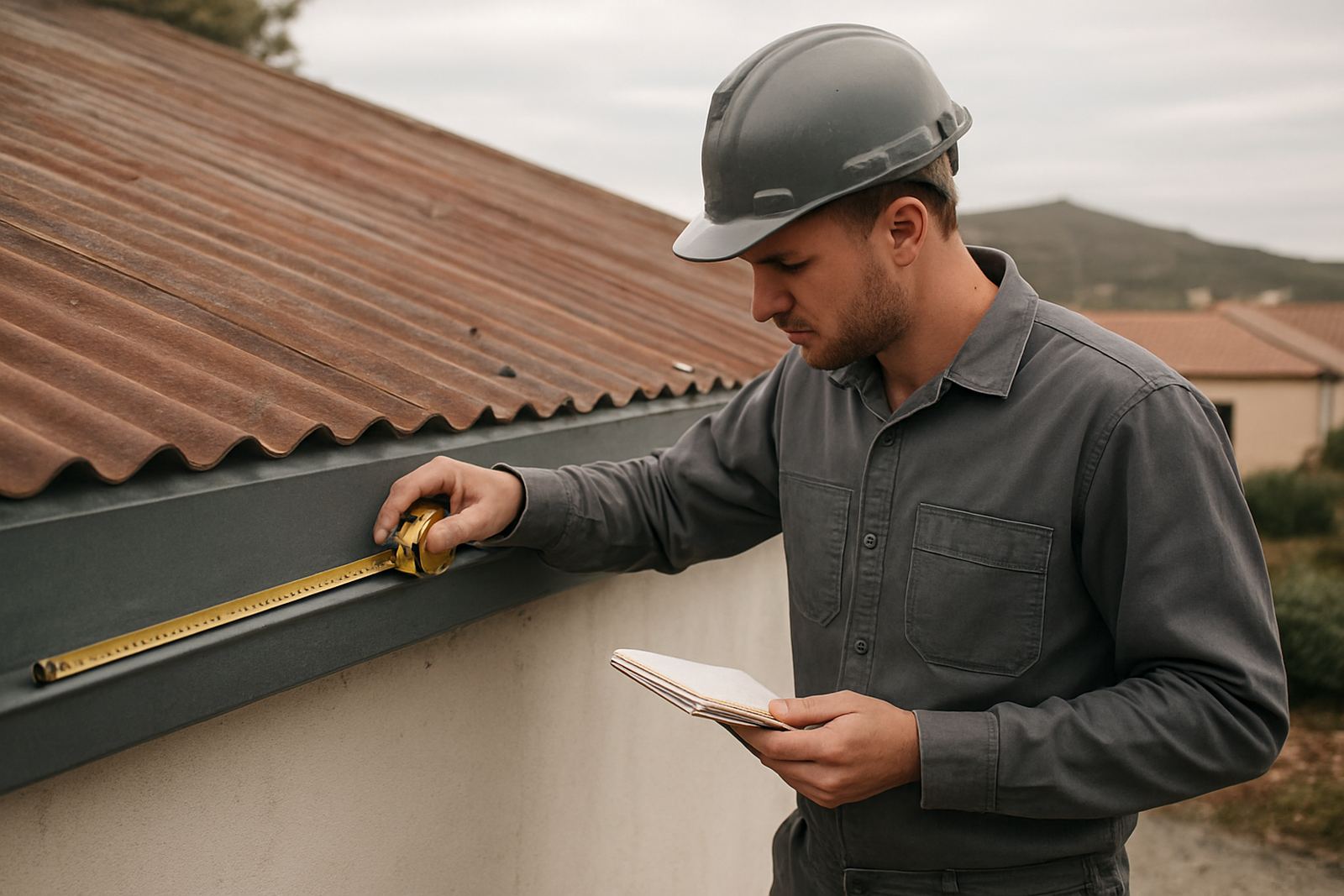
We measure the parts that need to fit a real building, not just a drawing. That includes roof flashings, barge and ridge details, gutters, downpipe positions, roof sheeting lengths, wall cladding runs and steel components that must line up with existing work. On older buildings in Mossel Bay, Hartenbos and Great Brak River, no two roofs are exactly the same, so the site visit matters.
Our measuring service suits new builds, repairs, extensions and replacements. If you need a leaking roof section repaired, a gutter changed out, or a carport tied into an existing wall line, we take the measurements needed for a clean fabrication job. We also check for slope, fall, fixing points and access around the building, because those details affect how the finished work performs in wind, rain and coastal humidity.
- Roof flashings and edge trims
- Gutters, box gutters and downpipes
- Roof sheeting and wall cladding sections
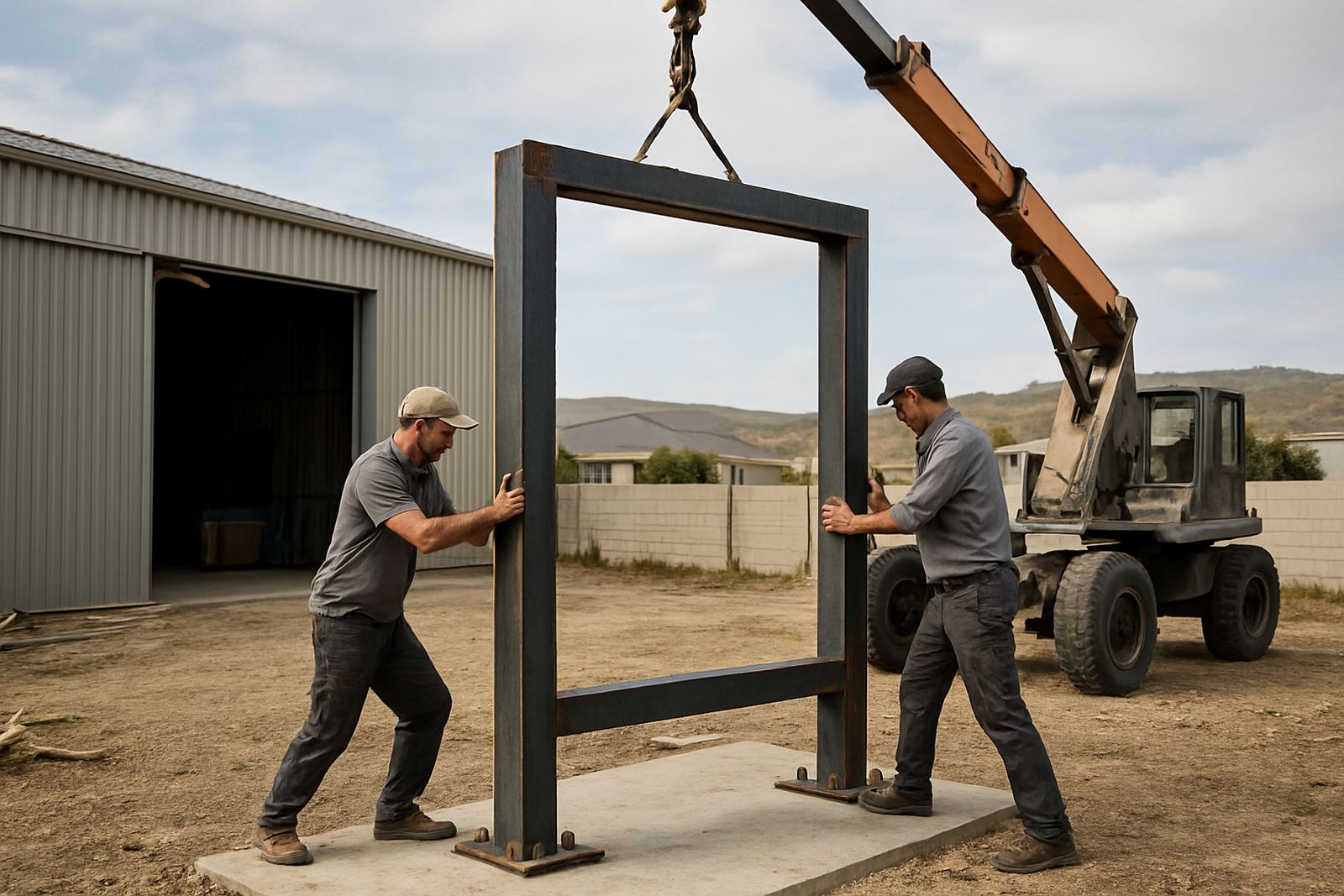
- Steel brackets, frame members and connection points
- Carport and canopy layouts
How The Measuring Visit Works
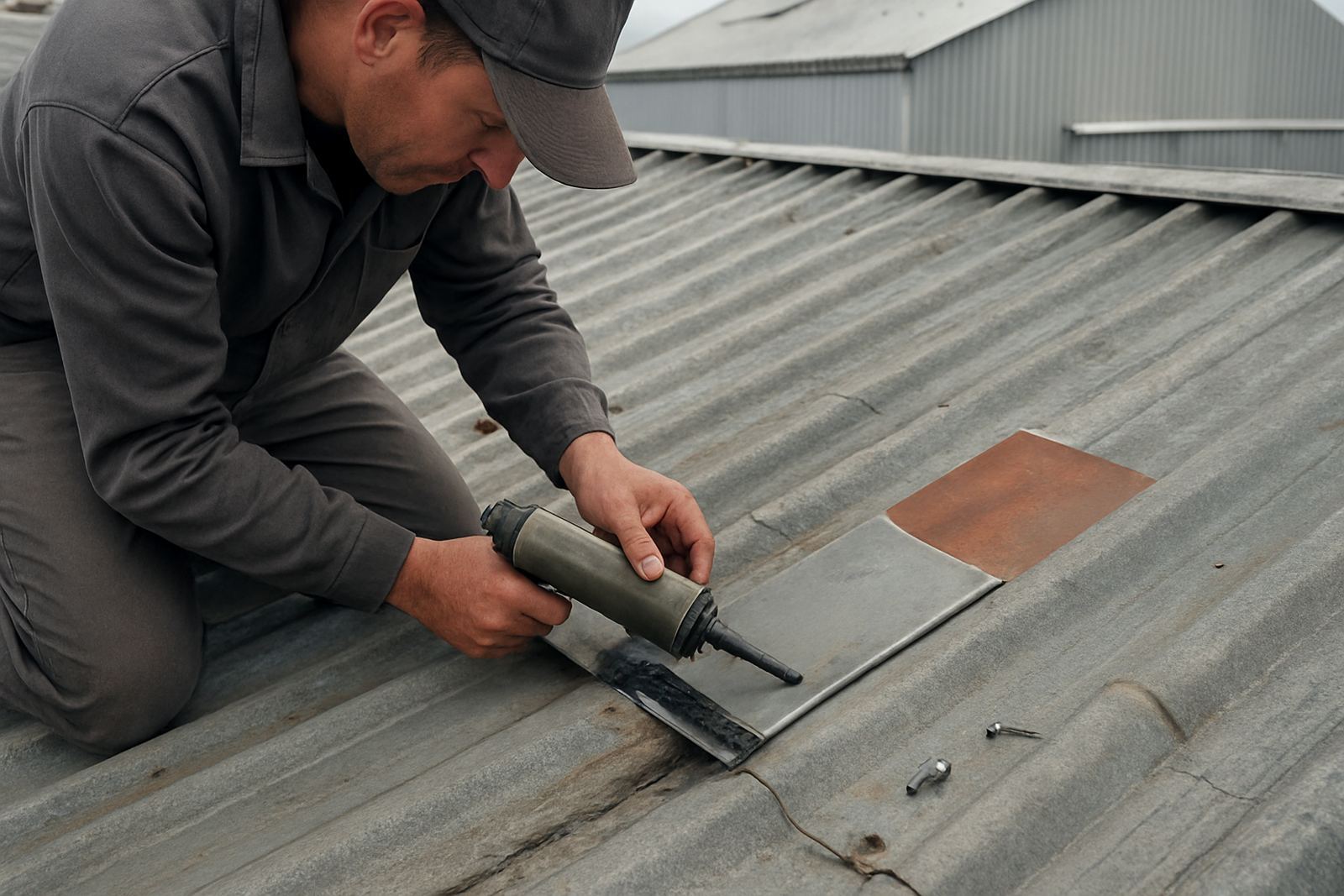
We start by confirming the site address, the work required and whether the area is safe and ready to access. On site, our team checks all relevant dimensions, levels, falls, clearances and fixing points. If the job involves replacement work, we also look at the existing material, rust, movement and any signs of water ingress. A small issue with a gutter fall or flashing overlap can cause repeated leaks, so we measure those points carefully.
For larger work in George, Wilderness or Sedgefield, we can split the visit into roof, gutter and steel sections. That keeps the numbers clear and avoids missed items. Where needed, we note roof pitch, sheet profile, bracket spacing and the overall run lengths so fabrication can be done with proper allowances. We aim to leave site with enough detail to price and manufacture without sending a second team back unless the scope changes.
- Initial scope confirmation
- On-site measuring and condition check
- Allowance for overlaps, bends and fixings
- Workshop handover for pricing and fabrication
Measure Once, Fabricate To Fit
Good sheet metal work depends on accurate numbers. A gutter measured too short can leave water running over the fascia, and a flashing that is a few millimetres out can lift in strong coastal wind. We measure with fabrication in mind, allowing for the thickness of the material, folds, joints and the way water must move away from the building. That is especially important on coastal properties where salt air can speed up corrosion if water is left sitting in the wrong place.
Typical materials we work with include galvanised sheet, chromadek type pre-coated sheet where specified, and steel sections used for frames and supports. For roof and wall cladding, we note sheet lengths to suit the structure and reduce waste. For steel components, we check set-out against the building line so columns, rafters and braces arrive ready for erection. Our measurements help avoid site cutting, which saves time and usually gives a neater finish.
Turnaround, Pricing And Quotations
Turnaround depends on the size of the job and how much detail the site gives us. A small measuring call-out for gutters or flashings can often be arranged quickly. Larger measuring work for steel buildings, carports or full roof-cladding projects may need more time on site and a longer pricing step afterwards. We keep the process practical and tell you if any extra site visit is needed before we finalise numbers.
Pricing for the measuring service is usually based on travel, access, time on site and the complexity of the work. Simple, straight runs are quicker than stepped roofs, parapets or buildings with awkward tie-ins. If the measuring visit forms part of a full supply-and-fit job, we can include it in the project costing. For stand-alone measuring, we quote clearly so you know what is covered. No surprises, just proper numbers and a clear next step.
- Small repair measuring: usually arranged fast
- Medium jobs: allow time for full set-out and notes
- Large buildings: measured and priced in sections if needed
- Final quotation follows once all dimensions are checked
Maintenance Checks After Installation
Measuring is not only for new work. It is also useful during maintenance inspections, especially on gutters and roof flashings that have moved after years of wind, heat and coastal weather. In Mossel Bay and the surrounding southern Cape, we recommend checking key water-control items at regular intervals so small faults do not become bigger repairs. If a gutter has started to hold water or a flashing has opened at a joint, we can measure the affected area and arrange the replacement parts.
For commercial sheds, small factories and agricultural buildings, annual inspections are a good starting point. For homes close to the sea, or buildings with high leaf build-up, six-monthly checks can make sense. We look at fixings, overlaps, falls and any signs of rust or lifting. If a section needs replacing, the earlier the measurement is done the easier it is to keep the repair small. That saves time and helps the building stay dry through the rainy season.
What To Prepare Before We Arrive
A clear site makes the visit quicker and more accurate. If you can give us access to the roof area, the inside line of the building and any problem spots, we can work through the measurements with less delay. It helps to point out the leak, the loose section or the place where the new steel work must connect. If there are people or vehicles in the way, moving them before the visit also helps us finish sooner.
You do not need to clean the whole site, but you should make the relevant areas safe to reach. For higher roofs or busy industrial sites, we may need a ladder point, roof access or a person on site to open gates and confirm the correct areas. Once measured, we can move the job into fabrication and then schedule installation with the right material lengths and fittings already prepared.
- Keep roof edges and gutters accessible
- Mark the problem area if there is a leak
- Clear vehicles from carport and loading zones
- Tell us about old repairs or hidden obstructions
Key facts
| Service area | Mossel Bay, Hartenbos, Great Brak River, George, Wilderness and Sedgefield |
|---|---|
| Measured items | Flashings, gutters, roof sheeting, wall cladding and steel components |
| Typical material allowances | Overlaps, bends, joints, fixings and fall requirements |
| Common turnaround | Quick for small jobs, longer for large roof and steel layouts |
| Pricing method | Based on travel, access, site time and job complexity |
| Maintenance interval | 6 to 12 months depending on coastal exposure and leaf build-up |