What a box gutter does on a commercial roof
A box gutter is a square or rectangular rainwater channel built into, or fixed along, the edge of a roof structure. It collects run-off from large roof areas and carries it to downpipes, stormwater lines or rainwater tanks. On commercial sheds, workshops, canopies and link roofs it is often the neatest option because it can take higher water volumes than a small domestic profile. In Mossel Bay, where sea air, wind and sudden rain can all show up on the same day, a correctly sized box gutter helps keep water off walls, paving and entrances.
These gutters are usually fabricated in sheet metal to suit the roof pitch, fascia detail and outlet positions. They can be hidden behind a parapet or left visible on steel framing. We also set them up to suit the way water moves across the roof, so there is enough fall for drainage and not too much slope that the finish looks uneven. If the gutter is too shallow or outlets are too few, water can back up and overflow at the first heavy downpour.
Sizes, materials and outlet options
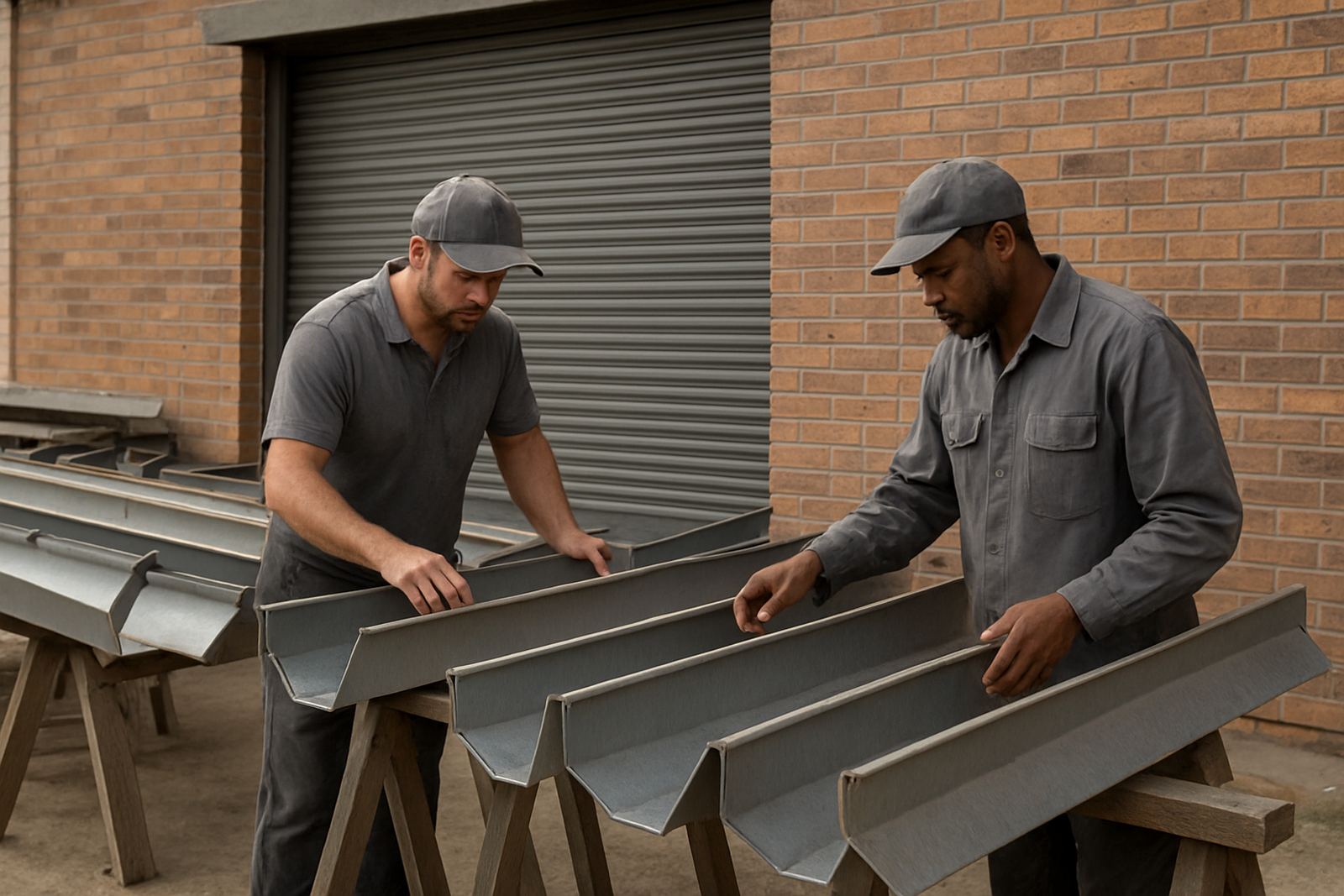
Box gutters are made to order because every roof line is different. The right size depends on roof area, pitch, rainfall exposure and the number of outlets. For smaller canopy runs a gutter may be around 150 mm to 200 mm wide, while larger commercial roofs often call for 250 mm to 400 mm widths or more. Depth is usually matched to the expected flow, with enough freeboard to handle ponding during a storm. We measure the site so the section suits the building instead of forcing a stock size to do the job.
Material choice matters in coastal towns. Salt air from the bay can be hard on exposed metal, so material thickness and coating need to be selected carefully. We fabricate in sheet metal suitable for South African site conditions and can match the finish to the rest of the roof or cladding. Where the gutter meets an outlet, we add proper stop ends, sump details and downpipe positions. That reduces standing water and helps the system drain cleanly.
- Custom widths and depths for each roof line
- Single runs or divided runs with expansion joints
- Square or rectangular outlet positions
- Stop ends, sump sections and overflow points
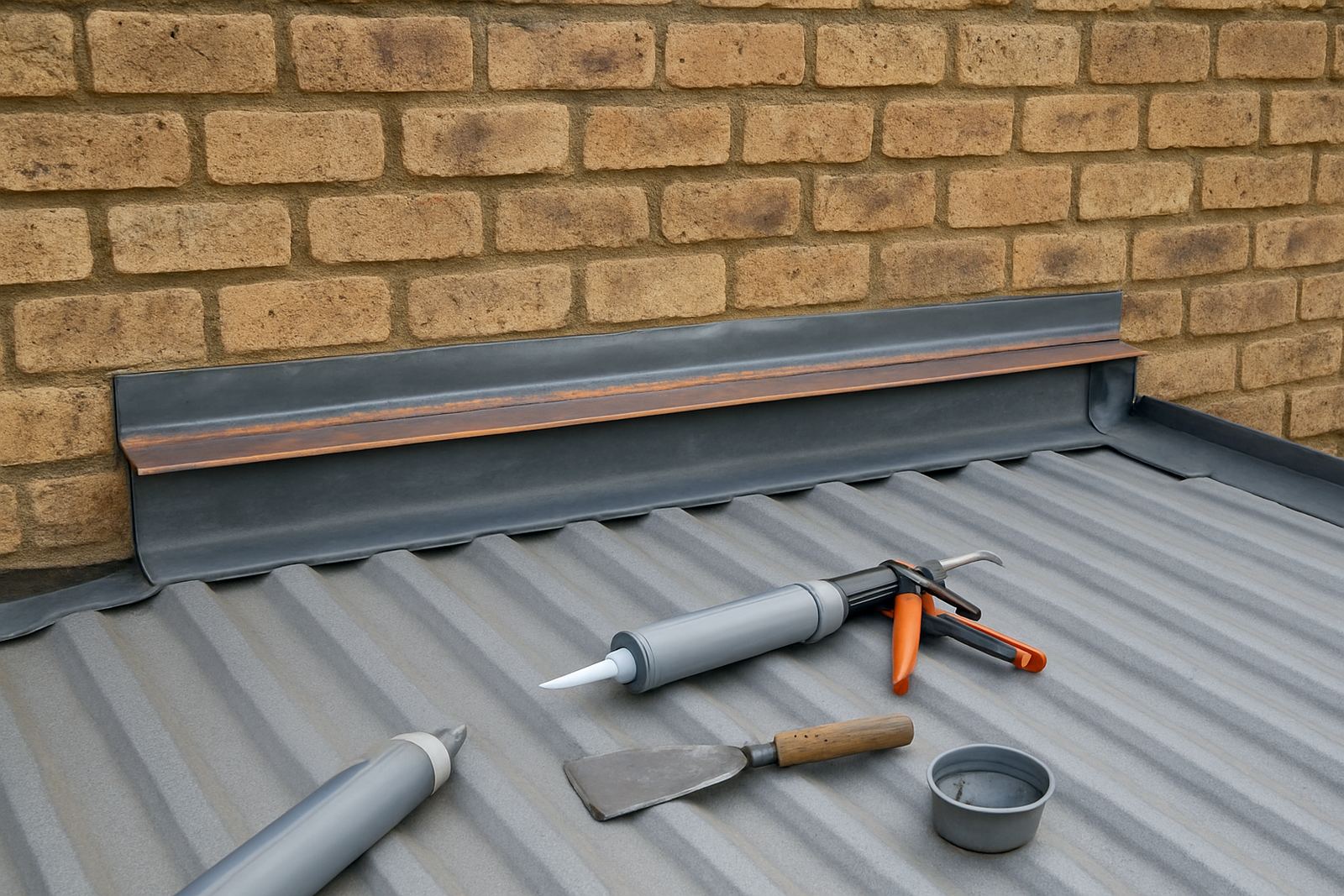
- Matching flashings and apron details where needed
Where box gutters work best
Box gutters are suited to commercial roofs, covered walkways, canopies, factory edges, warehouse links, lean-to structures and long-span buildings. They are also useful where a normal eaves gutter would hang too low or where the roof shape pushes water towards the centre of the building. On steel structures they can be fixed neatly to the framing, making them practical for new builds and upgrades alike. In the southern Cape, many business owners choose them for carports, storage areas and farm sheds because they offer a cleaner edge and can be sized for serious rainfall.
We also install them where a building needs controlled drainage because of pedestrian traffic, loading bays or paved aprons. If water is splashing onto doors or undermining a slab edge, a box gutter can be the fix. They are especially useful where municipal stormwater rules require water to be collected and directed rather than dumped onto a neighbour's boundary. A well planned gutter system saves trouble later and keeps maintenance more manageable.
- Commercial roof edges and parapets
- Canopies over walkways and entrances
- Long-span sheds and workshop roofs
- Carports and steel frame extensions
- Buildings with limited fascia space
How we measure, fabricate and install
Our process starts with site measuring in Mossel Bay, Hartenbos, Great Brak River, George, Wilderness or Sedgefield. We check roof fall, existing flashings, steel work, downpipe routes and access for installation. If the building is already up, we look for old leak marks, sagging sections and blocked outlets. From there we calculate the gutter size and decide where joints, outlets and supports should go.
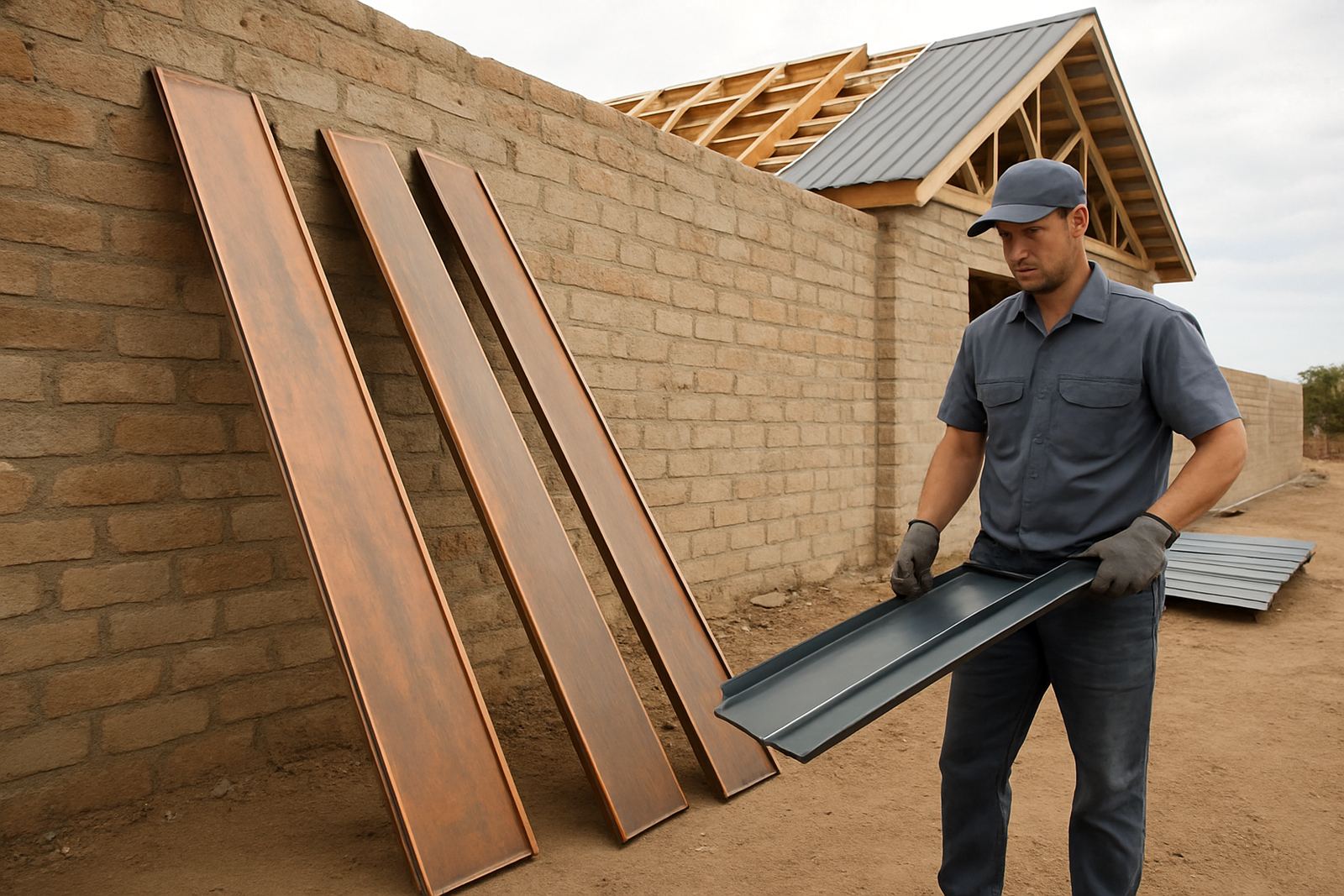
Fabrication is done to the measured lengths, with folded sections, corners and stop ends made to suit. On site the crew sets the levels, fixes the gutter securely and seals the joints carefully. We can work with new roof installations or replace damaged gutters on existing buildings. For larger roofs we may need a small generator for power tools if site electricity is off or load-shedding catches the job at the wrong time, and for some repairs a gas torch is used only where the detail calls for it. Safety and access planning matter, because a gutter that looks simple from ground level can become tricky near high eaves or over a busy entrance.
- Site measuring and level checks
- Custom fabrication to the roof dimensions
- Secure fixing to steel or timber framing
- Outlet setting and leak testing
- Removal of old gutters where replacement is needed
Care, cleaning and servicing in coastal weather
Even a well made box gutter needs regular attention. Leaves, sand, seed pods and roof debris build up over time, especially after summer wind or winter rain. In coastal areas the mix of salt and moisture can also shorten the life of poorly maintained joints and fixings. We recommend checking gutters before the rainy season and again after any major storm. If the roof sits under trees, cleaning may be needed more often.
Look out for overflow marks, rust stains, movement at the brackets and puddling in sections that should drain away. If the gutter is holding water, the fall may have shifted or an outlet could be blocked. Small issues are easier to sort before they turn into roof leaks or wall damage. A regular maintenance inspection can catch these problems early and keep the roof system working as it should. It also helps to inspect the downpipes because a blocked pipe can make a good gutter seem faulty when the real issue is further down the line.
- Clear leaves and debris before winter rain
- Check joints, seals and brackets for movement
- Inspect outlets and downpipes for blockages
- Watch for rust, staining or standing water
- Book repairs before leaks spread to ceiling areas
What to check before you order box gutters
Before you place an order, it helps to have a clear idea of roof size, building use and drainage points. We will assist with the measuring and calculations, but there are a few things that make the job easier from the start. If the building is already occupied, it is useful to know when access is allowed and whether the site has safe parking for the crew and materials. For new structures, we need the roof pitch, framing layout and the final fascia or parapet detail so the gutter can be made to fit properly.
If you are replacing an old gutter, bring photos of the problem areas and tell us where the leaks show up. That helps us decide whether the issue is the gutter size, slope, outlet count or seal failure. It is also worth checking whether you need matching flashings, drip edges or a change in downpipe position. A good order is not only about the gutter itself, but about how the whole roof edge drains.
- Roof dimensions and approximate catchment area
- Number and position of outlets and downpipes
- Existing roof material and support structure
- Access for installation and maintenance
- Any leak history, overflow points or damaged sections
Key facts
| Product type | Custom fabricated box gutters for commercial and steel buildings |
|---|---|
| Typical sizes | Made to measure, commonly 150 mm to 400 mm wide with matched depth |
| Materials | Sheet metal selected for coastal and inland conditions |
| Installation | Measured, fabricated and fitted on site to suit roof fall and drainage |
| Common uses | Roofs, canopies, long-span structures, carports and parapeted edges |
| Service area | Mossel Bay, Hartenbos, Great Brak River, George, Wilderness and Sedgefield |