What Counter Flashings Do at the Roof Line
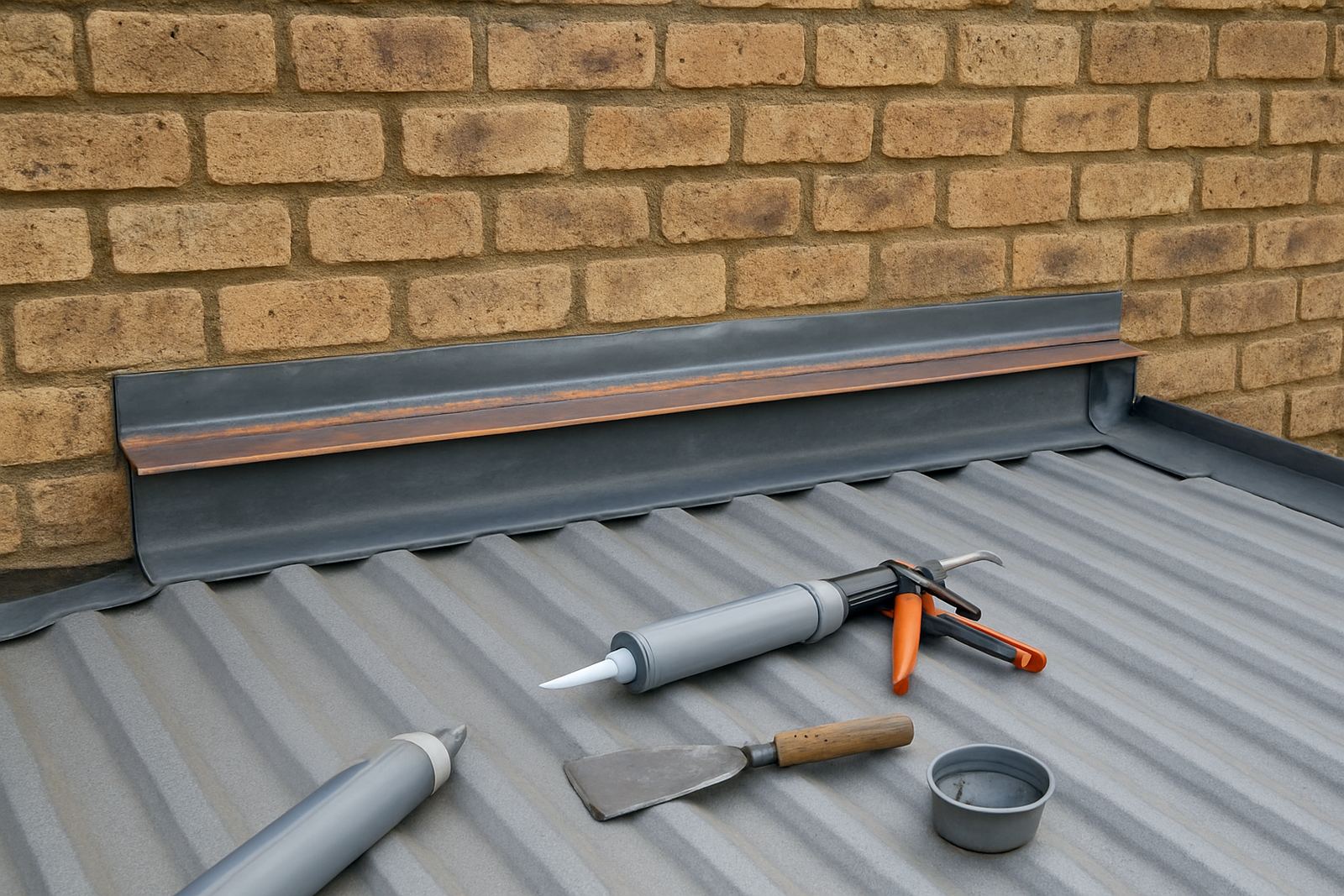
A counter flashing is the outer cover that sits over a roof joint or chase, usually over a base flashing, so water cannot track back into the wall or roof junction. It is a simple piece of metal work, but it matters a lot on coastal jobs where salt, driving rain and strong wind can find any weak spot. On parapet walls and masonry upstands, the counter flashing gives a neat finish and helps protect the seal below it.
For Mossel Bay, Hartenbos and the rest of the southern Cape, this detail is often used on low walls, gable returns, chimney sides, plant rooms and stepped roof edges. It is common on tiled roofs, sheeted roofs and mixed-build projects where masonry meets steel or timber framing. When the shape is right, the flashing does its job without drawing attention to itself.
Common Sizes, Metals and Profile Options
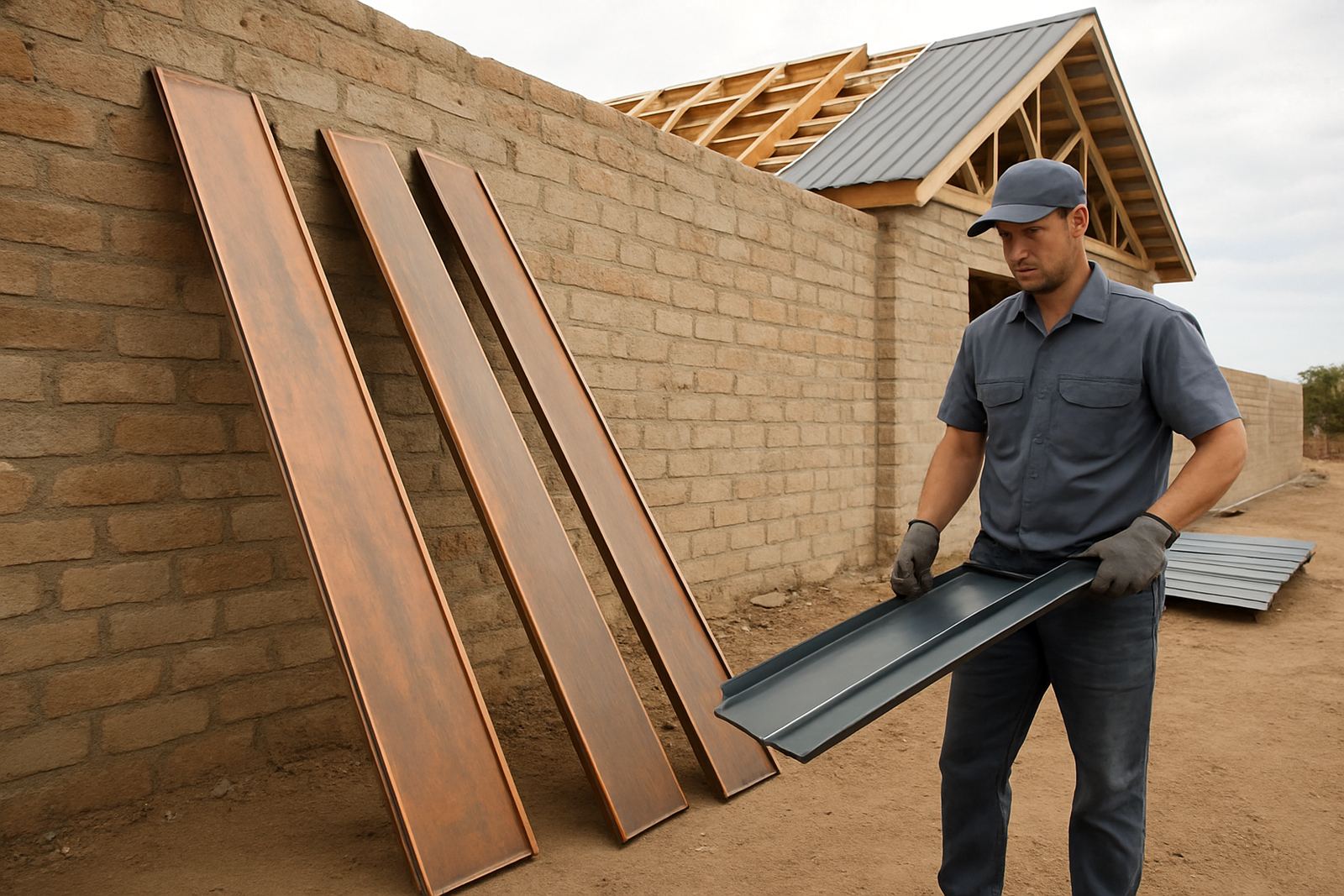
We fabricate counter flashings to suit the wall thickness and the roof build-up on site. There is no one size that fits every parapet or chase, so we measure carefully before cutting. Typical cover widths range from 75 mm to 300 mm, with larger covers made for taller wall returns or exposed details. Standard leg lengths are often 100 mm to 150 mm, but this can be adjusted to suit the job.
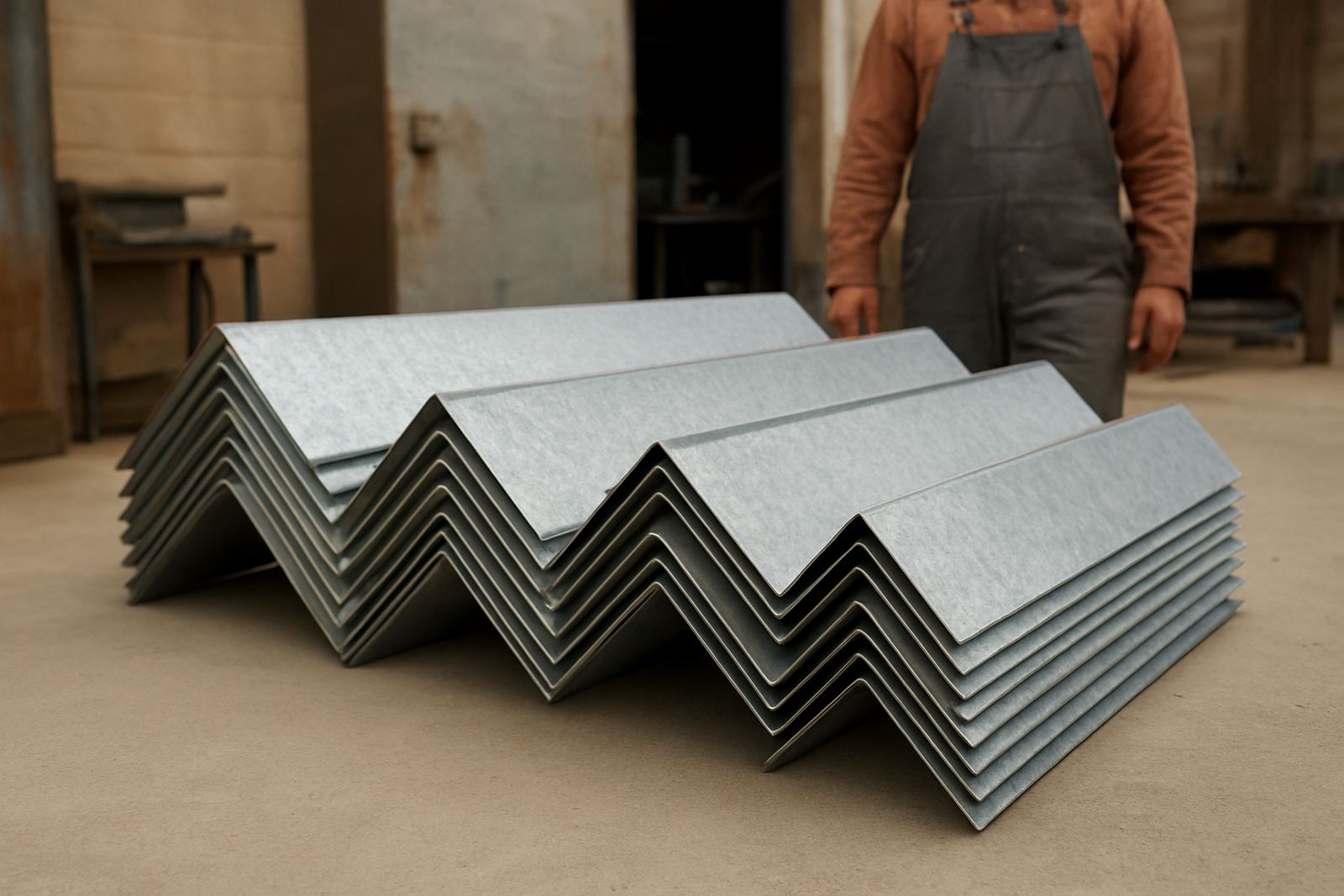
- Galvanised steel for general building work
- Chromadek type coated sheet for a neater finish and colour match
- Stainless steel for higher corrosion areas or long service life
- Plain aluminium where light weight is needed and the design allows it
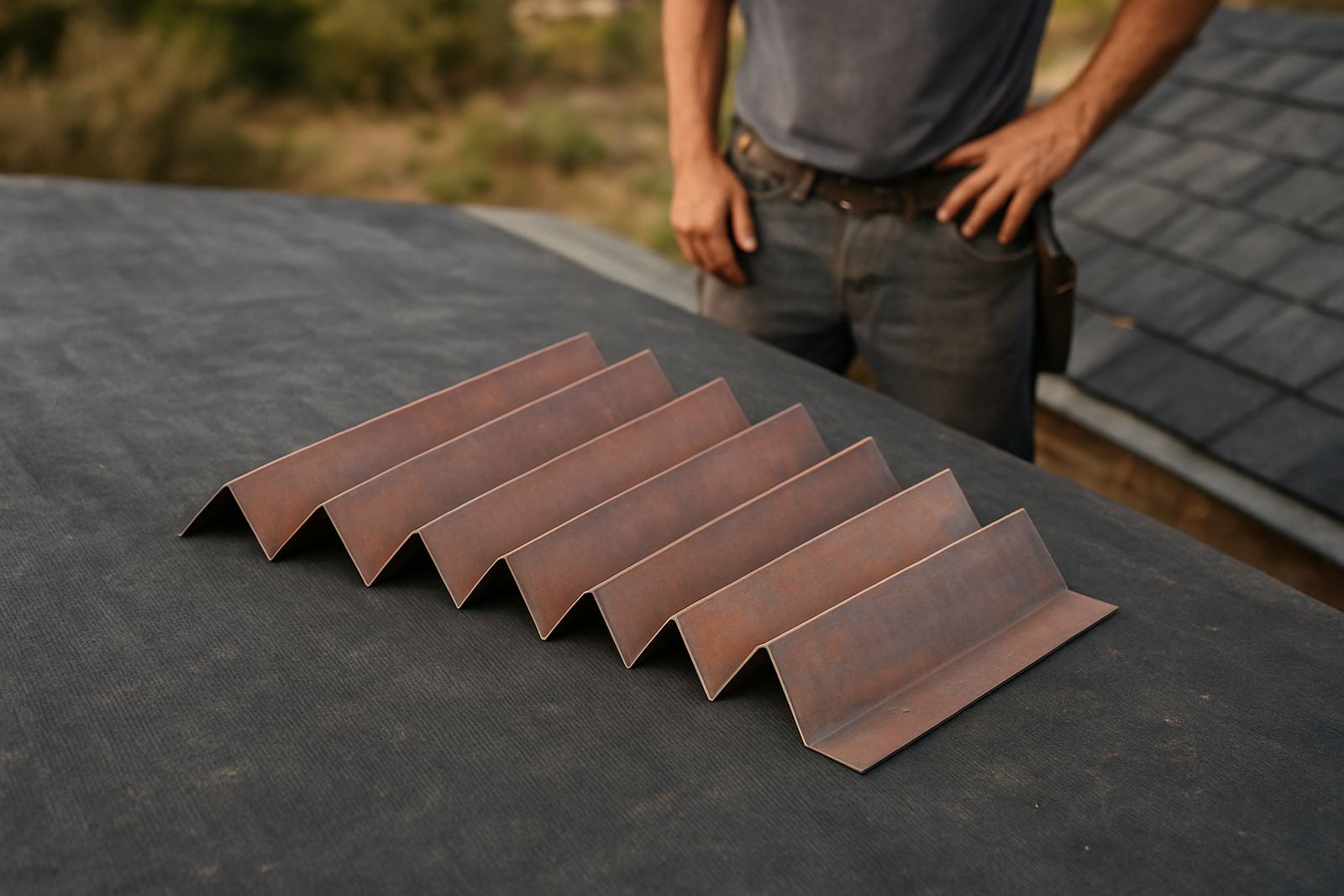
- Custom bends, boxed edges and return lips for specific wall details
Thickness is chosen by application, with common sheet gauges from 0.4 mm to 0.8 mm. On exposed coastal sites we usually look at the more durable option, especially where the flashing will be visible and accessible for future inspection.
Where Counter Flashings Suit Best
Counter flashings suit any point where water could work behind a roof termination. That includes parapet walls, masonry cheeks, roof abutments, chimneys, boundary walls and the tops of sleeper walls on carport or veranda structures. They are also useful where a roof changes height and the upper wall needs a proper weathering detail.
On commercial work, counter flashings often finish the wall line above canopies, walkways and plant rooms. On homes, they are usually fitted where tiled roofs meet face brick, plastered walls or a concrete parapet. If the wall has already shown damp marks, staining or repeated leak repairs, the junction should be checked properly because the flashing may need a wider cover or a different fixing method.
- Parapet walls with a chase cut into masonry
- Chimney and flue side returns
- Roof abutments against face brick or plaster
- Boundary wall caps and stepped wall details
- Flat roof terminations and small plant rooms
How We Measure, Make and Fix Them In
We start with site measuring so the flashing follows the actual wall line, not just the drawing. That matters when a parapet is out by a few millimetres, which is common on older buildings. Our workshop cuts, bends and forms the metal to suit the measured lengths, then the site team fits it with the correct overlap and fixings.
Installation normally needs access equipment such as ladders, scaffold or a small lifting arrangement depending on height and slope. For most counter flashing work, no gas is needed. Power tools may be used for cutting, drilling and sealing preparation, so a normal site electricity supply helps, but we can plan around load-shedding with battery tools and staged installation if needed. On tight schedules, it is best to know the site access and power availability before we come out.
Fixing points must be placed where they will not allow water to track in. We use proper sealant joints, suitable screws or concealed fixings where possible, and we allow for movement in the metal. A flashing that is too tight can buckle in the heat, especially on dark roofs in summer.
Care, Cleaning and Routine Checks
Counter flashings do not need much day-to-day attention, but they should be checked as part of normal roof maintenance. In coastal air, salt build-up can shorten the life of the finish if dirt is left to sit for too long. A mild wash with clean water is usually enough. Avoid harsh acids or abrasive pads, as they can damage coated sheet and open the surface to early corrosion.
Look out for lifted edges, cracked sealant, loose fasteners, rust staining and gaps where the wall has moved. If you spot damp patches after rain, the problem may not be the flashing itself but a failed joint above or beside it. Small repairs are easier and cheaper than waiting until plaster starts breaking down or the roof structure shows water marks.
- Inspect after heavy rain or strong coastal wind
- Check sealant joints every few years
- Clear moss, sand and leaf build-up from the wall line
- Replace missing fasteners before movement starts
- Recoat or replace damaged sections early
What to Confirm When Ordering Counter Flashings
Before we make the flashing, we need the roof type, wall type and the exact junction details. If you have a tiled roof, profiled sheet roof or a flat roof, the fixing method and profile change. We also need to know whether the wall is plastered, face brick or concrete, because that affects chase depth and the final cover size. If the wall is already finished, it is important to check what can be cut or sealed without causing unnecessary damage.
Please have the approximate lengths, heights, colour preference and access conditions ready. It also helps to know if the job is on a home in Hartenbos, a commercial site in George or a coastal building in Wilderness, as exposure levels can influence the material choice. If you are not sure what is needed, send photos and measurements and we can work from there.
- Roof type and pitch
- Wall material and thickness
- Required cover width and length
- Colour or finish preference
- Access height and safety limits
- Any existing leaks or previous repairs
Local Supply for Mossel Bay and the Southern Cape
We work from Gouriqua Park in Mossel Bay and supply counter flashings across the southern Cape, including Mossel Bay, Hartenbos, Great Brak River, George, Wilderness and Sedgefield. That local reach matters when you need a quick site measure, a replacement length after storm damage, or matching flashings for a bigger roofing job. Our team handles measuring, fabrication and installation in-house, so the detail stays consistent from workshop to site.
Counter flashings are often ordered with other sheet metal work such as gutters, roof sheets, wall cladding or small steel additions, which helps keep one contractor responsible for the full junction detail. If you need a neat finish above a wall or parapet, it is worth getting the measurement right the first time.
Key facts
| Product type | Custom counter flashings for roof, parapet and masonry junctions |
|---|---|
| Typical material options | Galvanised steel, coated steel, stainless steel, aluminium |
| Common thickness range | 0.4 mm to 0.8 mm depending on application |
| Typical cover width | 75 mm to 300 mm, custom sizes available |
| Installation needs | Site measuring, cutting, drilling, sealant, ladders or scaffold |
| Service area | Mossel Bay, Hartenbos, Great Brak River, George, Wilderness and Sedgefield |