What a roof valley flashing does on a pitched roof
A roof valley is one of the hardest working parts of any roof because it carries water from two slopes into one channel. When that channel is not shaped properly, water can back up under sheets, blow sideways in strong wind, or drip into ceilings and wall tops. A correctly made valley flashing gives the water a clear path down and out, even during the first heavy rain after a dry spell.
For coastal areas like Mossel Bay, Hartenbos and Great Brak River, the flashing also needs to cope with salt in the air and fast changes in weather. We make valley flashings for new roofs, replacement work and repairs on existing buildings, with profiles suited to corrugated, IBR and similar sheeted roof lines. The aim is simple: keep runoff moving, keep fixings dry, and help the roof last longer.
Sizes, thicknesses and profile options we supply
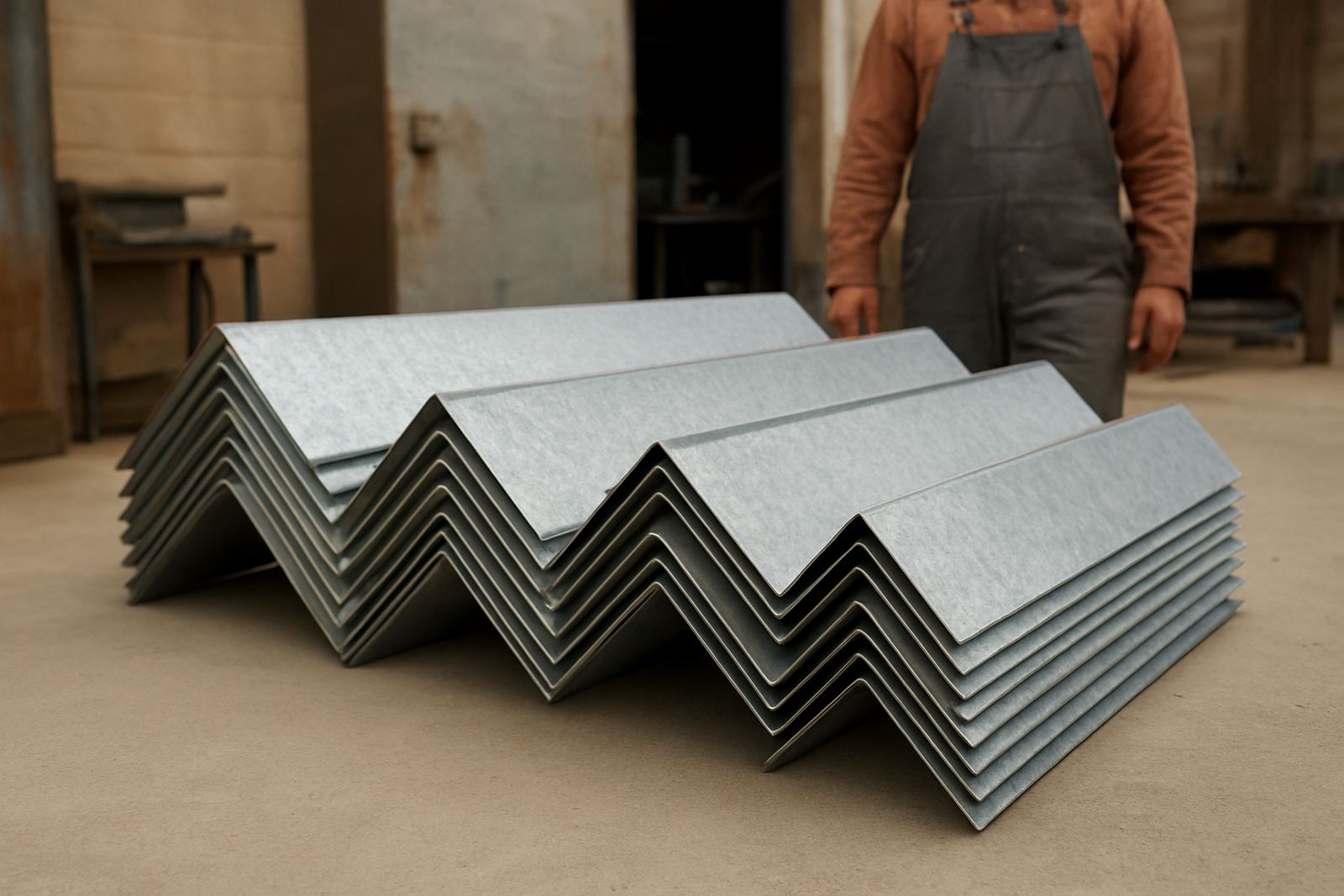
Valley flashings are not a one size product. The width, cover and return details depend on the roof pitch, sheet profile, valley angle and the amount of rain the roof must move. We measure on site where needed, then cut and fold the valley to suit the actual roof rather than forcing the roof to fit a standard piece.
- Common sheet thicknesses: 0.47 mm, 0.50 mm and heavier where the roof span or exposure calls for it
- Typical widths: made to suit narrow domestic valleys or wider industrial channels
- Lengths: supplied to roof lengths, with joins planned to suit runoff direction
- Finish: plain galvanised or pre-coated sheet options depending on the job
- Edge returns: turned edges and upstands to help control splash and lift
On steep roofs or long runs, we can increase the width of the valley so water has enough room to move during a thunderstorm. If the roof sits under trees or collects debris, a wider profile can make maintenance easier as leaves are less likely to bridge the channel.
Where valley flashings suit best in the Southern Cape
These flashings suit most pitched roofs that meet in a V shape or where two roof faces drain into one line. That includes houses, garages, patios, carports, workshop roofs and steel frame buildings. In George, Wilderness and Sedgefield, where wind and rain can arrive from different directions, a well set valley helps keep the roof watertight and the runoff controlled.
They are also useful where roof sheets meet a wall or parapet and the water needs to be directed into a gutter or safe discharge point. For farm sheds and outbuildings, valley flashings can reduce rust problems around overlaps and fixings, especially where condensation and coastal moisture are present. On older roofs, a new valley flashing can often solve a recurring leak without replacing the whole roof.
- Homes with two roof slopes meeting in the middle
- Carports and lean-to roofs
- Factories, stores and steel buildings
- Roof repairs where the old valley has split, rusted or lifted
How we install a valley flashing properly
Installation starts with accurate measuring, because even a small error can leave the valley sitting too flat or too tight against the sheets. We check the fall, roof pitch, sheet layout and fixings before cutting the flashing. Where needed, we coordinate the work with roof sheet installation, gutter work or roof leak repairs so the finished roof does not have weak points left behind.
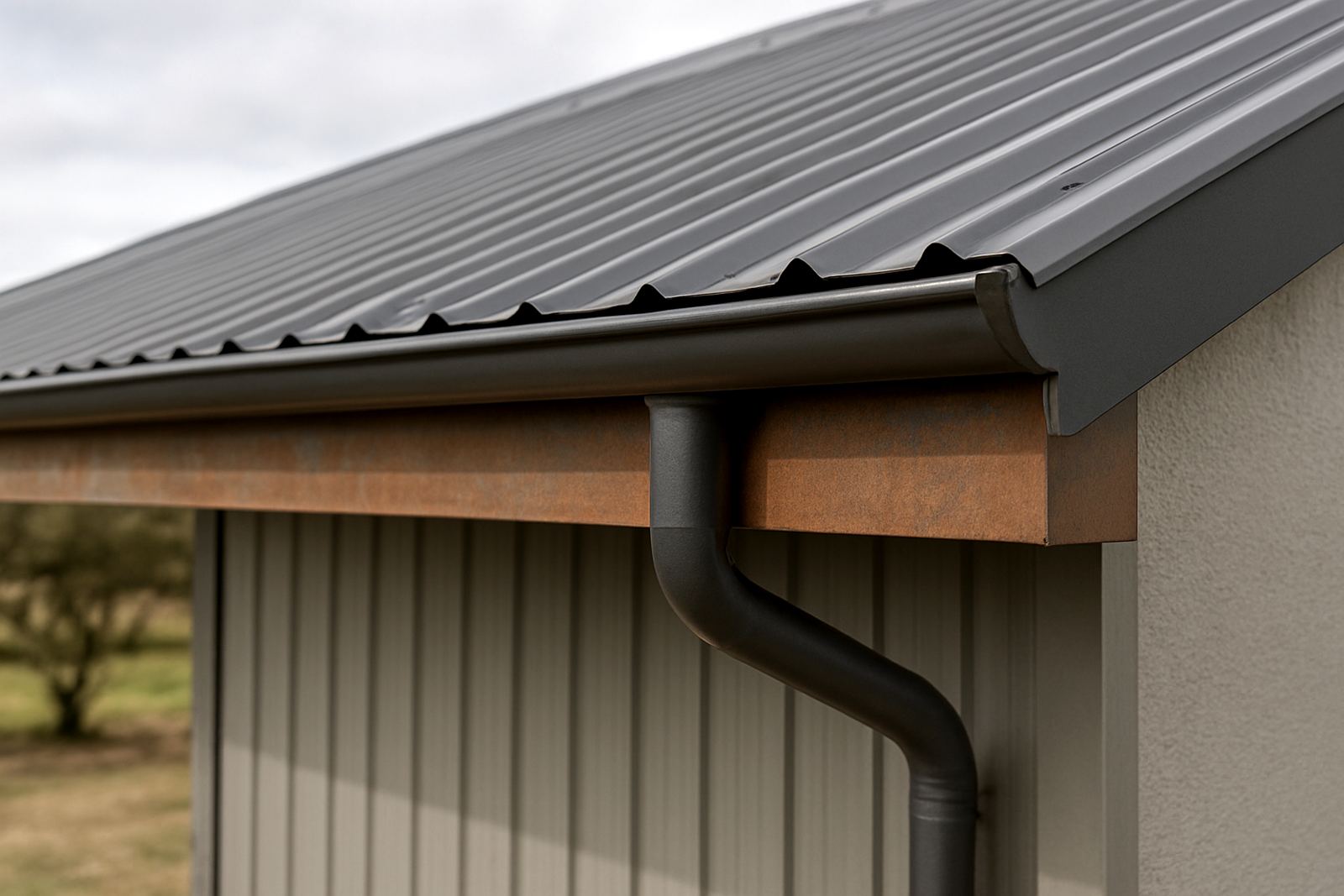
On site, the flashing is set to carry water cleanly into the gutter or off the eave line. Fasteners are placed where they will not create a leak path, and overlaps are handled so water runs over joints not into them. On some jobs, especially where the roof is already aged or damaged, we also recommend replacing damaged battens, checking end laps and resealing around penetrations. It saves repeat callouts later, which nobody needs.
For power and gas needs, valley flashing work does not usually require a power supply or gas on site, but the broader roof repair job may involve cutting tools, drill drivers or sheet metal equipment in the workshop. If we are working on a property with limited access or load shedding concerns, we plan the fitting sequence so the job keeps moving and the roof is left weather tight by the end of the day.
Care, cleaning and regular servicing
Valley flashings need basic care to perform well. Leaves, twigs, sand and roof grit should be cleared out before the rainy season, especially on properties near trees or in coastal areas where wind can blow debris into the channel. If a valley stays blocked, water can sit in one place and start attacking the coating or the metal itself.
We recommend maintenance inspections after major storms and at least once a year for older roofs. During an inspection we look for rust spots, loose fasteners, denting, gaps at joins and signs that water is not exiting where it should. If the valley is dented by foot traffic or tree branches, it may still work for a while but the flow pattern can change and cause hidden overflow.
- Clear leaves and mud from the valley
- Check for staining under the joint line
- Look for cracked sealant or lifted edges
- Confirm the valley still drains into the gutter or discharge point
- Watch for corrosion where dissimilar metals may meet
What to check before you place an order
Before ordering a valley flashing, it helps to know the roof pitch, the sheet profile and the length of each run. If you have drawings, photos or measurements, send them through and we can work from that. If not, we can do site measuring in Mossel Bay, Gouriqua Park, Hartenbos and surrounding areas, then confirm the size before fabrication.
It also helps to know whether the valley is for a new build, a replacement, or a leak repair on an existing roof. Replacement work sometimes needs matching around old sheets, uneven timbers or a gutter line that was never square to begin with. That is common on older properties, and it can still be sorted with the right measurements and a practical approach.
- Roof pitch and valley length
- Sheet profile and thickness
- Whether the roof is new or existing
- Exposure to wind, salt air and heavy rain
- Any gutters, walls or penetrations nearby
If you are unsure, rather ask first. A valley that is too narrow or too short can cost more later than getting it right from the start.
Key facts
| Product type | Custom roof valley flashing |
|---|---|
| Material options | Galvanised sheet or coated sheet |
| Typical thickness | 0.47 mm to 0.50 mm and heavier on request |
| Use | Directs runoff from pitched roof valleys |
| Installation | Measured and fitted to roof pitch and sheet profile |
| Service area | Mossel Bay, Hartenbos, Great Brak River, George, Wilderness and Sedgefield |