What eave closures do at the roof edge
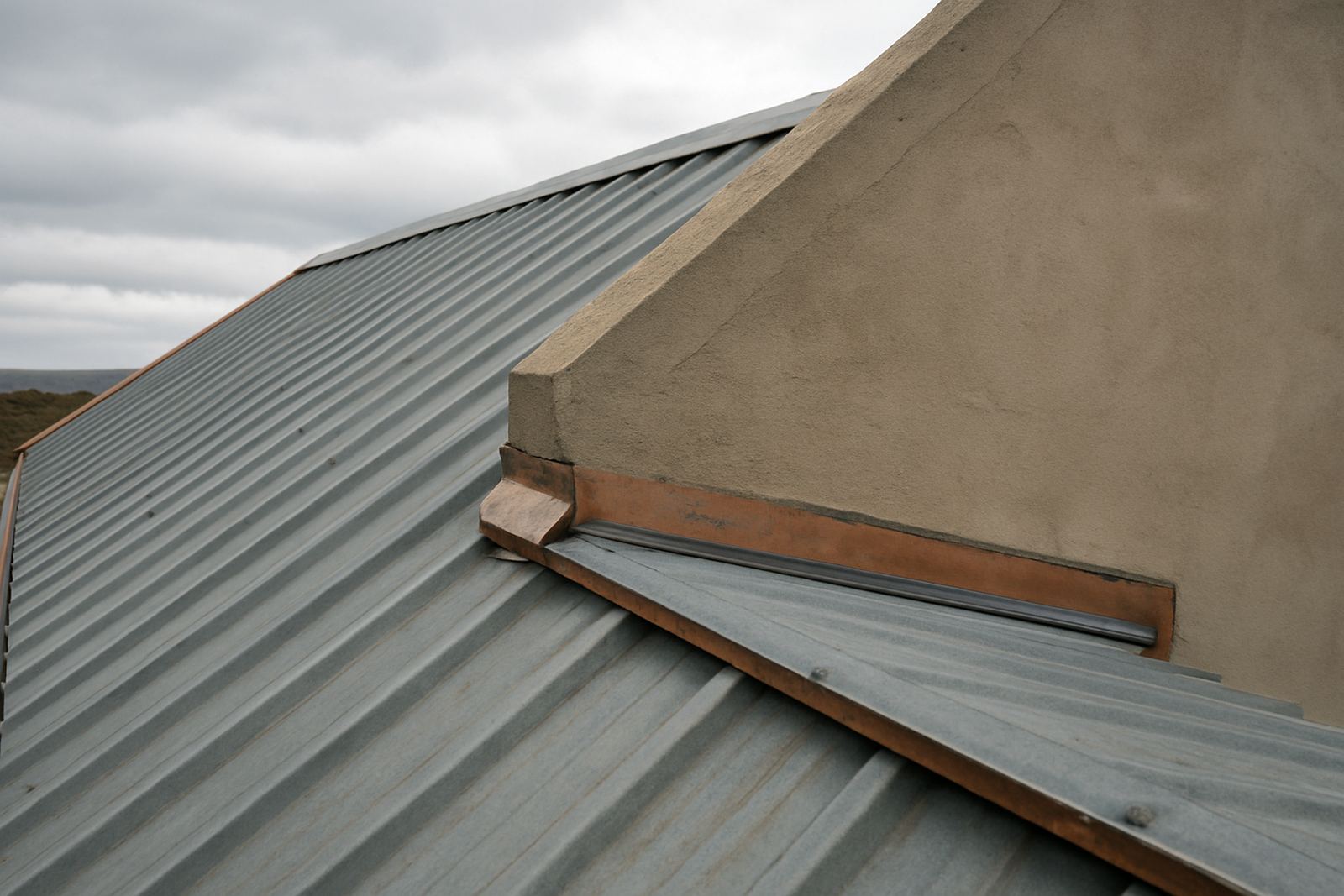
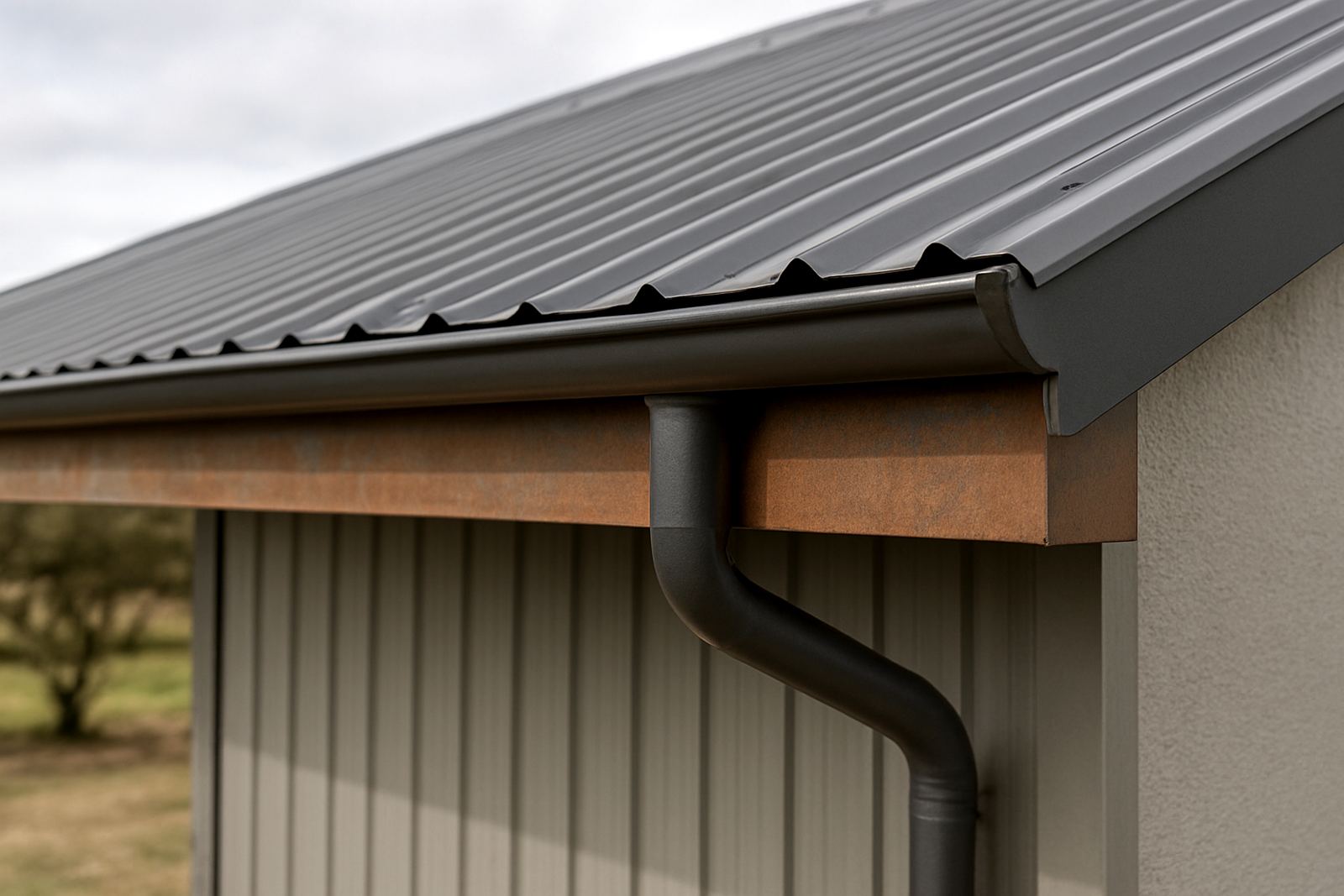
Eave closures are shaped fillers fitted between the roof sheet profile and the support line at the lower edge of a roof. They close the gap that is left by the corrugation or rib profile, which helps keep the underside of the roof cleaner and reduces wind driven ingress during storms. On coastal jobs in Mossel Bay and Hartenbos, that matters because salty air, blowing sand and hard rain can work their way into open ends much faster than people expect.
For homes, carports, workshops and light industrial roofs, a proper closure gives a tidier finish at the fascia line and helps protect insulation and battens. It is a small component, but it saves a lot of trouble when the first summer southeaster arrives or when winter rain comes in sideways.
Profiles, sizes and material options we supply
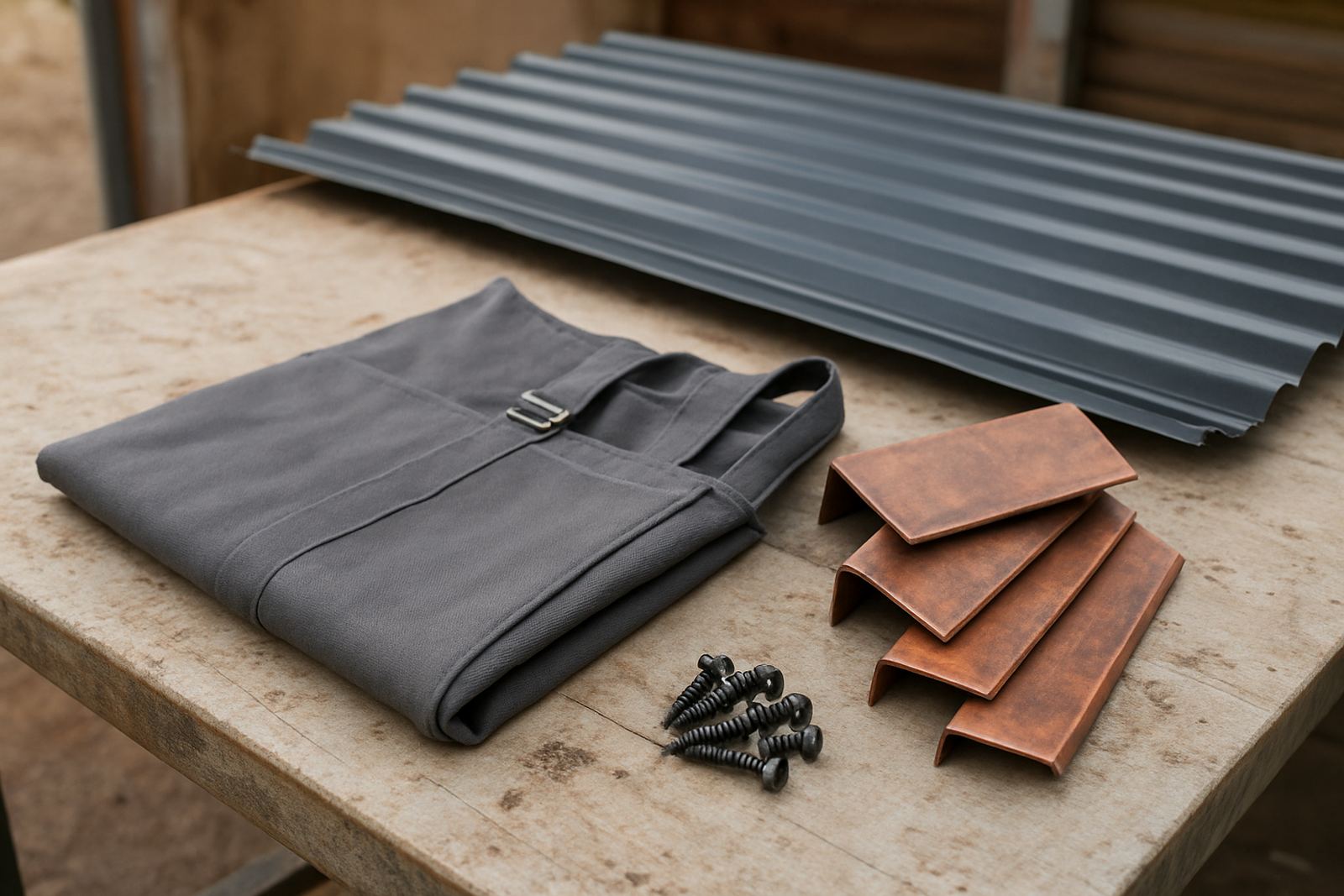
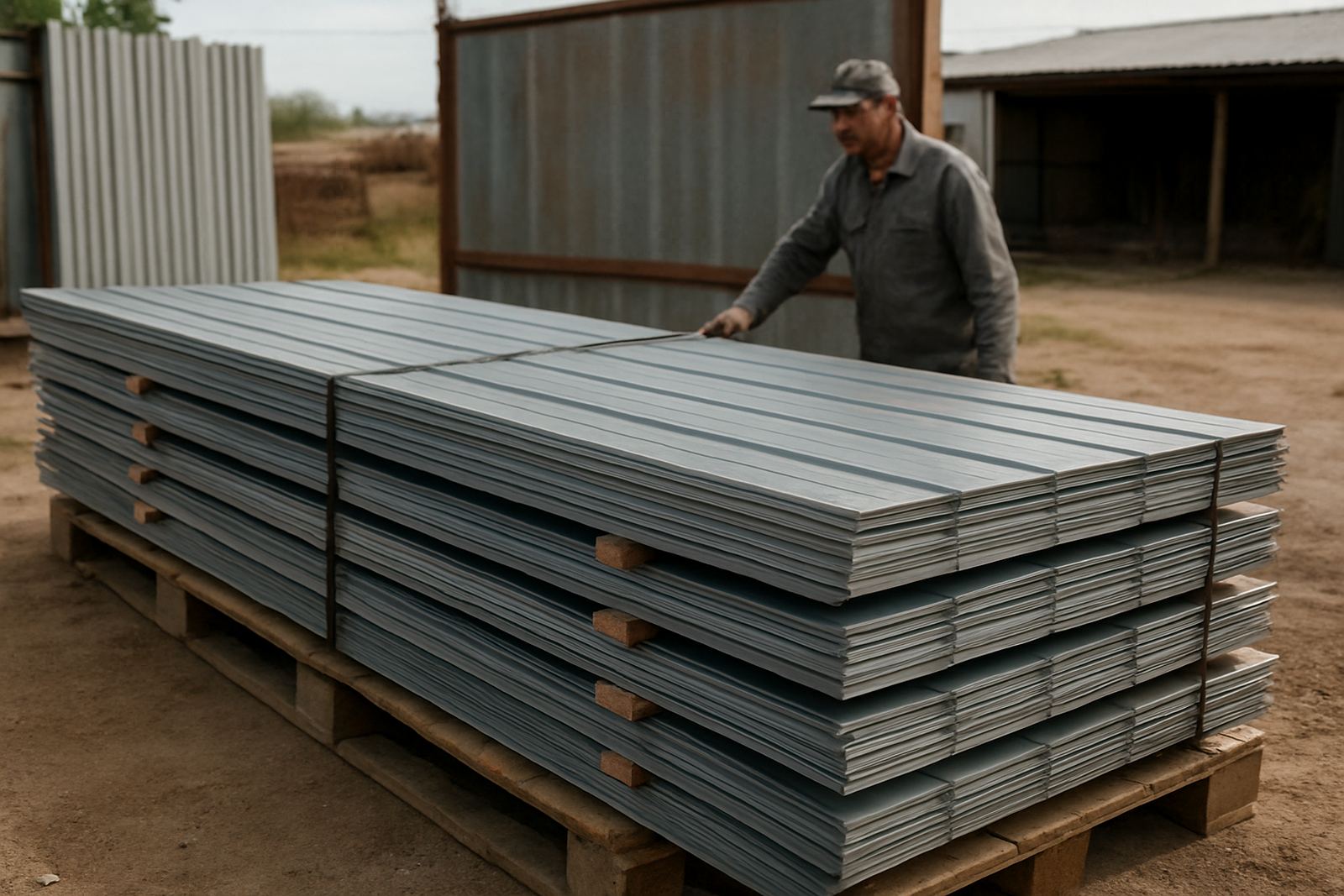
Eave closures are made to match the roof sheet profile, so the first step is to confirm the exact sheet type and pitch. We cut closures to suit common trapezoidal and corrugated sheets, plus special flashings where a roof detail calls for a tighter finish. If the opening is measured wrongly, the closure can leave gaps or press too hard on the sheet, so proper measurments are important before fabrication.
- Profile matched to the roof sheet shape
- Standard lengths cut on site or in the workshop
- Common thicknesses from 0.4 mm to 0.8 mm steel, depending on the job
- Galvanised steel, colour coated steel, or aluminium where required
- Closed cell foam options for extra sealing in exposed areas
For coastal properties close to the water, we usually look at corrosion resistance first. Inland or more sheltered sites may not need the same finish, but the profile still has to sit correctly and line up with the roof edge. A neat closure is part of the overall roof system, not a add on afterthought.
Where eave closures suit best
These components suit any roof where the underside edge is exposed to wind, dust or bird movement. They are commonly used on carports, patios, storage buildings, garden rooms, farm sheds and steel structures, as well as residential roofs in George, Wilderness and Sedgefield. In areas where wind gets under the sheets, eave closures help reduce rattling and the little pockets where dirt gathers.
- New roof installation at the eaves line
- Re-roofing where old closures have rusted or gone missing
- Roof leak repairs around the lower edge of a sheet run
- Buildings with exposed fascia lines or open soffits
- Sites with birds, dust, or frequent coastal spray
If you are working with gutters, the closure also helps keep the edge detail tidy where the roof overhang meets the gutter line. That makes later maintenance easier and gives the installer a cleaner line to work to.
Installation on site and what power is needed
Most eave closure jobs are fitted during roof sheet installation, but they can also be added during maintenance or a partial roof repair. We measure the edge, cut the closures, check the pitch and then secure everything so the sheet profile stays neat. On long runs, we make sure joints are seated properly and that the ends do not lift in wind. The work is usually done with standard hand tools and portable fixing equipment.
No gas is normally needed for eave closures themselves. If the job forms part of a wider steel or roof package, any welding is handled separately and only where the structure calls for it. Power needs are modest, but on load-shedding days we plan the sequence so measuring, cutting and fixing can carry on with the right backup tools. That keeps the job moving without waiting around for the grid to come back.
Care, servicing and when to replace them
Eave closures do not need much attention, but they should be checked during routine roof maintenance. After heavy rain or strong coastal winds, it is worth looking for lifted ends, cracked sealant, corrosion marks or gaps where birds have started nesting. On older roofs, closures can work loose when fasteners fatigue or where the roof has moved slightly over time.
We recommend checking them during annual maintenance inspections, especially on buildings near the coast or under large trees. If the roof is being washed or repainted, that is a good time to inspect the closures too. A small replacement section is easier to manage than waiting for a leak to spread along the eave line.
What to confirm before you order
To quote and make the right closure, we need the sheet profile, roof pitch, overhang depth and the finish you want. It also helps to know whether the roof is new or existing, whether there is insulation, and if the edge must line up with a gutter. If you are not sure, we can do site measuring from Gouriqua Park and schedule a visit in Mossel Bay, Great Brak River or George.
- Roof sheet profile and sheet thickness
- Length of each eave run in metres
- Colour or finish required
- Whether foam inserts are needed
- Exposure to wind, spray or heavy dust
- Any existing gutter, fascia or insulation detail
Getting those details right first saves time in fabrication and avoids the common issue of a closure that looks fine on paper but doesnt seat properly on the roof.
Key facts
| Use | Eave edge closure for roof sheets and open profiles |
|---|---|
| Typical materials | Galvanised steel, colour coated steel, aluminium |
| Thickness range | 0.4 mm to 0.8 mm, subject to application |
| Fitment | Profile matched to corrugated or trapezoidal sheets |
| Lengths | Cut to size for each roof run |
| Service area | Mossel Bay, Hartenbos, Great Brak River, George, Wilderness and Sedgefield |