What Fascia Gutters Do at the Roof Edge
Fascia gutters sit against the fascia board or roof edge and collect rainwater before it runs down walls, soaks soffits or splashes at the foundations. On Cape properties they are often preferred where a clean front line matters, because the gutter follows the roof edge and does not sit as visibly below the eaves. That makes them a good fit for homes in Gouriqua Park, holiday units in Hartenbos and small business buildings that need a neat finish without extra fuss.
A proper fascia gutter also helps with water control during heavy southern Cape rain. When the size is matched to the roof area, downpipes and outlet positions, the system can move water off the roof quickly enough to reduce overflow. That matters in wind driven storms, and it matters again when leaves, sand or rooibos dust build up in the channel over time.
Sizes, Profiles and Material Choices
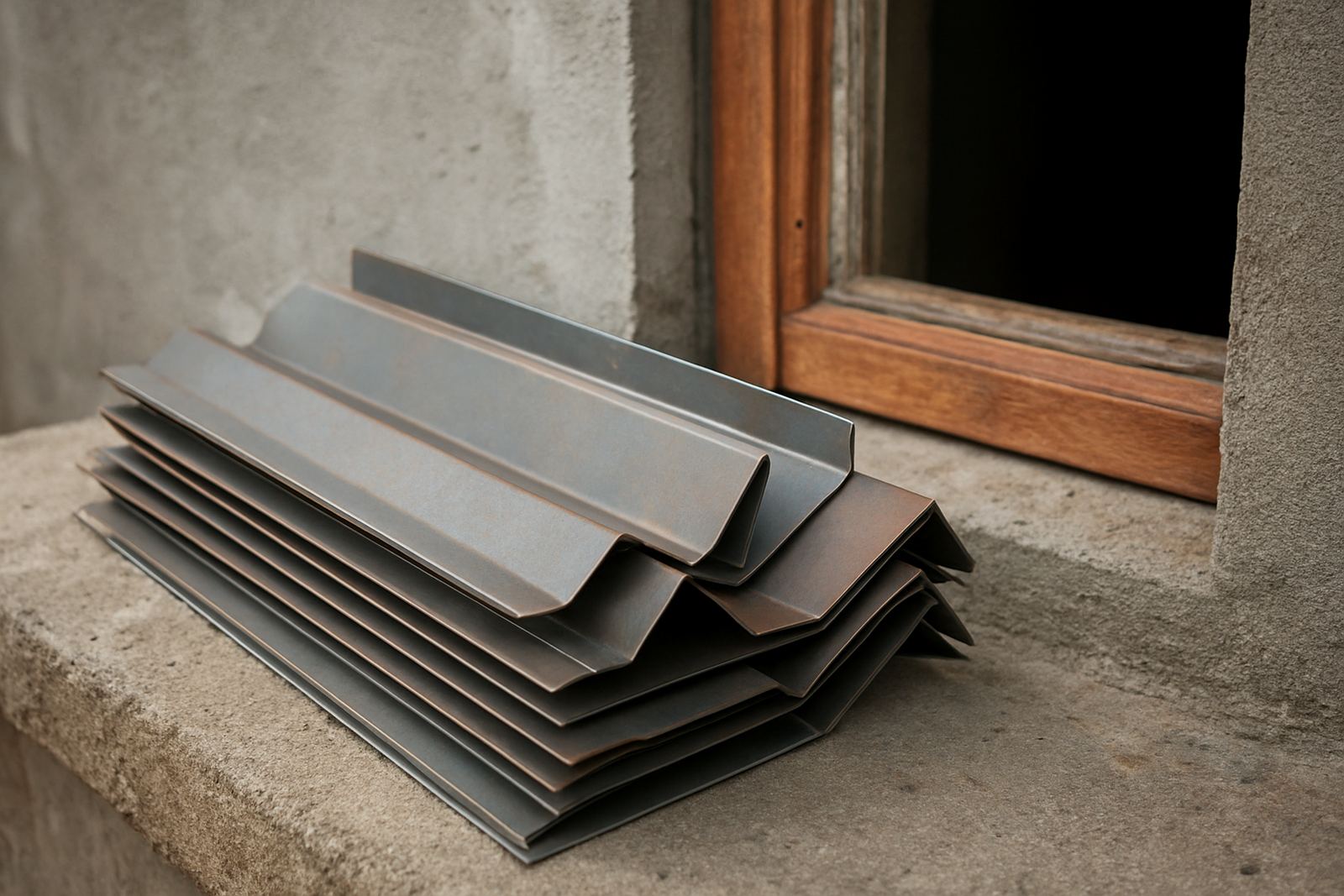
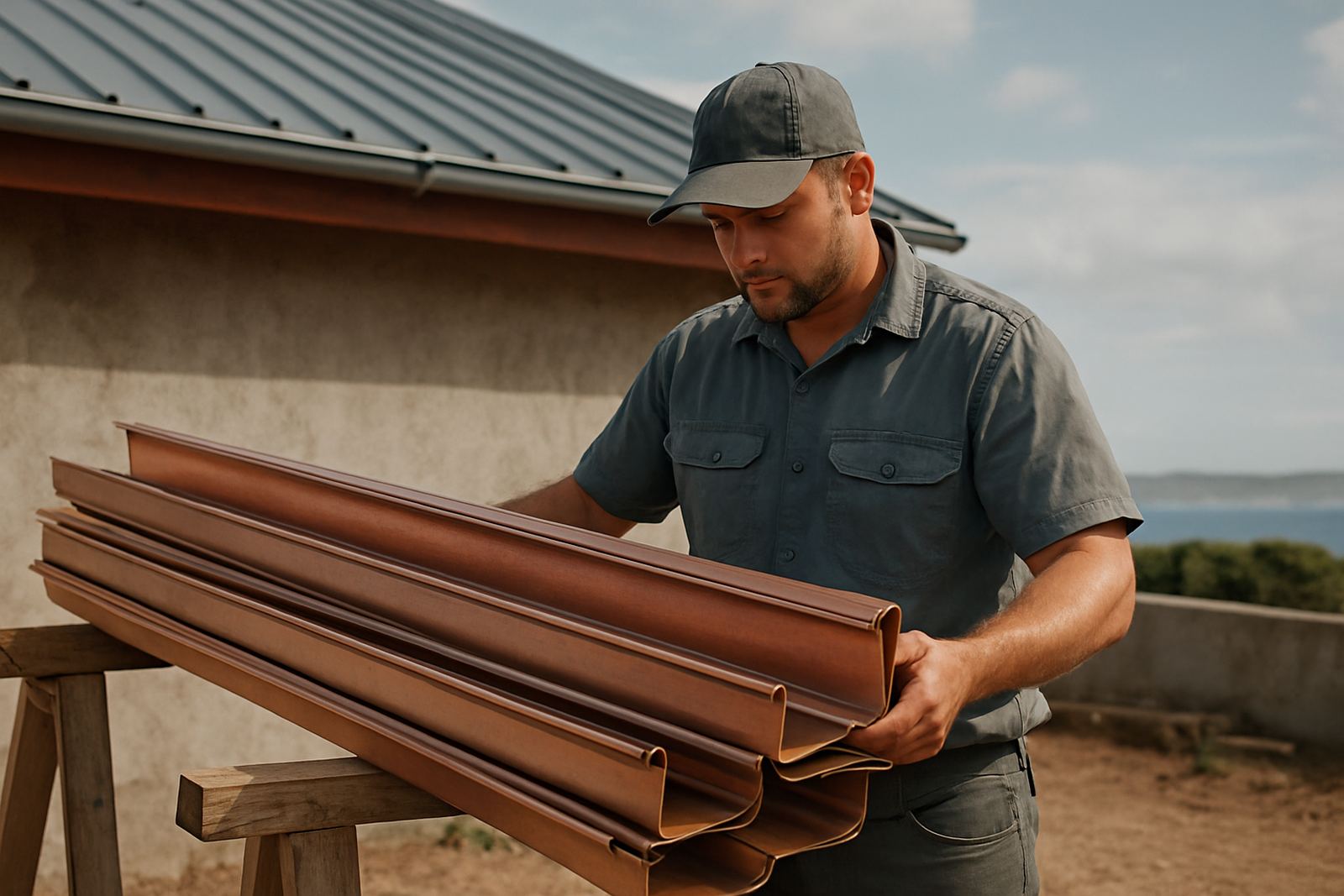
Fascia gutters are usually made in practical lengths and bends to suit the building line, with corners, stop ends and outlets fabricated to order. For most homes and light commercial sites, common sizes range from 125 mm to 150 mm gutter width, with matching downpipes chosen to suit roof catchment area. On bigger roof spans or steeper pitches, a wider profile may be needed so the gutter can handle sudden downpours without backing up at the corners.
- Standard gutter widths: 125 mm, 150 mm and larger on request
- Typical material thickness: 0.5 mm to 0.8 mm depending on duty
- Lengths cut to suit site measurements and fall requirements
- Custom bends for inside and outside corners
- Round or square downpipes, matched to the look and water load
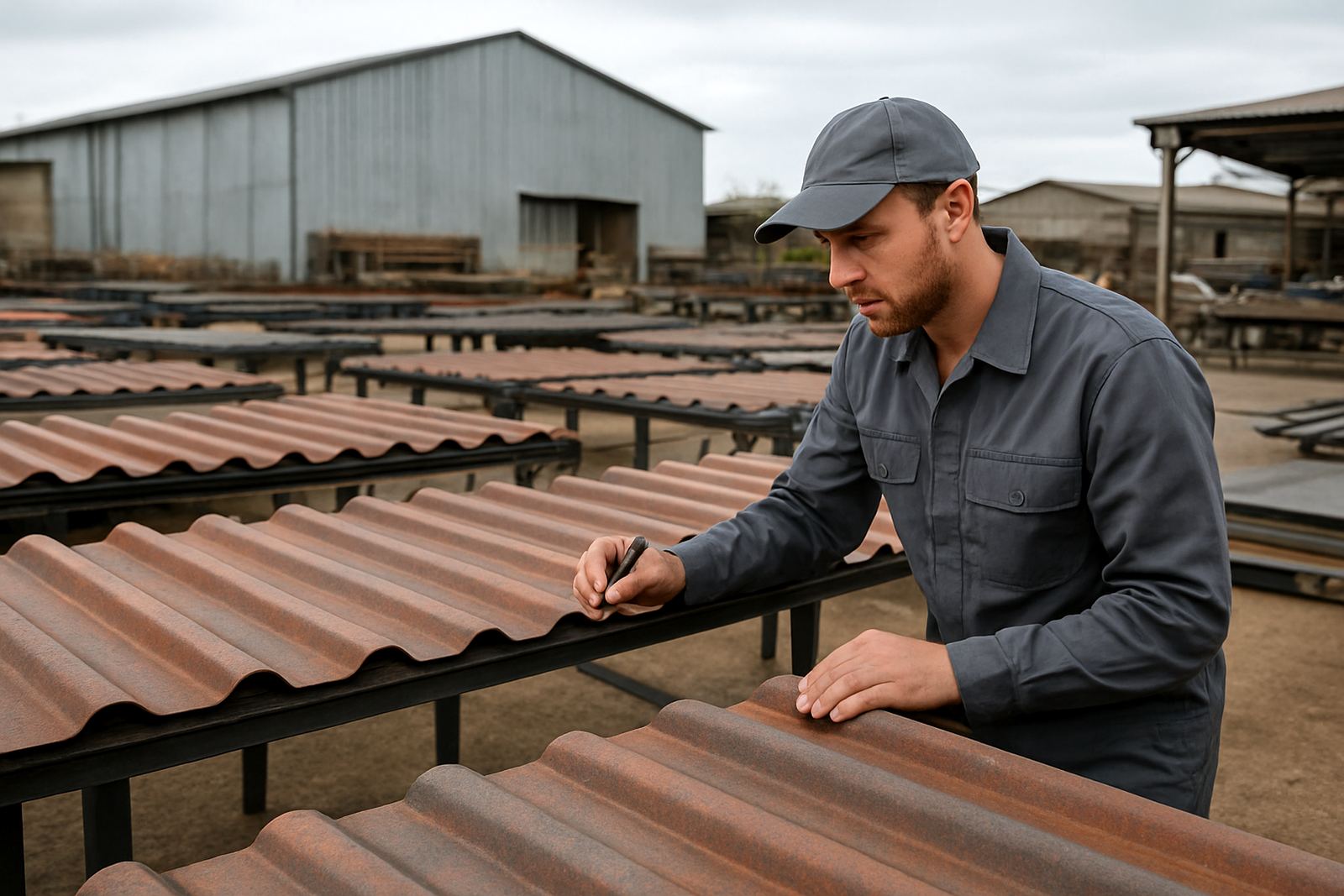
In coastal areas, material choice matters. Salt in the air can shorten the life of poor coatings and weak fixings, so the right sheet and fastener combination should be selected for the site. If a roof faces the sea or sits in open wind, ask for a finish that can handle humidity and regular cleaning without peeling or early rust spots.
Where Fascia Gutters Suit Best
Fascia gutters suit a wide range of buildings where the eaves line must stay tidy and water must be led away from walls and paving. They work well on residential homes, rental units, guest accommodation, office blocks, workshops with lighter roof structures and canopies over entrances or walkways. In places like George, Wilderness and Sedgefield, they are often used where rainwater needs to be managed without making the roof edge look heavy.
They are especially useful when the property has paved areas, painted walls or timber features below the roof edge. Water dripping from an unmanaged roof line can stain finishes and create slippery patches close to doors. On a lodge or small commercial site, that can lead to extra cleaning and maintenance, plus a poor first impression for visitors.
- Homes with neat street-facing eaves
- Lodges, guest houses and rental units
- Light commercial buildings and offices
- Carports and attached shelters
- Renovations where old gutters are being replaced
Installation, Power Needs and Site Preparation
Fascia gutter installation starts with site measuring so the gutter line, falls and outlet positions are set correctly from the start. The installer checks roof pitch, fascia condition, existing flashing details and the best place for downpipes. If the fascia board is damaged or not straight, repairs may be needed before the gutter goes on, otherwise the line can pull uneven and hold water in the wrong places.
Most fascia gutter work does not need mains power at the roof edge, but workshop fabrication does use cutting and forming equipment. On site, cordless tools or portable equipment may be used for fixings and adjustments. For larger jobs, access equipment and safe roof working gear are important. Where buildings are high or awkward, think about ladder access, scaffold, weather windows and whether power lines or overhanging trees will interfere with the job.
Fitting should also take local conditions into account. In Mossel Bay and along the coast, wind can lift loose lengths during installation, so proper fixing spacing and sealed joints are important. A well set gutter should have enough fall to carry water toward the outlet without looking crooked from the ground, and that takes a careful hand not guesswork.
Care, Cleaning and Ongoing Service
Like any rainwater system, fascia gutters need basic care. Leaves, seed pods, sand and nesting debris can block outlets and make water spill over the front edge. In coastal towns, salt spray can also leave a fine film on the metal, so a rinse and visual check now and then helps keep the finish in good order. It is worth checking the gutters before the wet season, after strong wind and again after roof work has been done nearby.
Good maintenance is usually simple and cheaper than replacing damaged sections later. A small leak at a corner, loose bracket or blocked outlet can cause water to track behind the gutter, staining the wall or rotting timber. If the building has ongoing roof maintenance, the gutter should be checked at the same time so small faults are picked up early.
- Clear debris from the gutter and outlets
- Check for rust, cracks or loose joints
- Look for ponding where the fall is wrong
- Inspect seal points after heavy rain
- Replace tired fixings before they pull out
What to Check Before You Order
Before ordering fascia gutters, confirm the roof length, number of corners and outlet positions, because these details affect the final fabrication. It also helps to know the roof material, fascia condition and whether there are existing gutters to remove. If you are replacing a failed system, photos of the old layout can help with measuring and planning the new run.
Ask what size is recommended for your roof area and where the downpipes will discharge. If the property already has stormwater lines, the outlet connection should be checked so water does not simply end up at the same weak point again. On a coastal property, ask about coatings, fixings and any extra sealing needed for the environment, especially if the site is exposed to wind from the sea.
- Roof length and gutter run sizes
- Number of corners, outlets and end caps
- Preferred gutter colour or finish
- Downpipe size and discharge point
- Whether old gutters must be removed first
J&E Sheet Metal works from Gouriqua Park in Mossel Bay and serves the southern Cape, including Hartenbos, Great Brak River, George, Wilderness and Sedgefield. If you need fascia gutters measured, made and fitted for a house, lodge or light commercial site, the team can assess the roof and quote on the right size for the job.
Key facts
| Product type | Fascia gutters for roof edge drainage |
|---|---|
| Typical sizes | 125 mm to 150 mm, larger on request |
| Material options | Coated sheet metal and matching fittings |
| Common uses | Homes, lodges, light commercial sites and carports |
| Service area | Mossel Bay, Hartenbos, Great Brak River, George, Wilderness, Sedgefield |
| Related work | Site measuring, custom flashings, gutter replacement, roof leak repairs |