What louvre panels do in a working building
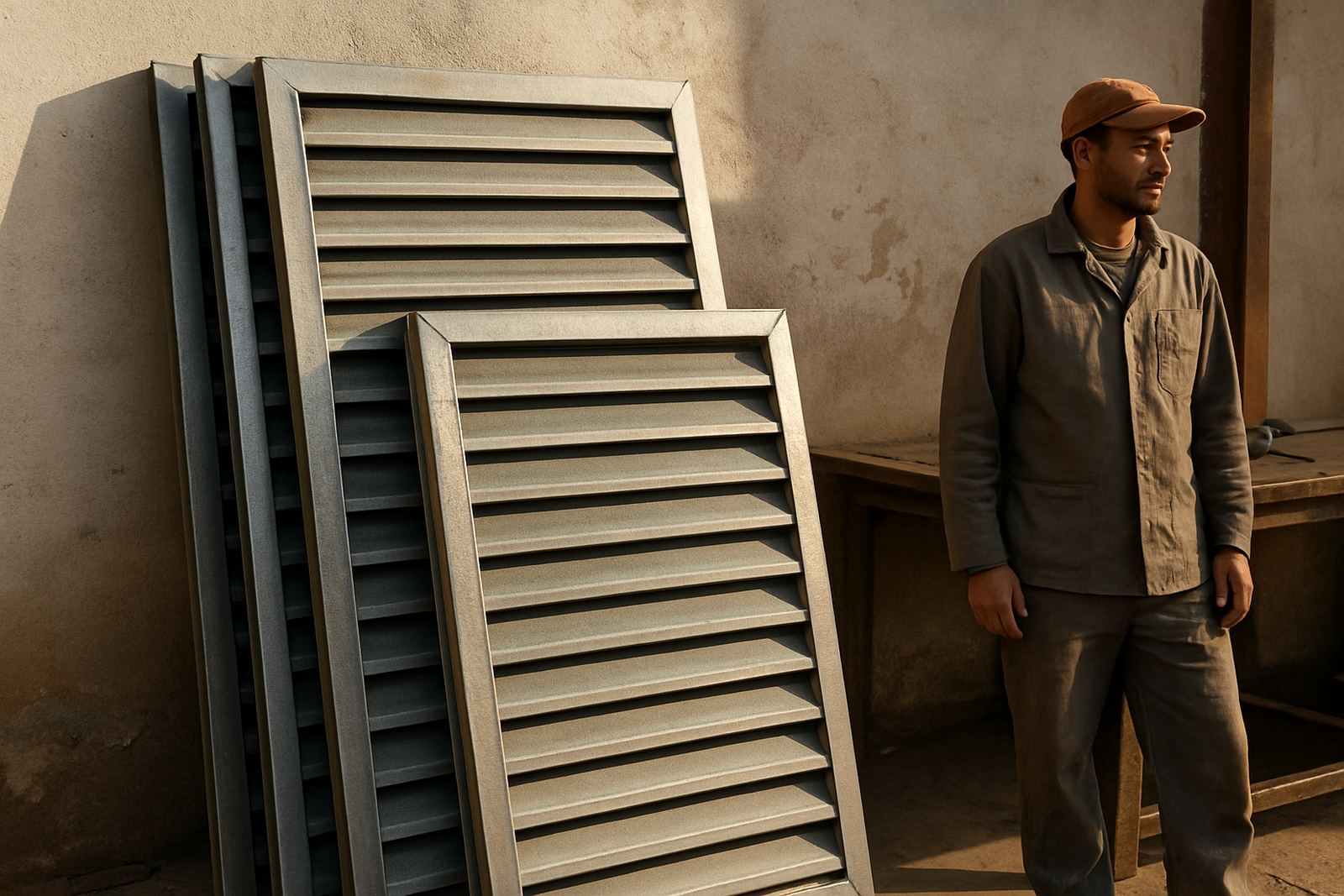
Louvre panels are fixed or removable metal panels with angled blades that let air pass through while helping to keep out driving rain, larger debris and direct sun. In plain terms, they help a building breathe without leaving a big open gap in the wall or gable. That matters in sheds, pump rooms, plant rooms, feed stores and light industrial units where heat and stale air build up quickly.
In the southern Cape, ventilation is not a luxury. Steel buildings can trap heat on a hot day and moisture on a damp morning, especially near the coast. Properly made louvre panels help reduce condensation, improve comfort for staff and protect stored goods, tools and electrical gear. They also look tidier than ad hoc openings or mesh tacked on later.
We supply and fit metal louvre panels for new buildings and for upgrades to existing walls, doors and gables. If the opening needs to match a roof line, a framed wall bay, or a service room with limited space, we can size the panel to suit rather than forcing a standard panel into the wrong spot.
Sizes, blade depths and finish options
Louvre panels are usually made to order because the opening size, airflow needs and fixing method vary from site to site. Typical panel widths range from about 300 mm up to 2 400 mm per panel, with larger runs built from multiple sections. Heights can be matched to the opening, from small service vents to full gable-mounted banks. Blade depth and spacing also affect how much air passes through and how well the panel sheds rain.
For most local jobs we use galvanised steel, with heavier sheet where the panel is exposed to wind or handling. On coastal sites around Mossel Bay, Hartenbos and Great Brak River, a galvanised finish is usually the practical starting point, and we can advise on extra coating where the environment is hard on metal. For workshop and agricultural use, a simple durable finish is often better than a delicate surface that needs constant attention.
We can fabricate panels with loose or fixed blades depending on the job. Fixed-blade panels are common for wall ventilation and plant rooms. Removable or access-style panels may suit service openings where maintenance staff need periodic entry. If the panel forms part of a bigger cladding layout, we can line up the profile and fixings so it sits neatly with the rest of the wall.
Where louvre panels suit best
Louvre panels are used where fresh air is needed but a fully open wall would be a problem. That includes generator rooms, compressor enclosures, small pump houses, washing areas, tool stores and certain farm buildings. They are also used in workshops where fumes, heat and dust need a controlled escape path.
On farms and smallholdings, louvre panels are often fitted to machinery sheds, feed rooms and storage rooms that need cross-ventilation. In town, they suit light industrial buildings, storerooms and utility spaces where natural airflow can reduce reliance on mechanical extraction. If the building sits in a windy spot, the blade angle and fixing detail become important, because the panel must not rattle or leak at the first storm.
When we look at a site, we check how the panel will work with the rest of the building: roof pitch, wall cladding profile, rain exposure and access for cleaning or future repairs. If the opening faces the prevailing weather, we may suggest a deeper blade section or an additional cover detail over the top edge.
Installation details and what the site needs
Correct installation matters as much as the panel itself. A louvre panel must be framed properly, fixed square and sealed where it meets the wall or support steel. If the frame is out by even a few millimetres, the panel can twist, leave gaps or vibrate in wind. We measure on site before fabrication where possible, then allow for fixing clearances, overlapping trim and the actual wall condition.
Most panels do not need power or gas to function. They work as passive ventilation openings, so there are no running costs tied to the panel itself. That said, if the opening is part of a plant room or enclosed service area, the client should check whether any equipment inside still needs powered extraction, heat clearance or fire compliance. We can work around vents, louvres and access points, but the overall building setup must still make sense for the use of the room.
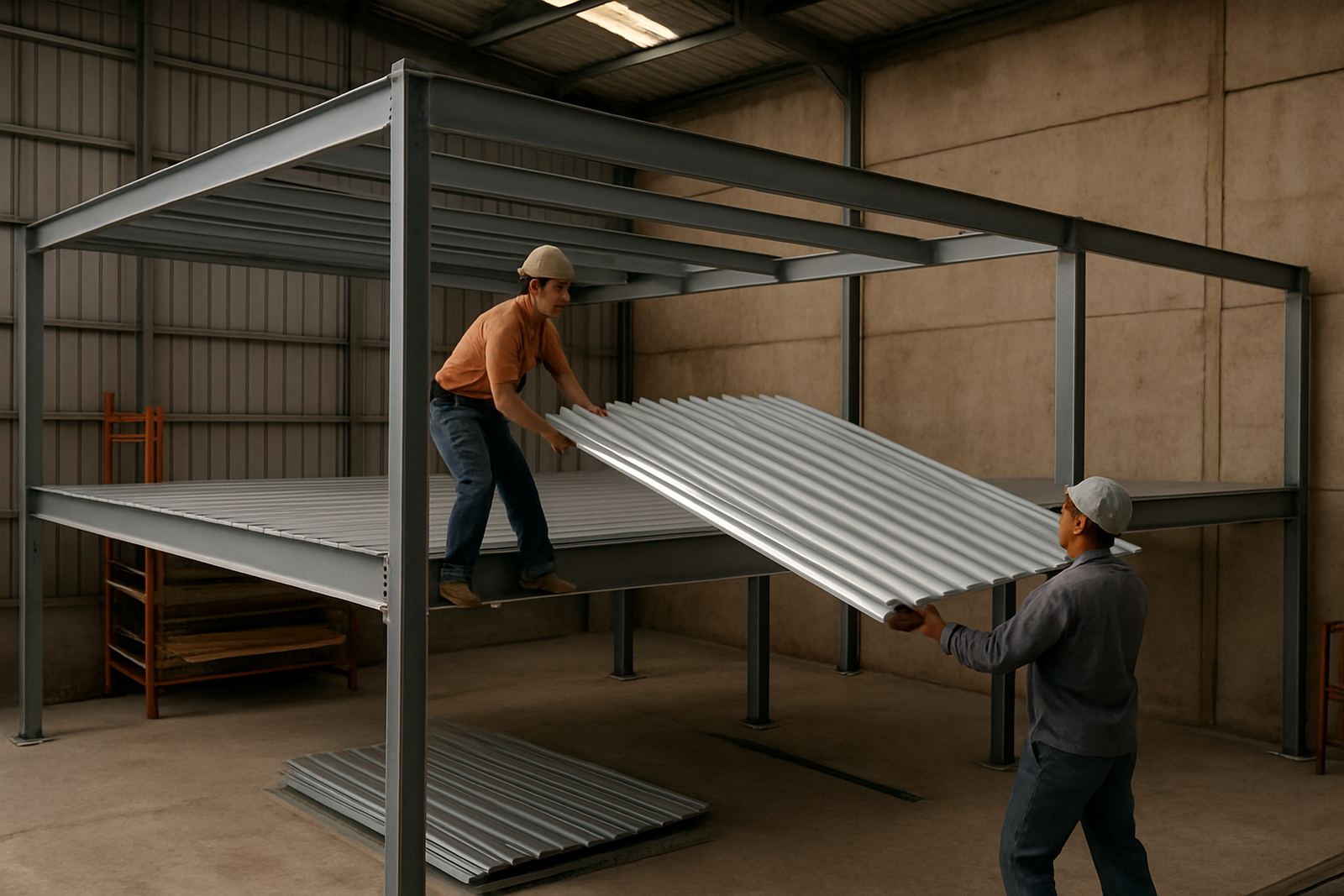
For safety and longevity, we recommend that panels are fitted with corrosion-resistant fasteners and checked after the first windy season. On coastal sites, salt in the air can work its way into any weak fixing point. If the panel is large, a second set of hands and proper lifting care are needed during fitment to avoid bending the blades or marking the finish.
Care, cleaning and servicing over time
Louvre panels are simple to maintain, but they do need a bit of attention. Dust, spider webs, leaves and salt residue can collect on the blades and reduce airflow. A light wash with clean water and a soft brush is usually enough. Where the building is near the sea or a dusty yard, it helps to include the panels in a regular inspection routine along with gutters, flashings and roof sheets.
If a panel starts to squeak, vibrate or rust at the fixings, it should be checked before the problem spreads. Small touch-ups on damaged coating can save the panel from early corrosion. In workshop settings, it is also worth checking that stored items are not blocking the inside face of the opening. An excellent louvre panel cannot work if pallets, drums or equipment are stacked right against it.
We also advise looking at the panel after heavy weather. A strong wind event, hail or a loose item from the roof can dent the blades or shift the frame slightly. If the panel has been installed into a wall that moves or flexes, the fixings may need tightening. Maintenance is usually quick, which is one reason these panels are used so widely.
What to check before you order a panel
Before ordering, it helps to have a clear idea of the opening size, the purpose of the panel and the site conditions. A panel for a warm utility room in Mossel Bay may not need the same blade arrangement as a farm store near George or a workshop in Sedgefield. We usually ask for the wall type, the opening measurements, the exposure to rain and wind, and whether the panel must be removable later.
It is also worth checking the surrounding structure. A louvre panel fitted into cladding needs different edge treatment to one fixed into brick or a steel frame. If there is an existing opening, we may need photographs and a quick site check to see whether the opening is square and sound. It saves time to know if there is enough room for a frame, sill or top trim, and whether the panel must line up with existing roof sheets or wall sheets.
J&E Sheet Metal works across Mossel Bay, Hartenbos, Great Brak River, George, Wilderness and Sedgefield, so we are used to local site conditions, from salty air to changing wind. If you need louvre panels for a new build or a replacement opening, send through the opening size and a few pictures, and we can help you plan the right fit from the start.
Key facts
| Product type | Metal louvre panels for ventilation openings |
|---|---|
| Standard material | Galvanised steel |
| Typical panel width | 300 mm to 2 400 mm per panel |
| Height | Custom to opening |
| Blade option | Fixed blade or removable panel |
| Best use | Utility, workshop and farm buildings |