What a spreader box does on a roof drainage run
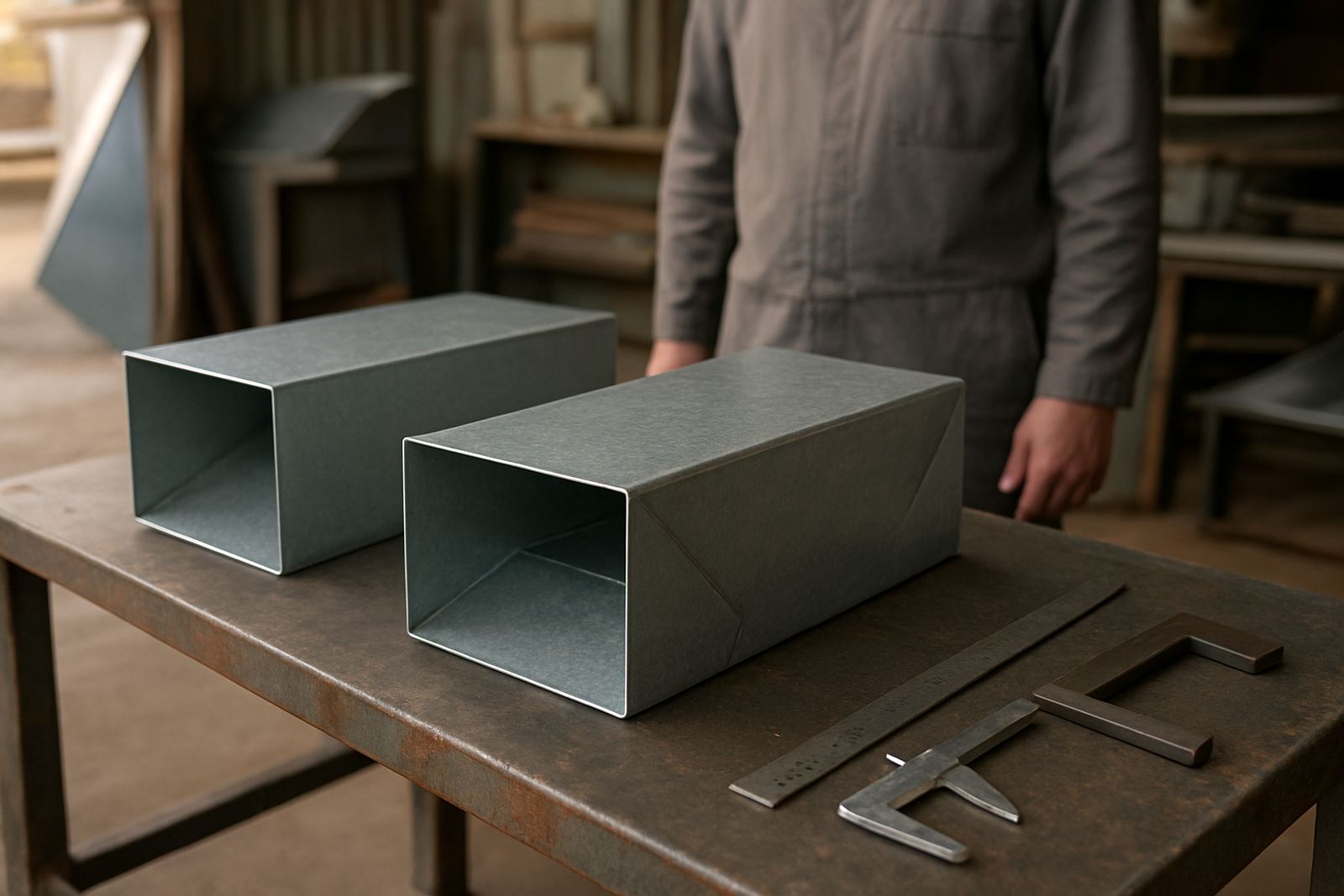
A spreader box is a small sheet metal chamber fitted into a gutter or downpipe line to take water from one point and spread it across two or more outlets. Instead of forcing heavy rain through a single drop point, the box slows the flow and directs it where the drainage design allows. That helps on wide roofs, multi-bay structures and buildings where the gutter layout needs a bit more control.
In Mossel Bay, Hartenbos and along the southern Cape, wind driven rain can move quickly across a roof face. A well made spreader box helps manage sudden flow changes during summer storms, and it can also reduce splash back at outlets. On coastal sites, we usually recommend materials and fixings that cope better with salty air and regular moisture.
- Used between a roof drain and two or more gutter paths
- Helps reduce bottlenecks at one downpipe
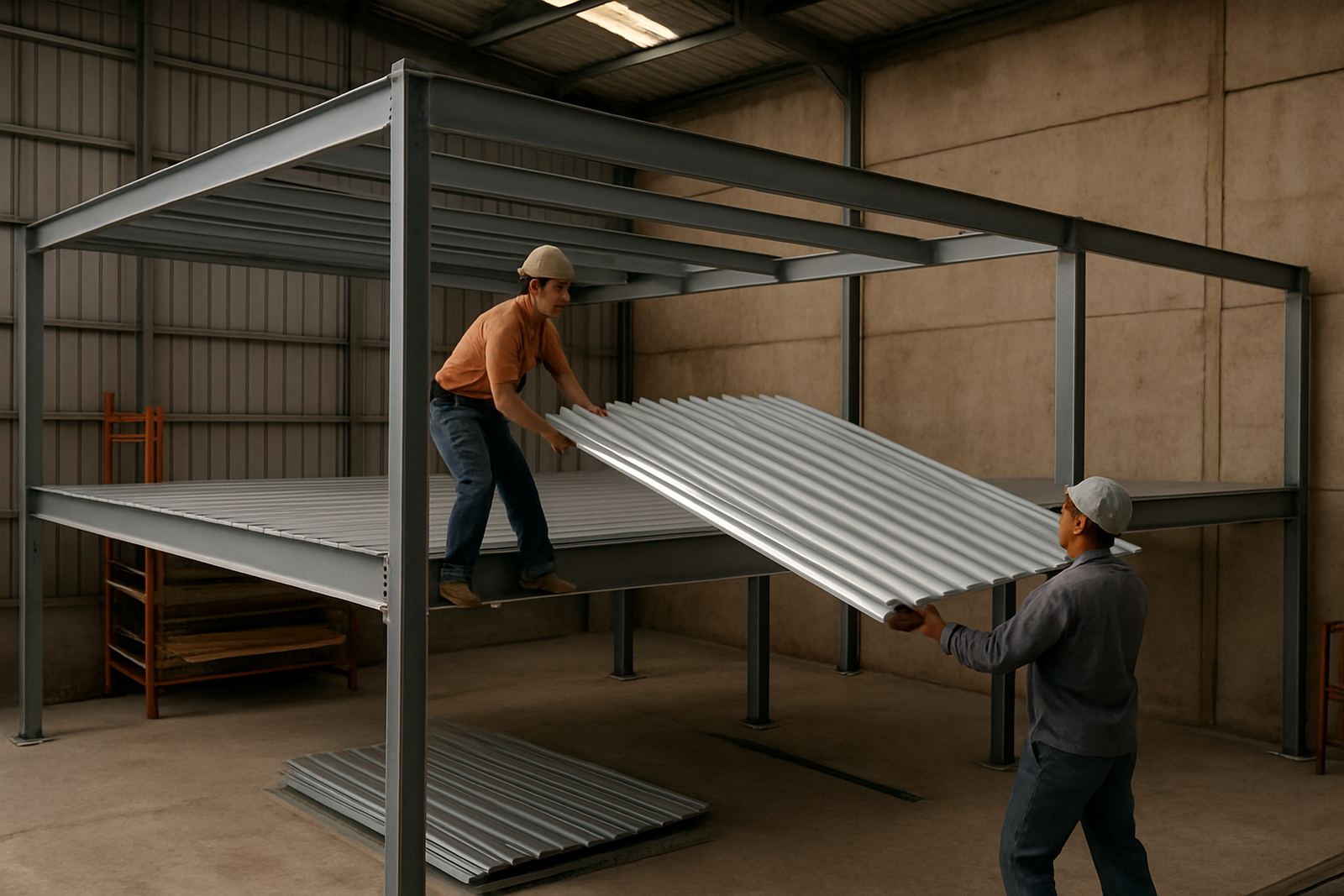
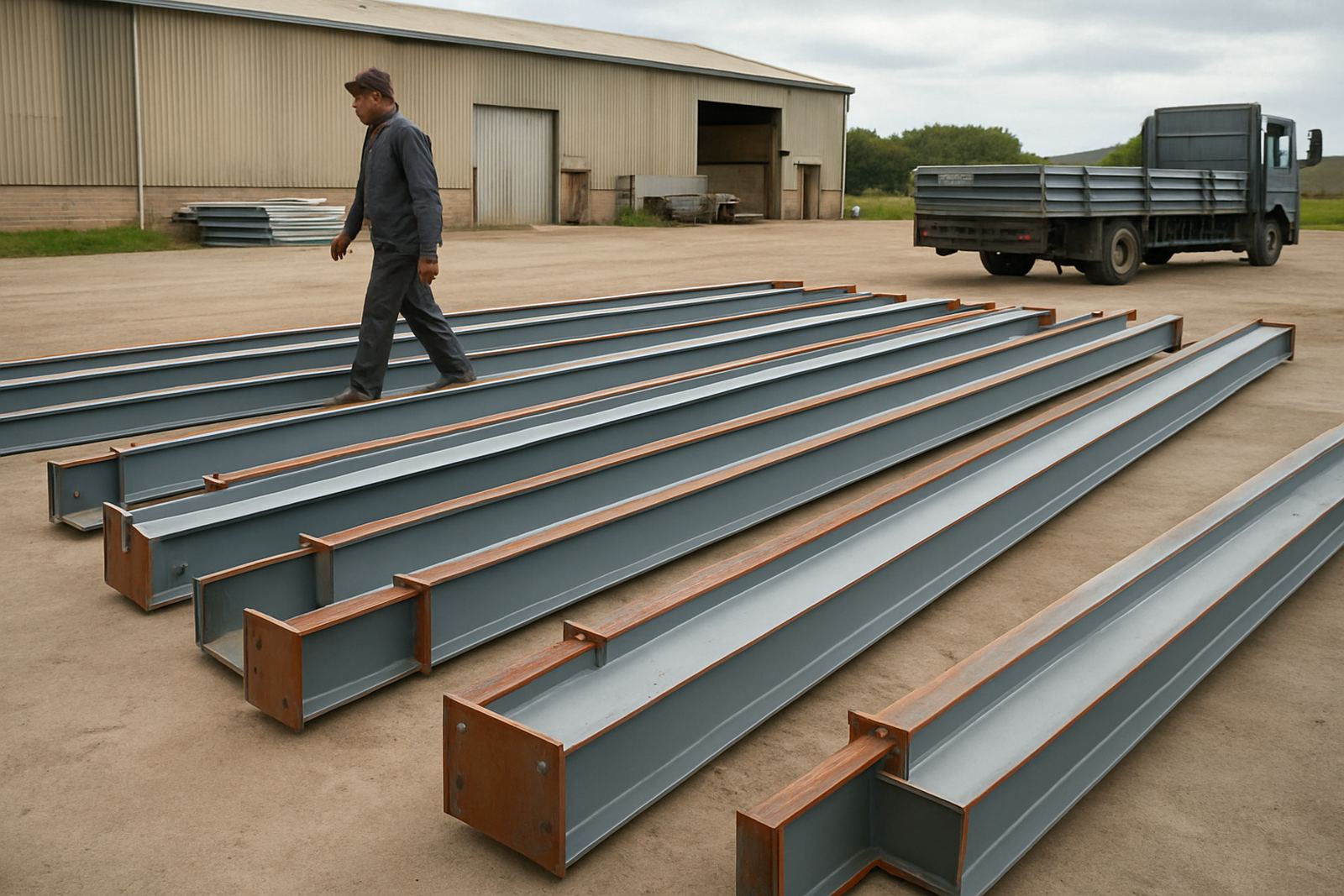
- Useful on steel buildings, carports and long commercial roofs
- Can be matched to new work or retrofit work
Common sizes, materials and outlet options
We make spreader boxes to suit the roof and gutter size on site, not the other way around. Common body sizes start at about 250 x 250 x 200 mm for lighter duty work and go up to 450 x 450 x 300 mm or larger for bigger roof areas. Wall thickness is usually selected to match the exposure and the expected water load.
For most local installations we use galvanised sheet steel, but in more exposed coastal conditions we can make them from heavier gauge material or add a more suitable finish. Outlet positions can be set on two opposite sides, three sides, or in a straight through arrangement depending on where the guttering sits. If the roof line is irregular, we can shape the inlet and outlet offsets to suit the pitch and fall.
- Body sizes: 250 x 250 mm, 300 x 300 mm, 350 x 350 mm, 450 x 450 mm and custom
- Material options: galvanised steel, coated sheet, stainless steel where specified
- Gauge options: 0.8 mm, 1.0 mm or heavier for exposed sites
- Outlet styles: round, square, offset, side discharge or twin outlet
Where spreader boxes suit best
These boxes are not only for large industrial roofs. They suit carports, storage sheds, workshop roofs, small factories and estate buildings where water needs to be shared between gutters or discharged at controlled points. They are also handy where a long roof run would otherwise overload one end during hard rain.
On properties in George, Wilderness and Sedgefield, we often see mixed roof layouts with different heights and short return sections. A spreader box can help tie those sections together without forcing an awkward pipe run across a wall. They are also useful where municipal drainage rules or site layout limit the place a downpipe can go. If the gutter has to avoid a doorway, driveway or boundary line, the box gives some flexibility.
- Long roof spans with several drainage points
- Carports and lean-to roofs with low front edges
- Buildings where downpipes must stay clear of access routes
- Sites with limited space near boundary walls
Installation notes and what the box needs on site
Spreader boxes are passive fittings, so they do not need power or gas to work. They only need correct positioning, good falls and proper sealing. The roof and gutter line must be measured first, because even a small error in height can leave one outlet carrying too much water while the other sits dry. For that reason we prefer to survey the site before fabrication.
Installation normally involves fixing the box to the roof drainage line, sealing the inlet and outlet joins, then checking that the discharge points have enough fall to move water away. On some jobs we also add leaf control or a small access point for cleaning. If the building is in a windy area or close to the sea, the fixing method must account for movement and corrosion, not just the shape of the box.
- No electricity or gas required
- Requires correct slope and secure fastening
- Best fitted with matching gutter and downpipe sizes
- Sealant and fixings must suit outdoor roof use
Care, cleaning and service intervals
Like gutters, spreader boxes need basic cleaning to keep them working properly. Leaves, sand and roof grit can settle inside the chamber, especially after summer wind or after nearby tree shedding. If the outlet starts to choke, water can back up into the roof edge and cause staining or overflow at the wrong point. A quick check before the heavy rain season is usually worth the effort.
On coastal roofs we recommend regular inspection for rust spots, loose fasteners and seal wear. If the building sees salty mist or constant dampness, the fittings may need earlier attention than inland work. A box that looks fine from ground level can still have build up inside, so a proper service means opening the line and checking the flow path. Small faults are cheaper to sort early, rather than after a storm.
- Check for leaf build up and nesting material
- Look for rust, peeling coating or loose seams
- Test the flow after first rain and after service work
- Replace damaged seals before they split further
What to check when ordering a spreader box
Before we make a spreader box, we need the roof type, gutter size and the number of outlets it must feed. It also helps to know whether the box sits on a new steel structure, a carport, or an existing roof that already has stain marks or leak points. If a site is in Gouriqua Park, Mossel Bay or one of the nearby branches we cover, we can often measure first and avoid guesswork.
Please have the measurements ready if you are sending an enquiry. If you are not sure, we can still work it out from site photos and a visit, then confirm the final sizes before fabrication. The more accurate the opening sizes and fall direction, the better the box will perform once rain starts. That saves time and avoids a return trip later.
- Roof type and pitch
- Gutter width and downpipe size
- Number of outlets needed
- Material preference and exposure to coastal air
- Whether the box is new work or a replacement
Built for local steel roofing and gutter work
J&E Sheet Metal has worked from Gouriqua Park in Mossel Bay since 2013, serving Mossel Bay, Hartenbos, Great Brak River, George, Wilderness and Sedgefield. Spreader boxes are part of the same practical roof drainage work we do every day, alongside flashings, gutters, cladding and steel structures. On a building with a tricky roof line, the drainage details matter just as much as the sheet metal above it.
When the box is made to the right size and fixed properly, it becomes a quiet part of the system that just does its job. There is no moving mechanism, no power requirement and no fuss, only a controlled path for storm water. That is often what a coastal roof needs most: less surprise, more control.
Key facts
| Product type | Custom sheet metal spreader box for roof drainage control |
|---|---|
| Standard body sizes | 250 x 250 x 200 mm to 450 x 450 x 300 mm, custom sizes available |
| Material options | Galvanised steel, coated sheet steel, stainless steel |
| Thickness options | 0.8 mm, 1.0 mm and heavier on request |
| Outlet configurations | Single, twin, opposite-side, offset or side discharge |
| Service area | Mossel Bay, Hartenbos, Great Brak River, George, Wilderness and Sedgefield |