What a ridge capping does on a roof
A ridge capping is the metal cover fitted along the highest line of a pitched roof where two roof slopes meet. Its job is simple but important. It closes the joint at the roof peak, directs water away from the gap, and gives the finished roof a neat straight line. On houses, workshops, farm sheds and light industrial buildings, this detail makes a visible difference and helps reduce leak points near the top of the roof.
In coastal areas like Mossel Bay, Hartenbos and Great Brak River, roof peaks take a fair amount of punishment from wind, rain and salt in the air. A ridge capping that is made to suit the roof pitch and sheet profile will sit properly and last better. If the ridge is too short, too loose, or not fixed correctly, water can work its way in under the sheets, especially during strong south-easterly weather.
Sizes, profiles and finish options we make
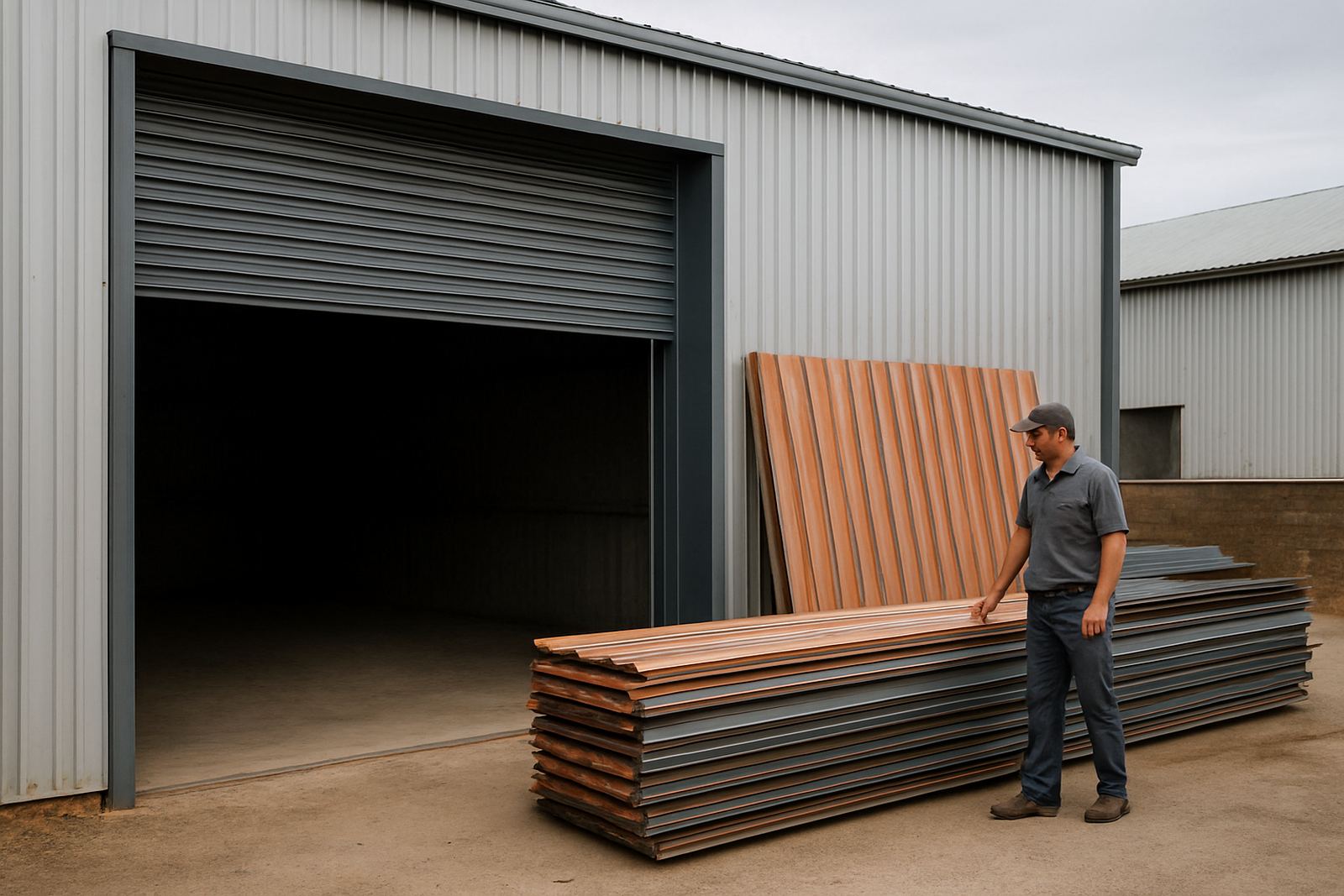
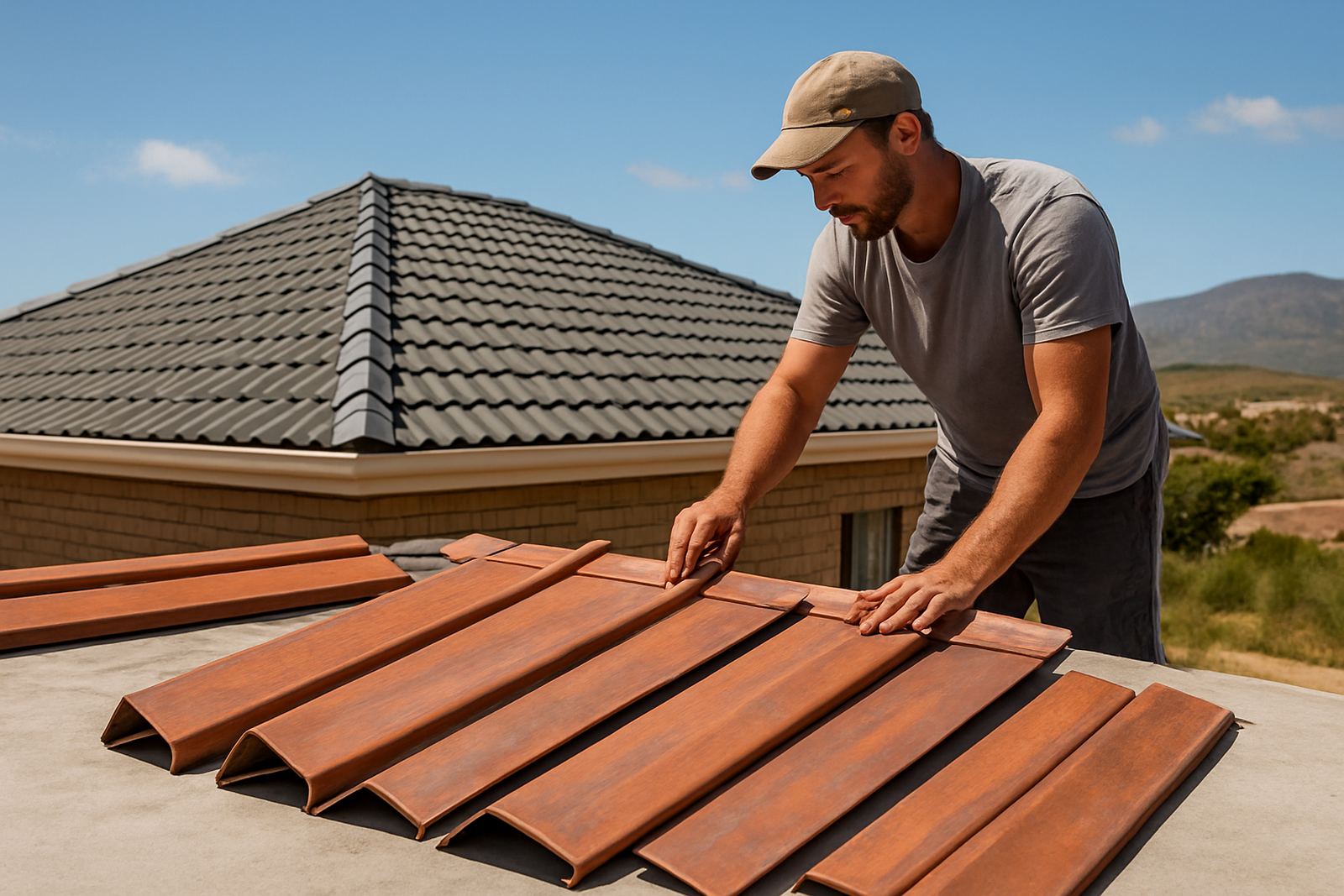
Ridge cappings are made to suit the roof, not the other way around. That means we measure the roof pitch, check the sheet profile and allow for overlaps before fabricating the capping. Most ridge cappings are supplied in practical lengths for easier handling on site, then lapped and fixed with proper seal detail. Common lengths are 2.4 m and 3.0 m, but the final size depends on the roof layout and access.
We can make ridge cappings for simple pitched roofs, wider spans, and roofs with matching barge or apron flashings. Material choice depends on the building use and environment. In salty coastal air, a suitable coated steel or zinc-aluminium sheet is usually preferred. For workshops and steel buildings, the ridge can be made to match the roof sheeting colour and thickness so the line looks consistent across the full roof.
- Made to suit the roof pitch and sheet profile
- Available in plain or colour-coated sheet options
- Can be made with wider covers for extra overlap
- Suitable for houses, sheds, carports and industrial roofs
Where ridge cappings work best
Ridge cappings suit any pitched roof where two slopes meet at the top. They are common on carports, factory roofs, storage sheds, agricultural buildings, outbuildings and domestic homes. In the southern Cape, they are often used where roofs need to cope with heavy rain bursts, gusty wind and regular maintenance access.
They are also useful where a building has different roof sections meeting at one peak, or where a clean edge is needed for a tidy finish over a long roof line. On older roofs, replacing a damaged ridge can help sort out recurring leaks without replacing the full roof. That said, if the roof sheets have already rusted through or the fasteners have lifted, the ridge capping alone will not solve the problem. It should form part of a proper roof assessment.
- Domestic pitched roofs
- Steel frame sheds and workshops
- Carports and covered walkways
- Farms, storage buildings and light industrial units
How we install ridge cappings on site
Installation starts with accurate measuring. The ridge must follow the roof line properly and allow for sheet overlap, end closures and seal points. Our team checks the roof pitch, the condition of the existing sheets, and whether extra repairs are needed before fixing the capping. That helps avoid a situation where the ridge is fitted neatly but the roof underneath is already failing.
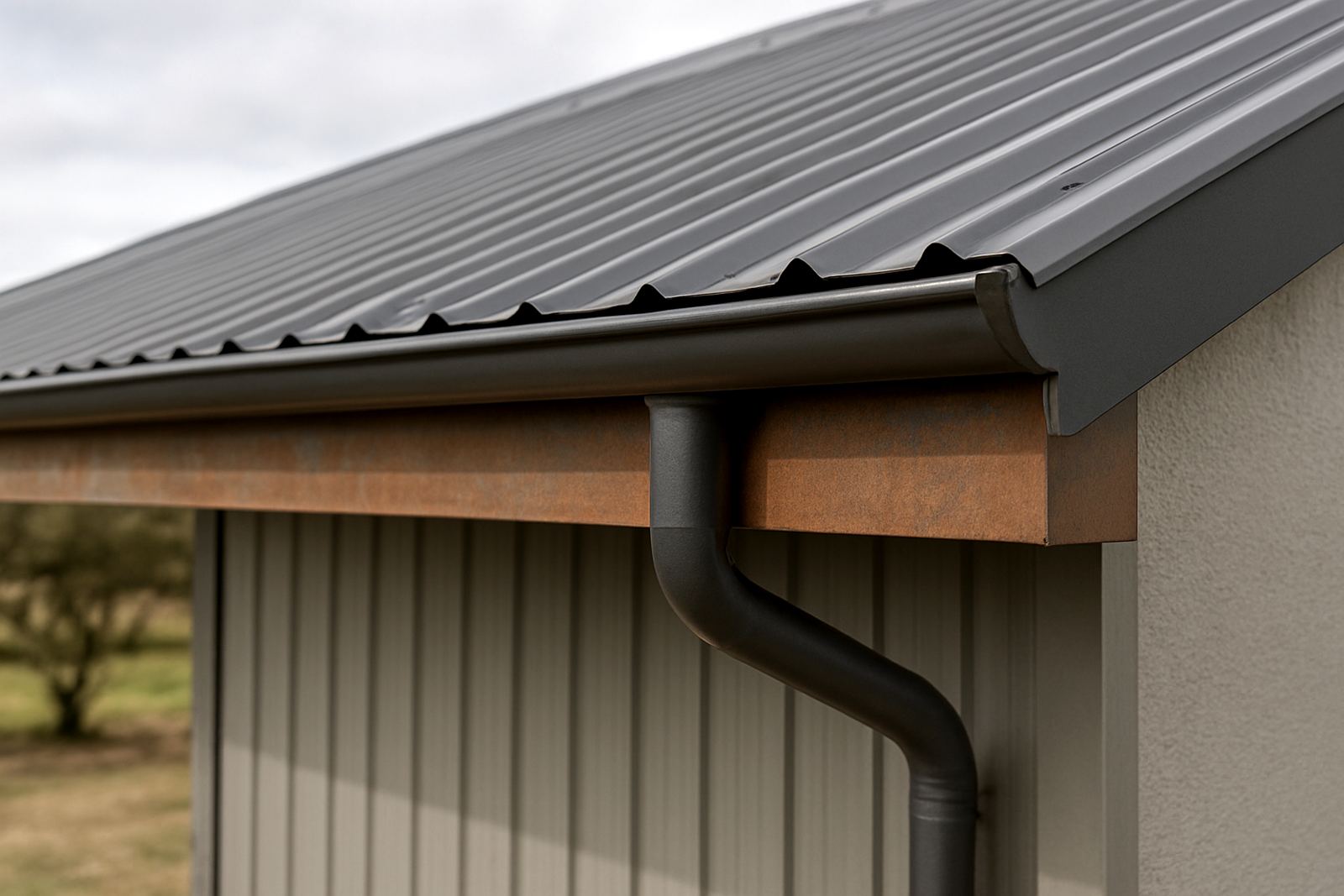
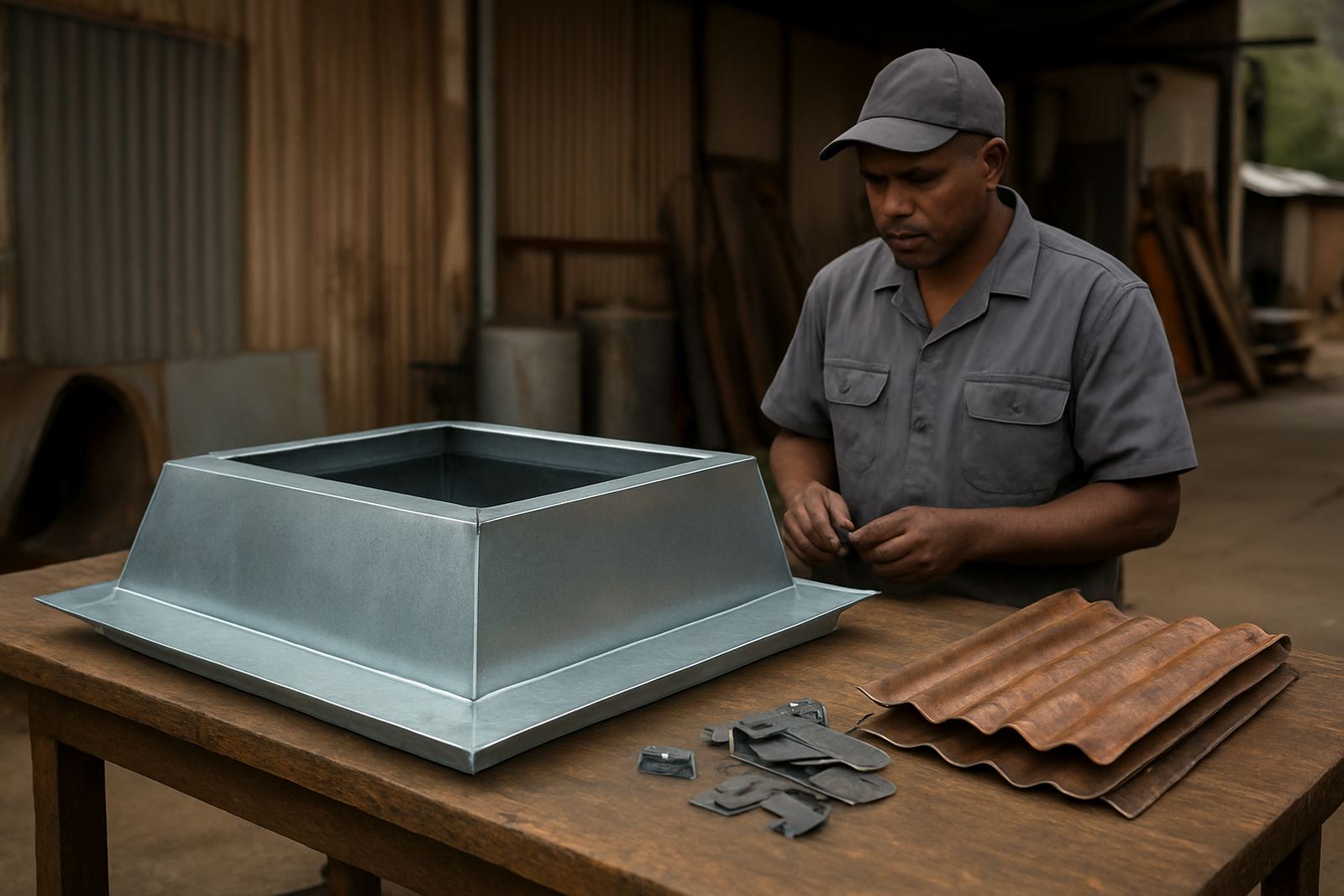
Ridge cappings are fixed using suitable fasteners and sealing methods for the roof type. On windy coastal sites, fixing points need to be spaced correctly so the capping stays put. Where needed, we can coordinate the ridge with custom flashings, gutter work or roof sheet repairs at the same time, which saves repeat callouts and reduces disruption on site.
- Site measuring before fabrication
- Checked for roof pitch and profile match
- Fixed with suitable fasteners and seals
- Can be installed alongside leak repairs or new roofing
Power, gas and access needs during installation
Ridge capping work itself does not usually need power or gas, but the site conditions matter. For cutting, drilling and fixing on higher roofs, we may need safe access, ladder points or scaffolding depending on the height and slope. If the roof area is large or the ridge is long, it helps to plan around weather and wind, because strong gusts can make sheet handling risky.
Where repairs are being done at the same time, having power on site can help with tools and lighting, especially during load-shedding periods or early starts. Gas is normally not required for standard ridge capping installation, unless other metalwork on the same job calls for it. We always look at the practical side first, because a roof job in Mossel Bay weather can change quickly, and no one wants sheets shifting about in the wind.
Care, servicing and what to check when ordering
Ridge cappings do not need much day-to-day attention, but they should be checked during regular roof inspections. Look for loose fixings, lifted overlaps, seal failure, dents from debris and signs of rust at joints. In coastal towns, it is a good idea to inspect roof peaks after stormy weather, since salt and wind can shorten the life of fixings if they are left unchecked.
When ordering ridge cappings, have the roof pitch, roof sheet profile, total ridge length and preferred finish ready. If possible, send photos from ground level and from inside the roof space. Also check whether the ridge needs to cover existing damage, whether there are vents or penetrations nearby, and if the roof needs matching flashings. A small measuring mistake can lead to gaps, so better to confirm twice than to patch later.
- Check ridge length from end to end
- Confirm roof pitch and sheet profile
- Tell us if the roof is new or already leaking
- Ask for matching flashings or seal detail if needed
Key facts
| Product | Custom ridge cappings for pitched roofs |
|---|---|
| Material options | Coated steel or zinc-aluminium sheet, depending on exposure and use |
| Typical lengths | 2.4 m and 3.0 m practical sections, with made-to-measure options |
| Common applications | Homes, carports, workshops, sheds and light industrial roofs |
| Installation method | Measured, fabricated, overlapped and fixed with suitable fasteners and seals |
| Service area | Mossel Bay, Hartenbos, Great Brak River, George, Wilderness and Sedgefield |