What Roof Ridging Does on a Metal Roof
Roof ridging closes the top line where two roof slopes meet. On a pitched metal roof, it keeps rain, wind-driven spray, dust and nesting gaps out of the roof apex while giving the roof a neat finish. It is one of those parts that looks simple but has to be made and fixed properly, because the ridge takes a lot of wind pressure and sees the first signs of movement when a roof starts ageing.
In the Mossel Bay area, ridging has to cope with coastal humidity, salt air and hard winds off the bay. If the ridge is too short, badly lapped or fixed with poor sealing, water can creep in at the top sheets. We make standard and custom ridging to suit many spans, whether the roof is a small carport or a longer steel building with repeated bays.
Sizes, Profiles and Material Options
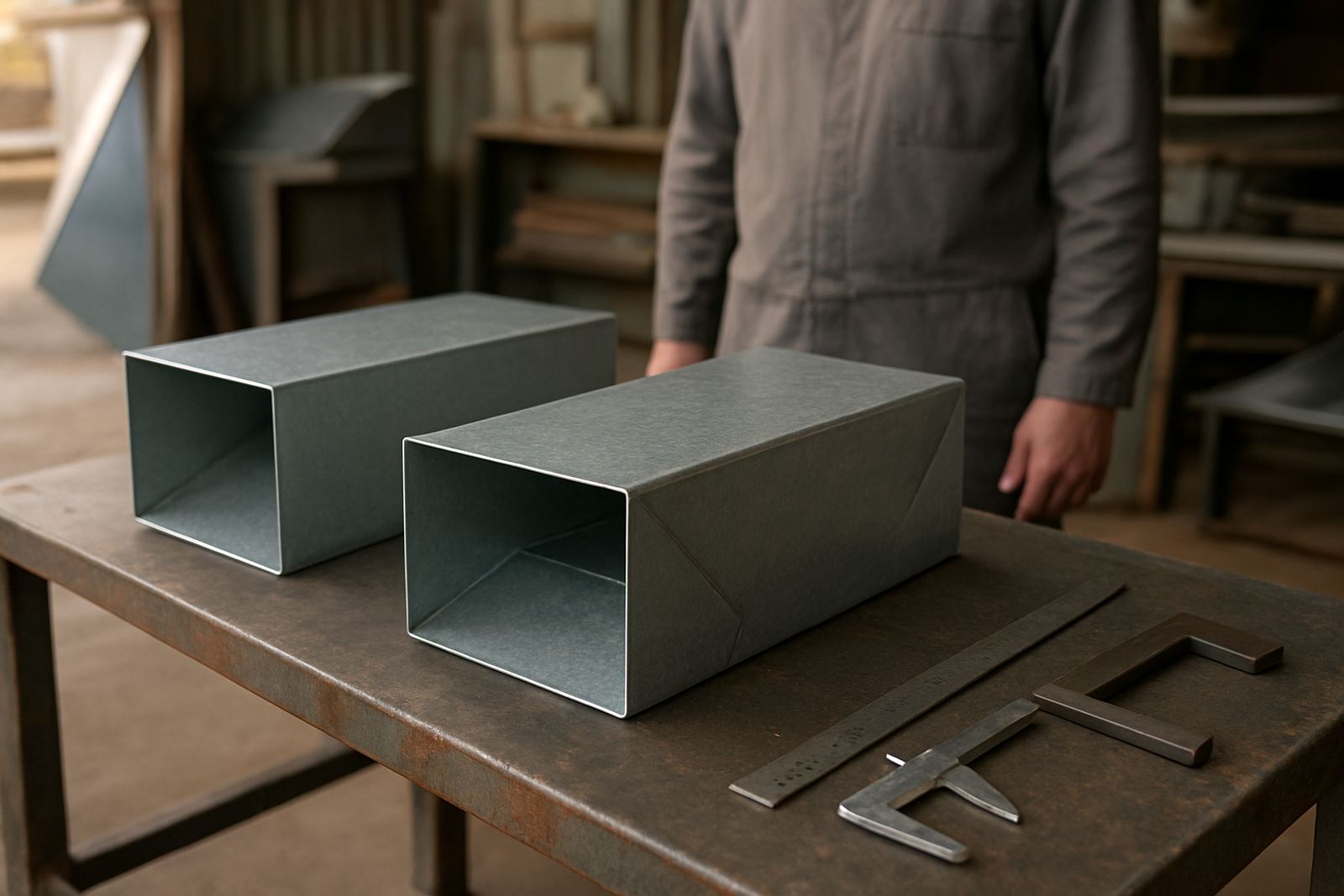
Roof ridging is usually made to match the roof sheet profile and the pitch of the roof. A good ridge follows the roof line cleanly and does not force the sheets into an awkward bend. Depending on the roof, we can make plain ridge capping or shaped ridge sections with turns, stop ends and overlap allowances.
Common options include:
- Standard ridge lengths for repeat spans
- Custom-cut ridging for non-standard roof widths
- Matching flashings for transitions and side abutments
- Pre-bent sections for site-specific roof pitches
- Sheet metal in coated steel or galvanised finish, depending on exposure and budget
For coastal work, material choice matters. Salt exposure can shorten the life of light finishes if the roof is not detailed well. In more inland parts of the southern Cape, a practical coated finish may suit fine, but the fixing method still needs to allow for expansion and movement.
Where Roof Ridging Suits Best
Roof ridging is used on pitched metal roofs across homes, outbuildings and commercial structures. It suits roof ridges on garages, tool sheds, farm buildings, carports, workshops, storage units and lighter steel-frame structures. If the roof has a clear apex, it normally needs a ridge component and the ridge should be shaped for the pitch rather than bent on site in a hurry.
We work with projects in Mossel Bay, Hartenbos, Great Brak River, George, Wilderness and Sedgefield. On exposed stands and seaside sites, ridging should be checked with the rest of the roof package, not treated as an afterthought. A roof can look fine from the ground but still leak at the top line if the ridge profile, overlaps or fasteners are wrong.
- Best for pitched metal roofing with a defined apex
- Useful on new builds, refurbishments and roof repairs
- Works well on structures with long roof runs and repeated spans
- Can be combined with custom flashings, gutters and roof sheet installation
How We Measure, Make and Fit It
We start with site measuring so the ridge is made to the actual roof, not only to a drawing. That matters when the roof has slight deviations, old timber movement or steelwork that has settled over time. Our workshop team prepares the sections and our site crew fits them with the right laps, seal points and fixings for the roof conditions.
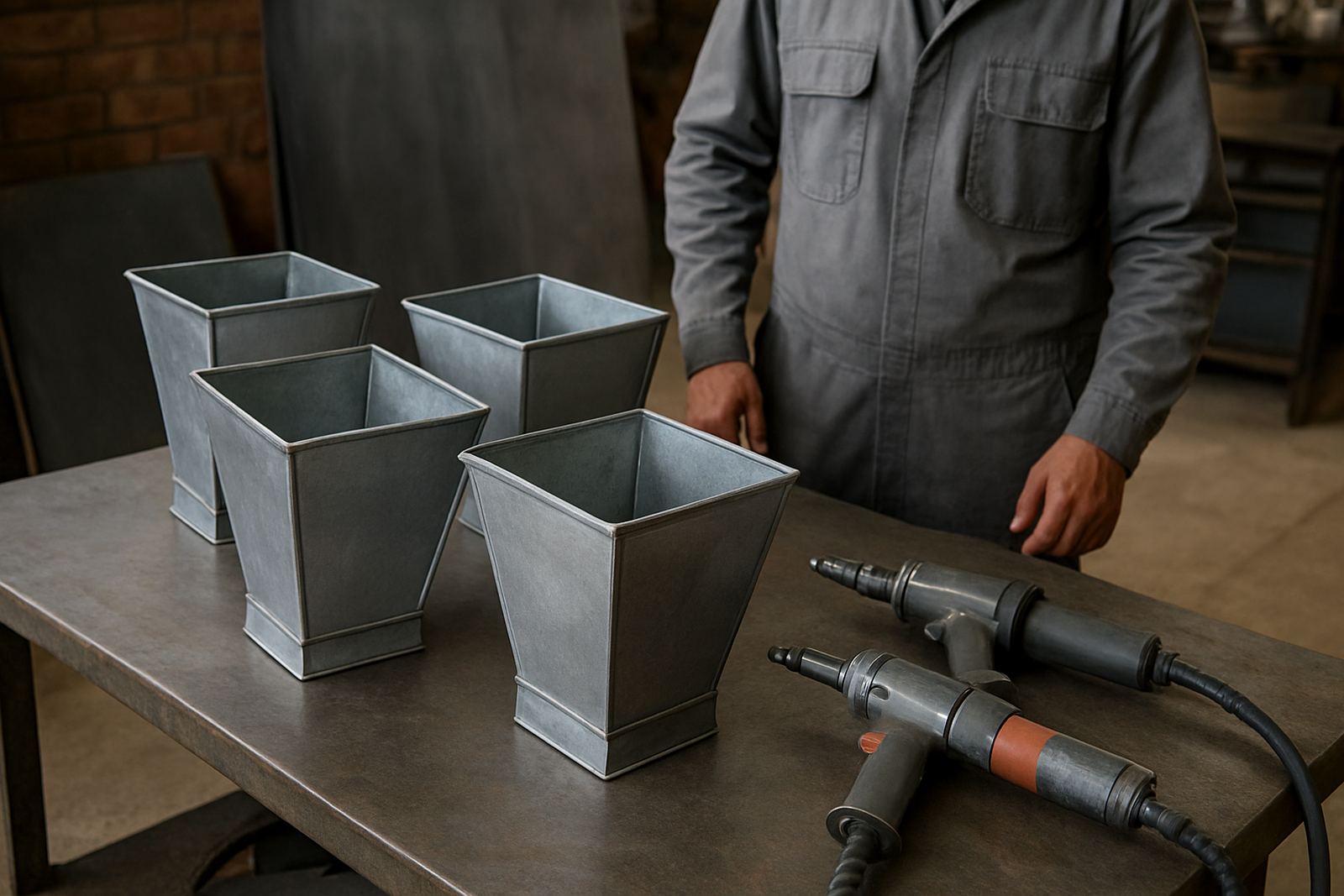
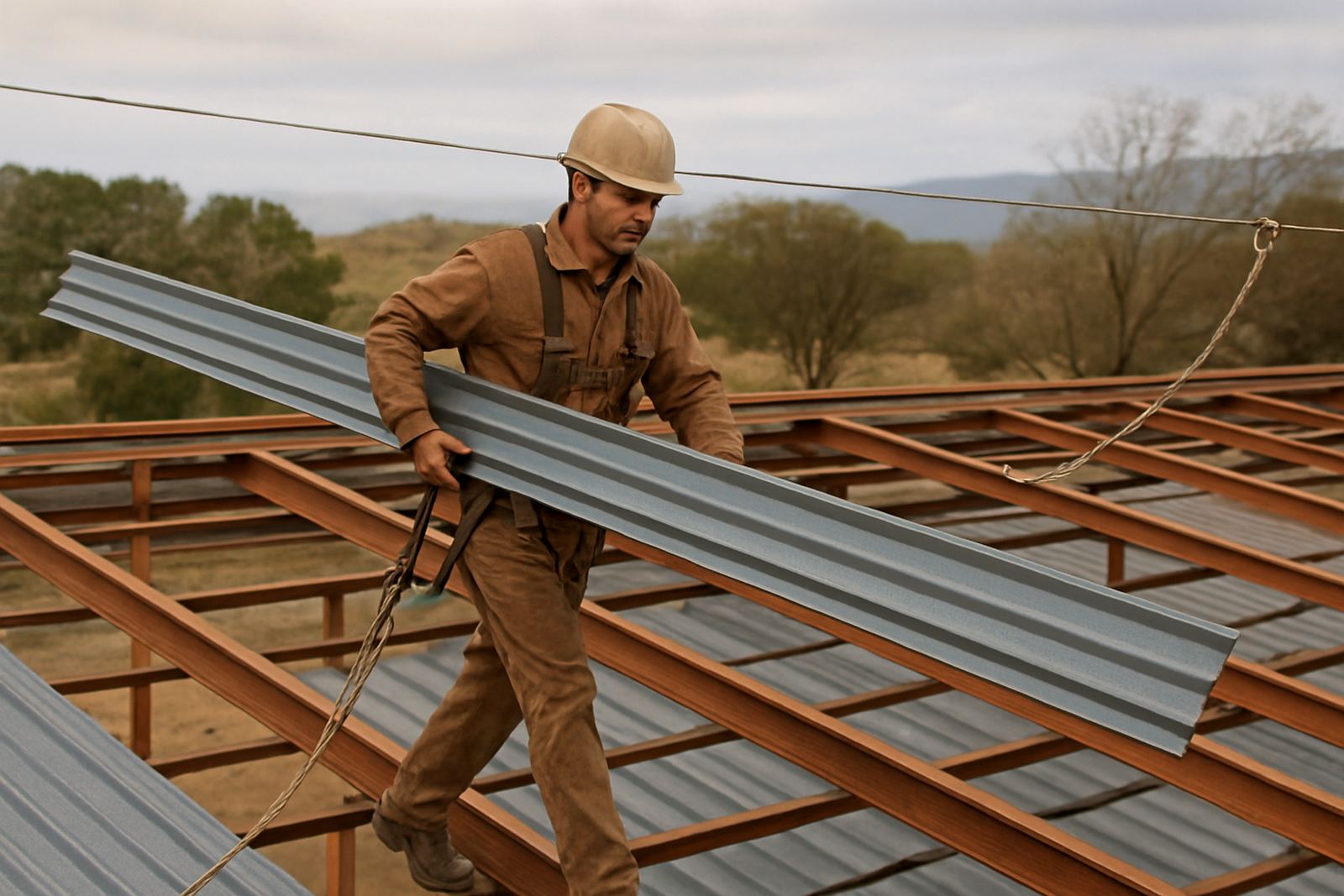
Installation can be done with hand tools and standard site equipment, and no special power supply is usually needed for the ridge itself. On a live site we may use battery tools or generator power if the property has load shedding at the wrong time, which is common in the region. For fixed-work and longer sections, good access is important so the ridge can be handled safely and set out correctly. A rushed lift on a windy day is never a good idea, especialy near coastal edges where gusts can catch the sheet.
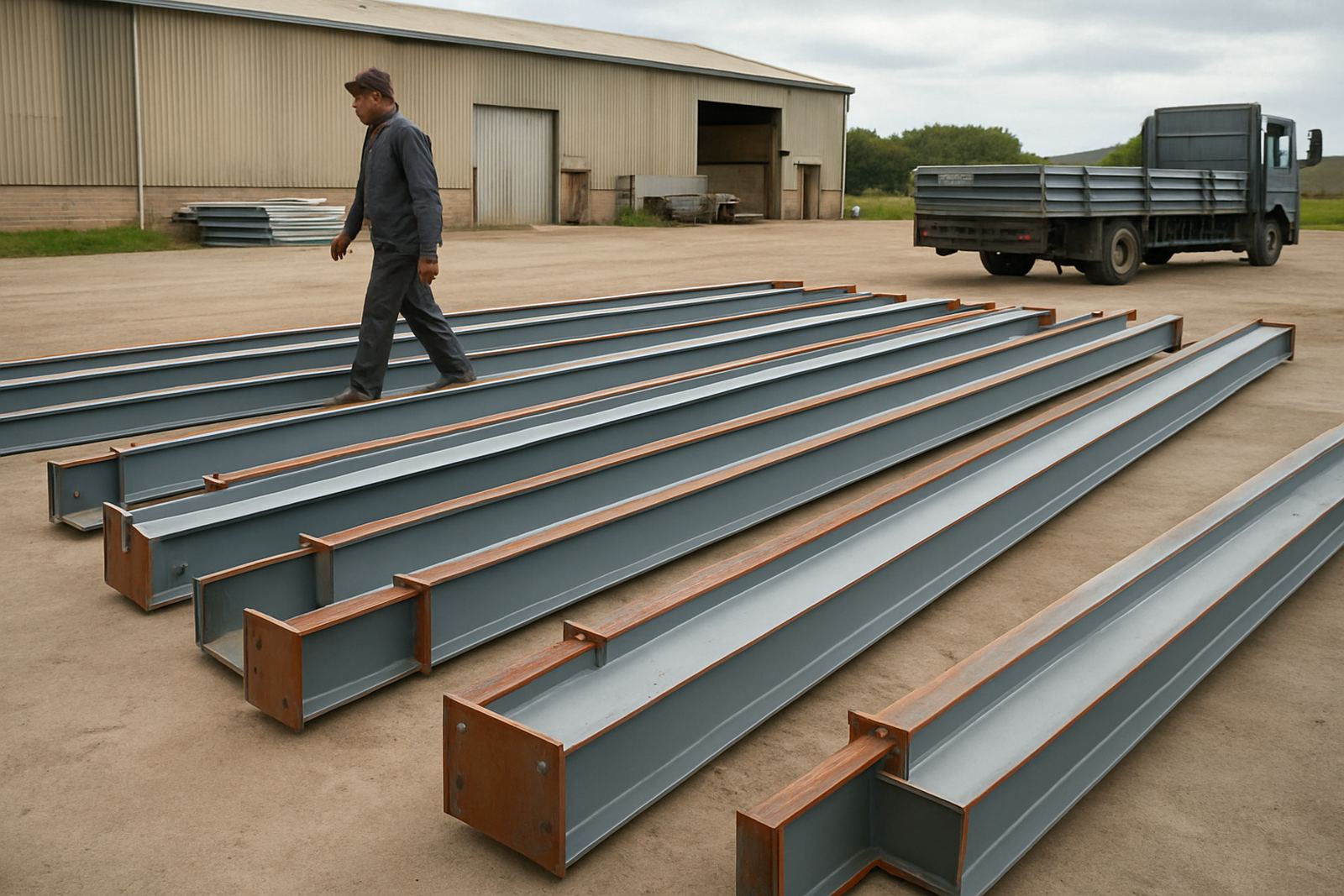
When ridge pieces are long, they must be handled with care to avoid twisting. A twisted ridge will fight the roof line and can leave a visible bow once fitted. We check the apex line, overlap direction, fastener spacing and seal points before final fixing.
What to Check Before You Order
If you are ordering roof ridging, the main thing is to give accurate roof details. The width, pitch and roof sheet profile all affect the finished piece. If you are not sure, a site measure is the safest route. It saves time and avoids making sections that need trimming on the roof, which can leave exposed edges or poor overlaps.
- Roof pitch in degrees or a clear site measurement
- Roof sheet profile and sheet thickness
- Overall ridge length and any joins required
- Colour or finish if the ridge must match the roof sheets
- Whether stop ends, saddle pieces or side flashings are needed
- Exposure to wind, salt air or heavy rain
It also helps to know if the roof is new or existing. On an older roof, the ridge may need to match the current sheet profile, not the original spec on paper. If the roof has leaks at the apex, we will check whether the issue is the ridge, the fixings, or movement in the supporting frame.
Care, Inspection and Long-Term Service
Roof ridging does not need much attention, but it should be checked from time to time. Coastal weather, vibration from strong wind and natural movement in the structure can loosen fixings over years. A good maintenance inspection will pick up seal failure, lifted laps, rust spots or small gaps before they become a leak.
We recommend looking at the ridge after severe wind, after any roof work nearby, and again before winter if the building is exposed. Clear leaves and dirt from the roof line, especially where ridge pieces meet gutters or wall flashings. If the roof coating is scratched, touch-up work should be done sooner rather than later so moisture does not sit on the cut edge.
For a roof that already leaks, we can inspect the ridge together with the rest of the roof system and repair what is needed. Sometimes the fix is a replacement ridge section, sometimes it is a re-seal and new fasteners, and sometimes the problem starts at a flashing beside the ridge. We would rather find the real cause than patch over it twice.
Key facts
| Product type | Standard and custom roof ridging for pitched metal roofs |
|---|---|
| Typical use | Apex closure for homes, sheds, workshops, carports and steel structures |
| Material options | Galvanised steel or coated sheet metal, subject to site conditions |
| Length options | Standard lengths and custom-made sections to suit the roof span |
| Installation | Site measuring, fabrication and fixed installation with matching fasteners and seal points |
| Service area | Mossel Bay, Hartenbos, Great Brak River, George, Wilderness and Sedgefield |