What a roof vent cover does on a metal roof
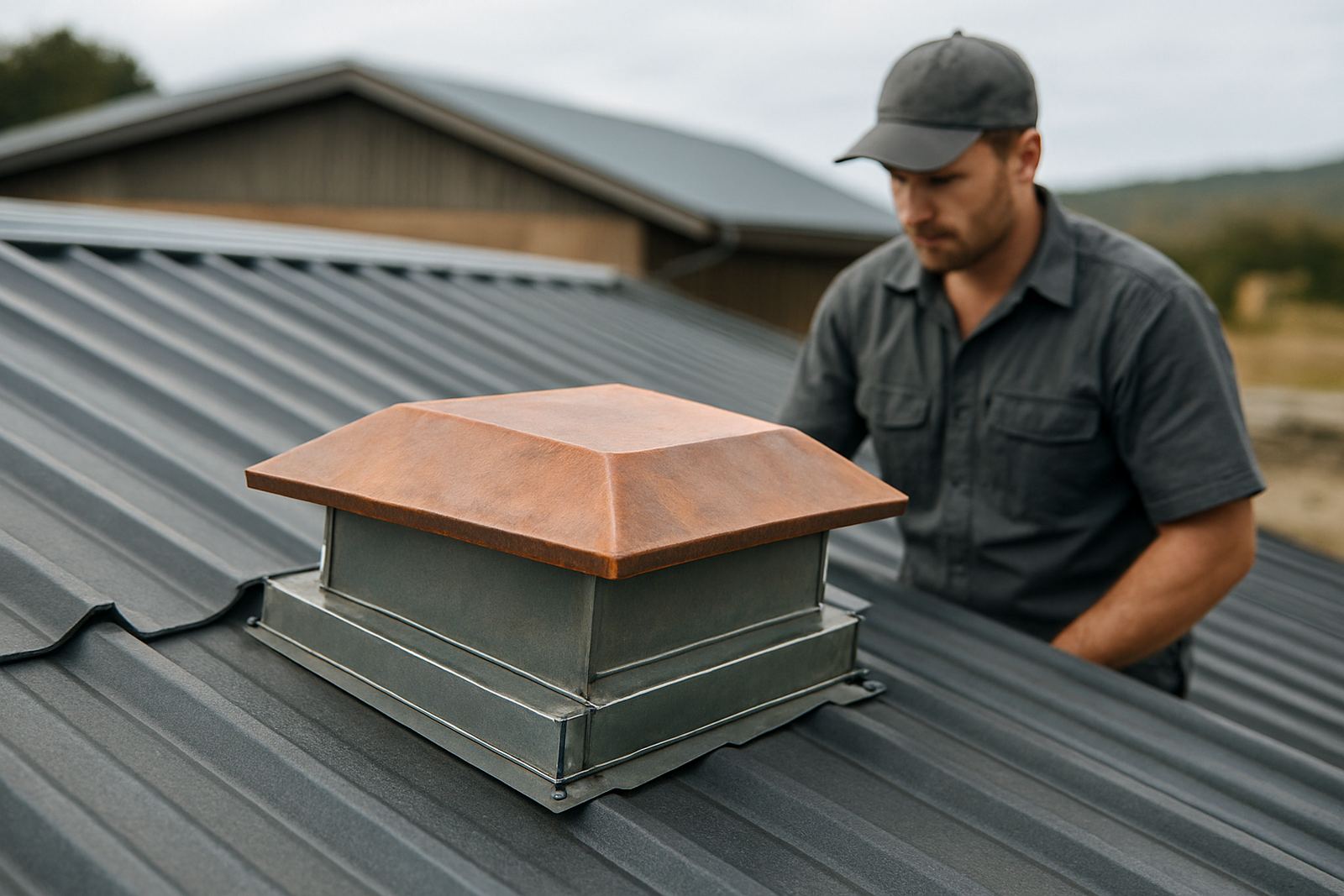
A roof vent cover is a shaped sheet-metal fitting that sits over or around a roof penetration so the opening stays weather-tight and neat. It is used where a vent pipe, extraction line, flue, cable set or roof opening comes through profiled sheeting, IBR, corrugated sheets or box gutters. The cover helps guide rain away from the penetration and it also gives the roof a cleaner finish than a cut opening left exposed.
On coastal roofs in Mossel Bay, Hartenbos and Great Brak River, the right cover matters because salt air, wind and sideways rain can work into gaps very quickly. A properly formed cover reduces leaks, limits rust around the cut edge and helps keep maintenance simple for the owner or body corporate.
- Made for vent pipes, small stacks, service penetrations and roof openings
- Helps reduce rain entry, wind lift and dirt build-up around the hole
- Can be matched to the roof profile and the surrounding flashings
Sizes, shapes and material options we work with
Roof vent covers are usually made to suit the exact pipe or opening size on site. Common sizes range from small 100 mm and 150 mm pipe covers through to larger boxed weatherings for grouped services or rectangular openings. The finished piece can be circular, square, tapered or stepped depending on the roof pitch and the look needed.
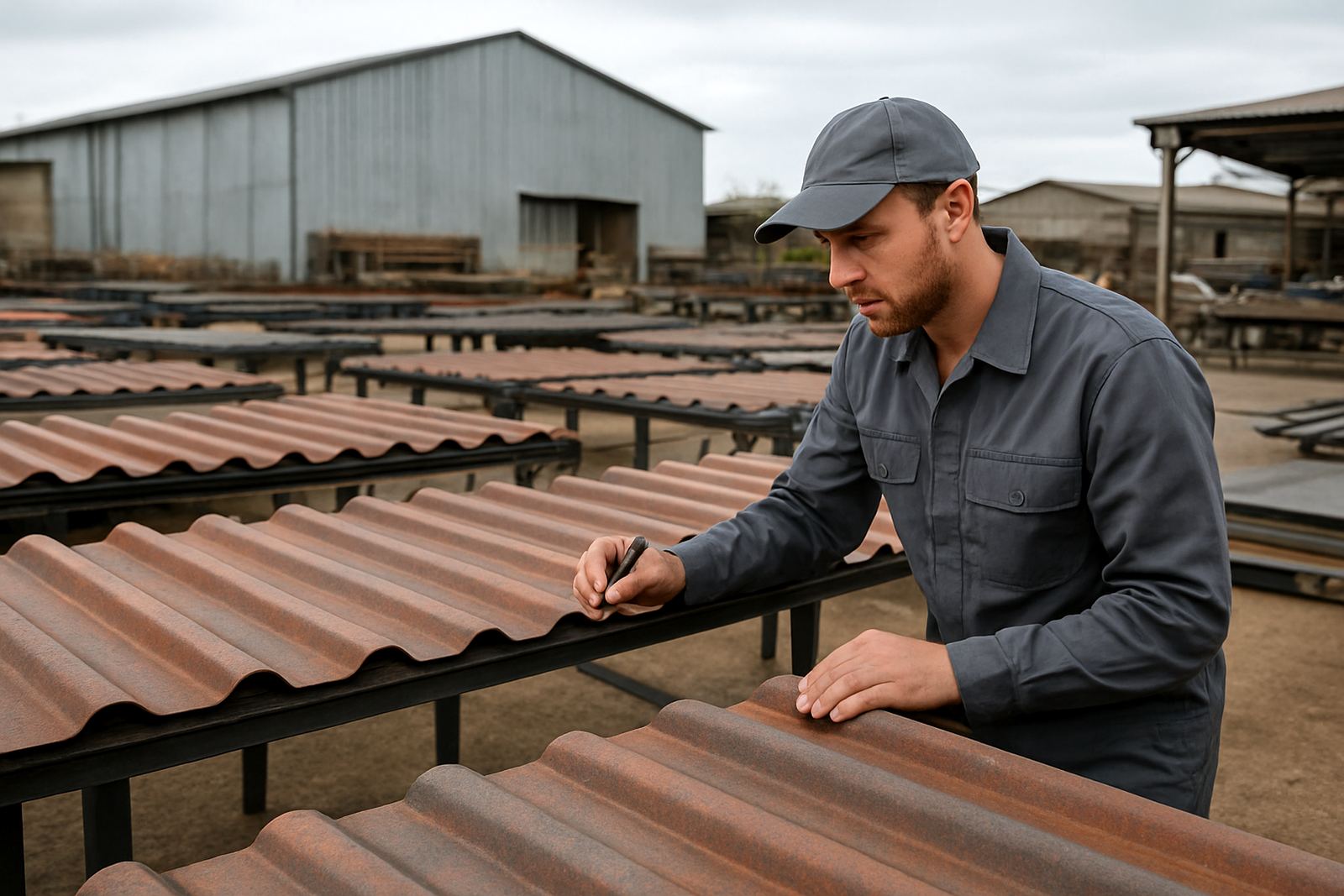
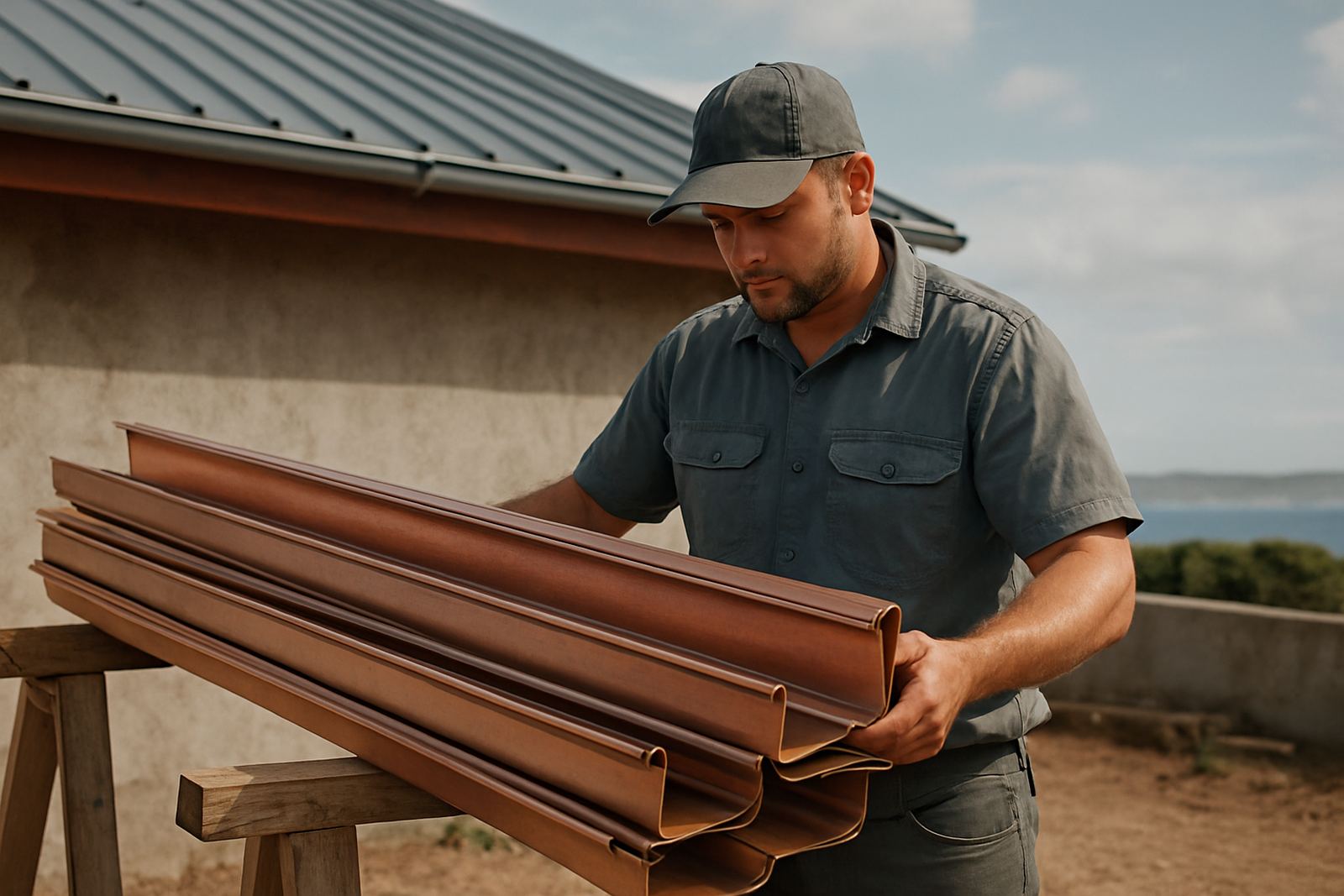
We form covers from coated sheet metal or plain sheet metal with the right protective finish for the job. On coastal properties, a coated finish is often a better choice because it handles moisture and salt air better. For hotter industrial areas, thicker gauge material may be used where there is more foot traffic or mechanical wear near the opening.
- Typical gauge options: 0.5 mm, 0.6 mm and 0.8 mm, depending on use
- Sizes can be made to suit 100 mm to 300 mm pipe penetrations, or larger custom openings
- Finishes can be matched to the roof colour or left in a practical workshop finish
Where roof vent covers suit best
These covers suit homes, light industrial sheds, commercial roofs, workshops, garages and steel structures where a penetration must be sealed neatly. They are useful on new roofs as well as when a roof opening has started to leak, or when older flashings have cracked, lifted or rusted through.
They are also a good fit where a building has mixed services coming through the roof and each one needs a separate weathering. In places like George, Wilderness and Sedgefield, roof vents often see strong wind and fast changes in weather, so the fitting must be secure and shaped correctly the first time.
- Roof vents for plumbing and extraction systems
- Service penetrations on homes, garages and storage buildings
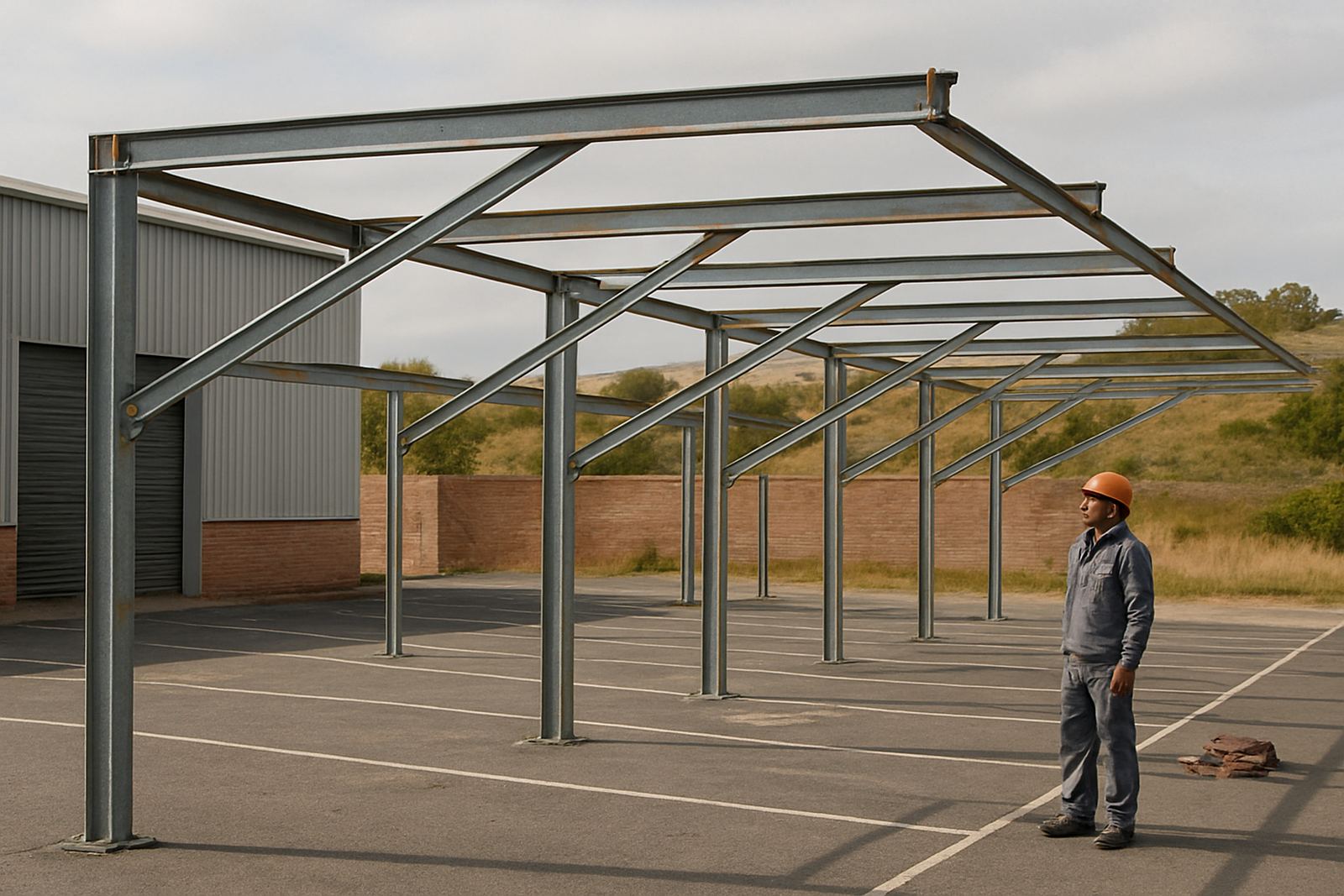
- Openings on steel buildings, canopies and attached structures
Installation, sealing and roof connection details
Installation starts with accurate site measuring so the cover can be fabricated to suit the roof profile and the pipe or opening position. The roof sheet is then cut cleanly, the edge is prepared and the cover is fixed with the correct fasteners and sealing method. A poor cut or loose fixing can let water creep in under the sheet, so the detail around the base is as important as the cover itself.
Where needed, the fitting can be sealed with compatible sealant, foam fillers or overlapping flashings. We also look at roof pitch, pan depth and the direction of rain run-off before finalising the shape. If the roof sits under strong wind, extra fixing points may be needed. That is often the difference between a cover that lasts and one that rattles loose after the first storm.
- Accurate measuring on site before fabrication
- Clean cut edge, proper overlap and secure fixing points
- Sealing method chosen for the roof type and exposure level
Power, gas and heat sources near the opening
If the roof penetration carries a powered extractor, warm air line or gas-related vent, the cover must allow for safe clearances and practical servicing access. Heat, vibration and discharge air can change the shape and position needed for the weathering. In some cases the opening also needs extra space around it so maintenance staff can inspect the connection without removing half the roof fitting.
For flues and warm exhaust lines, the cover should never be forced tight against the pipe if that affects temperature movement or maintenance access. We will work from the actual service set-up on site, because a cover that looks neat but blocks access quickly becomes a problem. If there is a generator room, kitchen extract or workshop extraction point, tell us what is passing through the roof before we make the piece.
- Allow for heat movement and servicing access around the pipe
- Tell us if the opening carries exhaust, extraction or gas-related service lines
- Extra clearance may be needed for vibration or high temperature use
Care, inspection and when to replace the cover
Roof vent covers need very little day-to-day attention, but they should be checked during routine roof inspections. Look for lifted fasteners, cracked sealant, rust stains, dents and signs of water tracking on the underside of the roof sheet. On coastal properties, salt build-up can shorten the life of untreated edges and fixings so a quick wash-down now and then is worth it.
If a cover has split at a fold, started to leak or has rusted around the base, it is usually better to replace it rather than keep patching. For body corporates, farms and light industrial sites, a planned inspection before winter helps catch small faults early. It also saves you from emergency call-outs during heavy rain, which nobody enjoys.
- Check after storms, roof work or new service installations
- Clean salt, dust and leaf build-up off the surrounding area
- Replace covers that are cracked, badly rusted or no longer sitting flat
What to check before you order one
Before ordering a roof vent cover, measure the opening size, roof sheet profile and pitch if you can. It also helps to note whether the penetration is round or square, how high it stands above the roof and whether there is enough room for a base flange. If the roof already leaks, send clear photos so we can see the problem area and any old patch work.
Tell us the site location too, whether it is Mossel Bay, Gouriqua Park, Hartenbos, George or further along the southern Cape. Coastal exposure, wind direction and roof access all affect the way the cover is made and fixed. A few correct details upfront saves repeat visits and gets the fit right first time.
- Opening size, shape and roof sheet profile
- Roof pitch and how high the penetration stands above the sheets
- Photos of the area, especially if there is an existing leak or old flashing
J&E Sheet Metal in Gouriqua Park, Mossel Bay fabricates roof vent covers for new work, replacements and repairs. We measure on site, make to size and fit for the conditions your roof actually sees.
Key facts
| Product type | Sheet-metal roof vent covers and weatherings |
|---|---|
| Common use | Sealing and finishing roof penetrations and openings |
| Typical sizes | 100 mm to 300 mm pipe covers, plus custom large openings |
| Material options | Coated sheet metal or plain sheet metal with protective finish |
| Thickness options | 0.5 mm, 0.6 mm and 0.8 mm depending on exposure |
| Service area | Mossel Bay, Hartenbos, Great Brak River, George, Wilderness and Sedgefield |