What Sheet Metal Trays Are Used For
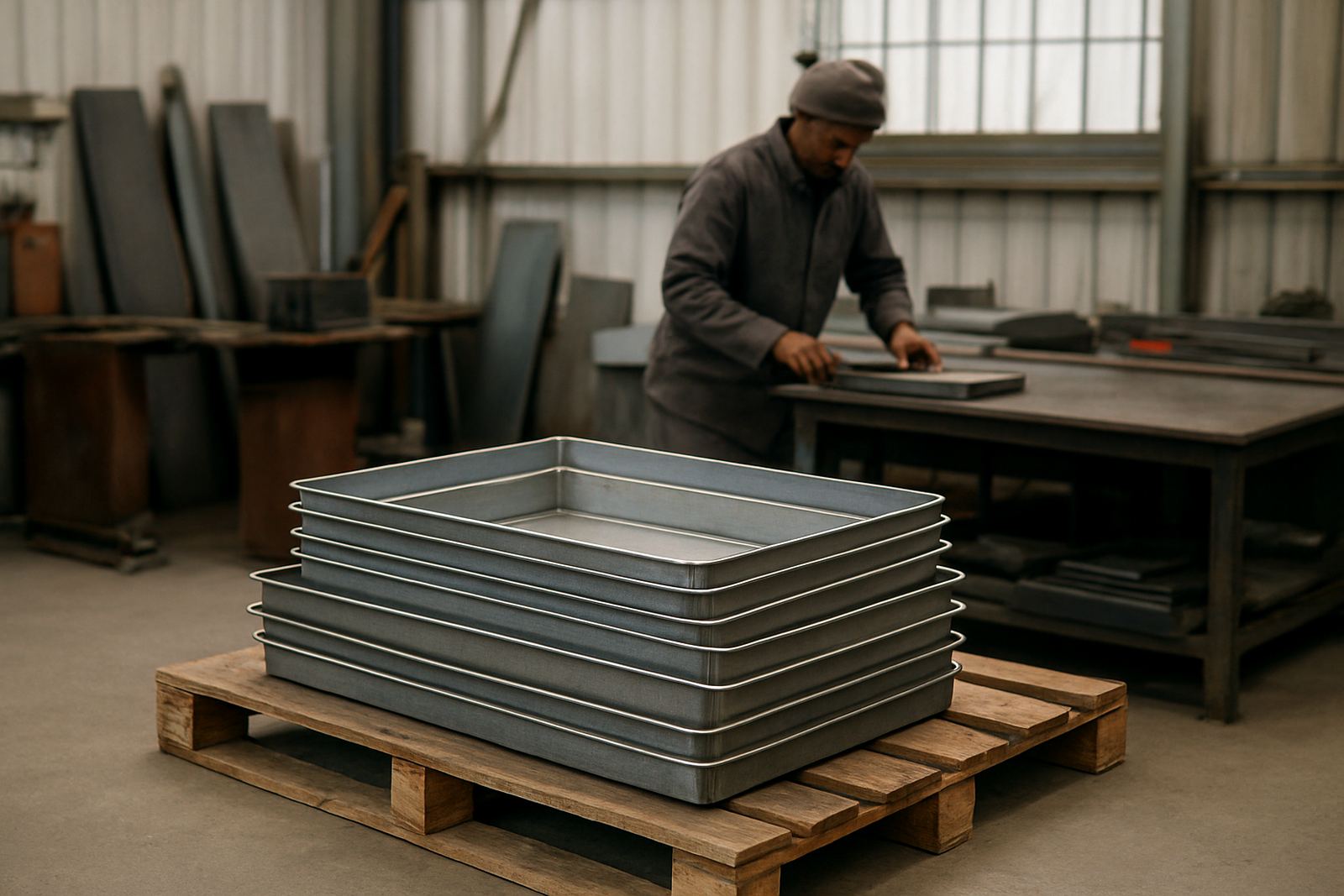
Sheet metal trays are simple fabricated carriers or containment pieces used to support, protect or guide services on site. Depending on the job, they may carry electrical cable runs, small pipework, drainage accessories, maintenance materials or protective layers where a neat metal edge or shallow channel is needed. On building sites around Mossel Bay, Hartenbos and George, trays are often specified where a clean metal finish is preferred over timber or plastic.
They are also useful where the site needs repeated access. A tray can make it easier to route services in workshops, under eaves, along walls or inside plant spaces without leaving loose material exposed. In coastal areas, the right metal and finish matters because salt air can shorten the life of poor-quality sheet, especially on open roofs and exposed walkways.
- General service support and protection
- Neat routing for cables and light pipework
- Edge protection around openings and plant areas
- Temporary or permanent site utility use
Sizes, Thicknesses and Finish Options
We make trays to order because most sites do not match off-the-shelf sizes. Common tray widths range from 100 mm to 600 mm, with deeper sections from 25 mm to 150 mm depending on the purpose. Lengths are usually made to suit handling and transport, often in 1.2 m, 2.4 m or 3 m sections, but longer runs can be joined where the application allows it.
Material choice depends on the environment and the load. For sheltered indoor use, lighter sheet may be enough. For exposed areas or where extra stiffness is needed, thicker sheet gives better service life and a cleaner line. In coastal towns like Mossel Bay and Wilderness, we often recommend corrosion-conscious material selection and a finish that can handle humidity, wind and salt spray.
- Typical thicknesses: 0.6 mm, 0.8 mm, 1.0 mm and 1.2 mm
- Typical widths: 100 mm to 600 mm
- Depths: shallow trays for routing, deeper trays for containment
- Optional folded lips, return edges and fixing flanges
Where Sheet Metal Trays Fit Best On Site
These trays suit light industrial buildings, workshops, maintenance corridors, under-roof service runs and utility areas where access is important. They are also practical on coastal homes and small business properties where a tidy, washable surface is preferred for secondary service support. Where the site has load-shedding backup systems, trays can help route battery cables, inverter cabling and associated service lines in a controlled way.
Trays are not only about appearance. They help reduce sagging, rubbing and accidental damage when services pass through tight spaces. On sites with ongoing maintenance, a tray can make future inspection faster because the route stays visible and easy to follow.
- Commercial roofs and ceiling voids
- Workshops and storerooms
- Generator and backup power areas
- Utility yards, plant rooms and service corridors
Installation Details and Site Requirements
Installation starts with proper measuring. A tray must be checked for length, slope, fixing spacing and nearby obstructions before fabrication begins. We look at the support structure, the access route for lifting, and whether the tray will be fixed to steel, masonry or timber. On windy coastal sites the fixing pattern needs to be sensible, because a light tray that is not anchored correctly can move or chatter in gusts.
If the tray is part of an electrical or gas related service route, the installer must allow for safe separation from heat sources, sharp edges and moving parts. Clearances are important near transformers, battery banks, generators and kitchen or boiler areas. We also consider whether the tray must be removable for service access, because that affects bracket design and fixing points.
- Confirm fixing surface and support spacing
- Check clearances near power, gas and heat sources
- Allow for access panels or removable sections if needed
- Confirm whether the tray must carry light loads or only guide services
Power, Gas and Service Runs: What To Plan For
Where trays are used around power or gas services, the layout must be planned before installation. Electrical routes should stay neat and protected, with enough space for bends and terminations. Gas lines need clear access and safe separation from electrical components and ignition sources. If the tray is carrying mixed services, separation methods may be required so the run remains practical to inspect and maintain.
For backup power rooms and load-shedding installations, trays often support cables from wall to ceiling or across service spaces. We can fabricate trays with extra lip height, extra support tabs or custom drilled fixing points to suit the equipment already on site. Small details matter here, because cramped runs become difficult to service later.
- Allow room for cable bends and connector access
- Keep gas and electrical services properly separated
- Plan for inspection access after installation
- Specify any extra load, heat or corrosion exposure
Care, Cleaning and Maintenance Over Time
Sheet metal trays last longer when they are kept clean and dry. On coastal properties, salt and airborne grit can build up on exposed edges and fixing points. A basic wash-down during routine maintenance helps, especially on roof-level trays and external service runs. If the tray is coated, avoid harsh abrasives that damage the surface and expose bare metal.
We recommend checking for loose fixings, small dents, early rust spots and water traps after heavy rain or strong wind. Any tray used near plant or service access should be reviewed during scheduled inspections so minor issues do not turn into bigger repairs. A small bend or loose bracket is easy to deal with early, but can cause rubbing or vibration if ignored.
- Wash off salt and dirt regularly
- Inspect brackets, joints and edges after storms
- Touch up damaged coating before rust spreads
- Keep drain paths and troughs free of debris
What To Check Before You Order
Before ordering, confirm the tray length, width, depth and finish, plus where it will be fixed and what it needs to carry. If you are matching an existing route, provide photos and site measurements from more than one point, because walls and roof lines are not always square. That saves time and helps prevent unnecessary cutting on site.
It is also worth deciding whether the tray will be exposed or sheltered, whether it must be removable, and whether any service clearances apply. We can advise on practical options for Mossel Bay conditions, from sheltered homes in Gouriqua Park to open industrial spaces in George and Sedgefield. Good information at the start usually means fewer changes later, and a better fit on the day.
- Overall length, width and depth
- Material thickness and finish
- Fixing surface and support spacing
- Exposure to salt air, rain or heat
- Need for access, removable sections or jointing
Key facts
| Product type | Custom fabricated sheet metal trays |
|---|---|
| Common widths | 100 mm to 600 mm |
| Common depths | 25 mm to 150 mm |
| Typical lengths | 1.2 m, 2.4 m, 3 m or made to order |
| Material options | Light to medium gauge sheet, selected for site conditions |
| Service area | Mossel Bay, Hartenbos, Great Brak River, George, Wilderness and Sedgefield |