What Translucent Roof Sheets Do on Site
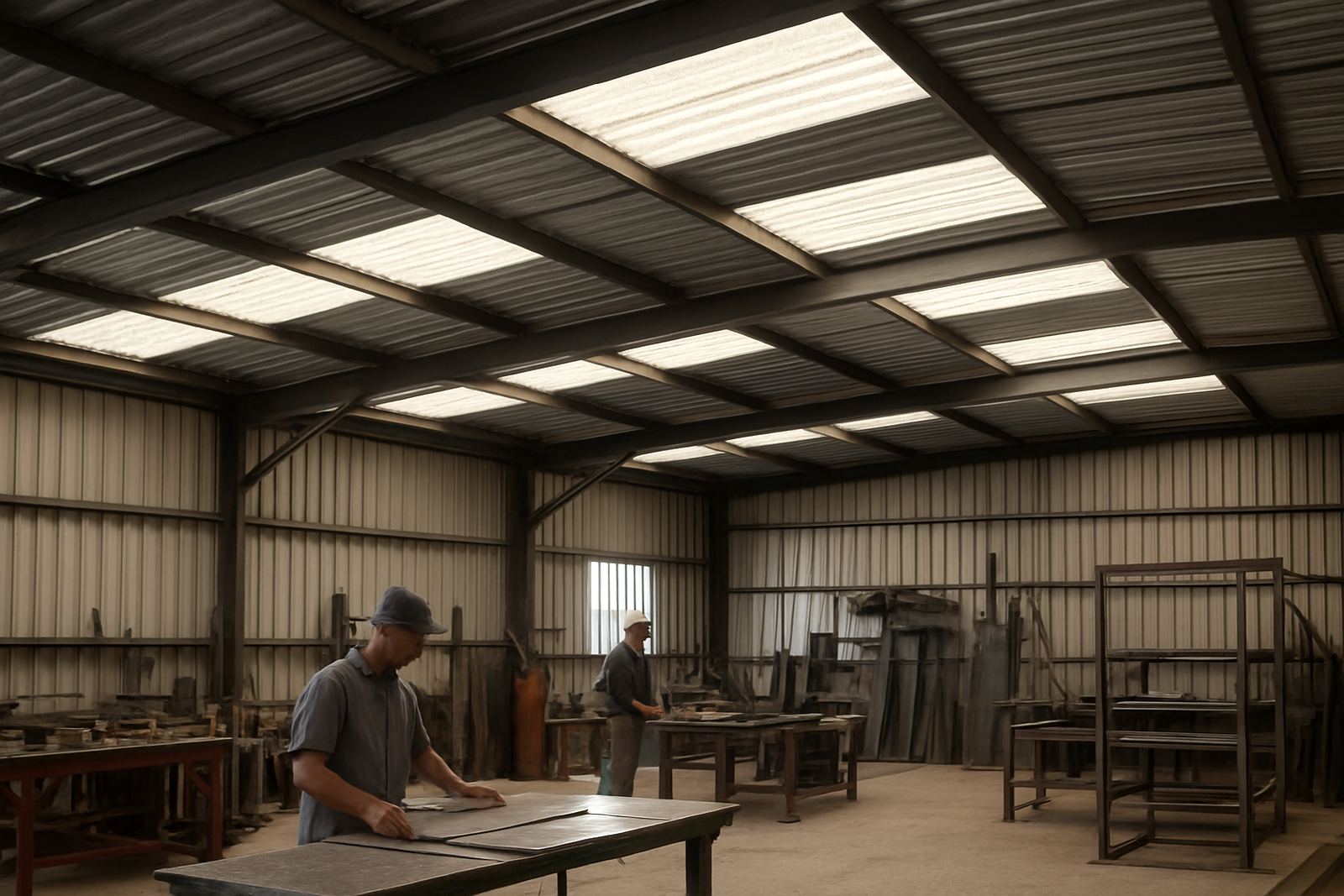
Translucent roof sheets are used where you want daylight through the roof but still need weather protection. They are common on workshop strips, lean-to sections, walkways, covered service areas and carports where full steel sheeting would make the space too dark. In Mossel Bay and other coastal towns, that extra light helps reduce daytime power use and makes it easier to work during load-shedding too, especially in places that already rely on natural light for most of the day.
These sheets are fitted into a steel or timber roof system as daylight panels between opaque sheets, or as full runs on lighter structures. The sheet type, thickness and fixing layout must suit the pitch and wind exposure. On the coast, salt air and strong gusts off the bay can punish weak fixings, so the installation detail matters just as much as the product itself.
- Used for daylight in roof bays and covered areas
- Suitable for workshops, carports and walkways
- Can be matched to existing roof profiles where possible
- Helps cut down the need for daytime lighting
Sizes, Profiles and Light Levels to Ask For
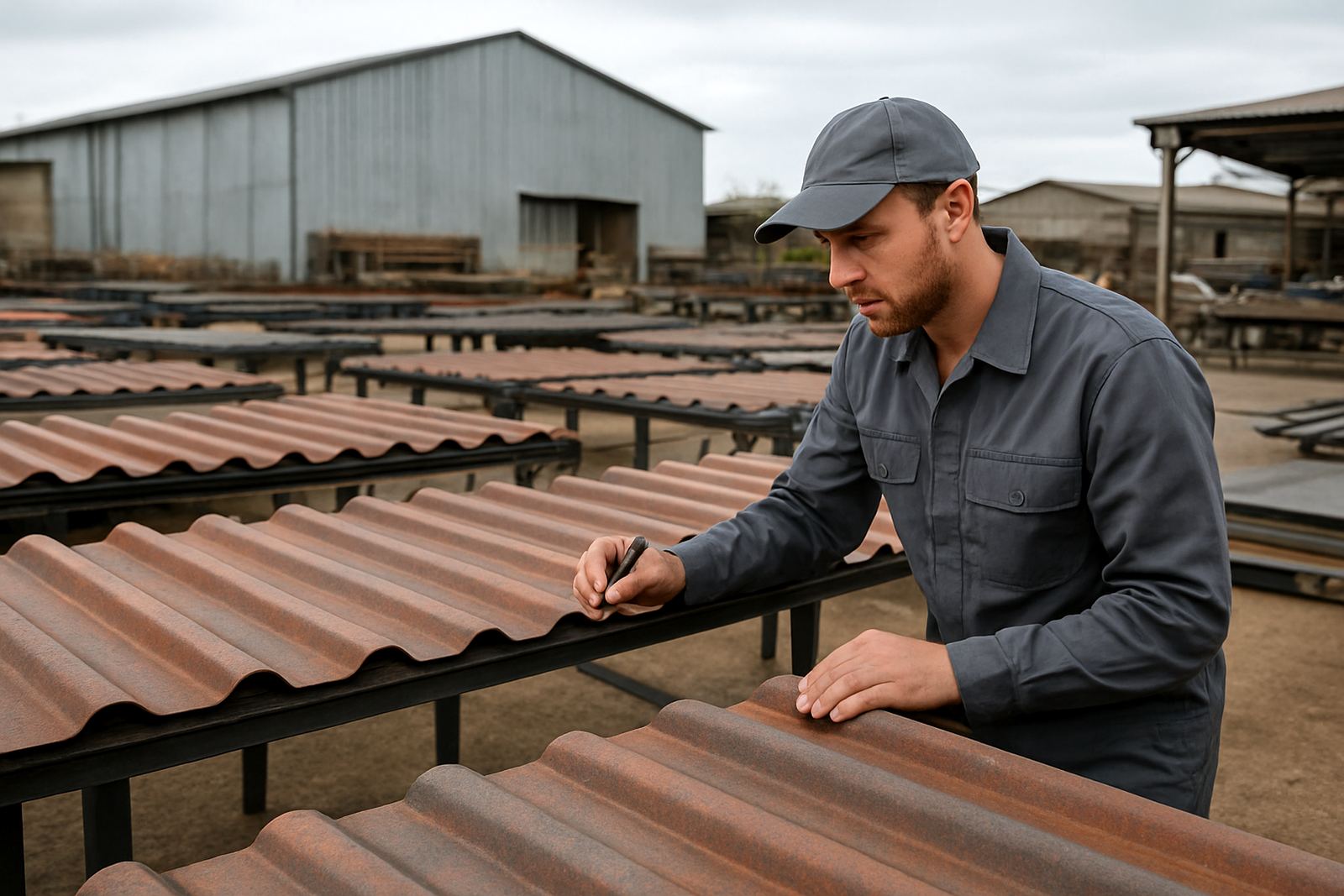
We supply translucent roof sheets in standard roof lengths and cut them to suit the job. The most important points are the sheet profile, thickness, colour tone and span. A sheet that works on a small patio may not be suitable for a wide industrial bay. For most work we check the roof pitch, rafter spacing and fixing line before confirming what can be used safely.
Options usually include clear, opal and tinted finishes. Clear sheets pass the most light. Opal diffuses sunlight and can soften glare, which is useful in carports and work areas where direct sun becomes a problem. Tinted sheets reduce brightness a bit more and can suit areas that overheat quickly in summer. Profiles can be matched to common roof sheet shapes so the line stays neat and the laps sit correctly.
- Lengths cut to order for the roof layout
- Clear, opal and tinted daylight options
- Profile matched to the existing roof where possible
- Thickness chosen for wind load and span requirements
Where They Suit Best in the Southern Cape
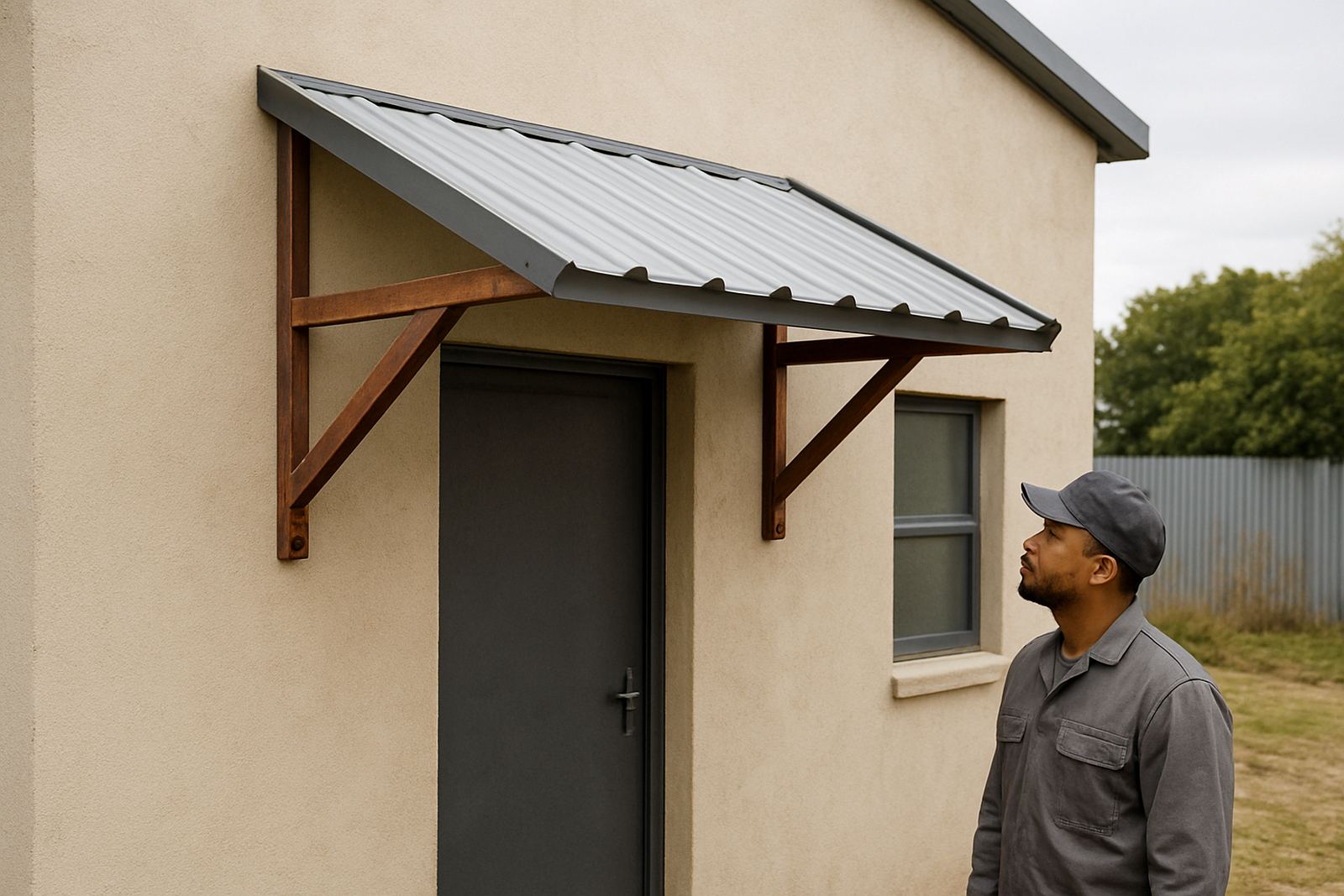
These sheets work well where you want natural light without opening the whole roof to glare or weather. In Mossel Bay, Hartenbos and Great Brak River, they are often used on carports, outdoor utility areas, small storage sheds and covered braai spaces. In George, Wilderness and Sedgefield they are also practical for farm sheds, maintenance bays and covered loading zones where the extra daylight helps with daily work.
They are not only for homes. Factories, nurseries, coastal workshops and trade yards use them to brighten working bays and reduce the number of light fittings needed in the daytime. For covered areas close to the sea, we look at corrosion around the fixings and support steel, because moisture and salt can shorten the life of the rest of the roof if it is not detailed properly.
When the area is exposed to heavy wind, we may recommend shorter runs, extra fasteners or added support members depending on the roof shape. That is especially important on corners and open ends where uplift is strongest.
Installation, Power Planning and Heat Control
Good installation starts with a site measure and a look at the roof structure. We check pitch, purlin spacing, flashing details and where water will run during a hard storm. The sheets must overlap correctly and the fixings need the right sealing washers. If the roof is being added to an existing structure, we also check the condition of the surrounding sheeting so the new daylight section does not fail because of old fasteners or weak supports.
For owners trying to manage electricity costs, translucent sheets can be part of a practical lighting plan. They are useful in spaces that need daytime visibility without turning on fittings from morning to late afternoon. In some areas, especially enclosed yards and light industrial spaces, this can make a real difference during load-shedding. If heat is a concern, an opal or lightly tinted sheet is often a better choice than a fully clear one.
- Site measure to confirm span and roof pitch
- Check support spacing before ordering lengths
- Use compatible fixings and sealing washers
- Allow for heat movement and expansion in the sheet line
Care, Cleaning and Simple Maintenance
Translucent sheets need basic care, not constant attention. Dust, salt spray and tree pollen can build up, especially near the coast or under overhanging branches. A gentle wash with clean water and a soft cloth or low-pressure hose usually keeps them serviceable. Avoid harsh chemicals, rough brushes and aggressive scrubbing, because that can dull the surface and shorten the useful life of the sheet. It is a small thing but it makes a difference over time.
We also recommend checking fasteners, laps and surrounding flashings after strong wind or hail. If a sheet starts to craze, leak at the screw line or move in the wind, it should be looked at early before the problem spreads to the rest of the roof. On older roofs, damaged sealing washers or blocked gutters can make the sheet look like the issue when the real problem is water backing up at the edge.
For workshops and business premises, a maintenance inspection once or twice a year is usually enough. That gives time to catch cracked panels, brittle fixings and loose edges before the next storm season.
What to Check Before You Order
Before ordering translucent roof sheets, it helps to have the roof size, the roof type and the purpose of the area clear. A carport needs different light control to a workshop, and a shaded patio may need a different finish again. If you are matching an existing roof, bring photos and measurements so the profile and fixing pattern can be checked properly. If the area is close to the sea, mention that as well because the fixings and support details may need a bit more attention.
We also advise checking these points before confirming the job:
- Roof pitch and span between supports
- Required light level, clear or diffused
- Existing roof profile and sheet condition
- Wind exposure, especially on corners and open sides
- Need for flashings, gutters or leak repairs at the same time
J&E Sheet Metal works from Gouriqua Park in Mossel Bay and serves the southern Cape with site measuring, sheet fabrication, roof installation and related steel work. If you need a daylight section that fits the roof properly and stands up to local weather, we can measure, supply and fit it to suit the site.
Key facts
| Sheet types | Clear, opal and tinted translucent panels |
|---|---|
| Typical use | Daylight sections for roofs, carports and covered work areas |
| Length options | Cut to order from site measurements |
| Profile options | Matched to compatible roof sheet profiles |
| Fixing method | Screwed with sealing washers and correct overlaps |
| Service area | Mossel Bay, Hartenbos, Great Brak River, George, Wilderness and Sedgefield |