1. Start With What the Building Must Do
Before you compare profiles or colours, work out how the building will be used. A workshop that sees forklifts, welding fumes and daily deliveries needs different cladding from a storage shed or a retail building. In Mossel Bay, Hartenbos and Great Brak River, the coastal air can carry salt and moisture, so the cladding must handle corrosion and joint movement without constant repairs.
Ask these basic questions first: Is the building fully enclosed or partly open? Will chemicals, heat or dust be present? Does the site get hard wind off the coast? Will the cladding need to match an existing roof line or gutter set-up? These answers help decide the sheet thickness, finish and fixing method. It also helps to plan flashings and gutters at the same time, because poor detailing at the edges is one of the main causes of leaks.
- Check if the wall will face direct wind or driving rain.
- Confirm if the building needs washable surfaces or only weather cover.
- Allow for doors, vents, windows and future service access.
- Measure the wall heights and lengths properly before ordering material.
2. Compare the Main Cladding Choices
For commercial and light industrial buildings, sheet metal cladding is often chosen because it is practical, light and quick to install. A pre-formed wall sheet gives neat lines, fast covering of large areas and a clean finish around steel frames. It suits workshops in George, Sedgefield and Mossel Bay where build time matters and maintenance access must stay simple.
The main differences are usually profile depth, sheet thickness, coating type and fixing detail. A deeper profile can improve stiffness on longer wall spans, while a flatter profile can look tidier on smaller buildings. Thicker sheets may cost more, but they can stand up better to handling and wind movement. In coastal areas, the coating and fixings matter just as much as the profile, because a neat sheet can still fail early if the fasteners or cut edges are not handled properly.
Some clients also want matching flashings around corners, doors and roof-to-wall junctions so the whole building looks finished. That is often where a custom made piece is worth it, because standard lengths dont always suit a real site.
3. Match the Finish to the Site Conditions
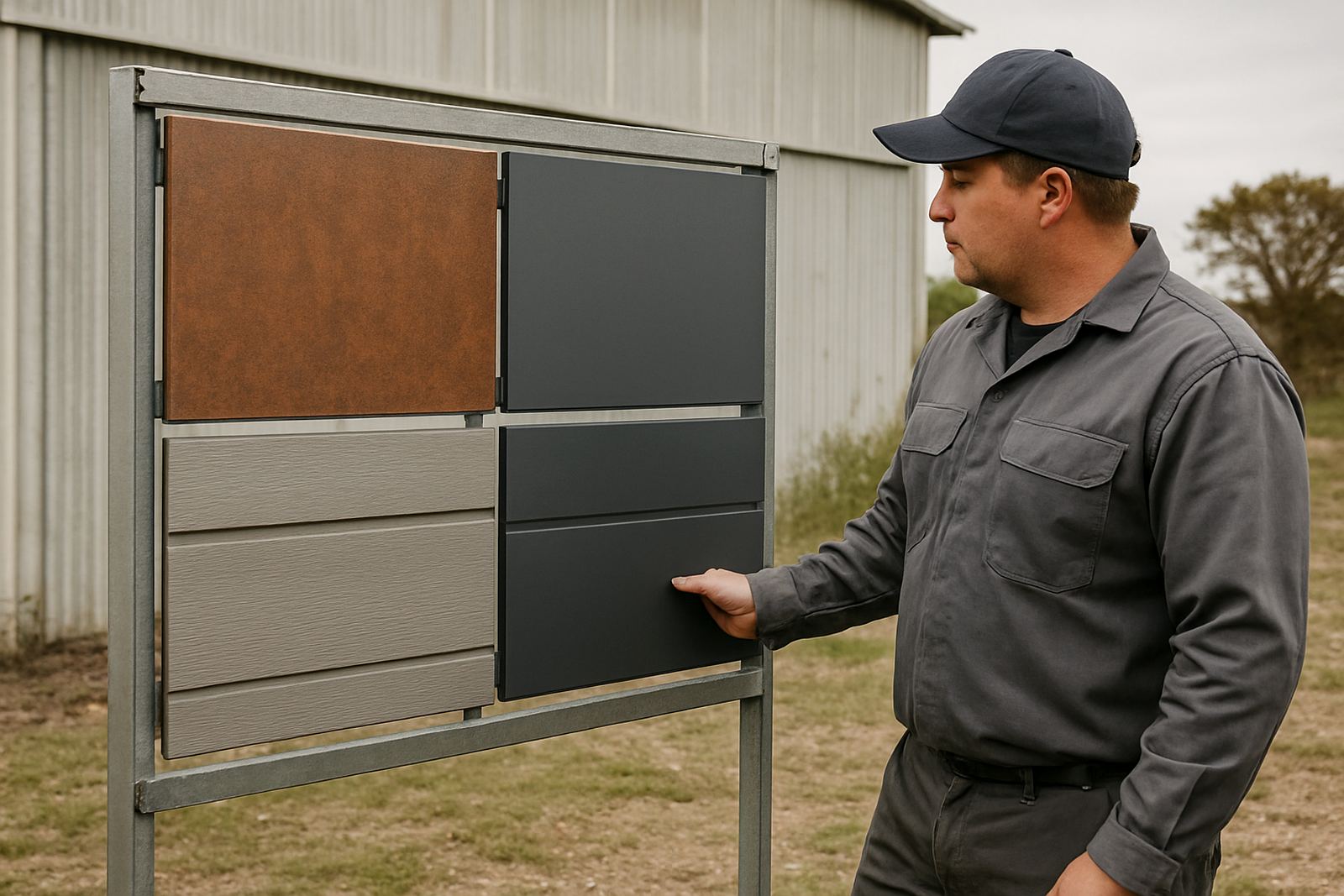
The finish you choose should fit the environment, not only the colour chart. On the southern Cape coast, buildings near salt spray or humid sea air need extra care at cut edges, overlaps and screw points. A better finish can reduce rust staining, but it still needs correct installation and regular inspection. In sheltered inland parts, standard options may perform well for longer, but the site still needs proper water run-off and ventilation.
Think about how the building will age. A workshop wall close to a busy yard may pick up marks and dust, so a finish that cleans easily can save time. For a business front or public-facing shed, a cleaner-looking profile can improve the appearance of the site without adding much cost. If the building is tied into an older structure, matching the existing colour and sheet pattern avoids a patchwork look. It also helps when future maintenance work is done, since similar materials are easier to replace.
- Coastal sites: prioritise corrosion control and proper edge treatment.
- High-traffic sites: choose finishes that are easy to wash down.
- Hot buildings: allow for ventilation under the roof and at wall junctions.
- Older properties: check whether the new cladding must tie into existing steel or masonry.
4. Installation Details That Stop Future Problems
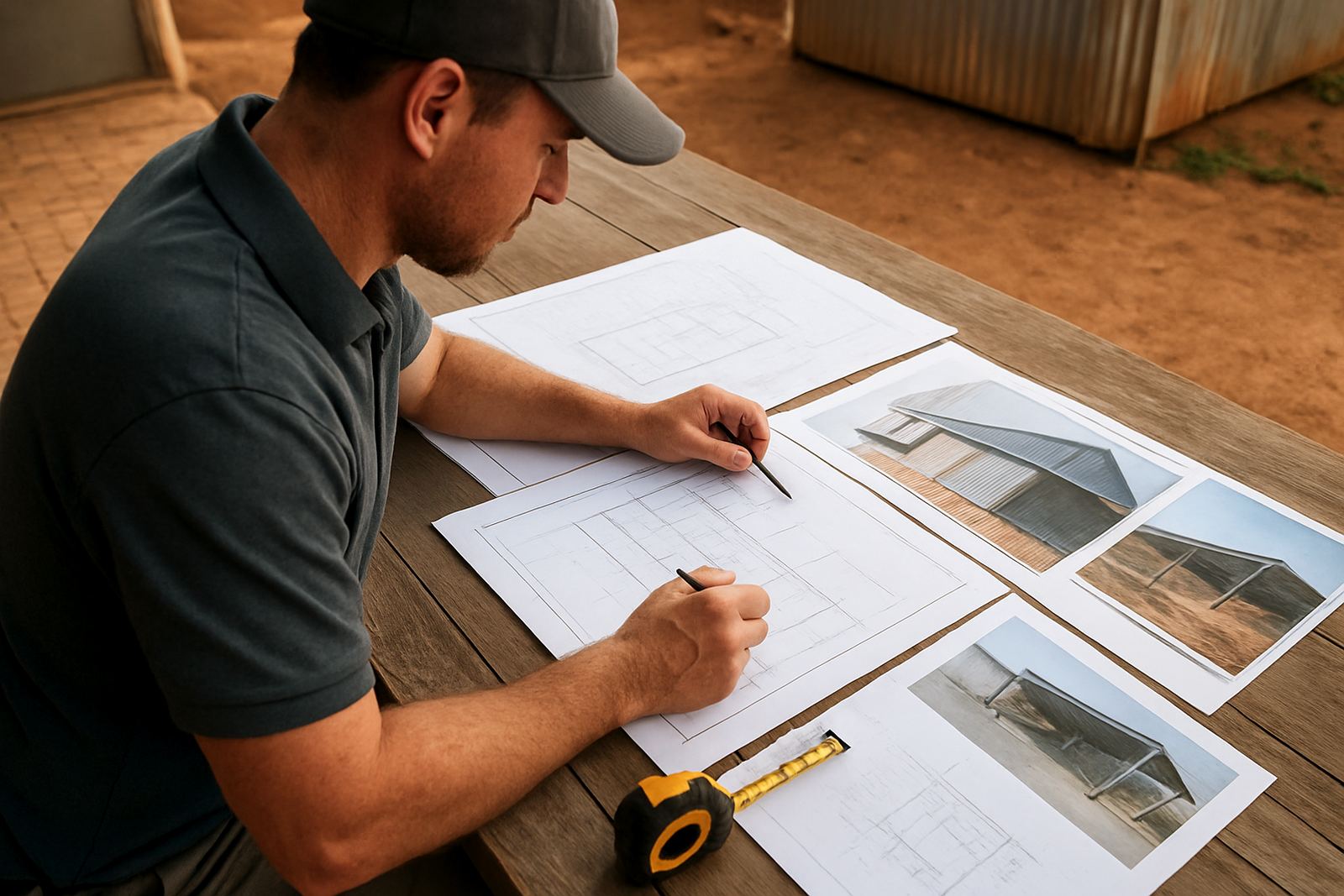
Good cladding depends on the details as much as the sheet itself. The wall line must be measured accurately, the frame must be straight and the fixing points must suit the span. If the structure is out by even a small amount, sheets can telegraph the problem and leave gaps at corners or trims. That is why site measuring comes before fabrication and not after.
Pay close attention to the following points:
- Fix sheets with the correct spacing and fasteners for the structure.
- Use flashings at corners, base lines, openings and roof joins.
- Allow for thermal movement so sheets do not buckle in hot weather.
- Keep the lower edges clear of standing water and soil splash.
- Seal where required, but do not trap water behind the cladding.
On coastal jobs, a small mistake at the top or bottom can lead to staining and lift in high wind. On industrial sites, vibration from gates and daily use can loosen poor fixings over time. That is why a proper inspection during installation saves money later, even if it takes a little more time upfront.
5. Choosing Cladding for Workshops, Sheds and Commercial Buildings
Different building types need different priorities. A farm shed or storage unit may need speed and durability more than fine appearance. A workshop might need cladding that can handle sparks, dust and tool impact. A commercial property may want the same weather protection, but with a cleaner profile and better finish around entrances.
For workshops, many owners prefer a practical profile that is easy to replace in sections if one area gets damaged. For sheds, weight and cost often drive the decision, especially where the steel frame already carries roof loads and side bracing. For commercial buildings, it often makes sense to pair cladding with matching gutters, custom flashings and a neat roof line so the property presents well from the street.
The best result usually comes from treating the whole envelope as one job. Cladding, gutters, leak repairs and steel frame work should be planned together. That avoids the common problem of fitting new walls around old water damage, then having to come back again later.
6. A Practical Checklist Before You Order
Before any material is cut or delivered, run through a proper checklist. It helps avoid shortages, awkward joins and delays on site. This is especially useful when work is planned around tenant access, weather windows or load-shedding. A well prepared job can still move forward if the installation team knows the site and the measurements are correct.
- Confirm wall lengths, heights and corner details on site.
- Check where doors, vents, downpipes and windows will sit.
- Decide on the cladding profile, finish and fixing method.
- Allow for trims, flashings, gutters and any repairs to the steel frame.
- Schedule the work around weather, access and site operations.
If there is existing rust, leaks or damaged lining, fix that first. New cladding over a weak base only hides the problem for a short time. Once the measurements and scope are clear, fabrication can be set up to suit the actual building instead of working from guesses. That makes the job neater and usually quicker too.