Start With the Parts That Fail First on the Coast
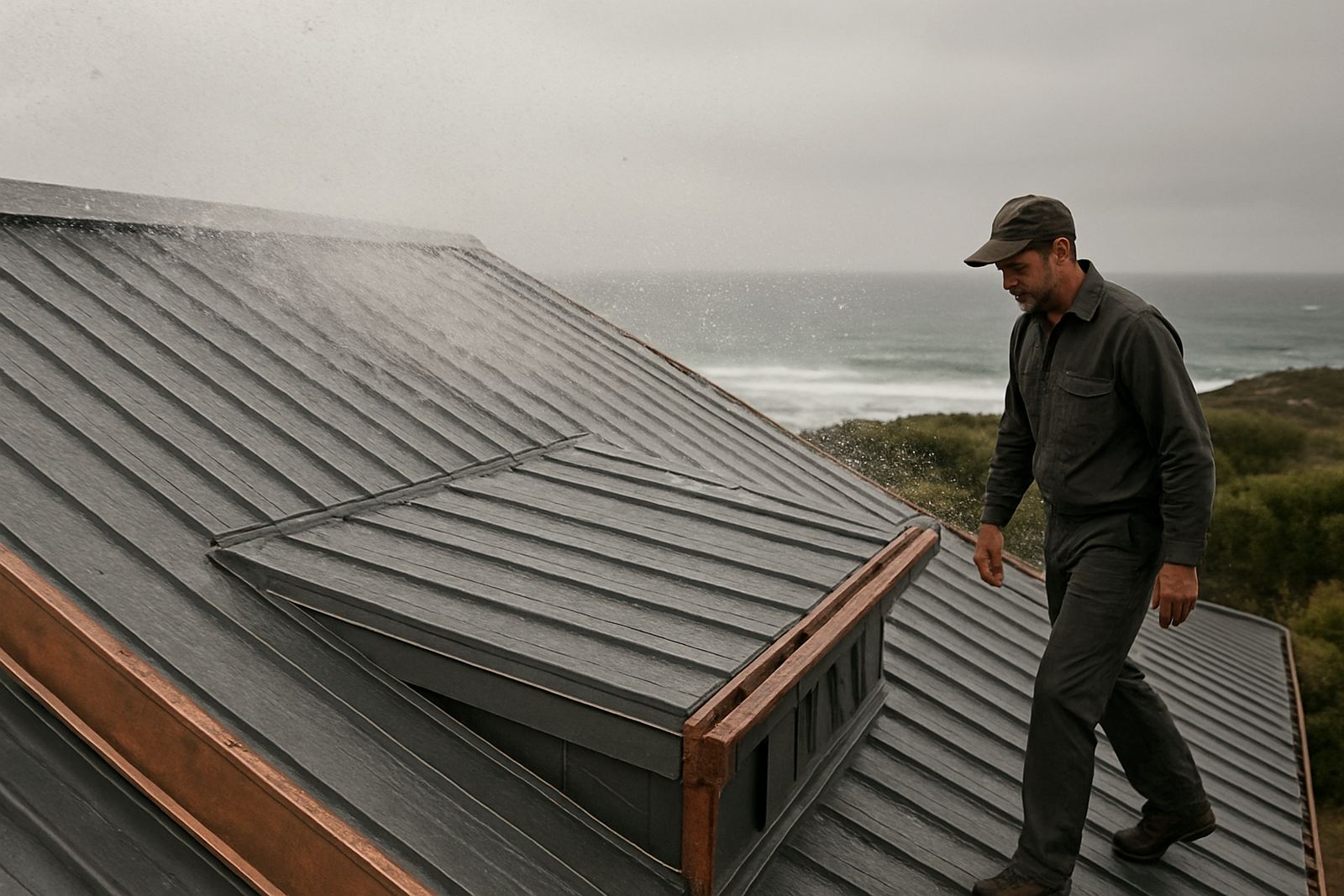
On exposed roofs, the first trouble usually shows up at the edges, not in the middle. Look closely at ridges, valleys, barge flashings, roof screws, gutter joints and any place where water can sit after a rain storm. Salt carried inland from the bay can work its way into small openings, so a small gap today can become a leak after a few windy weeks.
If you own a house, guest lodge, workshop or small business in Mossel Bay, Hartenbos, Great Brak River, George, Wilderness or Sedgefield, do a roof walk after heavy rain and again after strong south easterly winds. Check for stained ceilings, rust streaks, loose laps, broken sealant and gutters that overflow near one corner. A roof can look fine from the ground but still have failed fixings or hidden water entry points.
What to Check During a Roof Walk-Through
A proper inspection should be simple, safe and done before minor issues turn into expensive repairs. Use binoculars first, then only go onto the roof if it is safe and dry. Near the coast, slippery growth and damp metal make roof work risky, so many owners are better off booking a site measuring visit and a maintenance inspection.
- Look for lifted roof sheets along the windward side.
- Check that flashings sit tight around chimneys, parapets and wall junctions.
- Inspect screws for rust, missing washers or loose heads.
- Make sure gutters are free of sand, leaves and roof gravel.
- Watch for water running behind fascia boards during rain.
- Check for corrosion where two metals meet, especially at fixings.
If you spot more than one of these issues, the roof needs attention sooner rather than later. Waiting for the next big front is a costly way to find out where the weak points are.
Gutters, Runoff and Why Water Direction Matters
In coastal towns, gutters are not just there to keep walls dry. They also protect paving, foundations and painted finishes from constant splashback. If gutters are undersized, bent or blocked, water spills over the edge and soaks the wall below. Over time that can lead to damp, cracked plaster and stained brickwork. We see this often on homes with shaded eaves and on buildings close to trees where leaves and sand collect fast.
For many properties, gutter replacement is a better call than repeated patching. New gutters should be sized for the roof area and the local rainfall pattern, not copied from an old system that was already too small. Downpipes must discharge cleanly and not dump water against the wall or into a weak stormwater point. If your erf has limited drainage space, plan the runoff path before work starts, because municipal drainage rules can be stricter than owners expect.
On larger roofs, especially carports and steel structures, the gutter line should be checked after every major storm. A small slope error can leave water ponding in the trough, and standing water shortens the life of the metal.
Materials and Fixings That Last Longer in Salt Air
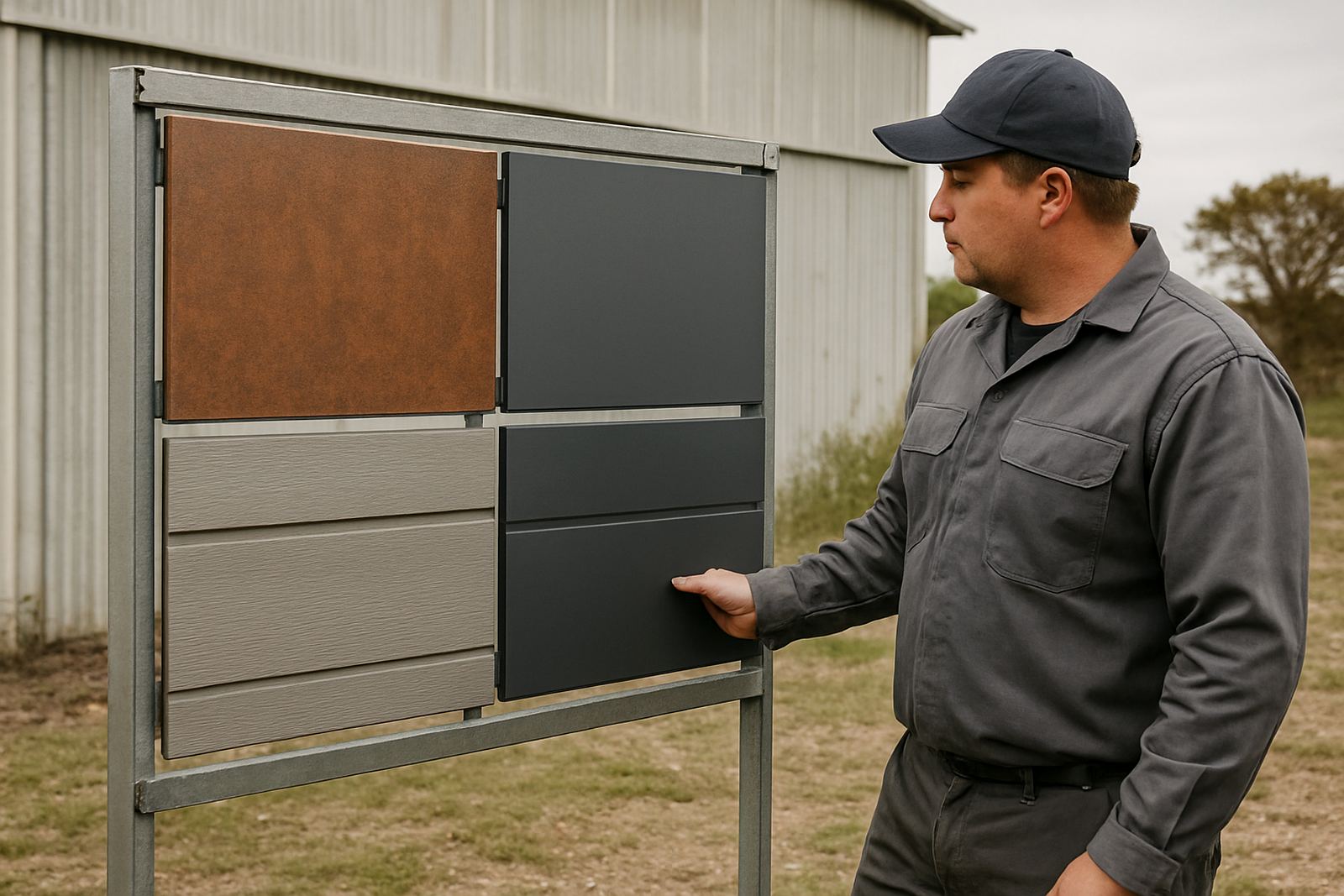
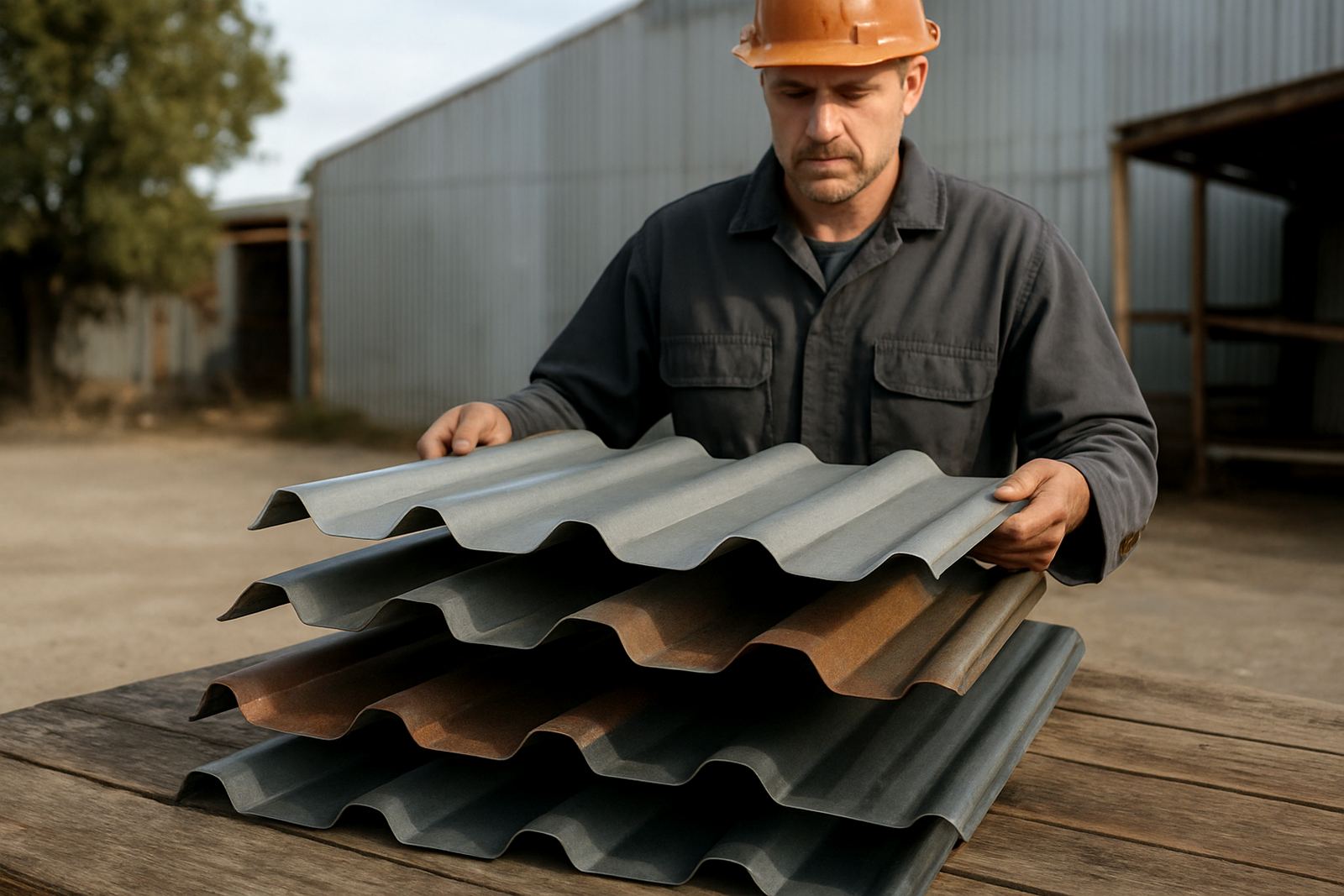
Coastal weather punishes thin metal and poor fixings. Ask for materials suited to sheet-metal and steel-building work in salty, windy conditions, and make sure the right coating and thickness are used for the job. The cheapest option can cost more later if it starts rusting near the edges or around screws.
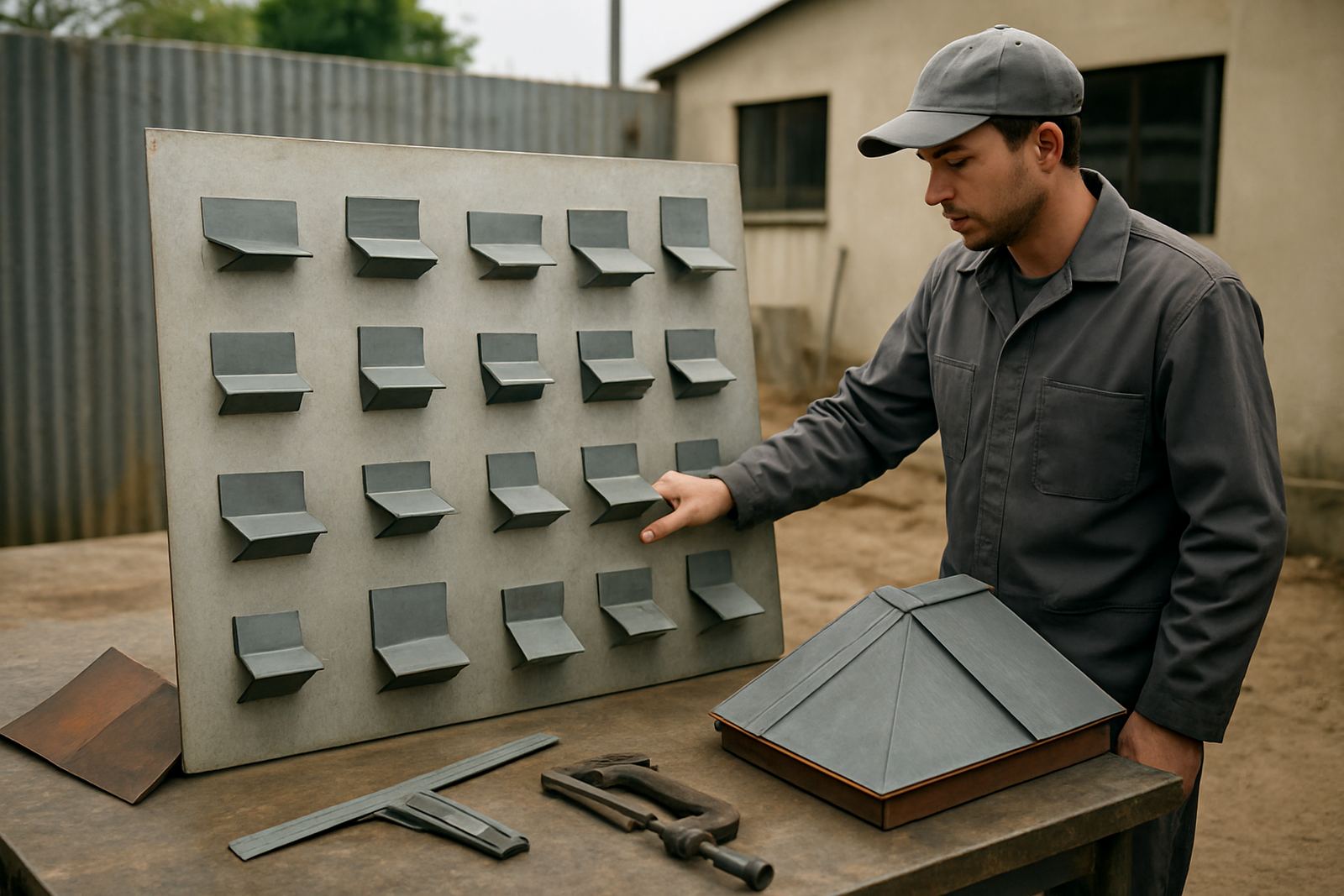
Custom flashings help a lot on exposed roofs because they close gaps where standard pieces fall short. They should be measured on site, bent to suit the roof profile and installed so rain is guided away from joints. If a roof has different levels, dormers, parapets or wall abutments, the flashing detail matters more than the sheet colour.
For steel frame erection, check that posts, base plates and roof purlins are aligned properly and protected from corrosion. In coastal humidity, even small exposed cuts in steel deserve attention. Touch-up work should be done quickly, not left for the next maintenance cycle.
Practical Steps Before the Next Rain Season
Most owners do better with a seasonal plan instead of waiting for a leak. Before winter rain or a windy summer spell, clear the roof drainage system, inspect the fixings and confirm that all roof edges are still secured. This is the right time to catch cracked sealant, moved flashings and gutters that have started pulling away from the fascia.
- Book a maintenance inspection before the first heavy front arrives.
- Clean gutters and downpipes, then test water flow with a hose.
- Check carports and outbuildings as carefully as the main house.
- Replace damaged sheets and rusted screws early.
- Keep a record of repairs, dates and problem areas for future reference.
A small maintenance file helps you plan properly and it makes it easier to show where recurring trouble starts. That matters if the same corner keeps leaking after every storm.
When to Call a Local Sheet-Metal Team
Some jobs are too risky or too technical for a quick fix. Call a local team when leaks keep returning, when roof sheets are lifting in strong wind, or when the gutter system needs a full replacement. It also makes sense to bring in a specialist if you are adding a carport, extending a steel structure, or need wall cladding to match an existing building.
At J&E Sheet Metal in Gouriqua Park, Mossel Bay, we handle site measuring, custom flashings, gutter fabrication, roof sheet installation, wall cladding installation, steel frame erection, carport installation, gutter replacement, roof leak repairs and maintenance inspections across the southern Cape. That includes Mossel Bay, Hartenbos, Great Brak River, George, Wilderness and Sedgefield. A proper on-site look saves time, and it usually finds the cause instead of just the symptom.
For exposed coastal roofs, the aim is simple: keep water out, keep metal fixed down and keep drainage moving. If those three things are working, the roof lasts longer and the building stays easier to manage.