Start with the building use and roof pitch
Before you choose roof sheets, look at what the building does every day. A store room, carport, workshop or home all place different demands on the roof. A low pitch needs careful profile selection and correct laps, while a steeper roof gives rainwater less time to sit on the sheets. In Mossel Bay, where wind can come in hard off the coast, pitch also affects lift and fixing detail.
For most light steel buildings, the roof pitch should work with the sheet profile and the drainage plan. If the pitch is too shallow for the chosen sheet, water can back up at laps and flashings. That is where leaks often begin, not in the middle of the sheet but at the joins and edges.
Profile choice affects strength and drainage
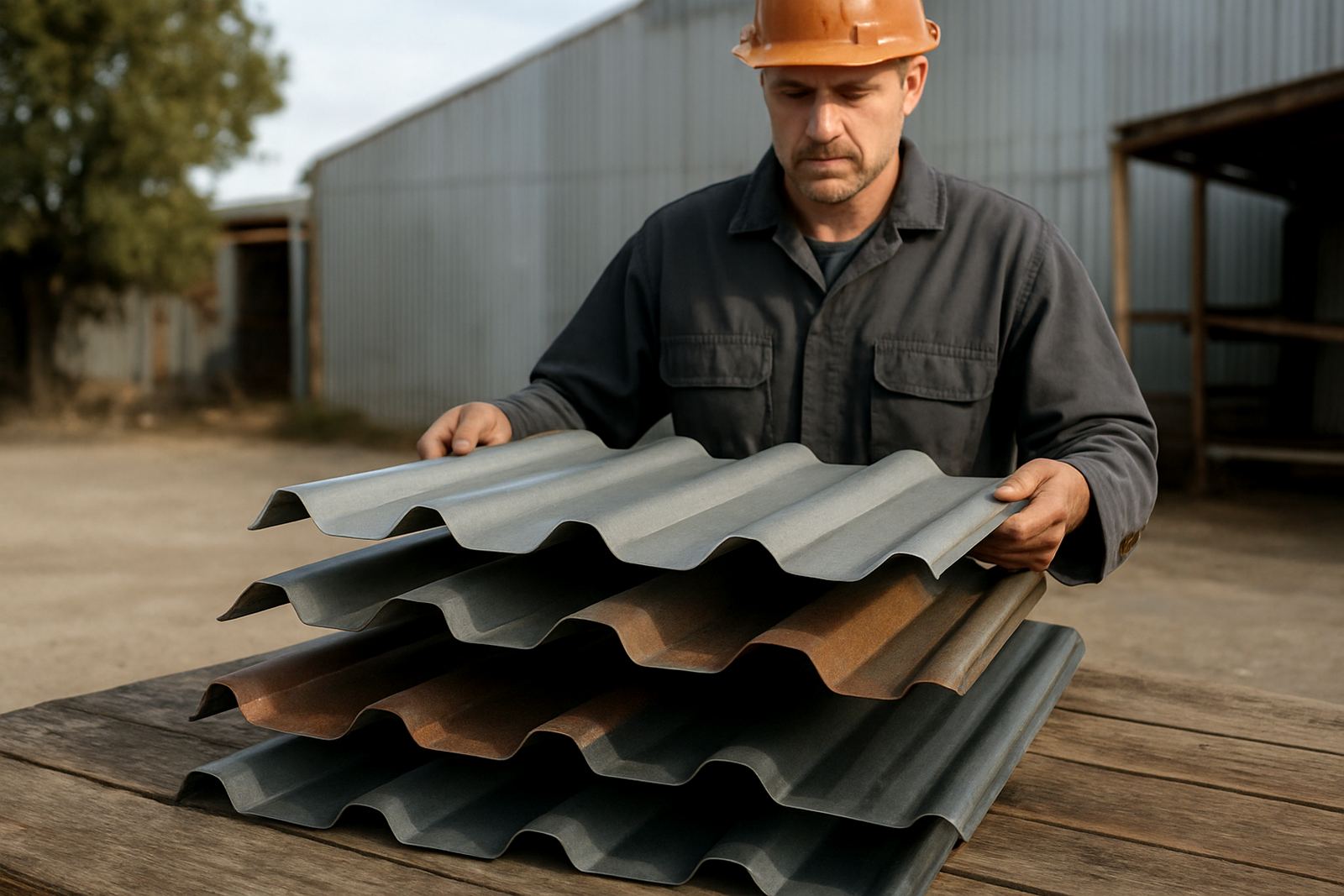
Roof sheet profiles are not all the same. Some carry water better, some handle wider spans between supports and some are easier to clean. A deeper profile usually gives better stiffness and sheds water well, which helps in coastal areas where rain can be driven sideways. A shallower profile can suit smaller structures, but it must be matched to the roof layout and support spacing.
When we measure a roof, we look at how the sheets will run, where the laps land and how the water will leave the roof. A good profile on the wrong support spacing can still fail. The sheet is only one part of the system.
- Check the pitch and expected rainfall exposure.
- Confirm the span between purlins or supports.
- Allow for wind at eaves, ridges and corners.
- Plan overlap and end laps before ordering material.
Span, fixing and support spacing
The distance between supports matters as much as the sheet itself. If the span is too wide, the roof can flex under wind pressure or when someone walks on it for maintenance. That flexing can loosen fixings over time and shorten the life of the installation. In areas like Great Brak River and Wilderness, where wind and salt air are part of daily life, fixings need proper spacing and correct sealing.
We always check the frame and purlin layout before roof sheet installation. If the structure has old members, bent lines or uneven centres, it may need adjustment before new sheets go on. It is cheaper to correct the support now than to keep chasing leaks later.
- Measure support centres accurately, do not guess.
- Use the right fasteners for the sheet thickness and structure.
- Keep edge fixings tight at ridges, corners and verges.
- Inspect for movement after the first strong wind or rain.
Coastal weather changes the material decision
Mossel Bay and the southern Cape bring salt in the air, damp mornings and sudden weather shifts. That means corrosion resistance matters. Roof sheets in coastal areas need proper coating selection, good edge treatment and careful handling during installation. Even small scratches can become rust points if they are left open to the weather.
Where humidity stays high, gutters and flashings need just as much attention as the roof sheets. If the roof sheet and flashing are not matched properly, water can creep into joins and stain ceilings or wall linings. We often see the real problem at the junctions, not on the open roof field.
For sheds near the sea, carports and workshops, the right choice often comes down to balancing cost, durability and maintenance access. There is no point saving on the sheet if the fixings, flashings and gutters are likely to fail first.
A simple step by step selection process
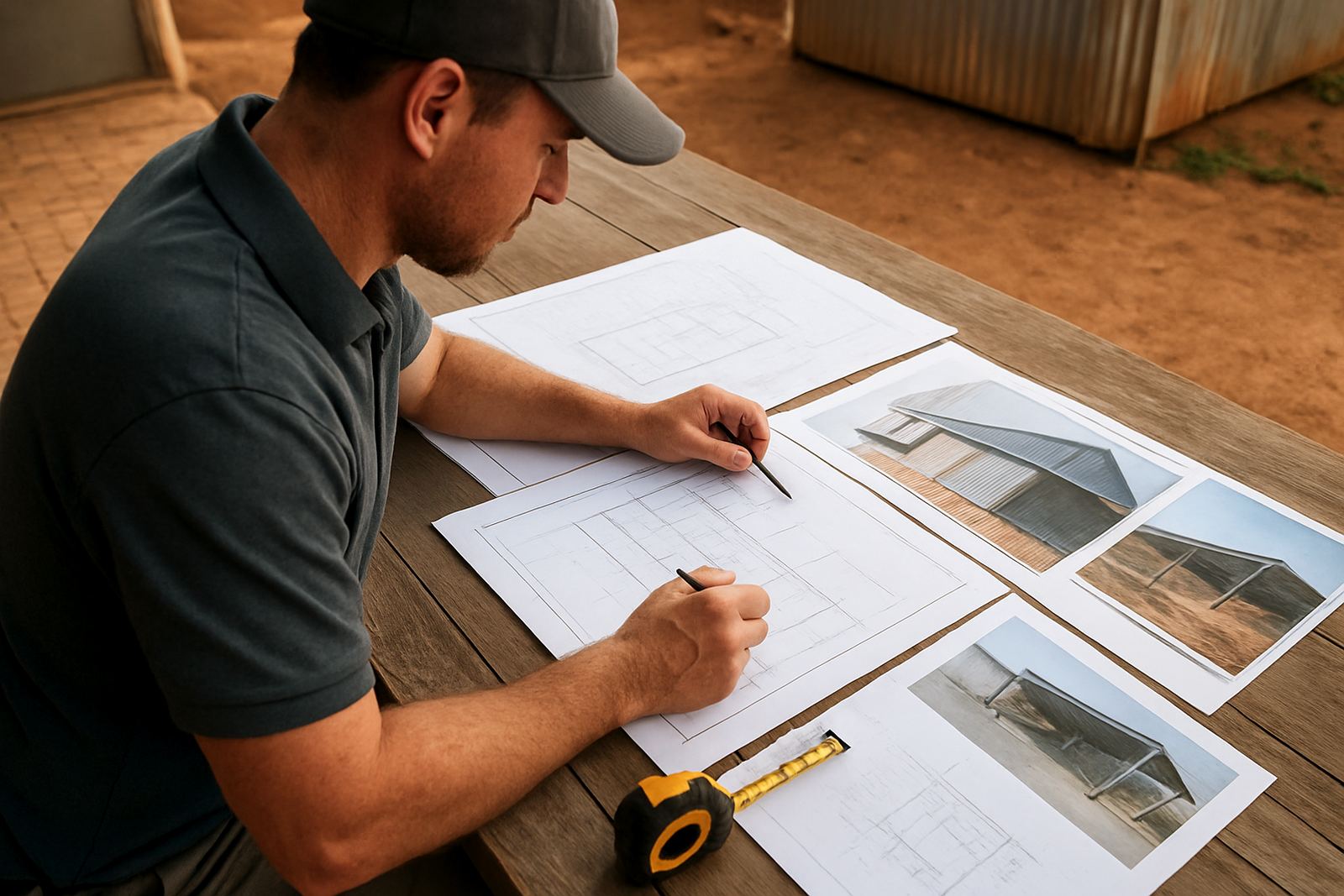
If you are comparing options, work through the roof in order. That keeps the decision practical and reduces costly changes once fabrication has started. A proper site measure makes all the difference, especially on older buildings where nothing is perfectly square.
- Measure the roof length, width and pitch on site.
- Check the support spacing and frame condition.
- Confirm exposure to wind, salt air and runoff.
- Choose the profile that suits span and drainage.
- Plan flashings, gutters and ridge details at the same time.
- Allow for maintenance access and future repairs.
If the building is in a municipal area with strict runoff or boundary rules, gutter positions and water discharge points should be planned early. That avoids last minute changes and extra work once the sheets are already cut.
What to inspect before ordering or replacing sheets
Whether you are building new or replacing old roofing, a short inspection can save a lot of trouble. Look for rust at screw lines, lifted laps, cracked sealant, sagging runs and blocked gutters. On older roofs, leaks often start where two materials meet, such as sheet to flashing or sheet to wall.
Use this checklist before placing an order:
- Are there signs of rust or thinning at fixings?
- Is the roof pitch suited to the current profile?
- Do the gutters carry water clear of the walls?
- Are there broken or loose sheets after recent wind?
- Has the frame moved or settled unevenly?
If you are unsure, a maintenance inspection is worth it. A small repair now can prevent damage to ceilings, stock and electrical fittings later. In load-shedding periods, many clients also want to use the same visit to check carports, workshop roofs and steel structures at once so the whole site stays in order.