Start with a proper inspection before any sheets come off
Before you commit to a roof replacement, get the roof measured and checked properly. In Mossel Bay and the southern Cape, older roofs often fail in more than one place at once: tired screws, rusted sheeting, cracked flashings, blocked gutters and sagging battens. If you only replace the visible sheets, the same leaks can return after the first coastal wind and rain.
A good inspection should show you where the water is getting in, how much of the frame can stay, and whether the roof pitch still sheds water correctly. On industrial buildings and outbuildings, it is also worth checking for loose fixings and any movement in the steel structure. If you are running a business, try to book the inspection after trading hours or early morning so the team can plan around your traffic, deliveries and staff access.
- Check for rust around overlaps, ridges and fastener lines
- Look inside ceilings for damp staining, mould or daylight gaps
- Confirm the gutters, downpipes and outlet positions are still suitable
- Note any areas that need temporary waterproofing before removal starts
Prepare the property so the roof job does not spread through the site
The less clutter around the building, the quicker the work goes. Move vehicles, stock, furniture and tools away from the walls so the installers have clear access for ladders, sheets and waste bins. If the roof edge is near a driveway or loading area, mark it clearly and keep children and pets out the work zone. On a coastal site, sudden wind can turn loose offcuts into a problem very quickly.
If the replacement is on a home, cover items in the ceiling space and take down anything hanging from the roof structure that could shake loose. On a workshop or warehouse, tell staff which doors will stay open and which bays must remain clear. It also helps to arrange parking away from the building so there is room for material delivery and, if needed, a small crane or bakkie with a trailer.
- Clear access to all sides of the building
- Move cars, stock and fragile items away from the walls
- Protect ceilings, loft storage and equipment from dust
- Agree on safe walkways for workers and occupants
- Set aside space for removed sheets, scrap and new materials
Plan for weather, load shedding and business downtime
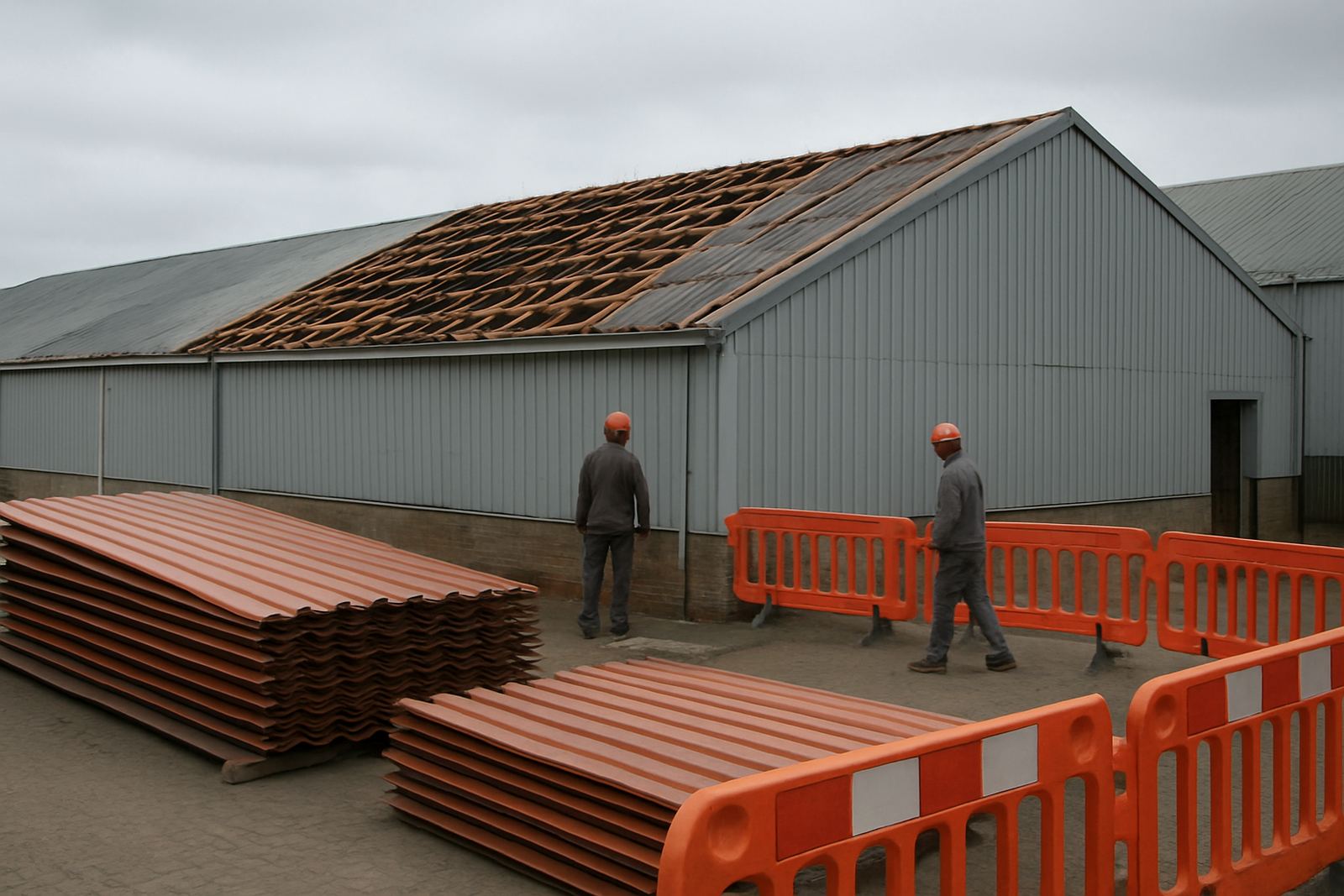
Roof replacement works best when the programme suits the weather, not the other way around. In the southern Cape, a dry window matters because once old sheets are lifted, the building needs to be closed up the same day wherever possible. Ask for the works to be staged so that one section is opened and sealed before the next section starts. That keeps disruption low and helps protect stock, machinery and ceilings.
Load shedding can also slow tools and lifts, so the team should plan for battery tools, generator support or manual sequencing where needed. For businesses, the practical question is not only how long the roof will take but which hours can be noisy and which areas can stay in use. A staged approach lets offices, storerooms or production spaces keep running, even if one part of the building is temporarily off limits.
- Choose a dry weather window where possible
- Ask for the roof to be removed and closed up in sections
- Confirm what happens if wind picks up or rain is forecast
- Plan around load shedding times if power tools are needed
- Keep one contact person available on site for quick decisions
Replace flashings, screws and gutters at the same time
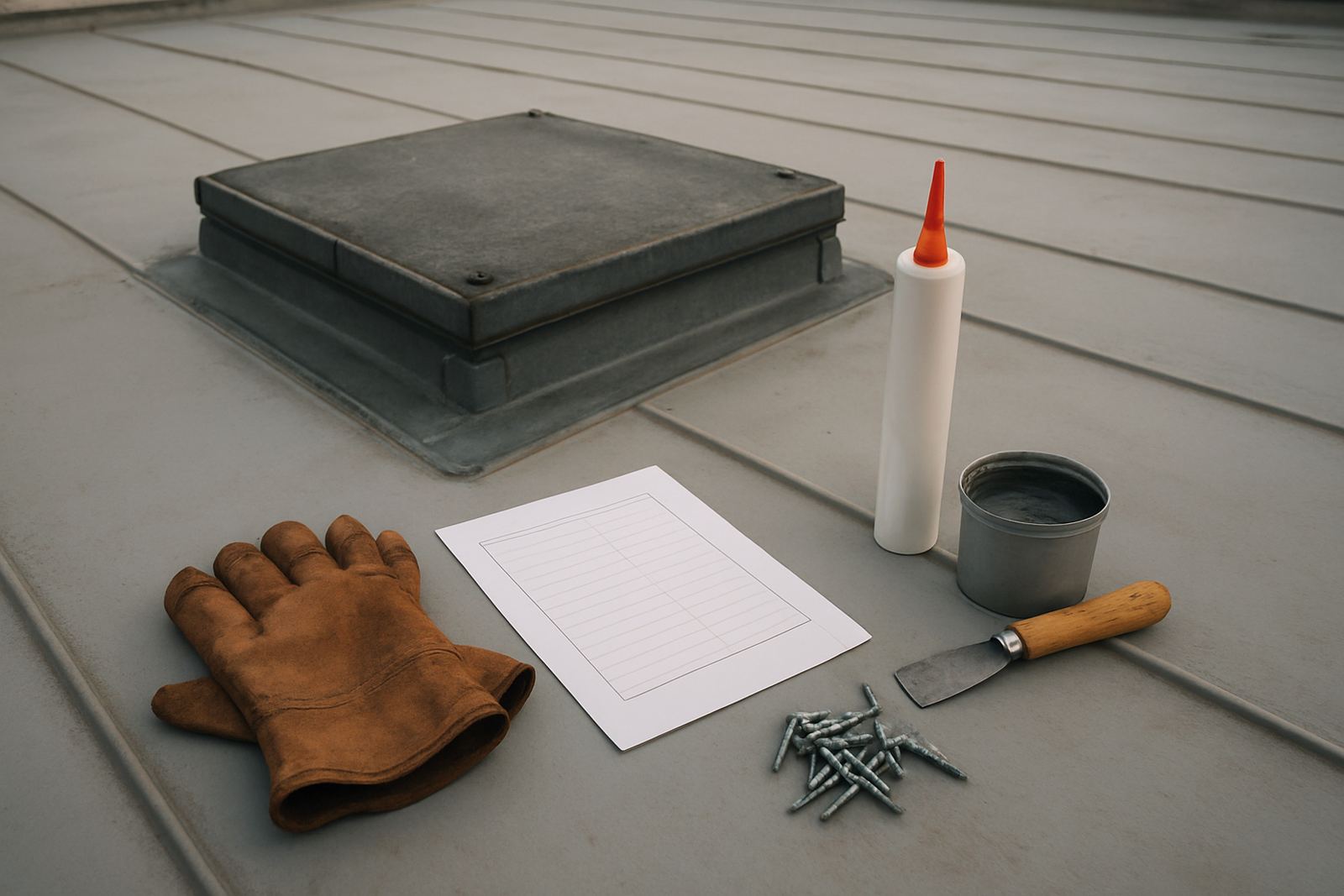
Old metal roofing often fails at the edges and joints first. That is why a proper replacement should include custom flashings around ridges, valleys, parapets, chimneys and wall abutments. If these pieces are reused when they are already thin or bent, the new roof may still leak at the same weak points. In coastal areas, old fasteners also corrode faster, especially where salty air and moisture sit on the roof after winter rain.
Gutters deserve the same attention. If they are dented, undersized or full of old rust, the new roof can overflow during a heavy downpour. It is usually cheaper and cleaner to replace gutters while the scaffolding or access equipment is already in place. Good workmanship here saves future call-outs, water damage and repairs to fascia boards and boundary walls.
- Replace all perished flashings, not only the visible damaged ones
- Use new screws and washers suited to the roof material
- Check gutter falls, brackets and outlet positions
- Seal all joints properly, especially where two materials meet
Keep occupants safe while sheets are being lifted and fixed
Roof work is noisy and there will be falling dust, old sealant, offcuts and broken fasteners. That is normal, but it must be controlled. Clear warnings should go up before work begins and everyone on the property must know which areas are closed. If the building is occupied, make sure there is a safe entry point that stays dry and does not pass under active work.
For schools, small factories, churches and medical rooms, the safest method is often to work outside normal hours or in well defined sections. Good site supervision matters here. One person should manage safety at roof level while another keeps an eye on ground access, deliveries and any public movement. That way the work stays organised and people are not guessing where to walk.
- Set up warning signs and barrier tape before the first sheet comes off
- Keep a clear exclusion zone below the roof edge
- Use safe access equipment and proper fall protection
- Separate public access from contractor access
- Keep emergency numbers and site contacts available
Finish with a checklist before the crew leaves site
Once the new roof is on, do not rush the close out. A final walk through should confirm that every sheet is fixed correctly, all flashings are seated, gutters are secure and no loose cuttings are left behind. Water test the problem areas if needed, especially around valleys, parapets and pipe penetrations. If you can, do the inspection while it is still daylight so small gaps are easier to see.
Ask for a maintenance plan too. A new roof still needs periodic checks after strong wind, winter rain and long dry periods. In places like Mossel Bay, Hartenbos, Great Brak River, George, Wilderness and Sedgefield, a simple twice yearly inspection can catch a small issue before it becomes a ceiling repair. That saves money and keeps the building weather proof for longer.
- Confirm all old debris, nails and offcuts are removed
- Check every ridge, edge and flashing joint
- Test gutters and downpipes for proper flow
- Keep a record of materials used and work completed
- Schedule future maintenance inspections before the first storm season