Why a covered yard area pays for itself
Many businesses do not need another enclosed workshop. They need a dry, shaded space where goods can be unloaded, packed, checked, welded, or repaired without stopping every time the wind picks up. In Mossel Bay and along the southern Cape, that matters because salt air, summer heat, and sudden rain can all interrupt a working day.
A service yard shelter gives you a place to work under cover without losing the open access that a yard needs. It helps keep timber, steel, fittings and bags of material out of the weather, and it gives staff a better area for short jobs that would otherwise happen in the open. For yards that run deliveries, maintenance, or fabrication, that is a practical fix, not a luxury.
- Less weather damage to stock and tools
- Better working comfort for staff during hot or wet spells
- More usable space for loading and sorting
- Cleaner work areas around the main building
What a service yard shelter is usually used for
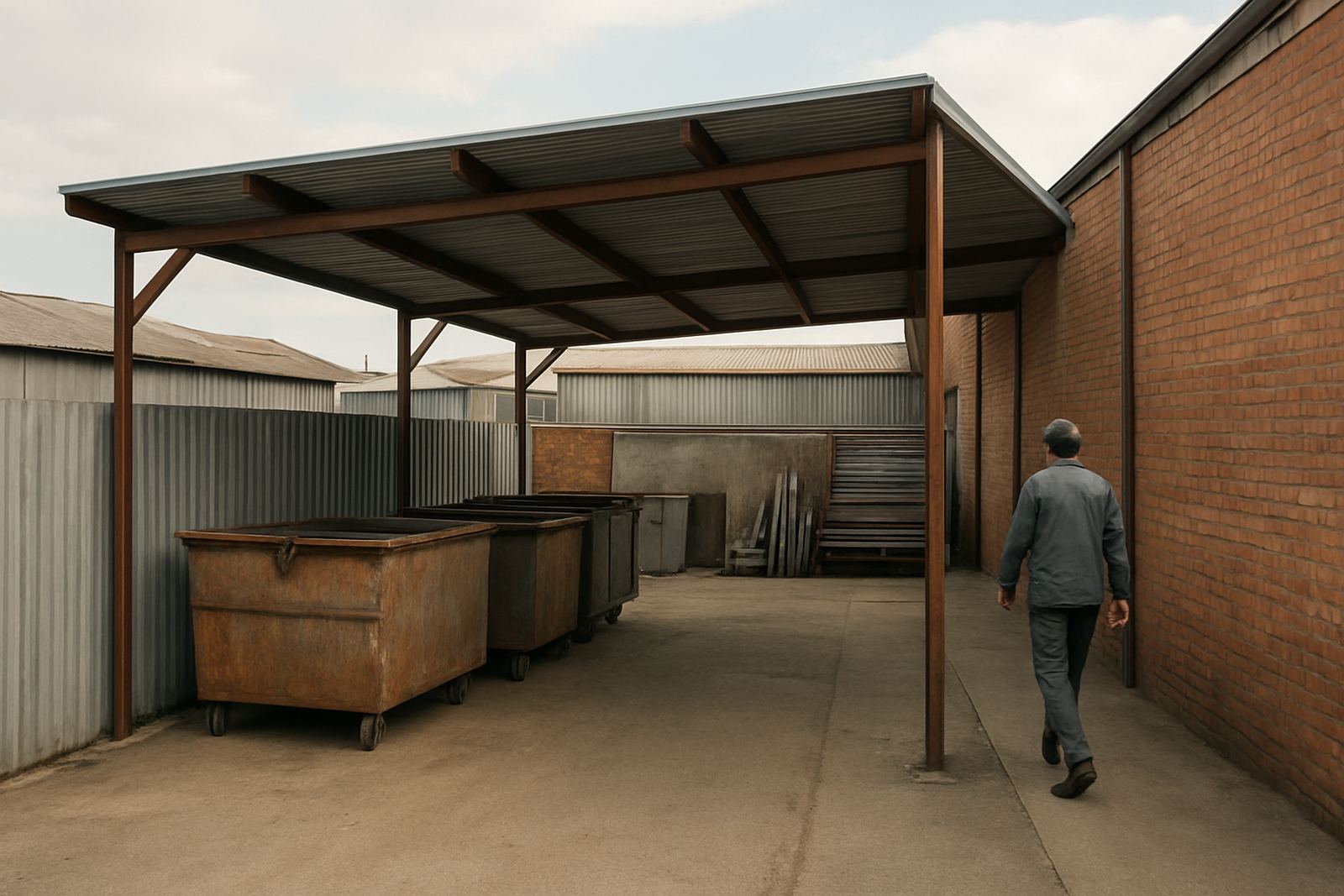
A yard shelter can be built to suit the type of work being done. Some businesses need a simple roof over a loading bay. Others want a covered strip beside a wall for maintenance benches, pipe work, or temporary storage. The structure can be open-sided for air flow, or partly enclosed where wind and spray are a problem.
In coastal towns like Hartenbos and Great Brak River, businesses often choose heavier fixing details and proper corrosion protection because the sea air works on exposed steel. In George, Wilderness and Sedgefield, where rain can stay for longer periods, a good roof pitch and reliable guttering become important. The shape depends on the yard, the traffic flow, and what happens under the shelter on an ordinary weekday.
- Loading and offloading bays
- Dry storage for materials and packaging
- Maintenance and repair workstations
- Temporary cover for plant, trailers and tools
- Extra space for sorting and dispatch
Simple steel shelters are often the smartest choice
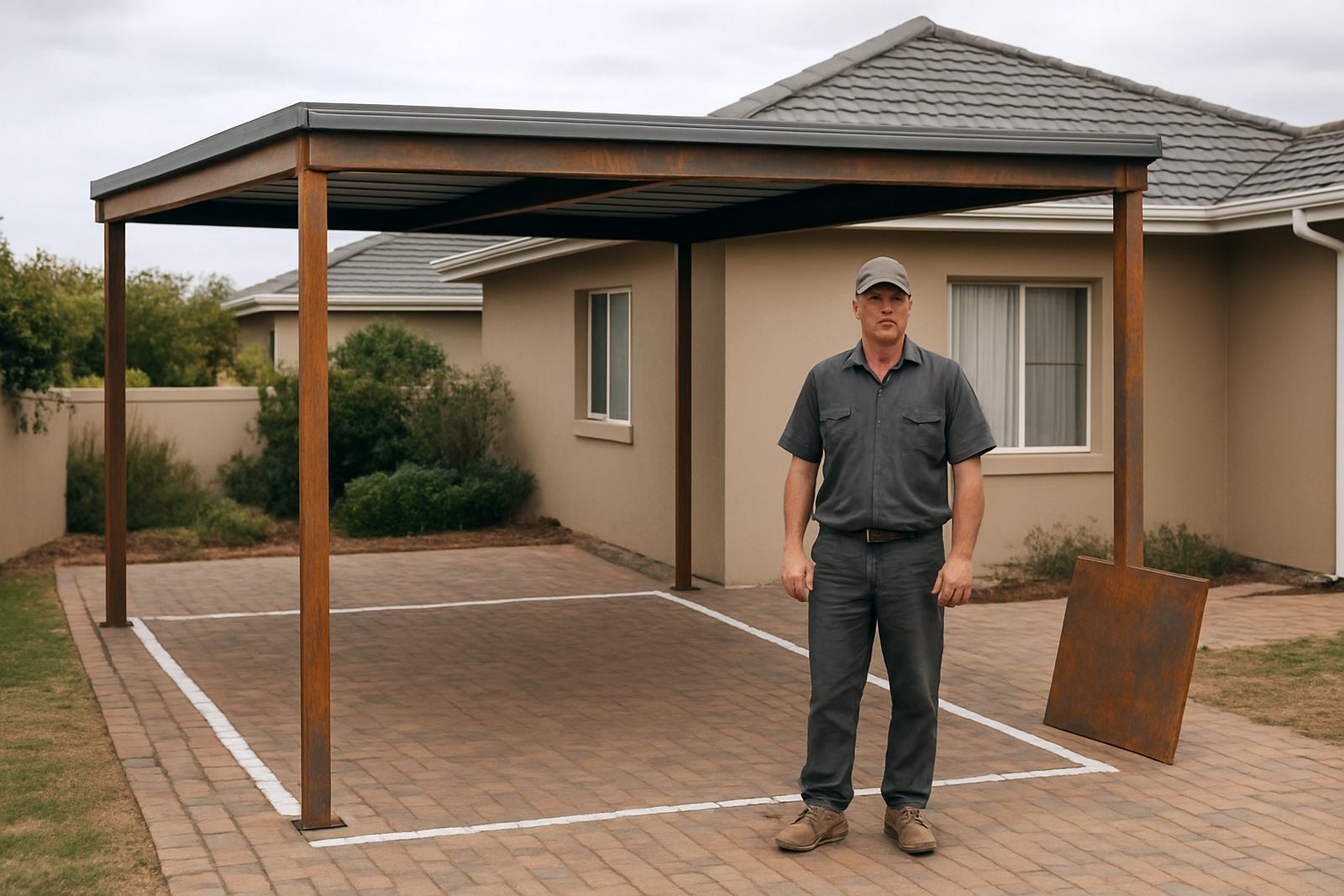
For most commercial yards, a straightforward steel frame with roof sheeting is the most practical option. It goes up quickly, can be sized to fit a narrow side yard or a wider open area, and it can be extended later if the business grows. That helps when you want a structure that does its job without eating up the whole property.
Steel also handles day to day yard use better than light timber in many situations. Forklifts, ladders, moving trolleys and general traffic can be rough on supports and edge details, so the frame must be planned for real use. We look at span, height, access width, drainage and how the shelter ties into the rest of the site. A good roof should move water away cleanly and not dump it where people walk or vehicles turn.
For clients in Mossel Bay industrial and business areas, we often see that a compact, well set shelter works better than a big structure with wasted space. It keeps the yard open, but still gives the crew a dry place to work when the weather changes fast.
Details that matter in the southern Cape weather
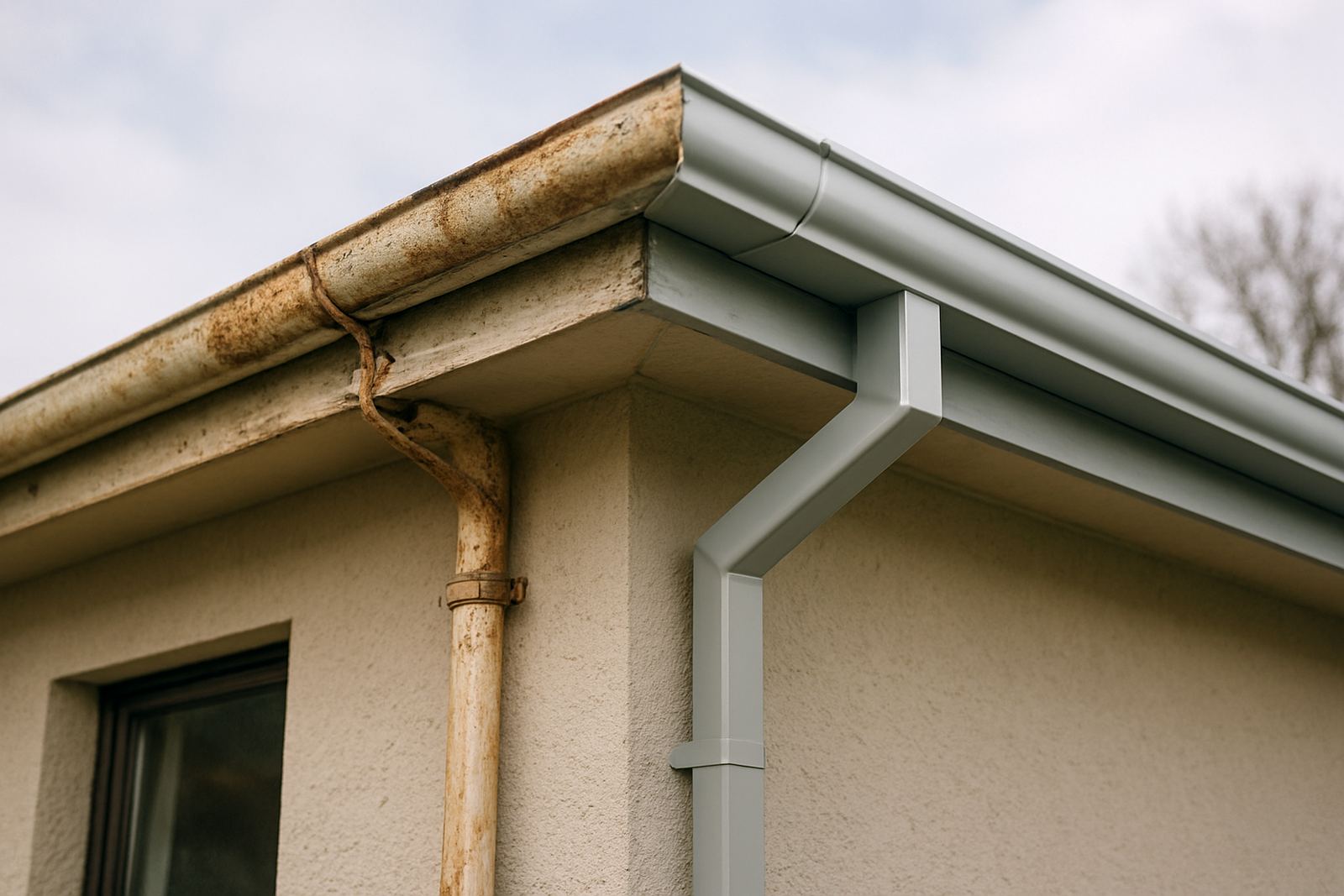
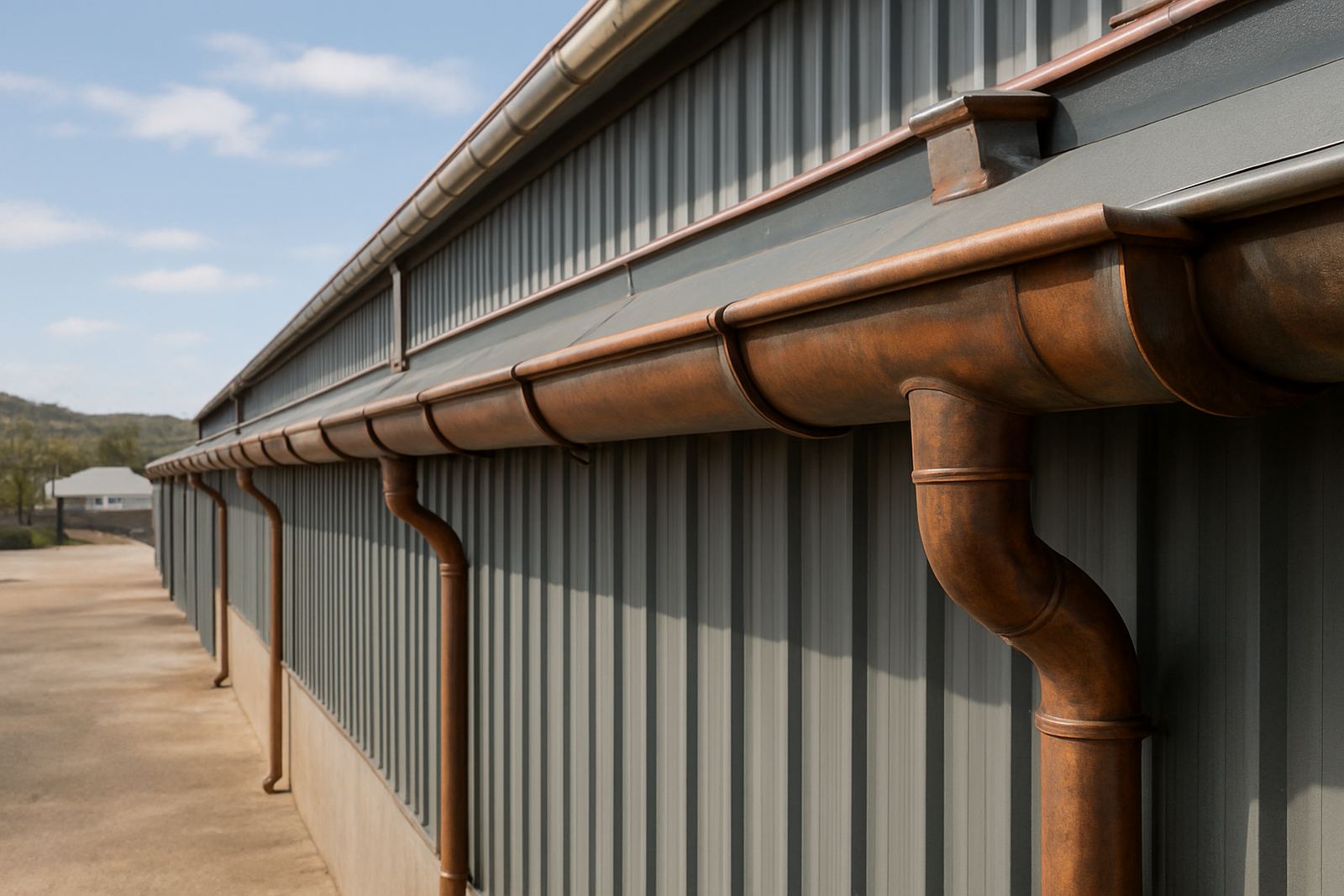
A service yard shelter has to cope with wind, salt air and rain, sometimes all in one day. That means the small details matter. Flashings must be formed properly so water does not creep back under the roof edges. Gutters need enough fall and the right downpipe positions. Fasteners and support points should be chosen with corrosion in mind, especially near the coast.
We also look at noise and movement. A loose roof panel can become a nuisance in strong wind, and poor fixing can lead to leaks around overlaps and penetrations. If the shelter is beside an active workshop, the roof pitch and cladding layout should help shed dust and keep the working area easier to clean. It is also worth planning for load-shedding days, since many businesses end up using these covered spaces for manual tasks when power tools slow down.
- Correct roof pitch for drainage
- Proper flashing around joins and walls
- Gutters sized for heavy rain periods
- Fixings suited to coastal conditions
- Clear access for vehicles and staff
Planning permission and site use before you build
Before a shelter is built, it is wise to check the property boundaries, existing drainage, and any municipal requirements that may apply. On some sites the shelter sits close to a boundary wall or an existing building, which can affect size and placement. If the yard drains badly, the new roof should not send water into a neighbour's property or across a driveway where vehicles will slip.
It also helps to think about fire access, delivery turning circles and where staff will walk. A shelter that blocks a gate or creates a blind corner is no use. For businesses in Mossel Bay, Gouriqua Park and the surrounding southern Cape areas, the right layout can save a lot of trouble later. A measured site visit is usually the best first step because it shows what can fit and what should be left open.
A local example from Mossel Bay
A small contractor in the Mossel Bay area may not need a full warehouse, but they still need a place to keep steel lengths, fittings and repaired parts under cover. A simple steel yard shelter beside the existing workshop can give them a dry area for sorting deliveries in the morning, a shaded space for cutting and prep during the day, and a safe spot for material that must not sit in rain overnight.
That kind of setup is common for businesses that work across Mossel Bay, Hartenbos, George and nearby towns. The shelter keeps the yard active when weather would otherwise slow things down, and it can be matched to the way the business actually works. The best result is usually practical and plain, with no wasted corners and no fussy extras. Just a structure that does the job, every day.
J&E Sheet Metal in Gouriqua Park, Mossel Bay, works on site measuring, steel frame erection, roof sheet installation, custom flashings and gutter work for these kinds of yard shelters, as well as repairs and maintenance where older structures need attention.