Why colour changes heat build-up on sheet metal
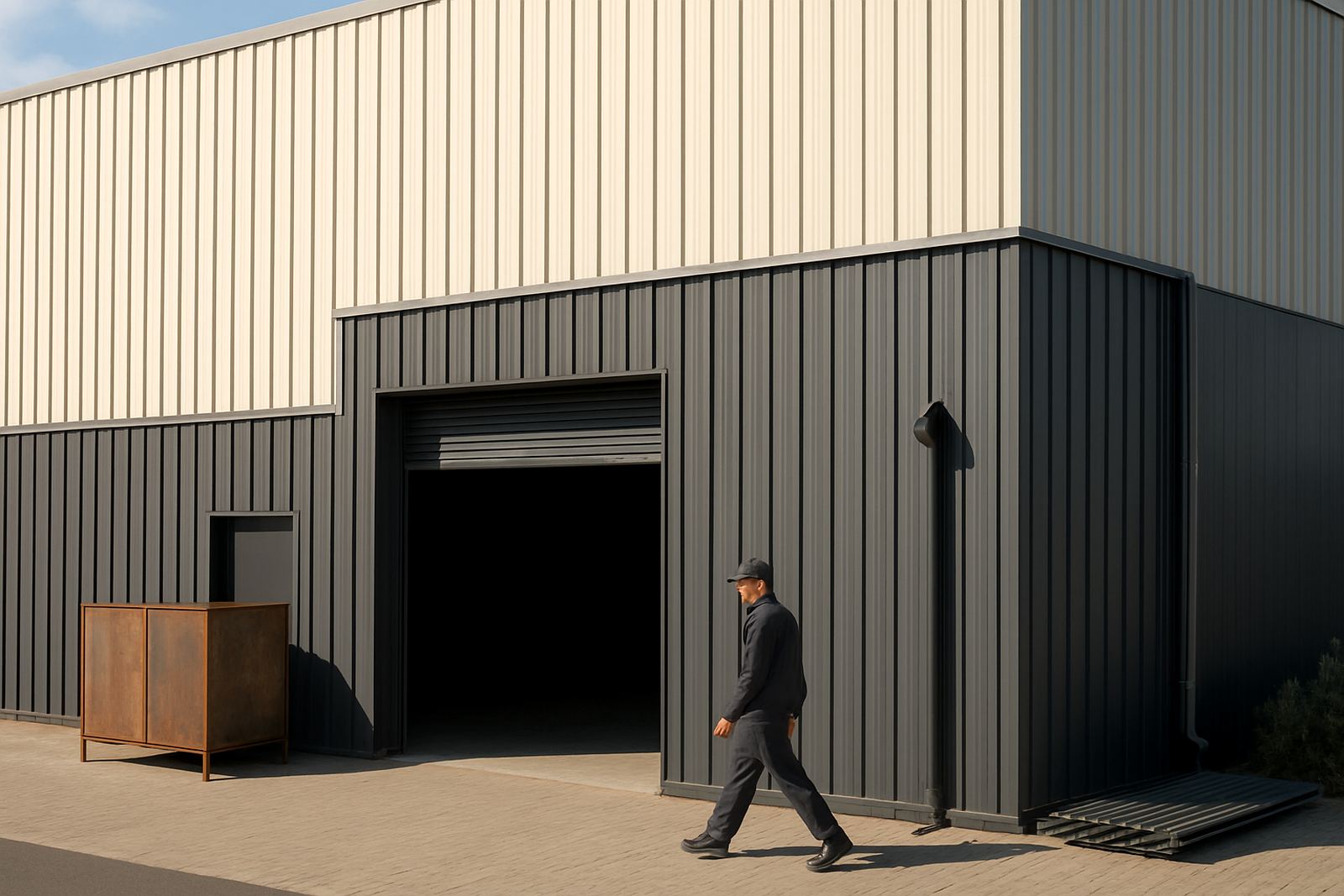
Light colours reflect more sunlight while dark colours absorb more of it, so the sheet can feel very different by mid-afternoon. On a clear summer day in Mossel Bay, a dark cladding profile can become hot enough to make a wall or roof space uncomfortable, especially if there is little shade and not much airflow behind the sheet.
This does not mean dark sheets are always wrong. They can work well on the right building, but they need proper insulation, a ventilated cavity, and careful detailing around flashings and joins. If the structure is used as a workshop, storeroom, or carport, the colour choice should match the way the building is actually used, not just the colour sample book.
How coastal weather in Mossel Bay affects the choice
Along the coast, heat is only part of the story. Salt air, wind, and afternoon sun all work on cladding at the same time. A light colour may help reduce heat gain, but the sheet still needs correct fixing, good seals, and maintenance because coastal humidity can push moisture into small gaps and around fasteners.
In areas like Gouriqua Park, Hartenbos, and Great Brak River, we often see buildings that face strong western sun in the afternoon. A wall on that side can warm up fast, then cool down later in the evening. That cycle can cause movement, noise, and sometimes condensation under the sheet if the roof build-up is not right.
- Use lighter colours on walls that face hard sun for most of the day.
- Ask for insulation where the space will be occupied for long hours.
- Check that the edge details allow water to run off cleanly.
- Make sure the fixings suit coastal conditions and are inspected regularly.
Roofs and walls do not heat up the same way
Roof sheets take the brunt of direct sun, so the colour there usually has a bigger effect than on a vertical wall. A roof can heat up very quickly and transfer that heat into the roof space, then down into the rooms below. Walls still matter, but they often receive less direct sun and cool down more slowly once the sun moves away.
If you are cladding a small storage building, a factory extension, or a carport, think about the parts that get the most exposure. In some cases, a darker wall colour can be acceptable if the roof is lighter and the building has shade on one side. The point is to balance appearance with practical use, not chase one rule for every job.
- Roofs usually need more heat control than walls.
- West-facing elevations often need extra thought in summer.
- Steel framing can conduct heat, so insulation matters as much as colour.
- Under-sheet ventilation helps reduce trapped hot air.
Matching colour to the building use
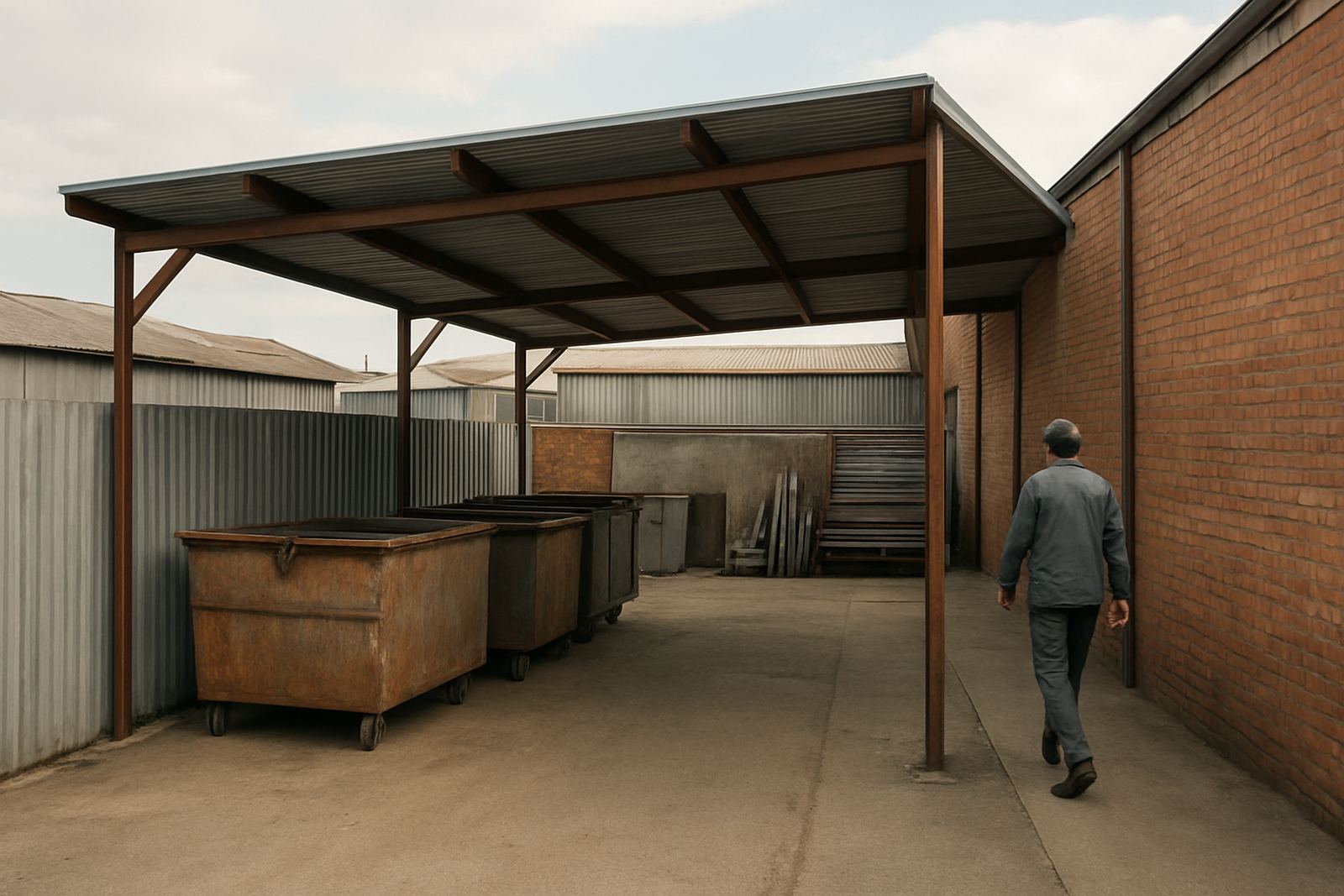
A carport for staff parking does not need the same finish as a poultry store, a garden shed, or a home workshop. A family garage that is opened only in the evening can often cope with a darker cladding tone than a workshop where someone spends eight hours a day inside. The same goes for steel buildings used for storage versus those used for workbenches and equipment.
When we do site measuring in Mossel Bay, George, or Wilderness, we look at orientation, wind exposure, and how the building will be used. That helps us advise whether a colour should be chosen mainly for heat control, for blending into the surroundings, or for keeping a clean look over time. Sometimes the answer is a practical mid-tone rather than the darkest or lightest option.
- Occupied spaces usually benefit from cooler colour choices.
- Storage buildings can allow more flexibility if insulation is fitted.
- Carports need colour choices that suit glare and surrounding surfaces.
- Maintenance access should be planned before final colour selection.
Detailing matters as much as the sheet colour
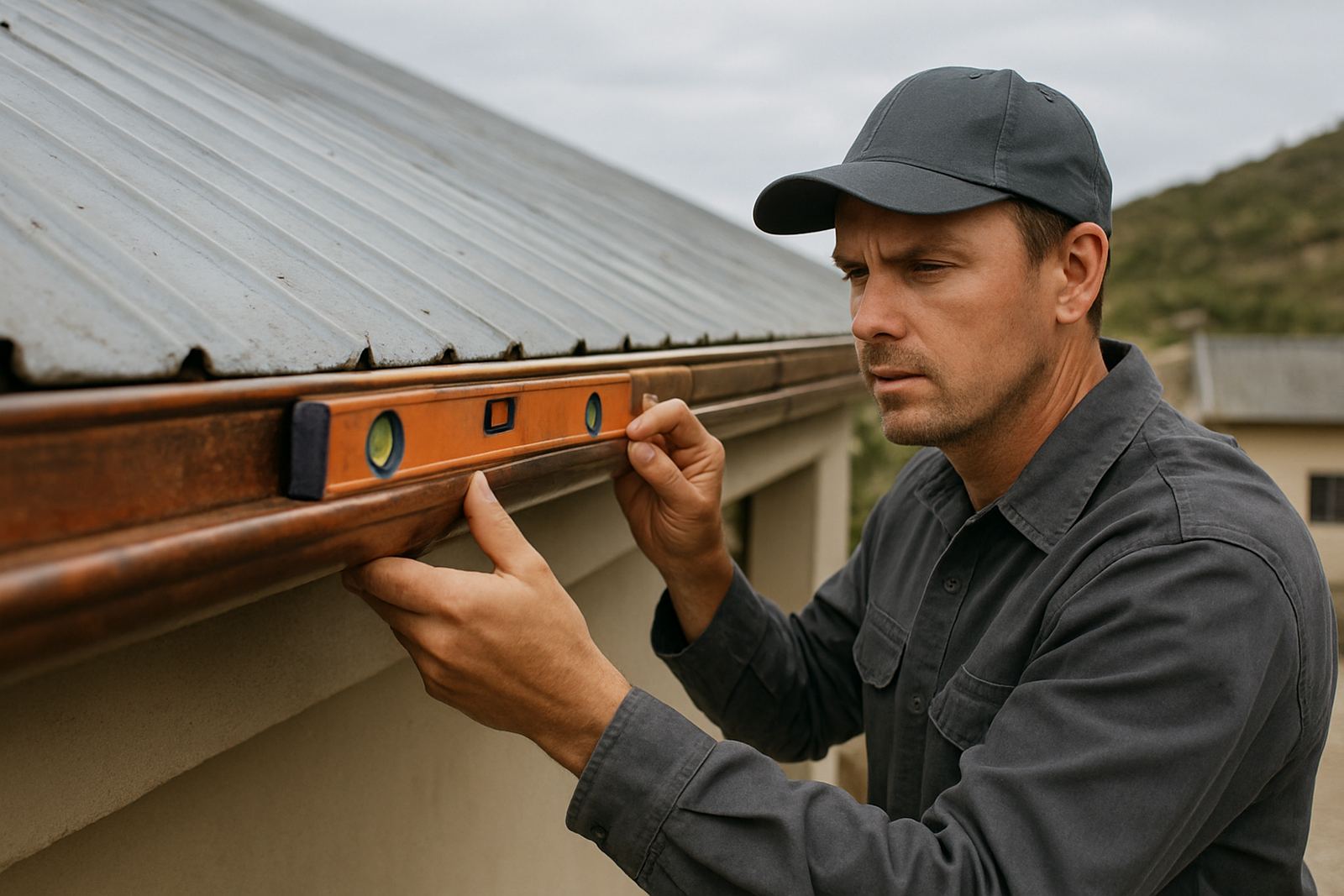
Even the best colour choice will not fix poor installation. If flashings are badly cut, gutters are undersized, or the sheets are fixed too tightly, the building can still overheat or leak. Heat movement makes sheets expand and contract, so the way the cladding is installed has a direct effect on long-term performance.
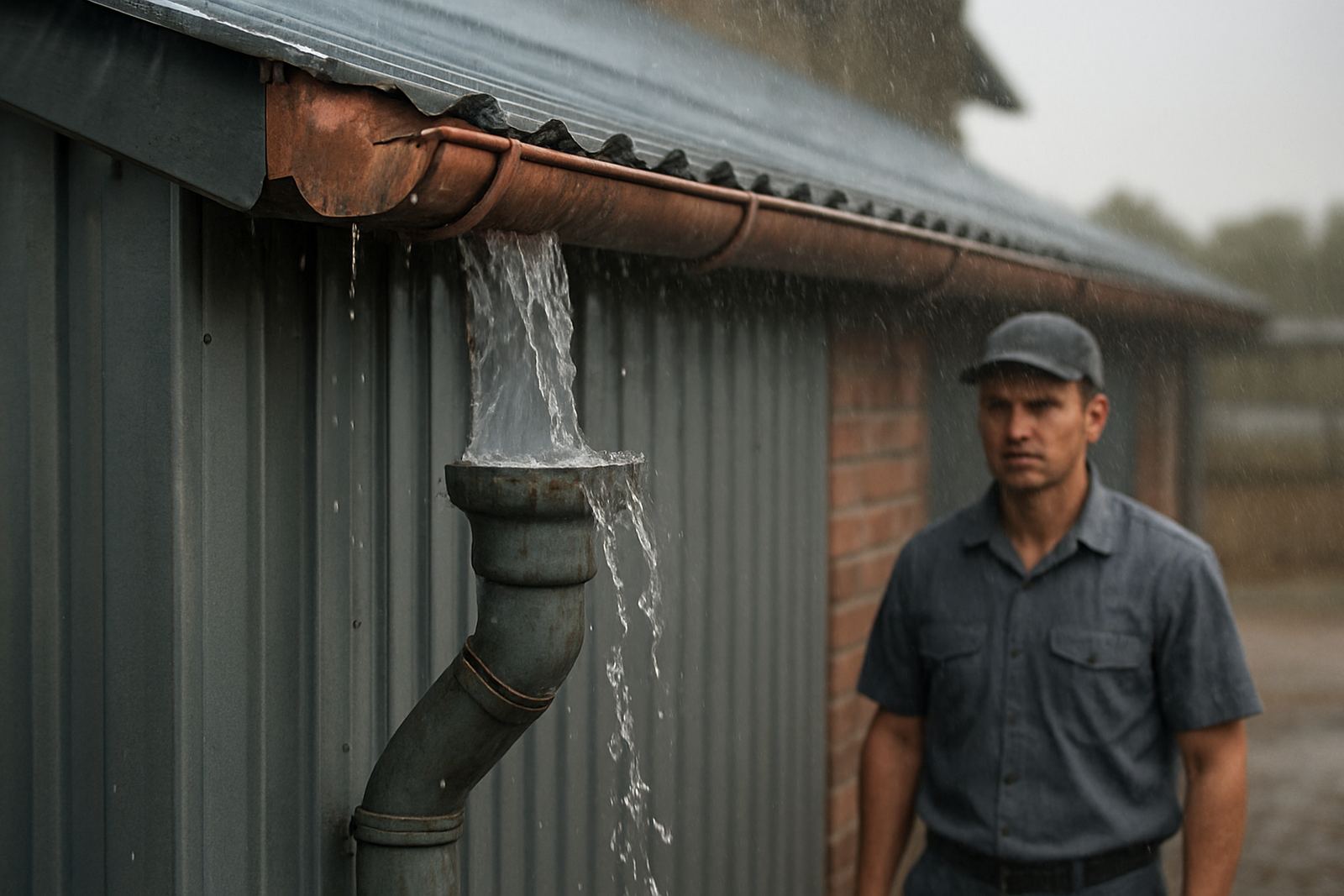
We often see problems where a sheet colour was blamed for heat, when the real issue was a missing insulation layer, poor overlap at the joints, or a gutter that could not handle heavy rain. In the southern Cape, winter storms can arrive after a hot spell, so the same roof must deal with both conditions. Good workmanship is what keeps the building usable all year.
A local example from a Mossel Bay workshop
A common case is a small workshop near Mossel Bay or Hartenbos where the owner wants a neat finish and lower heat inside. If the structure faces afternoon sun and the roof is shallow, a dark roof sheet can push the inside temperature up quickly. The owner then notices the space feels stuffy by lunchtime, and the fan or extractor has to work harder.
In that situation, we would usually look at a lighter roof colour, proper roof sheet installation, cleanly folded flashings, and insulation that suits the use of the building. If the walls also get strong sun, we may suggest a colour that keeps the building practical without making it look washed out. It is a simple trade-off, but it saves trouble later.
For a coastal workshop, we also check gutters, overflows, and maintenance access. Salt, leaves, and windblown grit can block outlets faster than many people expect. A good colour choice helps with heat, but the whole building has to perform as one system.
Simple questions to ask before you choose a cladding colour
If you are planning new cladding, start with the basics. How long will the space be used each day? Which side gets the strongest sun? Will the building be insulated? Can the roof and wall sheets be maintained easily? These questions help you choose a colour that suits the building instead of just the sample.
For many properties around the southern Cape, the best result comes from balancing three things: heat control, appearance, and durability. That might mean a lighter roof, a practical wall colour, and proper detailing around gutters, corners, and openings. Done properly, the building stays cooler, lasts longer, and needs less fixing later on.
If you are unsure, it is better to ask before fabrication starts. A small change in colour or build-up can make a big difference, especially when the sun is hard in summer and the wind carries coastal moisture in off the bay.