Why some metal roofs sound louder in a storm
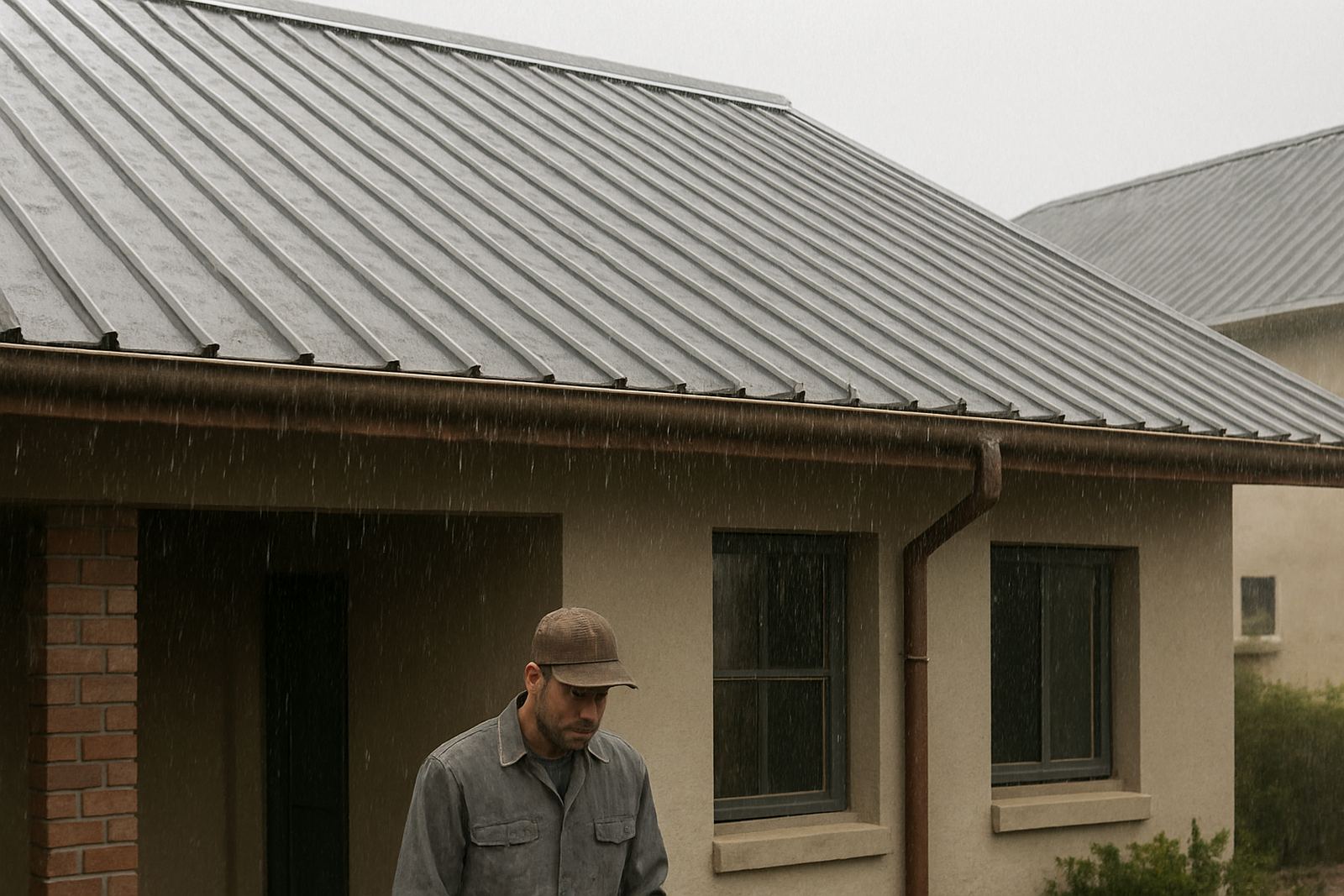
People often say a roof is too noisy when rain starts, but in most cases the sheet itself is not the only cause. A thin sheet fixed with too much span between supports will drum more than a well-supported roof, and loose items like flashings or gutters can add a rattle that carries through the whole building. On coastal jobs around Mossel Bay, salt air and wind also matter, because a roof that moves even slightly in gusty weather can make more noise when rain hits.
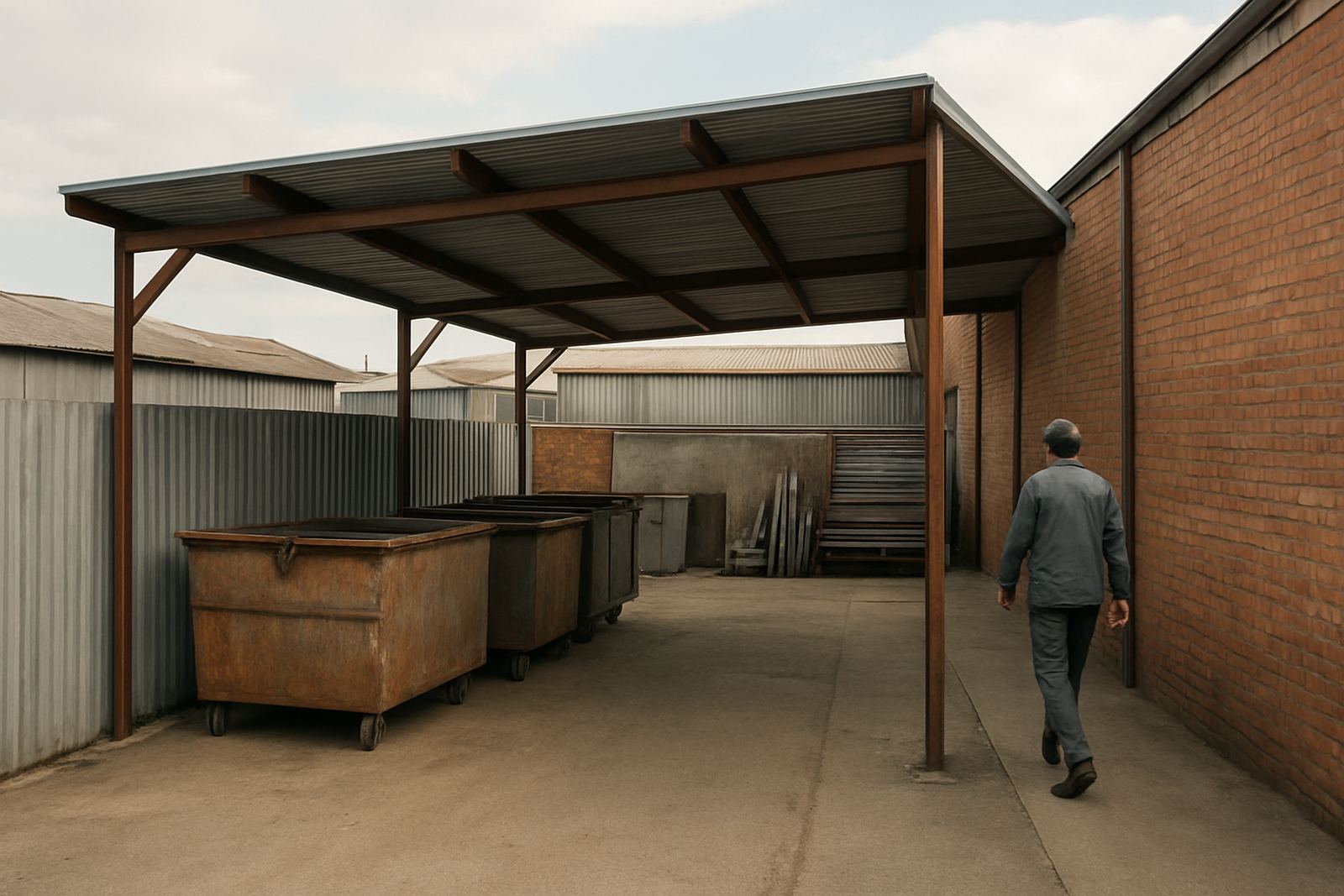
Roofs over open-plan spaces, workshops and carports tend to sound louder than roofs over rooms with ceilings and insulation. There is less material between the rain and the person inside, so the sound travels faster. In a home, you may hear a steady patter. In a steel shed or carport, it can become a sharper drumming effect, especially on larger sheet areas.
- Sheet thickness and profile depth
- Spacing and strength of the supporting structure
- Fixing type, washers and fastener tightness
- Presence of insulation or ceiling boards
- Wind exposure and local weather patterns
How roof design changes the sound of rain
Roof design has a big say in how much noise reaches the inside of a building. A steep roof often sheds water more quickly, so the rain does not sit and slap the surface for as long. A flatter roof can hold noise longer, especially if water pools in small low points or if the drainage is slow. Good slope and correct water run-off make a noticeable difference.
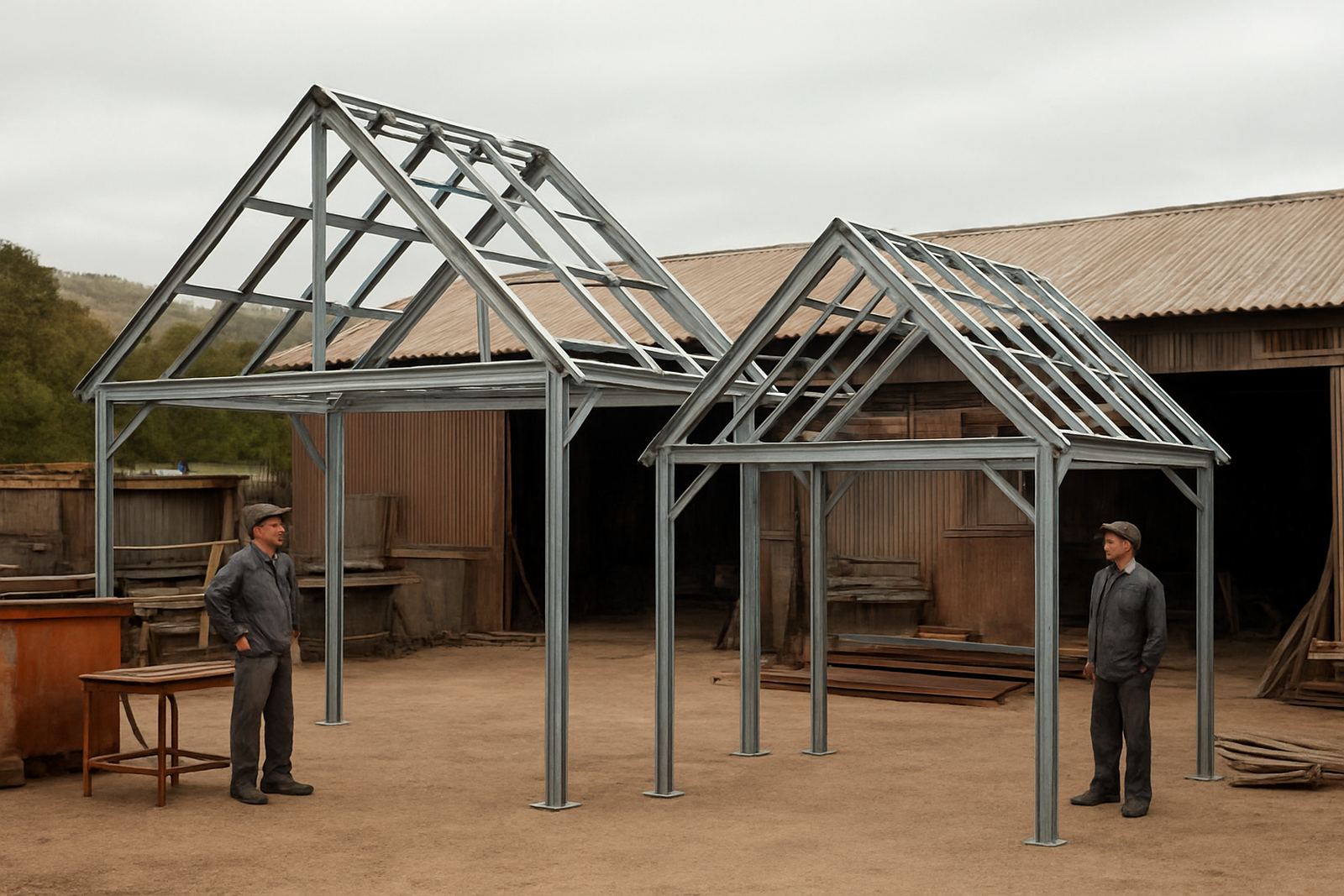
The support frame is just as important. If purlins are too far apart, the sheet has more room to vibrate. If the sheet is secured properly and the structure is true, the whole roof stays calmer in heavy rain. We see this often on light steel carports and small commercial roofs where a few extra support points can reduce noise and movement more than people expect.
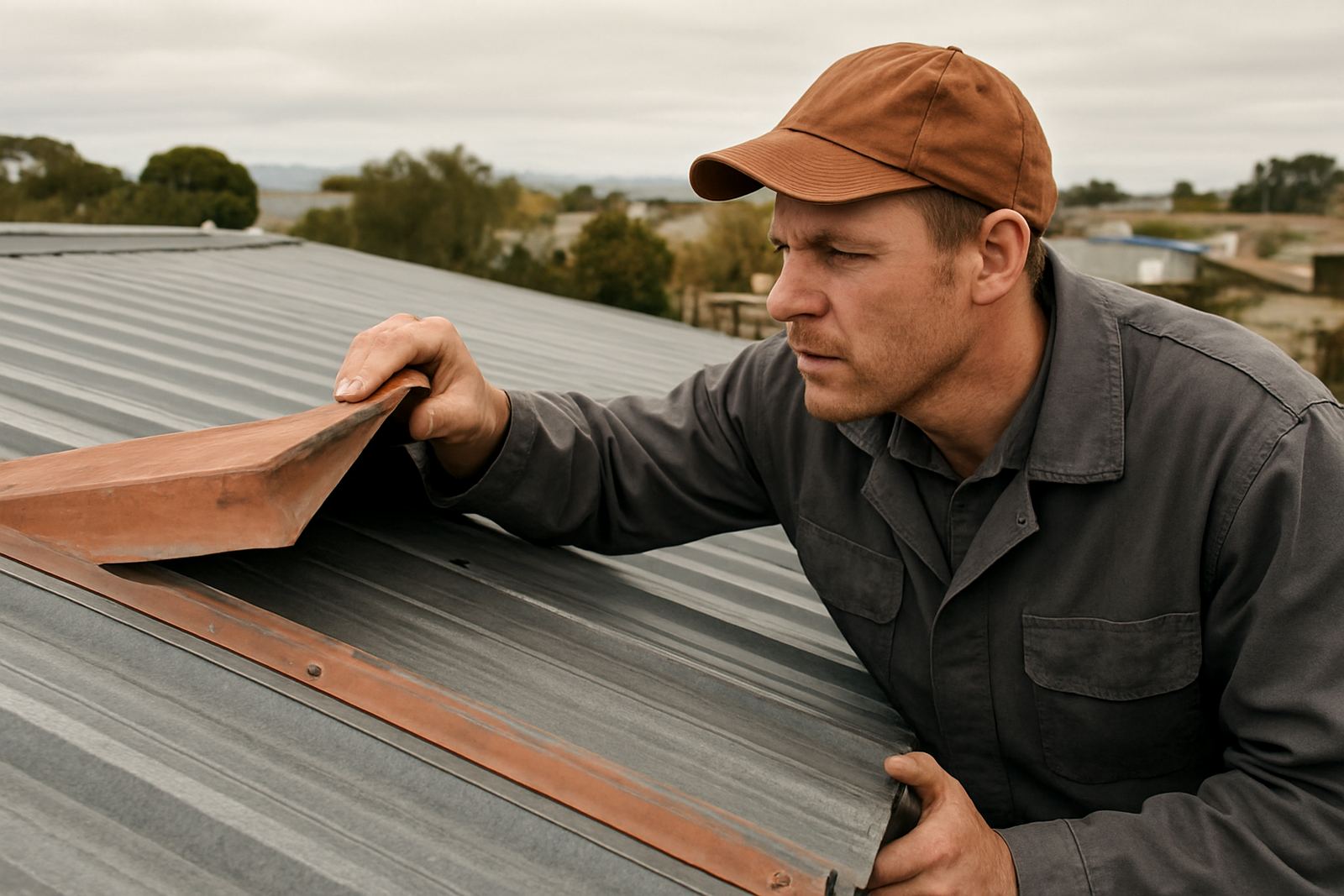
Gutters and flashings should also be made and fitted carefully. A loose cover flashing, an overlong gutter bracket, or a badly seated end cap can ring or buzz when rain and wind hit together. On a wet evening in Hartenbos or near the sea in Great Brak River, that extra sound can become very noticeable.
- Steeper slopes reduce water dwelling time
- Tighter support spacing limits vibration
- Neat flashing details reduce buzzing and rattles
- Correct gutter falls help water leave the roof faster
What helps a roof sound quieter in the rain
If noise is a concern from the start, there are practical ways to manage it without overcomplicating the build. One common solution is adding insulation or lining material beneath the sheet. This helps absorb sound and can also improve heat control, which is useful in summer and during load-shedding when people rely less on fans and more on natural comfort. Even a modest layer can make a clear differnce in an enclosed space.
Another useful step is choosing the right sheet profile and fixing pattern for the job. Some profiles carry sound differently, and the wrong fixing pattern can let sheets flex too much. A site measure before fabrication helps match the roof design to the span, the exposure and the purpose of the building. For a storage shed in George, the solution may be different from a carport in Wilderness or a workshop in Sedgefield.
- Use insulation or ceiling lining where the building allows it
- Match the sheet profile to the span and use
- Keep fixings straight and properly tightened
- Check that all flashings and cappings sit firm
Noise control is not only about comfort. A quieter roof often points to better fitment, less movement and fewer problem spots that could lead to wear later on.
The local Mossel Bay factor: wind, salt and storm rain
Along the southern Cape coast, the weather can turn fast. Mossel Bay gets wind-driven rain that can strike a roof from the side, not just from above. That means a roof that sounds fine in a gentle shower may become much louder in a southerly blow. Salt in the air also means fixings, flashings and gutters need the right attention, because corrosion can loosen parts over time and that can create extra noise.
For homes and light industrial buildings in Gouriqua Park and nearby areas, we often look at the roof as a complete system. The sheets, the frame, the gutters, the wall cladding and the flashings all work together. If one part is under-specified or installed carelessly, the whole building can seem noisier in rain.
A practical local example is a steel carport near the coast. If the sheets are fixed onto light supports with wide spacing, the owner may hear a sharp hammering sound each time a storm rolls through. When the same roof is strengthened with better spacing, tighter detailing and properly made flashings, the rain is still there but the noise drops to a much easier level.
When rain noise points to a maintenance issue
Some roof noise is normal. Sudden changes in sound are worth checking. If a roof that used to sound steady now has a ticking, tapping or metal-on-metal rattle, something may have shifted. It could be a loose sheet, a lifted flashing, a failing screw washer or a gutter bracket that has worked itself free. In coastal towns, small faults can grow faster than people expect, so it pays to inspect early.
We also recommend checking roofs after strong wind or heavy rain. A quick maintenance inspection can show up the issue before it causes leaks or more noise. This is especially important on buildings that take a lot of weather, such as workshops, storage areas and carports with open sides. Once a loose part starts moving, it often gets worse with each storm.
- Listen for new rattles after wind or hail
- Look for lifted flashings or loose gutter sections
- Check for leaking points around screws and overlaps
- Inspect roof movement near corners and exposed edges
Sometimes the fix is small, but you need to catch it early. A short visit can save a larger repair later and keep the roof quieter too.
Choosing the right build for a quieter roof
If you are planning a new roof, carport or steel structure, it makes sense to think about rain noise before the work starts. Design choices made at the measuring and fabrication stage can save a lot of frustration later. The best answer is usually not one single product, but a proper combination of structure, sheet selection, fixings and finish details.
At J&E Sheet Metal in Gouriqua Park, Mossel Bay, we work on roof sheet installation, custom flashings, gutter fabrication, steel frame erection, carports and leak repairs across Mossel Bay, Hartenbos, Great Brak River, George, Wilderness and Sedgefield. For projects in exposed spots or close to the coast, we pay close attention to fixing lines, support spacing and how the roof will behave in rain and wind over time. That practical approach matters more than fancy talk.
If you are not sure whether your roof is too noisy or just needs a better setup, a site measure and inspection will usually show the way forward. A roof should handle the weather, not turn every storm into a problem inside the building.