Why installation day is won in the workshop
On site, time is always harder to buy back than on the workshop floor. If a roof sheet is short by 20 mm, a gutter outlet is missing, or the flashings arrive in the wrong order, the installer stops, phones around and waits. That is where a half day disappears. Good workshop to site flow avoids that pressure by treating every job as one chain, not separate tasks.
For work around Mossel Bay, Hartenbos and Great Brak River, that matters even more because crews often work in coastal wind, tight access streets and homes where neighbours do not want a truck blocking the road for long. When the parts are measured, cut, folded and grouped before dispatch, the installation crew can get on with fixing and sealing instead of sorting and checking on the driveway.
Site measuring sets the whole sequence
Accurate measuring is the first step because it decides what gets made, what gets delivered, and in what order the crew will fit it. A proper site visit looks at roof pitch, eaves lengths, fall for gutters, wall heights, fascia details, anchor points and access for lifting. It also checks whether the property sits in an area with strict boundary lines or visible street frontage, which can affect carport placement and roof work.
- Check actual lengths, not just plan dimensions
- Note wind exposure, especially near the coast
- Confirm access for ladders, scaffolding and a small delivery vehicle
- Mark any pipes, cables, awnings or existing leak points
When the measure sheet is clear, the workshop can make each part to suit the job and avoid on-site trimming that wastes time and creates more offcuts than needed.
Fabricate in the order the crew will install
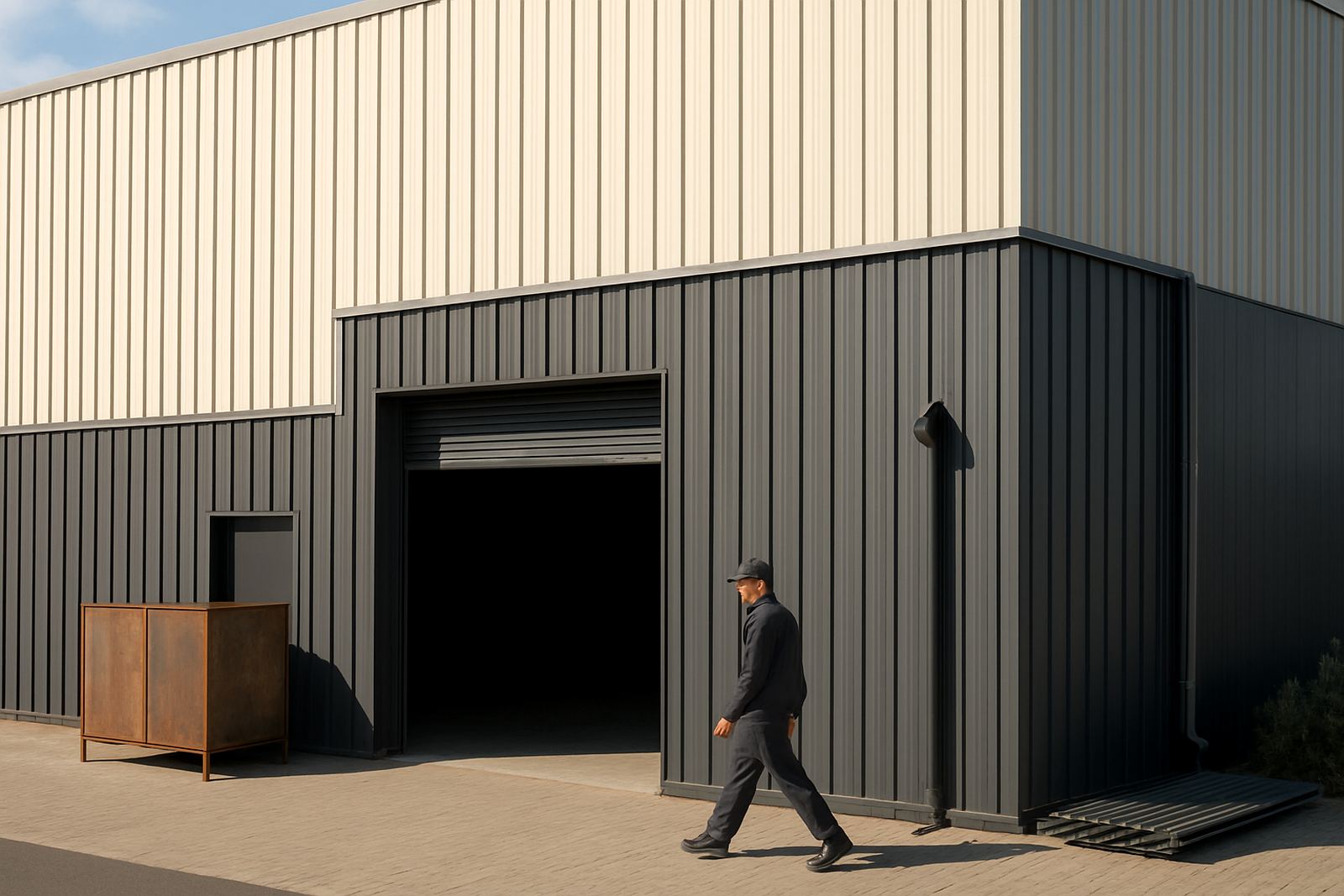
There is a practical way to build a job in the workshop: start with the parts that set the line, then make the parts that close it in. For a roof and gutter package, that may mean fascia pieces and brackets first, then gutters, then outlets and downpipes, and only then the flashings and edge trim. For wall cladding, the starter flashing, corner pieces and closing flashings need to be ready before the sheet pack goes out.
This order helps because the installer can follow the same sequence at the property. There is less carrying back and forth, and less chance of fitting a finishing item before a base item is confirmed. It also helps the foreman check quality against the same list the estimator used, so mistakes are picked up in the workshop not after the truck has left.
Packing and labelling save minutes that add up
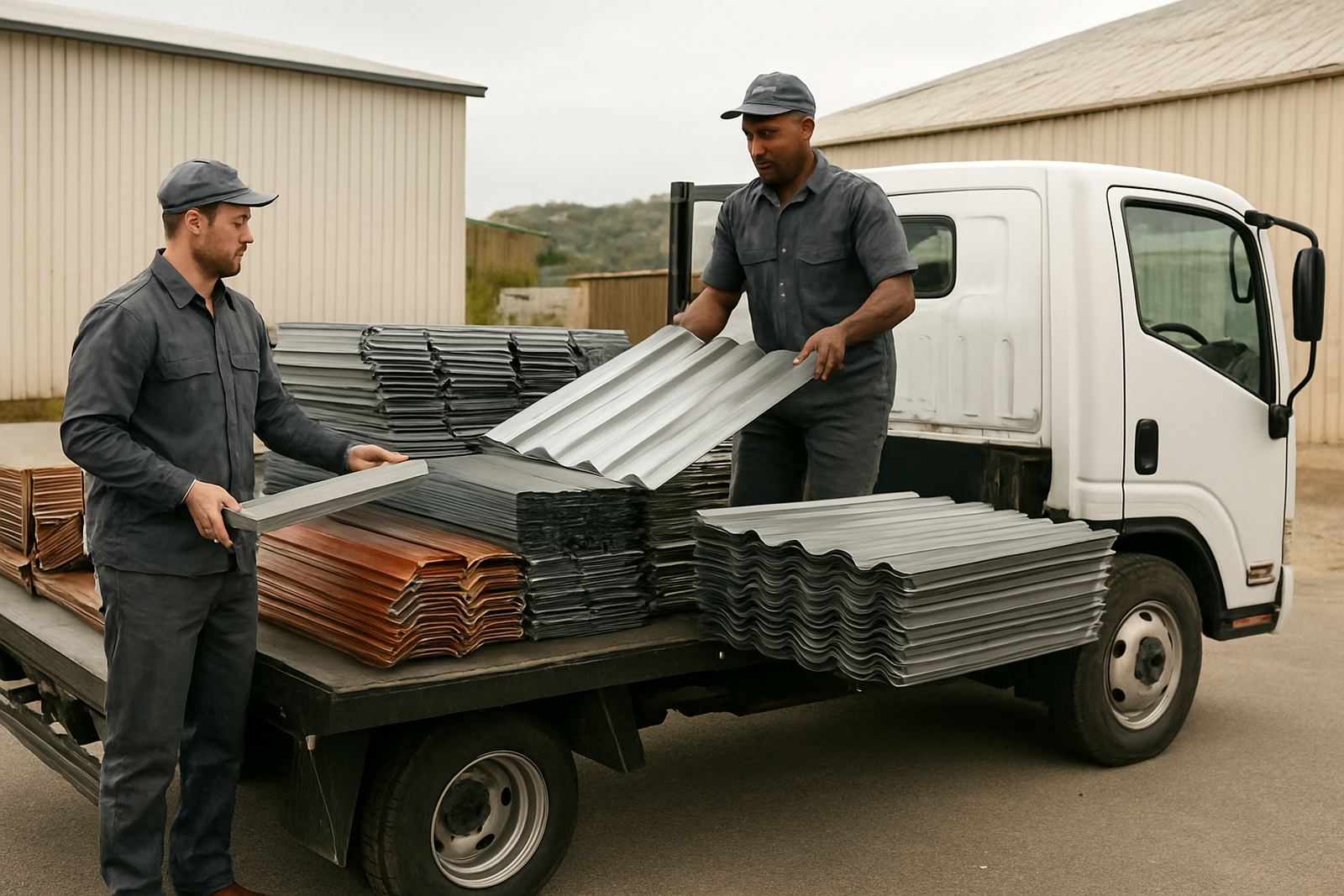
On small domestic jobs, saving five minutes here and there may not sound like much. On a bigger steel structure or a row of carports, those minutes stack quickly. Proper packing means the first items needed on site are on top or in their own bundle, and fragile edges are protected from scratches during transport. Labels matter too, especially where several lengths look similar once they are wrapped.
- Separate gutters, flashings, fixings and sealants
- Mark left and right pieces clearly
- Keep fasteners grouped by application
- Stack sheets in install order so the team does not unpack twice
In coastal air, a loose bundle left open even for a short time can pick up moisture and surface staining. That is why same-day packing and sensible wrapping are part of the workflow, not an extra. It keeps the finish cleaner and reduces handling damage before the crew even reaches George or Wilderness.
Delivery timing must match the crew plan
If the truck arrives too early, material sits in the way of the next trade. If it arrives too late, the install team waits and the client starts asking questions. The best flow is a timed handover that matches the day’s labour plan, access arrangements and weather. In the southern Cape, morning wind can pick up fast, so crews often want the sheets and flashings on site before conditions turn.
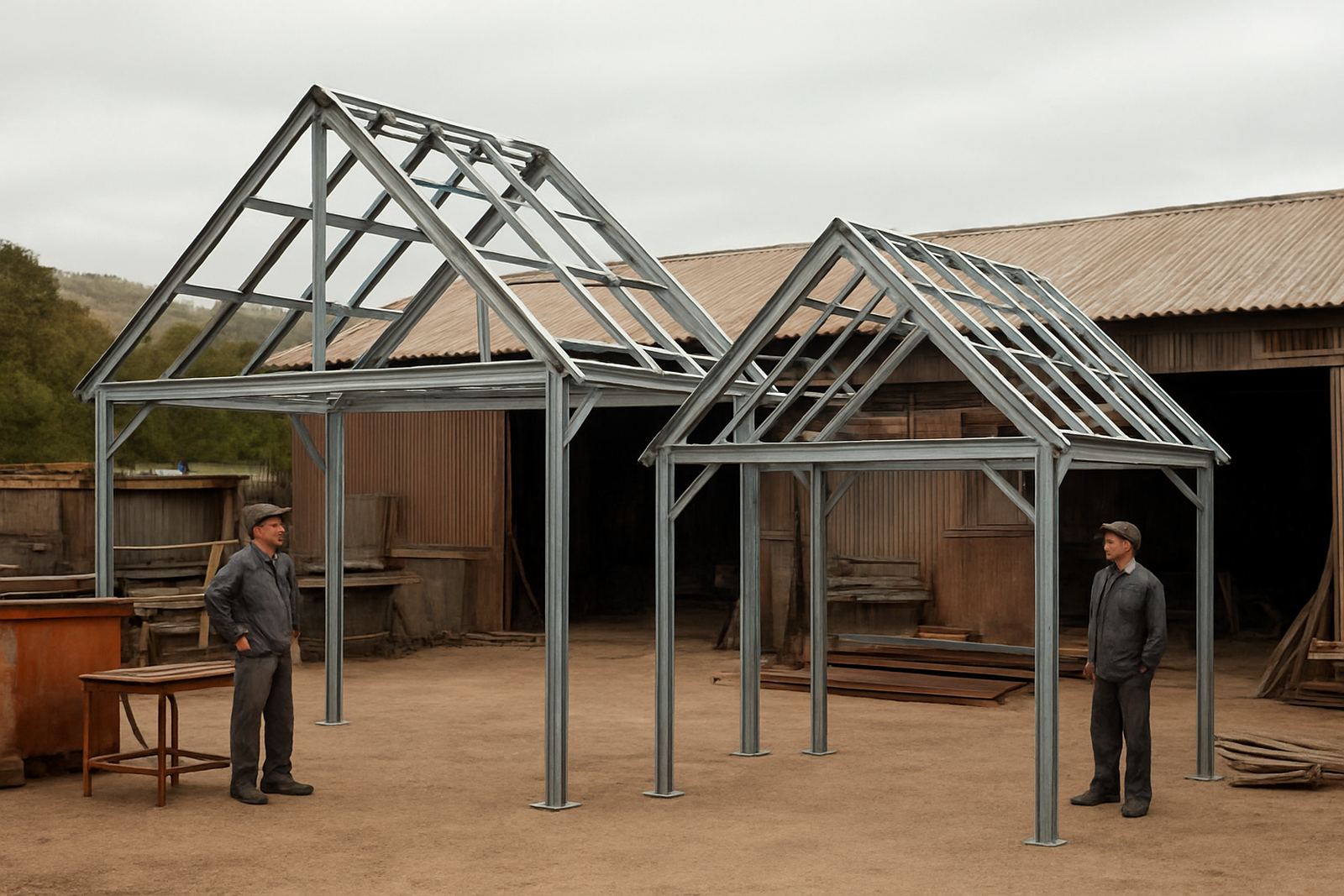
For example, a Hartenbos carport job might need posts, base plates, roof sheets, gutter lengths and the final fixings all loaded in the right order so the team can erect the frame before the wind gets harder in the afternoon. With a clear dispatch plan, the site supervisor knows what to unload first and what can stay on the truck until the structure is ready.
A Mossel Bay example: one gutter job done without rework
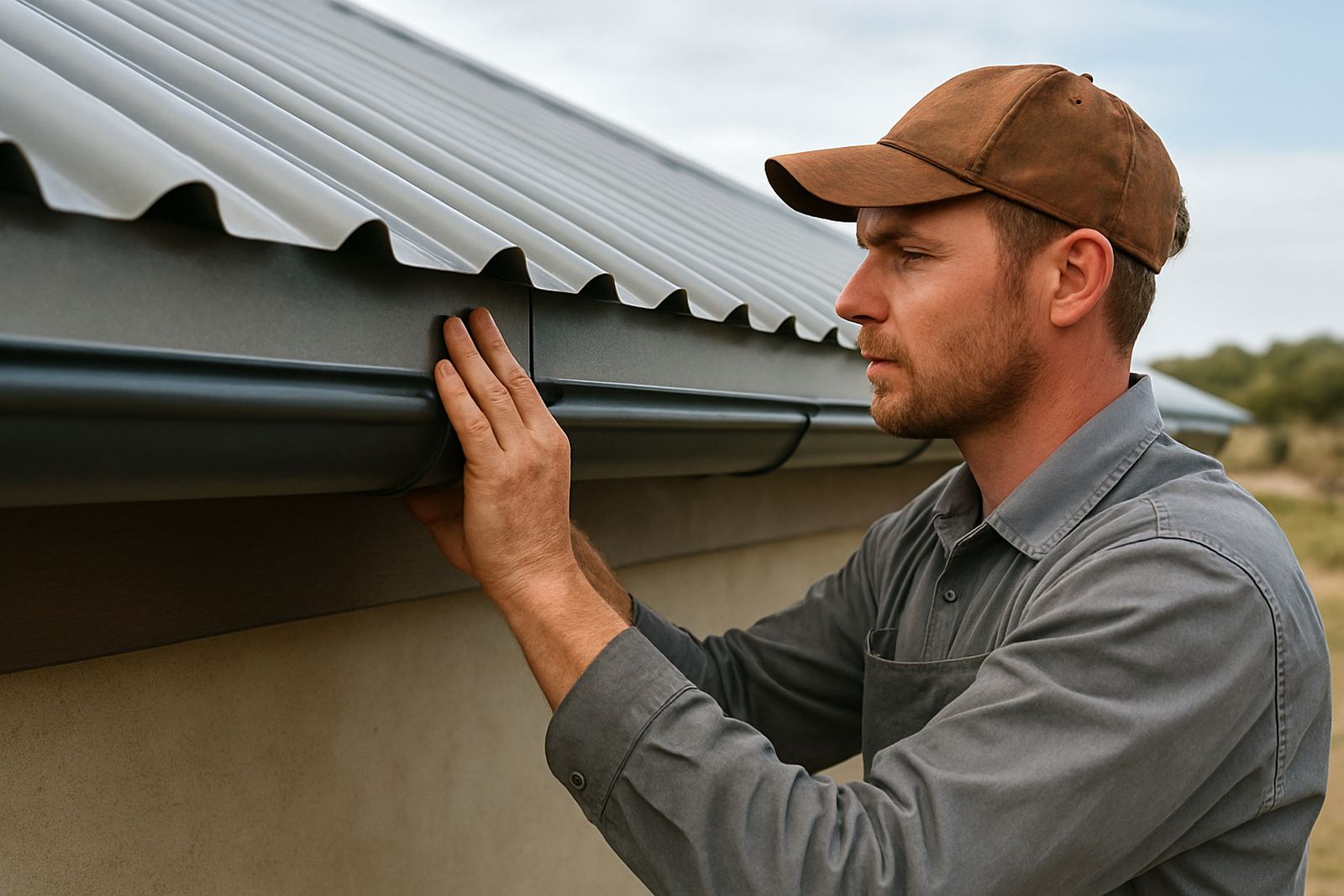
A simple gutter replacement in Mossel Bay can still go wrong if the flow is poor. Say the old gutter has failed on a coastal home near Gouriqua Park, with rust at the joints and overflow after heavy rain. If the new lengths are not measured to the actual eaves, the crew may cut on site, lose time and still end up with a poor fall. If the outlets are not made in the right positions, water will sit where it should drain away.
With a proper sequence, the measure sheet is confirmed, the gutter is fabricated to the correct lengths, the brackets are grouped by run and the downpipe fittings are packed last. The installation team then removes the old line, fixes the new supports, hangs the gutter and seals the joints in one clean pass. That means less mess at the property and less chance of a call-back a week later.
Good flow also helps maintenance and repeat work
Organised fabrication is not only for new roofs and steel structures. It also helps with maintenance inspections, leak repairs and later additions. If a client wants a second carport, extra wall cladding or a replacement flashing months after the first job, clear records make it easier to repeat the sizes and finishes without guessing.
That matters for schools, workshops, farms and small businesses across Mossel Bay, George and Sedgefield where work is often done in stages. A clean paper trail and a clear workshop record mean the next order can be made quicker and delivered with less back-and-forth. In practice, that saves labour, avoids small errors and keeps the site team moving.