Why sea air shortens the life of fixings
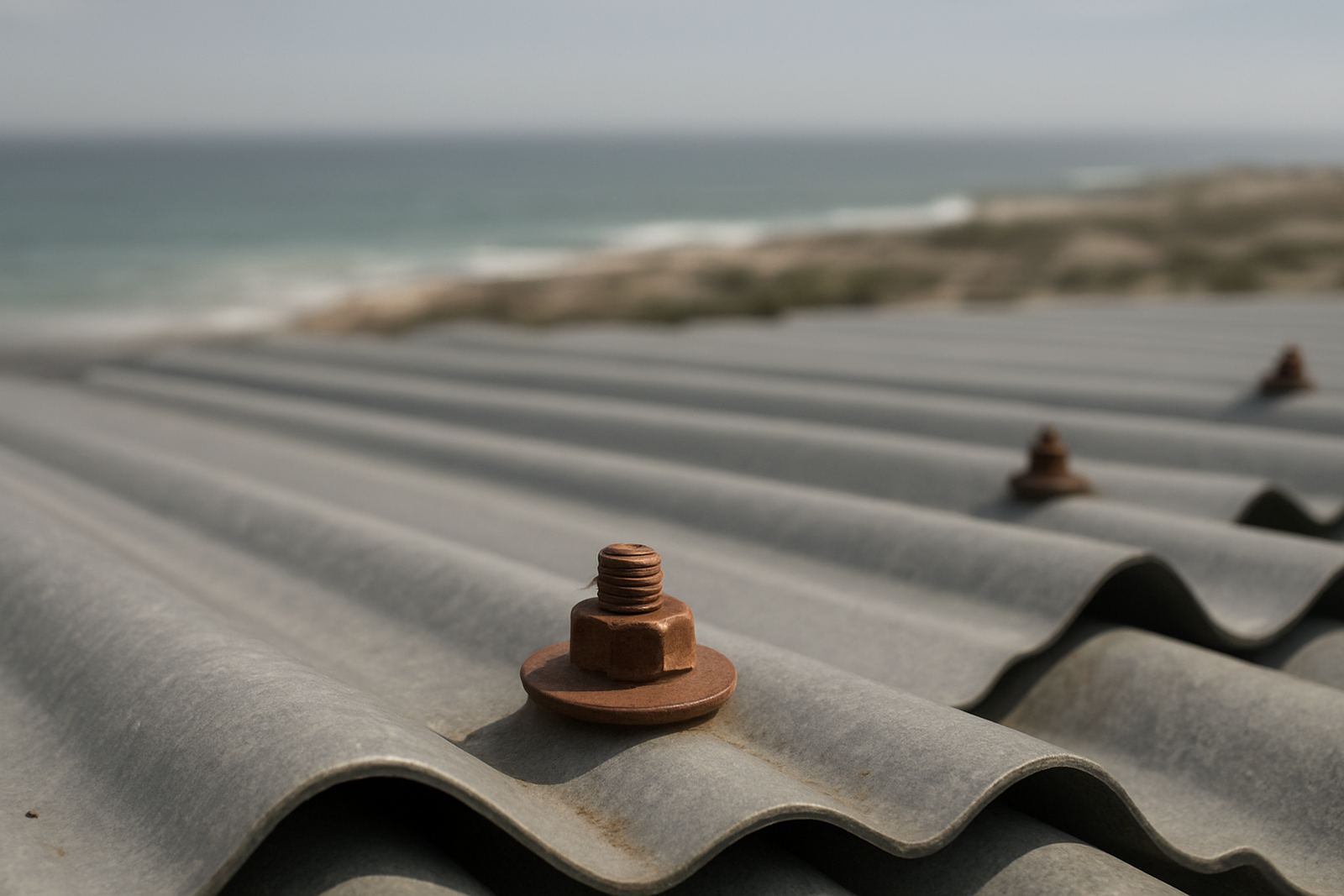
In Mossel Bay and along the southern Cape, exposed fixings face a constant mix of salt moisture, wind pressure and damp mornings. That matters because the fixing is often the first point where corrosion starts, especially where water can sit around a washer or where a screw head has been scratched during installation.
Once a fastener starts to rust, it does not stay local for long. The corrosion can spread under the sheet, weaken the grip and let the roof or wall cladding move slightly in strong wind. You may not hear it at first, but you will see the signs later as staining, lifted edges or water tracks inside the building.
This is why coastal fastener care is not only about appearance. It is about keeping the fixing tight, the seal intact and the sheet supported. On a steel building near the beachfront or even a carport in Hartenbos, the salt in the air works on metal every day, even when there is no storm.
Signs your fixings need attention now
A proper inspection does not need fancy tools. You just need a careful eye, safe access and a clear idea of what to look for. Small faults are easier to sort out before the next windy spell or heavy rain.
- Rust rings around screw heads or washers
- Missing or cracked washers
- Loose screws that turn too easily
- Staining on sheets below a fixing line
- Lifted flashings near ridges, valleys or wall edges
- Rattling sheets in wind, especially on older roofs
If you spot more than one of these, the problem is usually bigger than a single screw. It may point to movement in the sheet, poor sealing, or old fixings that have reached the end of their life. In that case a full maintenance inspection is safer than patching one point at a time.
How regular inspections prevent bigger repairs
Fasteners are cheap compared with damaged insulation, soaked ceilings or a roof sheet that starts to tear under wind load. The trick is to inspect before the rainy season starts and again after a strong wind event. In coastal towns this should be part of normal maintenance, not an emergency step after a leak appears.
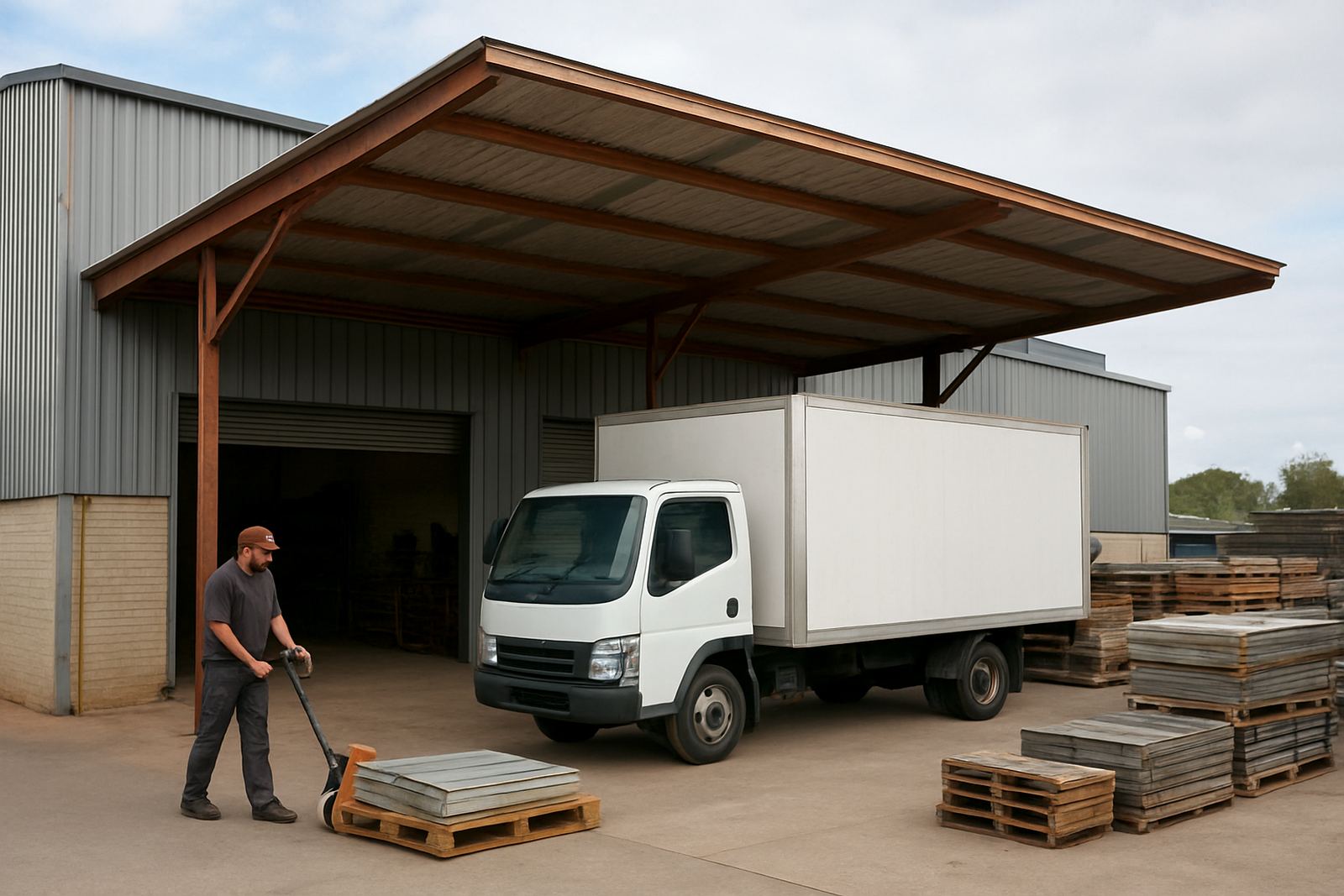
At a small industrial unit in Mossel Bay, for example, one loose line of fixings on a cladding wall can let water in during driving rain. If the building stores tools, stock or electrical gear, even a minor drip can cause downtime and loss. A quick inspection every few months can catch loose washers or corroded heads before they become a real issue.
For homeowners, the same rule applies to carports, patios and boundary structures. A few minutes spent checking the fixings on a carport roof can save you from replacing whole sheets after the next southern Cape wind. It is steady work, not dramatic work, but it pays off.
- Check after winter storms and before summer heat sets in
- Look closely at north and west facing sections that take more weather
- Make sure gutters, flashings and sheet edges are still tight
- Replace tired fixings in groups, not one at a time where possible
The small details that matter on the coast
Coastal maintenance is not only about the fixing itself. The surrounding detail matters just as much. If a washer is sitting on dirt, old sealant or standing water, it will not perform properly. If a hole was drilled too wide, the fixing may never clamp firmly. If different metals touch in the wrong place, corrosion can start sooner than expected.
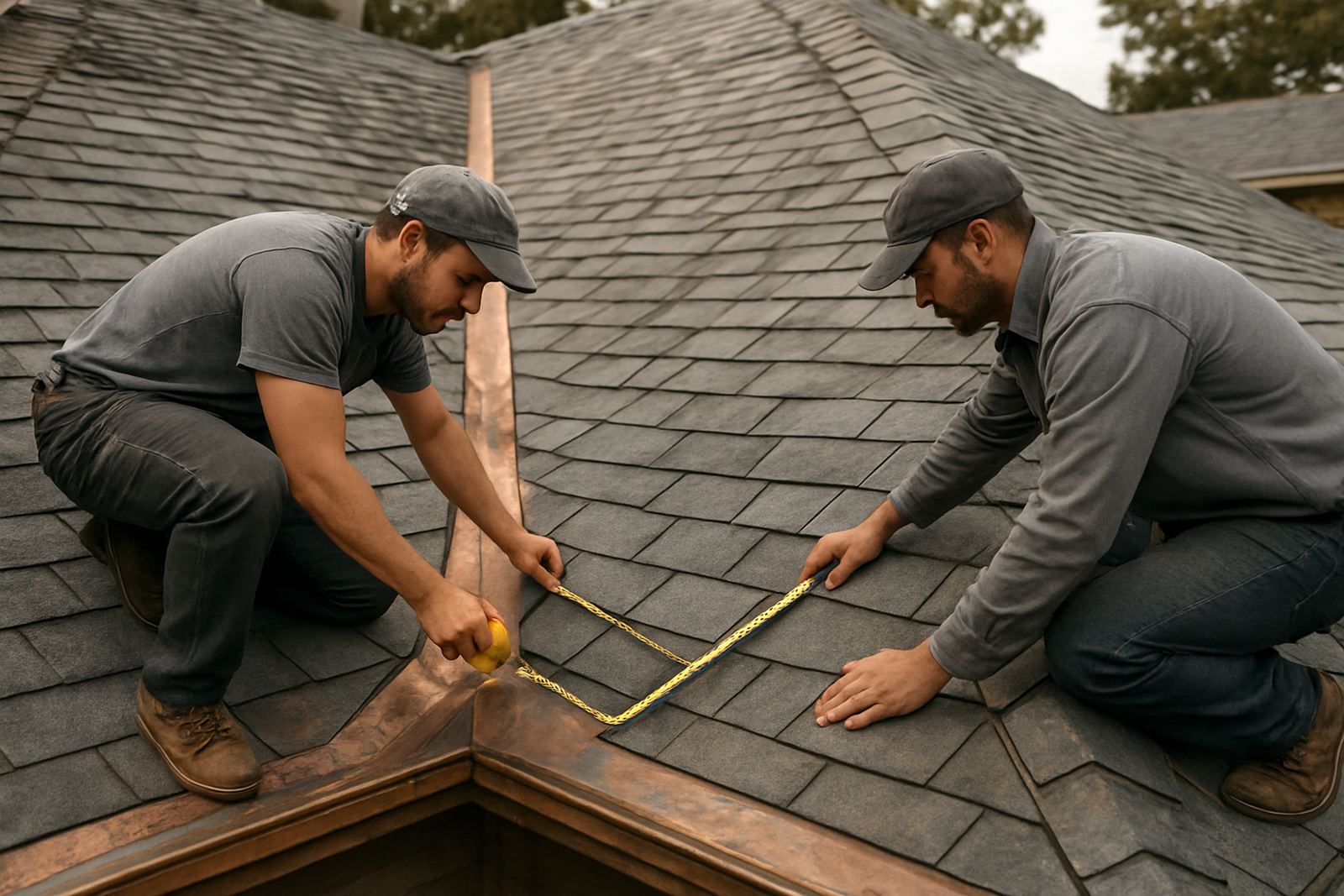
That is why site measuring and careful workmanship matter on every job. A clean installation gives the fastener a better chance to last. It also helps when replacing old fixings on older buildings in areas like Great Brak River, Wilderness or Sedgefield, where many structures have seen years of sea air already.
Drainage is part of the same picture. Gutters, flashings and sheet laps should move water away quickly. If they back up, water sits longer around the fixing line and the chance of staining or rust goes up. Good maintenance is often about removing those little pressure points before they become expensive.
When replacement is better than patching
There comes a point where tightening a screw is no longer enough. If the head is worn, the washer is brittle or the surrounding metal has already started to break down, replacement is the better choice. In some cases a whole run of fixings should be renewed, especially where the roof has many years of exposure behind it.
Patch repairs can keep a building going for a while, but they are not always the right answer. If you keep returning to the same place for the same leak, the root cause may be movement, ageing materials or an installation detail that needs proper correction. It is better to fix it properly once than keep chasing the same fault.
For steel structures, carports and clad buildings, replacement work should be planned around access and weather. On the southern Cape coast, a repair done in dry conditions with the right spacing and sealing will usually last better than a rushed wet-weather patch. That extra care is worth it.
A local maintenance routine that works
A simple routine suits most coastal properties in Mossel Bay and the surrounding area. You do not need to inspect everything every week, but you do need a schedule. Buildings that sit close to the sea, face strong winds or carry larger roof spans need closer attention.
- Walk the building line and look for rust streaks
- Check roof edges, gutters and flashing joints
- Listen for loose sheets during windy conditions
- Record any problem areas so they can be revisited
- Arrange maintenance before the leak starts, not after
For owners, this is also a good time to inspect after load-shedding related generator use, since extra vibration can show up hidden weaknesses in older roofs and supports. A building that stays dry and secure through winter is usually the one that gets steady attention, not the one that is only repaired in an emergency.
If you need site measuring, maintenance inspections, gutter replacement, roof leak repairs or fastening checks for a steel building, cladded workshop or carport in the Mossel Bay area, it pays to work with a team that understands local coastal conditions and the way they affect metal over time.