Why a loading canopy changes the pace at the gate
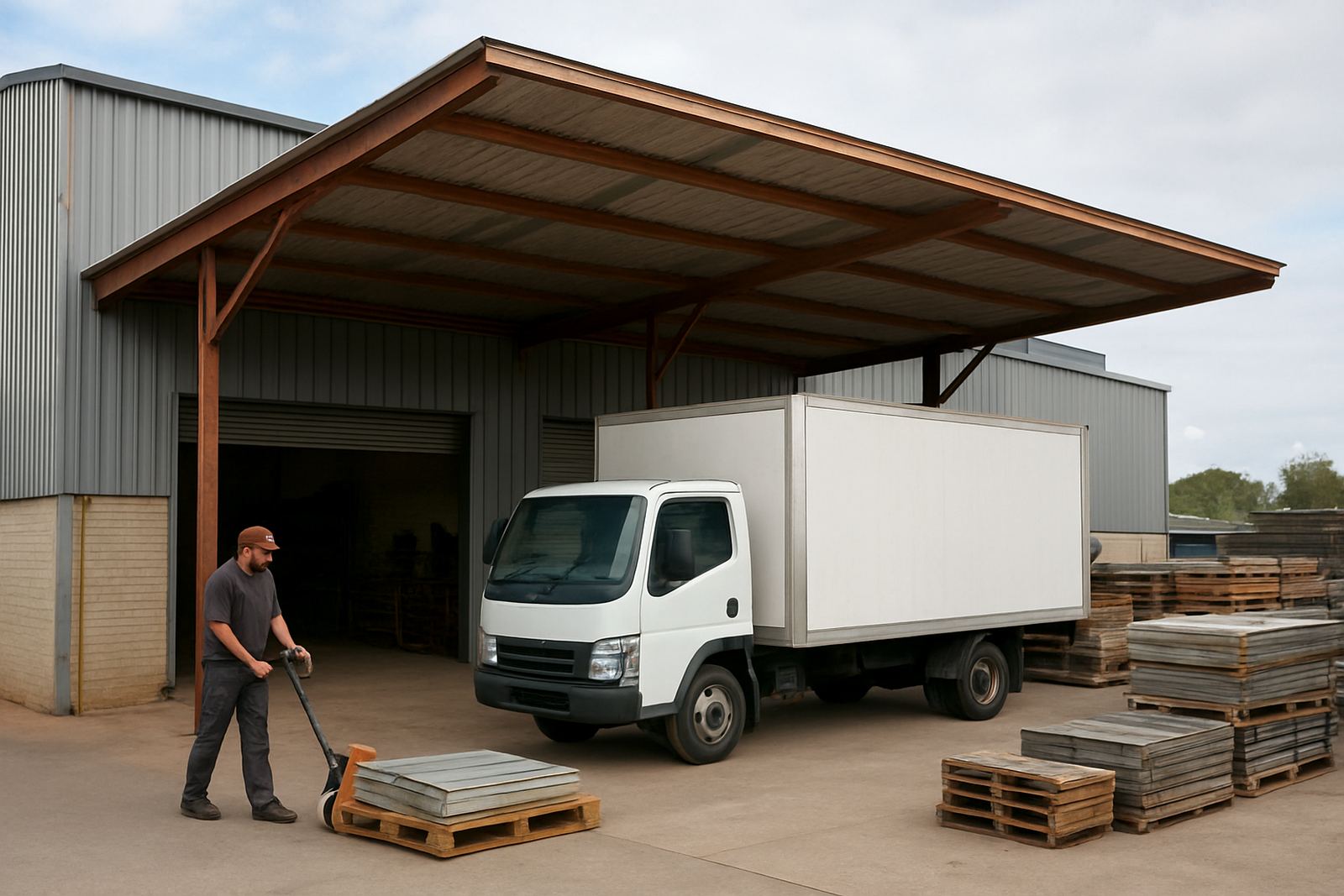
At a busy warehouse, the loading area is where time gets lost first. When trucks arrive in rain or wind, workers end up waiting for conditions to improve, cartons get covered with plastic sheets, and the handover slows right down. A properly made canopy gives drivers and staff a dry working edge, so goods can move in and out with less stopping and starting.
In Mossel Bay and along the southern Cape coast, that matters because weather can shift quickly. One hour you have bright sun, the next you get a squall blowing in from the sea. A loading canopy creates a shelter line at the bay entrance, which helps with timing, safety and general order at the site.
Protecting stock from rain, salt air and sun damage
Not every product can handle a bit of weather while it waits. Bags, boxes, timber packs, steel components and wrapped pallet loads can all suffer when they stand in the open. Moisture gets into packaging, labels lift, and some items start showing surface rust far quicker than expected. Coastal sites also deal with salty air, so exposed goods can deteriorate even when it is not raining.
A canopy gives a first line of defence while stock is being loaded, checked or transferred. That is especially useful for businesses near Gouriqua Park, Hartenbos and the industrial routes into George where deliveries often happen early and under pressure. If the canopy is built with the right sheet metal and flashings, it also helps reduce water tracking back into the loading strip.
- Less wet packaging and fewer damaged cartons
- Reduced corrosion on metal stock and fittings
- Better protection from direct sun on wrapped goods
- Cleaner loading zones after bad weather
Helping staff work faster and safer during loading
When the loading point is dry and shaded, the whole workflow usually improves. Forklifts, trolleys and hand loading can keep moving without people pausing every few minutes to wipe surfaces or move goods out of the rain. That saves time on each delivery, and over a week it adds up. A covered bay also gives the team better visibility when they are checking labels, seals and counts.
From a safety point of view, a canopy reduces wet floors and slippery approaches around the dock. It can also help limit the need for workers to rush under bad conditions. Rushing leads to mistakes and dropped stock. A little more cover can make a big difference, especially during winter fronts when wind and rain hit the coast at the same time.
Why local conditions in Mossel Bay need proper canopy detailing
Warehouses in Mossel Bay, Great Brak River, Wilderness and Sedgefield have to deal with coastal humidity, wind uplift and driving rain. That means a canopy should not be treated like a quick add-on. The roof pitch, support layout, fixings and flashing details all matter. If the water is not directed away correctly, you can end up with drips at the loading edge and puddling where pallets stand.
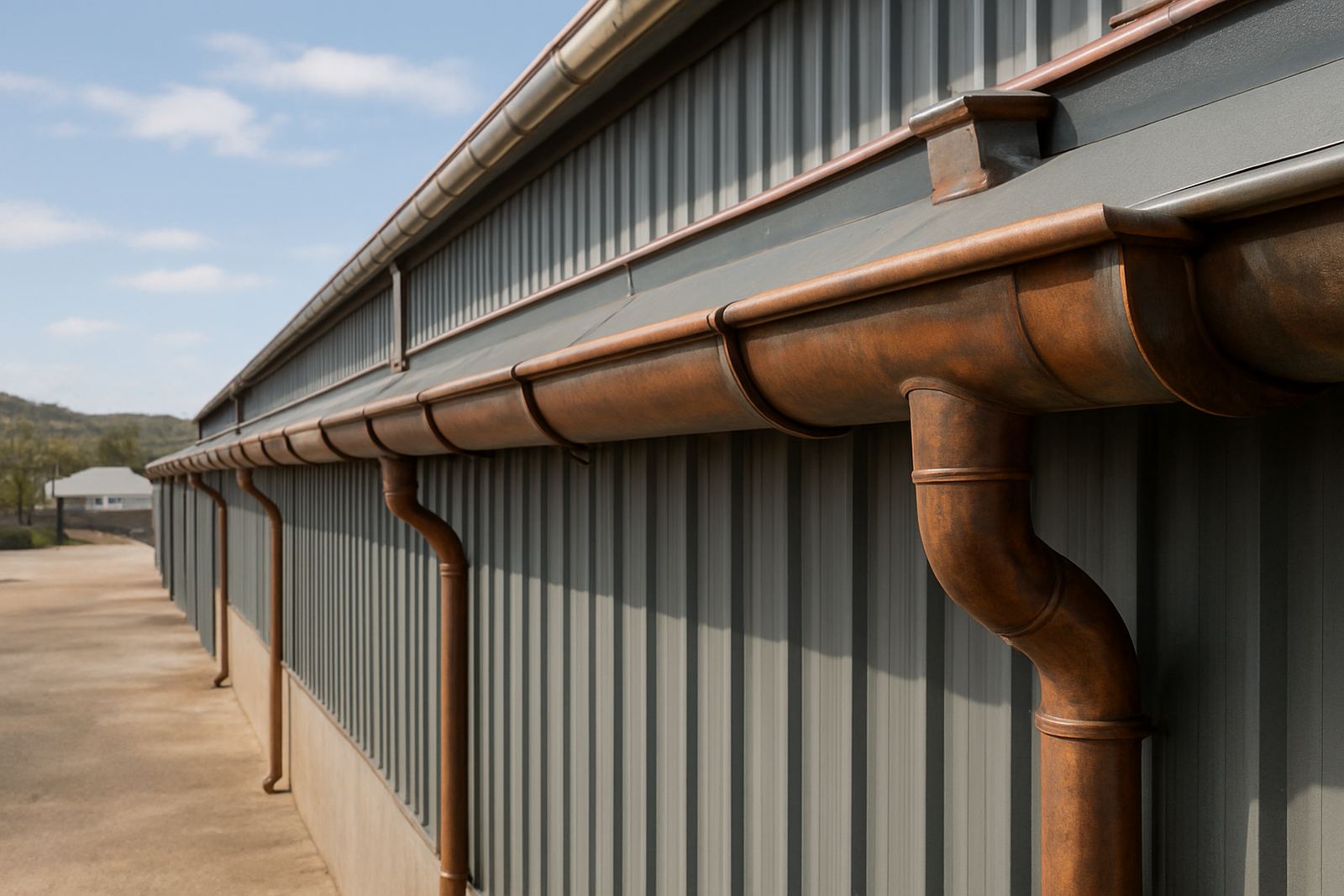
Good sheet-metal work helps avoid those problems. It is worth checking the gutter fall, the overlap of sheets, and the points where the canopy meets the main building. On a site where trucks come and go all day, even a small leak can become a daily nuisance, and people tend to work around it instead of fixing it properly.
- Check the wind exposure on the open side of the bay
- Use proper flashings where the canopy meets the wall
- Allow for gutter capacity during heavy rain
- Choose finishes that suit coastal conditions
A practical example from a southern Cape warehouse
Take a storage yard handling building materials outside Mossel Bay. Before the canopy went up, staff had to cover incoming stock with tarps and time the offloading around weather windows. That meant delays when a delivery arrived during a rain burst, and some smaller cartons still picked up moisture. Once a loading canopy was fitted, the team could receive goods under cover, sort them immediately and keep the yard more organised.
The difference was not only about comfort. The business cut down on rehandling, and the receiving area stayed neater through the wet season. The manager also found it easier to schedule collections because the loading point no longer became unusable each time the weather turned. It is a simple change, but it can steady the whole site.
What to plan before you install a warehouse canopy
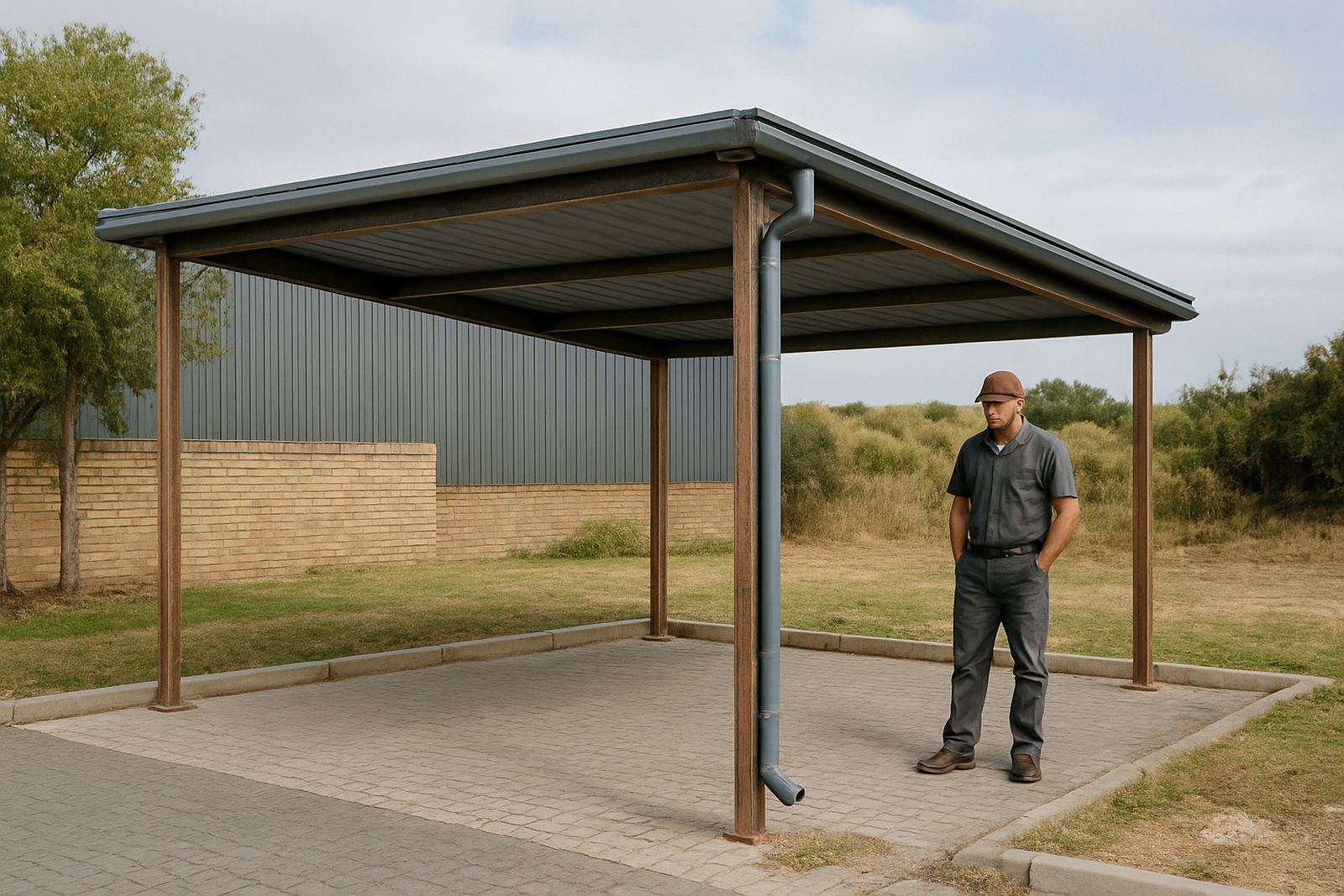
Before any work starts, the site should be measured properly and checked for traffic flow, door height, vehicle turning space and drainage. A canopy that is too shallow will not give enough cover, and one that is too low can make truck access awkward. The support positions must also suit the loading layout, otherwise you lose space where you need it most.
It helps to think about maintenance too. Can the gutters be reached for cleaning after leaf build-up or storm debris? Will the roof sheets be easy to inspect after a strong wind? These details matter because a canopy is part of the working building, not just a top piece. When it is planned well, it supports daily operations instead of getting in the way.
- Measure for truck and forklift movement first
- Allow enough headroom for doors and raised loads
- Include gutters and downpipes that suit local rainfall
- Plan access for future repairs and inspections