Why sea air bites harder in Mossel Bay
Any property near Gouriqua Park, the harbour side or the open coastal streets around Mossel Bay faces a steady mix of salt spray, damp air and strong wind. That combination sits on steel and sheet metal, then gets drawn into tiny scratches, cut edges and fixings. Once the protective layer is broken, rust starts much sooner than it would inland.
People often notice the first signs on gutter brackets, roof sheet screws, flashings around chimneys, and the lower edges of carports. Those parts are usually the first to hold moisture after a coastal mist or a wet winter front. If the structure is left with trapped dirt or old sealant, the metal stays damp for longer and corrosion takes hold quicker.
In the southern Cape, weather can change from bright sun to cool sea mist in one afternoon. That daily cycle matters because metal expands, contracts and sweats. Over time, the coating gets stressed and the fasteners start to show surface rust. It is not always dramatic at first, but it is there if you look closely.
The early warning signs worth checking
Rust does not only appear as orange patches. On sheet metal and steel structures, the warning signs can be small and easy to miss, especially on high roof lines or behind cladding. A proper inspection should look for staining, bubbling paint, loose fixings and small leaks before they become bigger problems.
- Orange or brown marks at screw heads, joins and cut edges
- White powdery residue on coated steel or aluminium parts
- Rust streaks below gutters, flashings and wall cladding joints
- Lifted sealant around roof penetrations, ridges and parapets
- Water marks on ceilings after a coastal rain shower
If those signs show up at the same time, it usually means moisture is sitting where it should not. On a business site in Mossel Bay or a home in Hartenbos, that can point to failed flashing, poor overlap, or a gutter that is backing up because of leaves and sand. A quick repair is far cheaper than replacing a section of roof sheeting later on.
Where coastal corrosion usually starts first
Steel does not corrode evenly. Some parts of a building are simply more exposed than others. The highest risk areas are the ones that catch spray, collect water, or have many small fixing points. That is why gutter work and roof detailing matter just as much as the main frame.
- Roof sheet overlaps where wind drives moisture under the laps
- Custom flashings around valleys, skylights and wall terminations
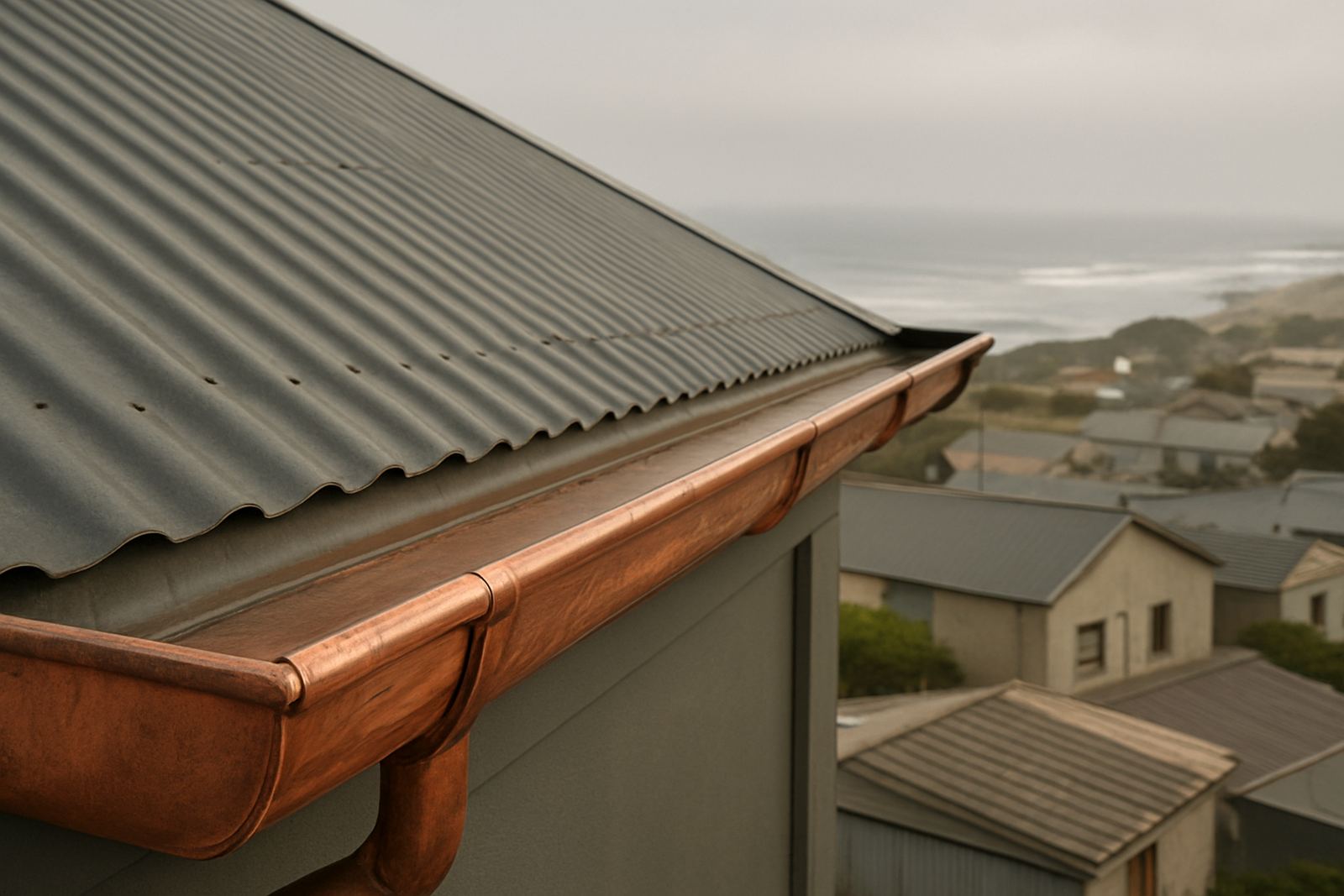
- Gutters and downpipes where water stands after heavy rain
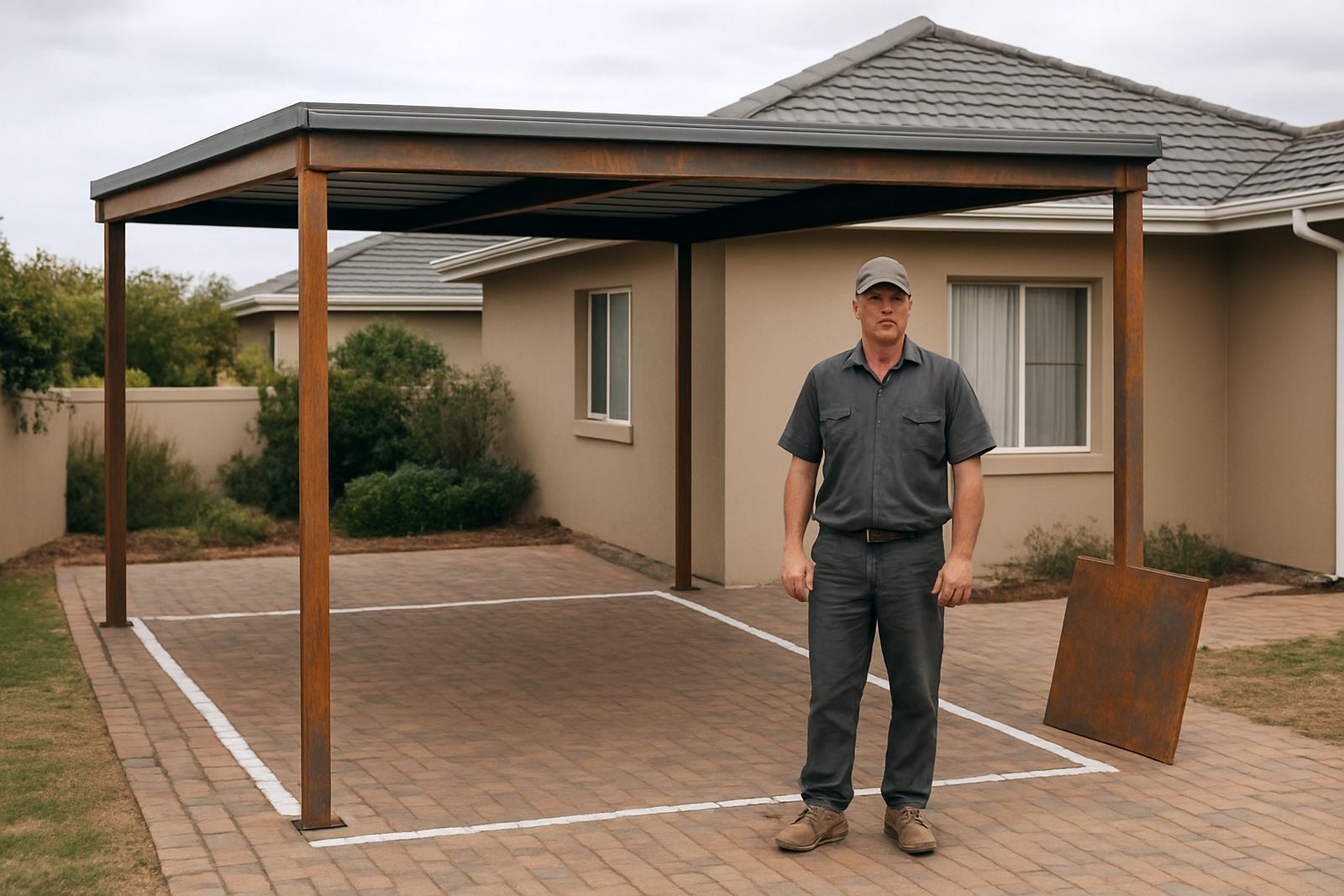
- Carport posts and base plates close to paving or garden irrigation
- Steel frame connections where two members meet and hold dirt
On the George side or toward Wilderness and Sedgefield, the distance from the sea helps a bit, but it does not remove the risk. Wind carries salt further than many owners expect. Even inland-facing properties can pick up corrosion if the roof design traps moisture or the maintenance is neglected for a few seasons.
A local example from a Mossel Bay workshop roof
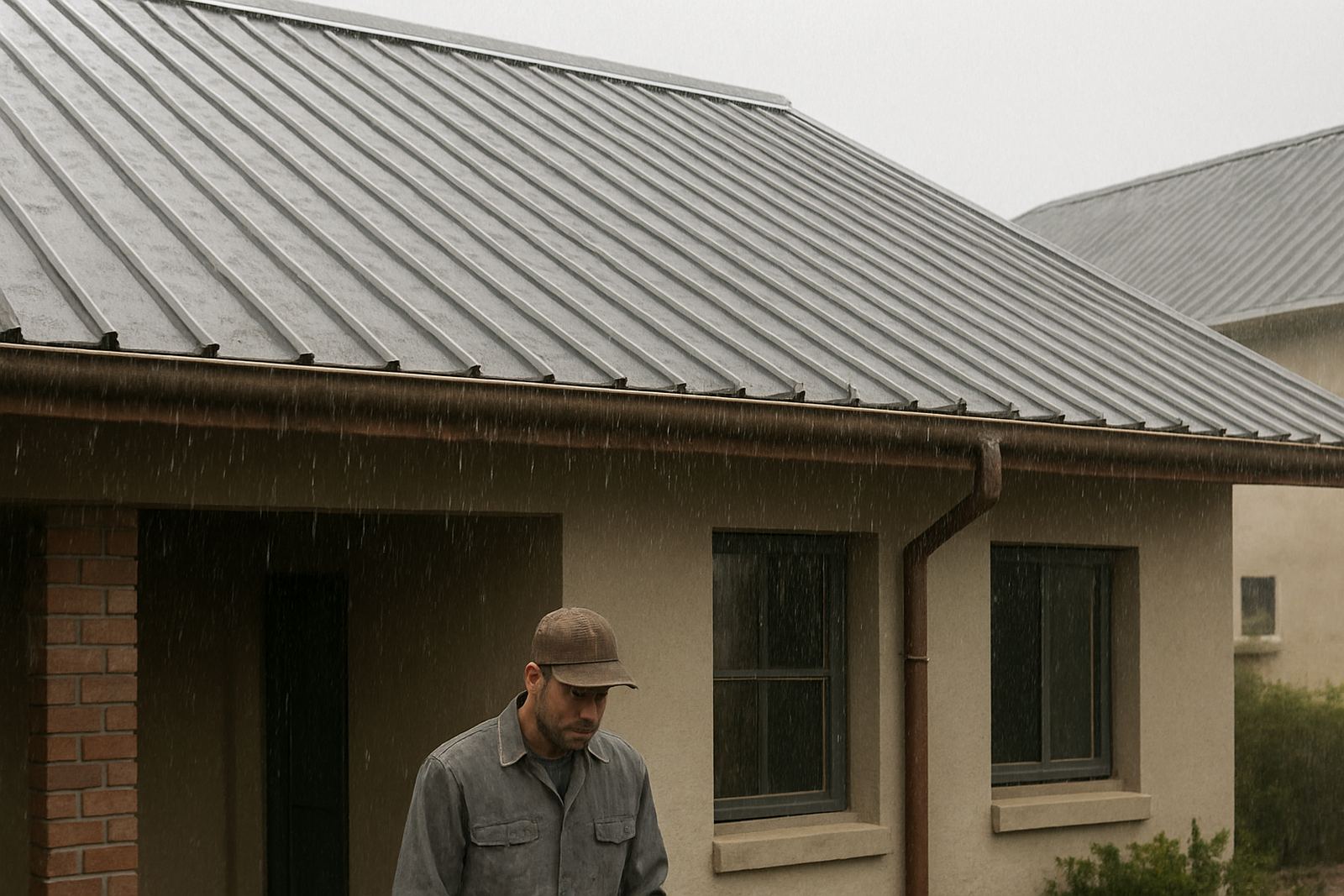
A practical example is a small workshop roof in Gouriqua Park, just a few kilometres from the coastline. The owner first noticed brown staining at the eaves and around the gutter brackets. At first it looked minor. On closer inspection, the problem was a mix of blocked gutters, old screws with worn coatings, and a flashing detail that allowed water to sit after wind-driven rain.
Once the gutters were cleared, the damaged sections were replaced and the flashings re-made to suit the roof profile properly. The team also checked the nearby steel frame for early corrosion, then treated the affected points before the rust spread. That kind of job is common along the southern Cape because sea air does not need a big opening. A small defect is enough.
The lesson is simple: coastal rust usually starts in the details, not the big steel members. If those details are sound, the building has a much better chance of holding up through winter fronts, summer heat and the daily salt load from the coast.
Practical ways to slow rust down
Good detailing and routine maintenance make a real difference in coastal conditions. Owners do not need complicated systems, but they do need the right materials, proper installation and regular checks. In Mossel Bay, that often means thinking about runoff, fixings and accessibility before the job is signed off.
- Use correctly formed flashings that suit the roof profile and pitch
- Keep gutters clear so water does not stand after rain
- Check fasteners, lap joints and cut edges every few months
- Repair roof leaks quickly before moisture reaches the frame
- Wash down exposed steel where salt build-up is visible
Where a structure is close to the sea, maintenance inspections should not be left for every few years. A short check after the winter season can catch small faults early. That is especially important for carports, boundary structures, wall cladding and any steel building with many connections and exposed edges.
When replacement is smarter than patching
Sometimes a repair is not enough. If corrosion has gone through the coating and into the metal, patching over it only hides the issue for a while. The same applies where gutters are too thin, flashings are badly fitted, or roof sheets are already pitted across several areas. In those cases, replacing the affected section usually gives better value than repeated call-outs.
A proper site measure helps to judge whether the problem is localised or structural. On some properties in Great Brak River or Mossel Bay, only a few custom flashings need to be remade. On others, the roof sheeting, gutter runs and selected steel members all need attention. The right answer depends on the extent of the damage, not guesswork.
For owners near the coast, the goal is not to make steel rust-proof forever. It is to keep moisture from getting a head start. That means accurate fabrication, careful installation and maintenance that matches the conditions on the ground.
What J&E Sheet Metal checks on coastal jobs
Coastal work needs a practical eye and a clear sequence. A proper inspection should focus on the places where salt, wind and rain do the most damage. That is especially true for homes, workshops and light industrial buildings around Mossel Bay and the southern Cape.
- Roof sheets, laps and fixings for early corrosion
- Gutters, downpipes and brackets for standing water and blockage
- Flashings around walls, valleys and roof openings
- Steel frames, carports and support posts for surface rust
- Signs of leaks, movement or failed sealant after wet weather
With the right attention, many coastal steel components can last well if they are installed properly and checked on time. The key is not waiting for visible damage across the whole roof. Start with the small signs, deal with them early, and the structure will usually give you a lot more service before major replacement is needed.